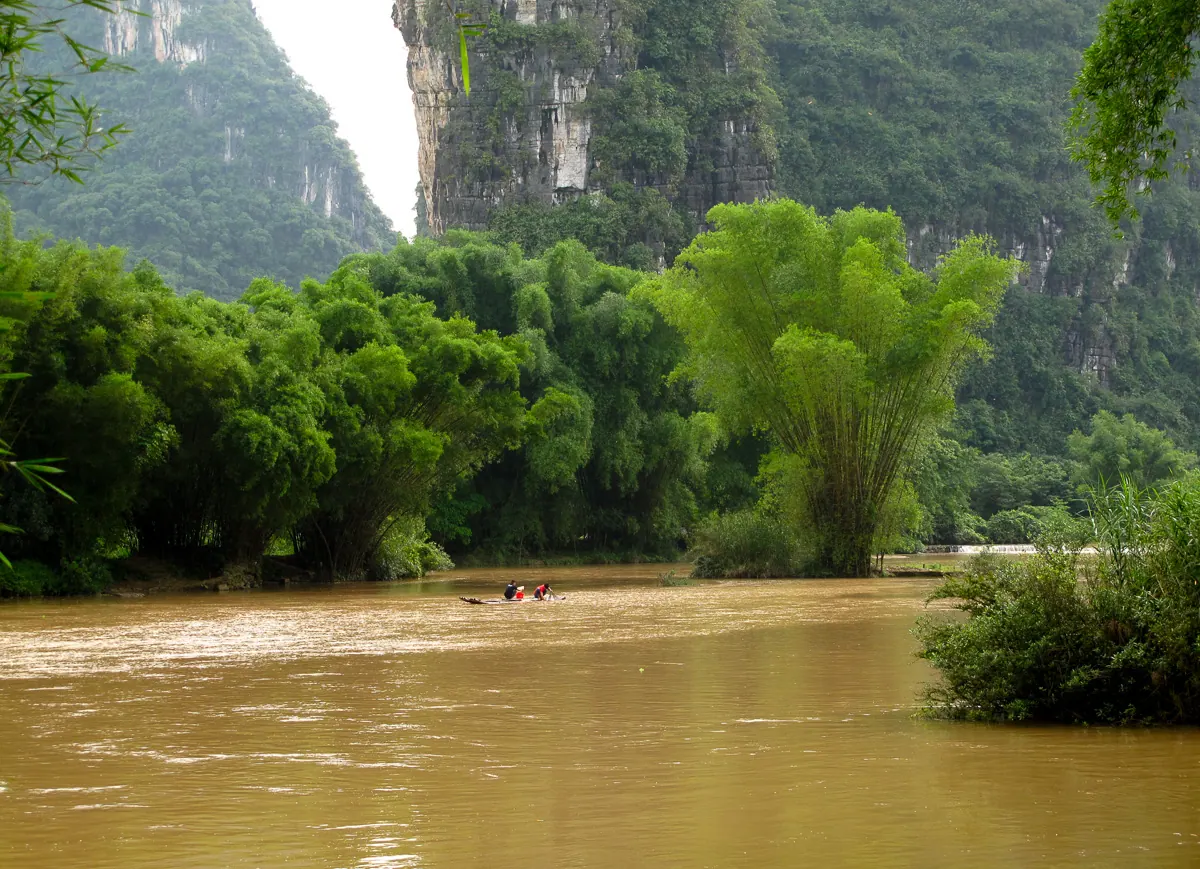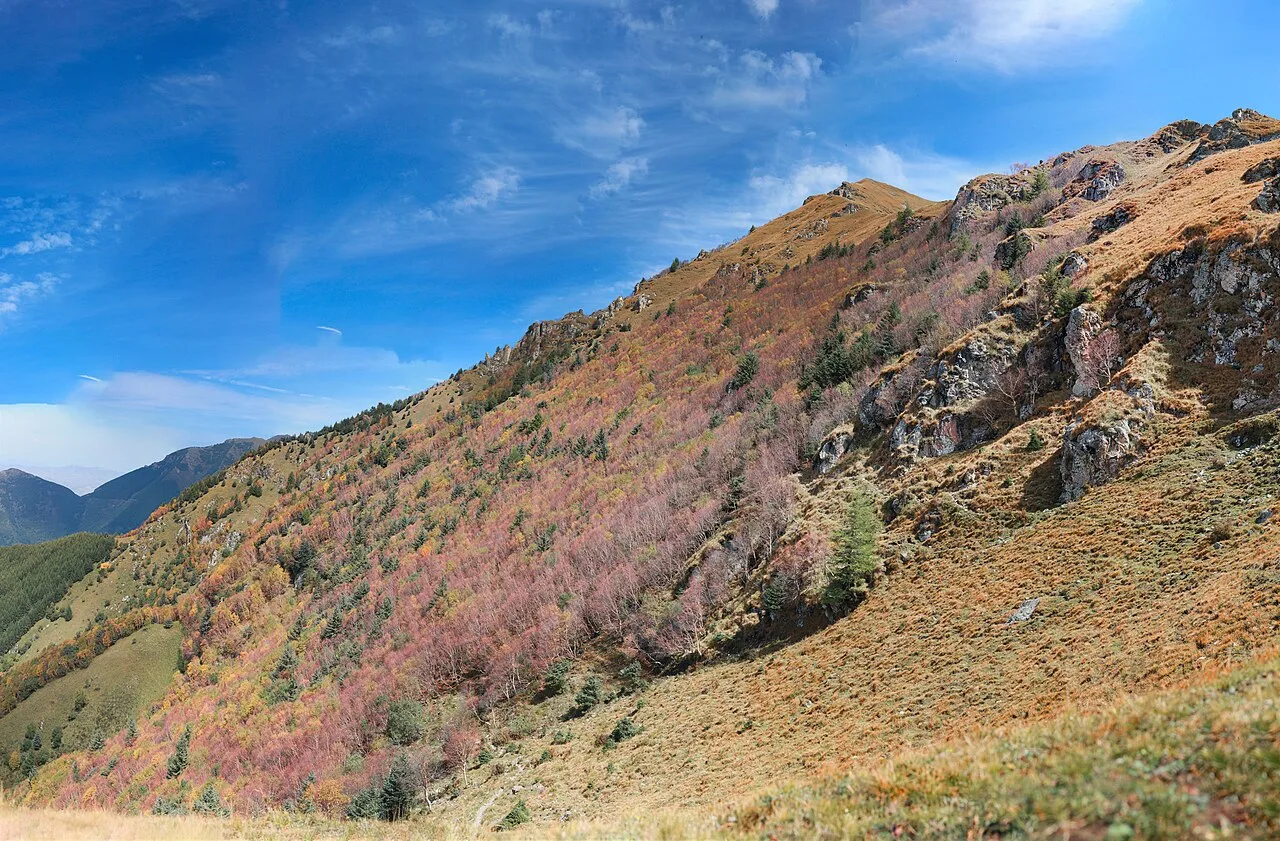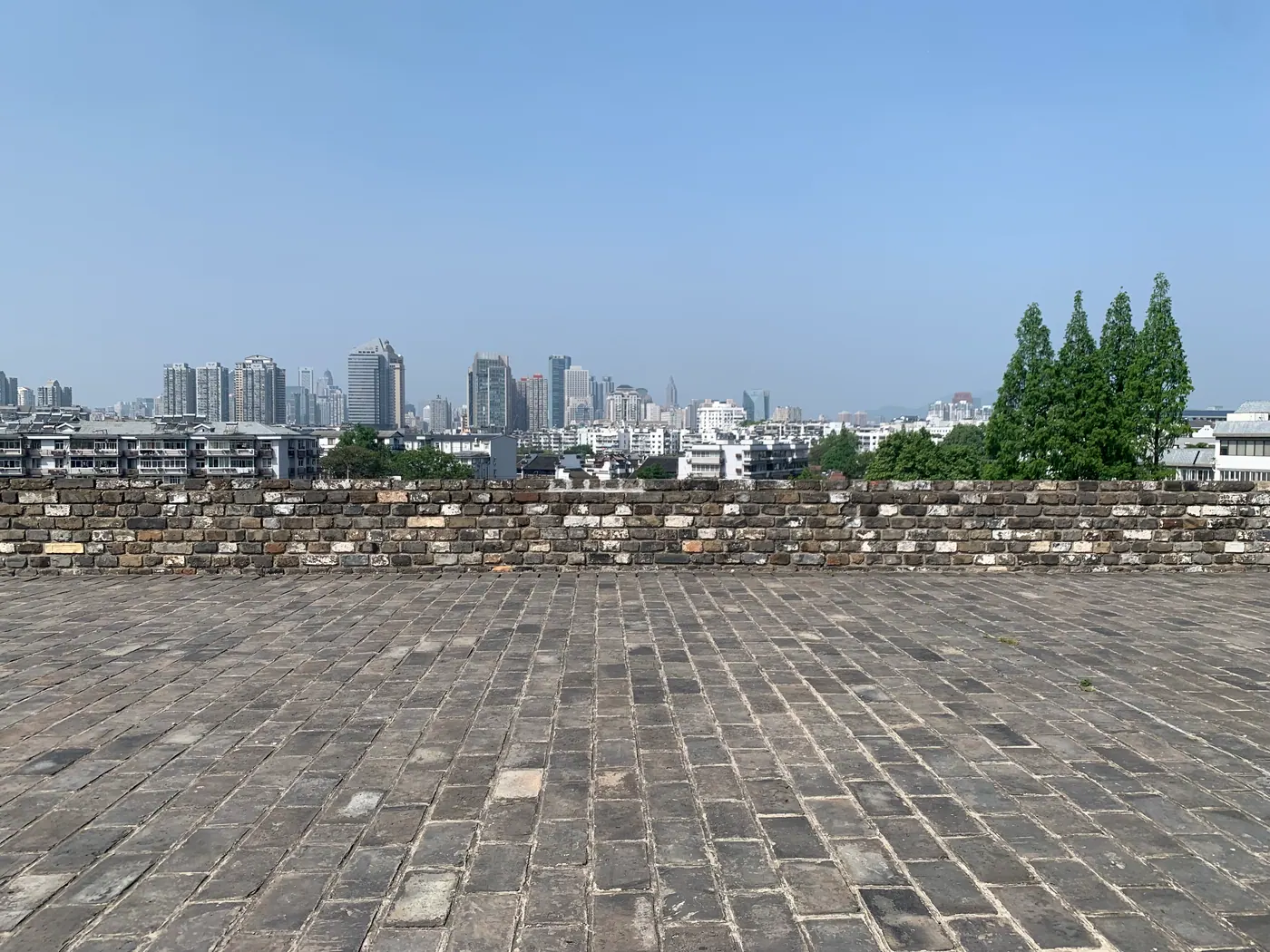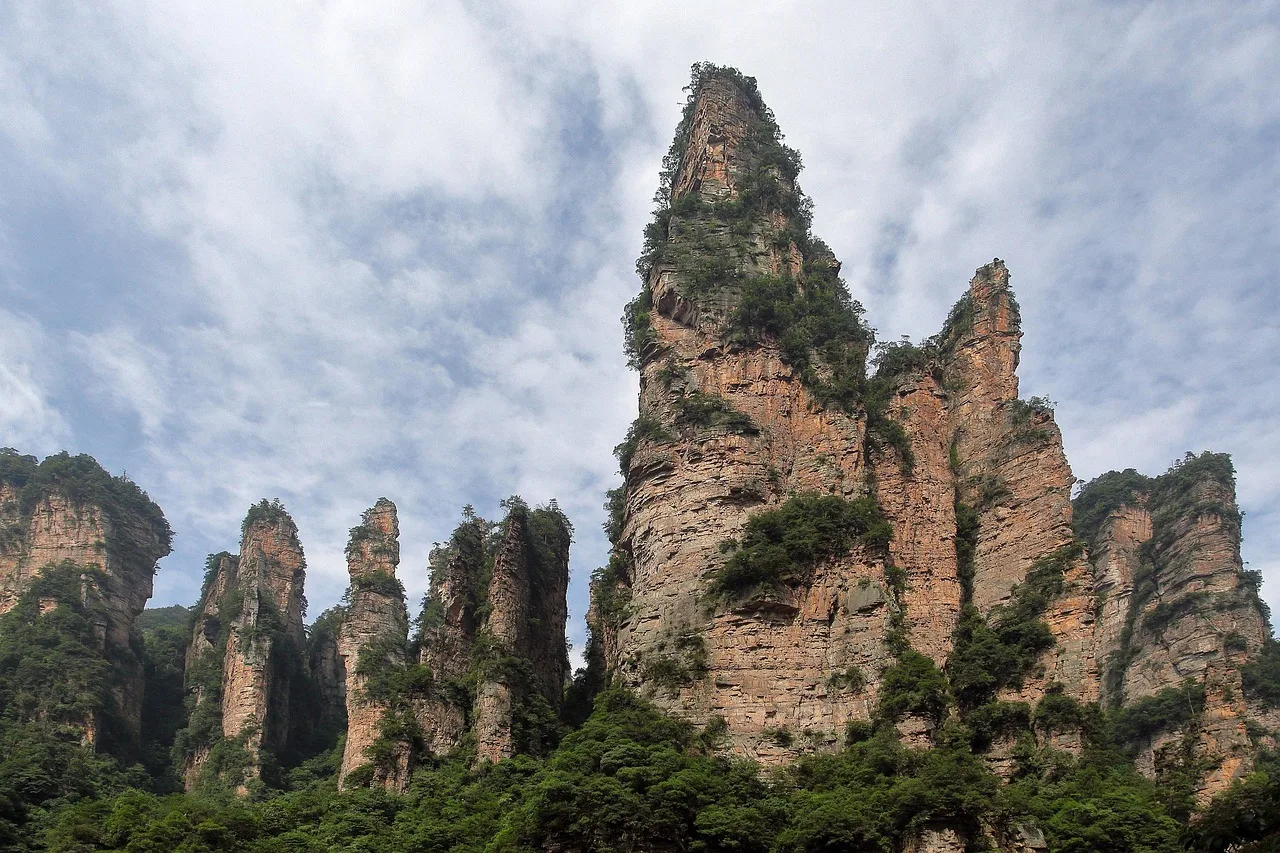
Altay and Northern Xinjiang, China
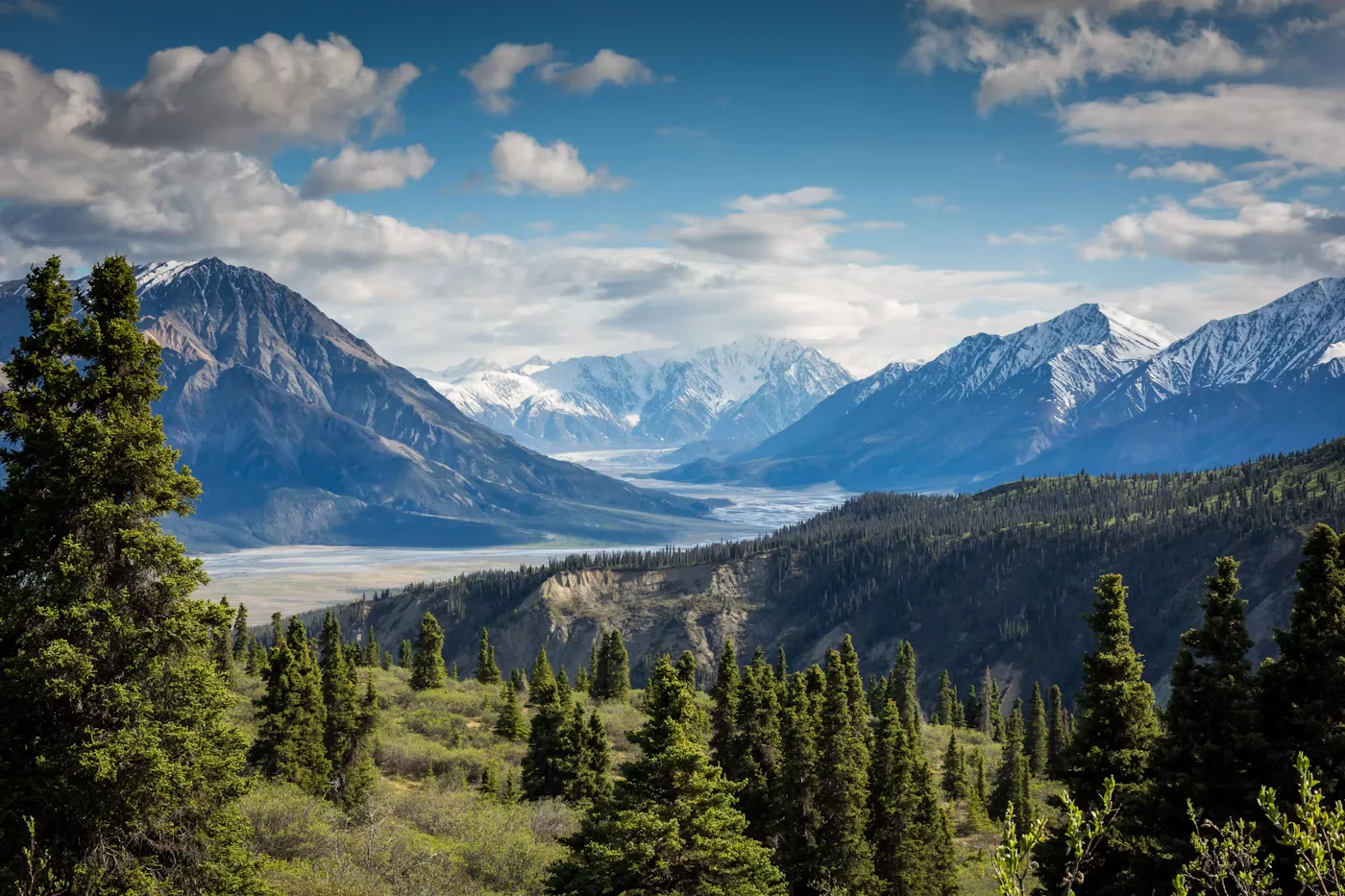
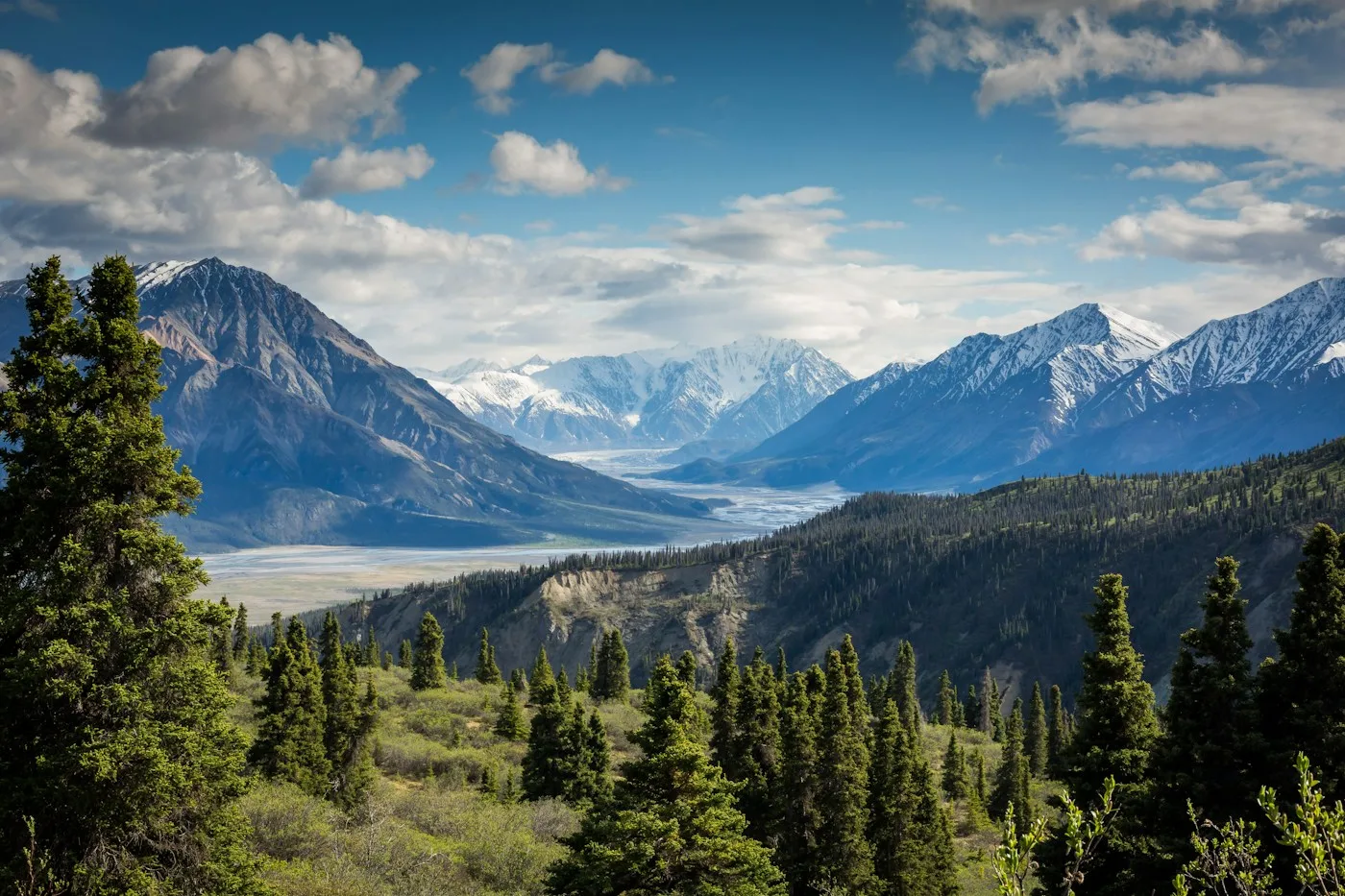
A road-trip region in China's far northwest, where Siberian-style forest, alpine lakes and Kazakh and Tuvan village life meet long, empty highways.
Explore destinations through atmosphere, best travel timing, and linked editorial guides designed for international readers who prefer thoughtful planning.
Showing 117 of 117 destinations.
A road-trip region in China's far northwest, where Siberian-style forest, alpine lakes and Kazakh and Tuvan village life meet long, empty highways.
Anshan is an industrial city in central Liaoning with a strong food culture, a celebrated jade Buddha, and easy access to Qianshan, a scenic area of granite peaks, cable cars and active Buddhist and Taoist temples. Hot springs at Tanggangzi and near the mountain foothills make it a credible short wellness break.
Banff offers distinct summer, autumn, winter, and shoulder-season experiences, so the best dates depend on lake access, hiking, skiing, crowds, and budget.
A pairing of a relaxed Guangxi port city and a volcanic island offshore, best experienced over four days with flexible ferry plans, early starts, long midday breaks and seafood meals chosen from the tank.
A good first Beijing trip pairs two early-start sightseeing days with slower hutong and food time. Reserve major attractions through official channels, choose one Great Wall section, and keep the final day flexible around your departure.
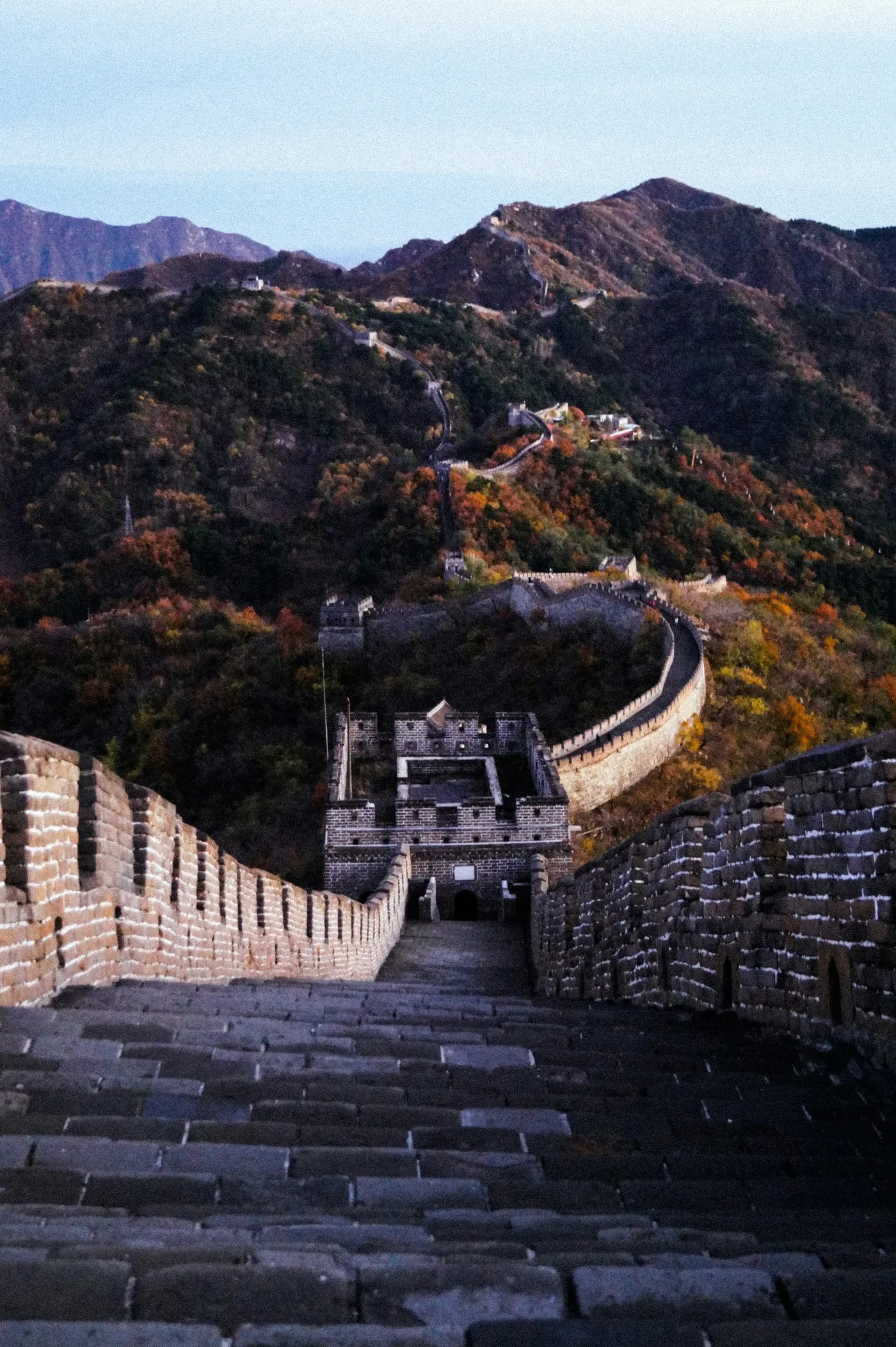
Choose Badaling for rail access and visitor infrastructure, Mutianyu for a balanced first visit, Jinshanling for a longer and more hiking-oriented day, or Simatai for a Gubei Water Town overnight. Confirm official access, tickets, transport and return arrangements before departure.
Use three days in Beijing, two nights in Datong and three days in Xi'an. Confirm the exact railway stations, attraction reservations, weather and road transfers before fixing the detailed schedule.
Use four nights in Beijing, three in Xi'an and two in Shanghai, with one anchor activity per day. Confirm hotel access, station assistance, attraction entrances, toilets, seating, vehicle drop-offs and medical arrangements before paying.
A high-altitude volcanic landscape in Jilin province, northeastern China, with a crater lake, forest trails and hot springs, reached through separate west and north approach areas.
Changde is a mid-sized city on the Yuan River in northern Hunan, known for its riverside wall of engraved Chinese verse, the wide shallows of Liuye Lake and a serious noodle-and-clay-pot food culture. Southwest of it, in Taoyuan County, Taohuayuan interprets Tao Yuanming's Peach Blossom Spring fable across a valley of grottoes, streams, shrines and peach orchards.

Eastern Tibet's Changdu (Chamdo) region combines a lively river town, Gelug monasteries, glacial lakes and high passes along the G214 and G317 corridors — a road-trip destination for travelers who value landscape over convenience.
Hunan's riverside capital, best known for chili-heavy cooking, Yuelu Mountain's scholarly ridge and a lively after-dark food scene.
Two neighbouring cities in eastern Guangdong that share the Teochew (Chaoshan) dialect, a famously refined culinary tradition and a distinctly maritime outlook. Chaozhou brings old-town texture and temple culture; Shantou brings port-era architecture, busy markets and coastal air.
A UNESCO-listed Qing summer capital of gardens, lakes and mountain temples, easily reached from Beijing and best enjoyed over three unhurried days.
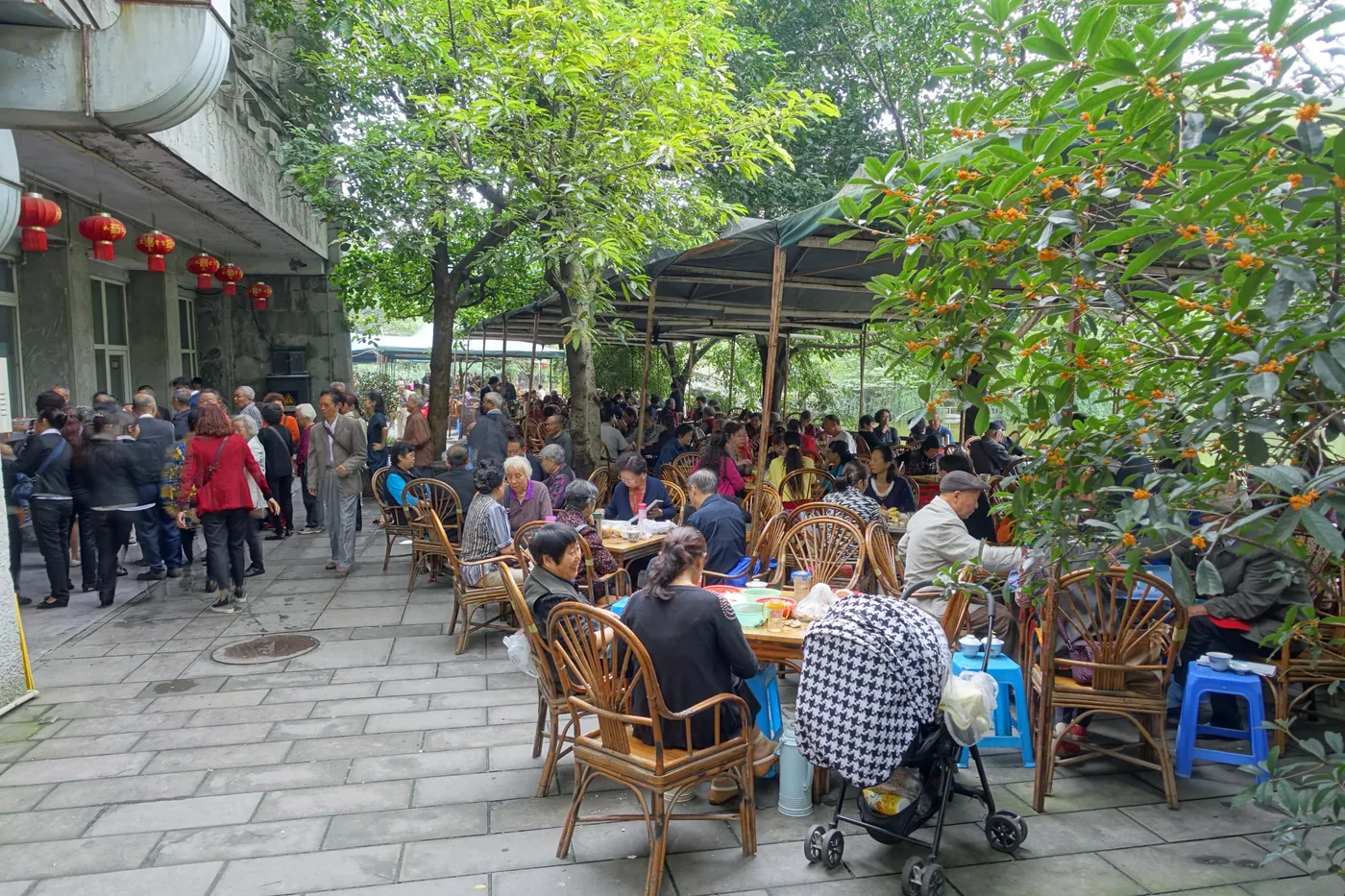
Chengdu works best as a three- or four-day stop: start early at the panda base, explore historic lanes and temples at an easy pace, eat across Sichuan's wide range of flavors, and add one carefully chosen day trip if your schedule allows.
Spend three days in Chengdu, take a planned high-speed train to Chongqing, then use three days for the Yuzhong peninsula, a river or hillside route, and one museum or old-town option. Check current attraction notices, train stations, weather and reservation rules before fixing the details.
A practical comparison of Zhangjiajie, Jiuzhaigou and Huangshan for first-time visitors to China, focused on walking effort, altitude, transport, weather, crowds and trip length.
A spread-out nature destination in northern Guizhou known for red Danxia cliffs, bamboo forest and seasonal waterfalls, best explored by car or private driver over three unhurried days.
A southern Anhui pairing of Chizhou's Yangtze-side lakes and old lanes with the temple terraces and forest trails of Jiuhua Mountain, sacred to Ksitigarbha and best walked slowly over four days.
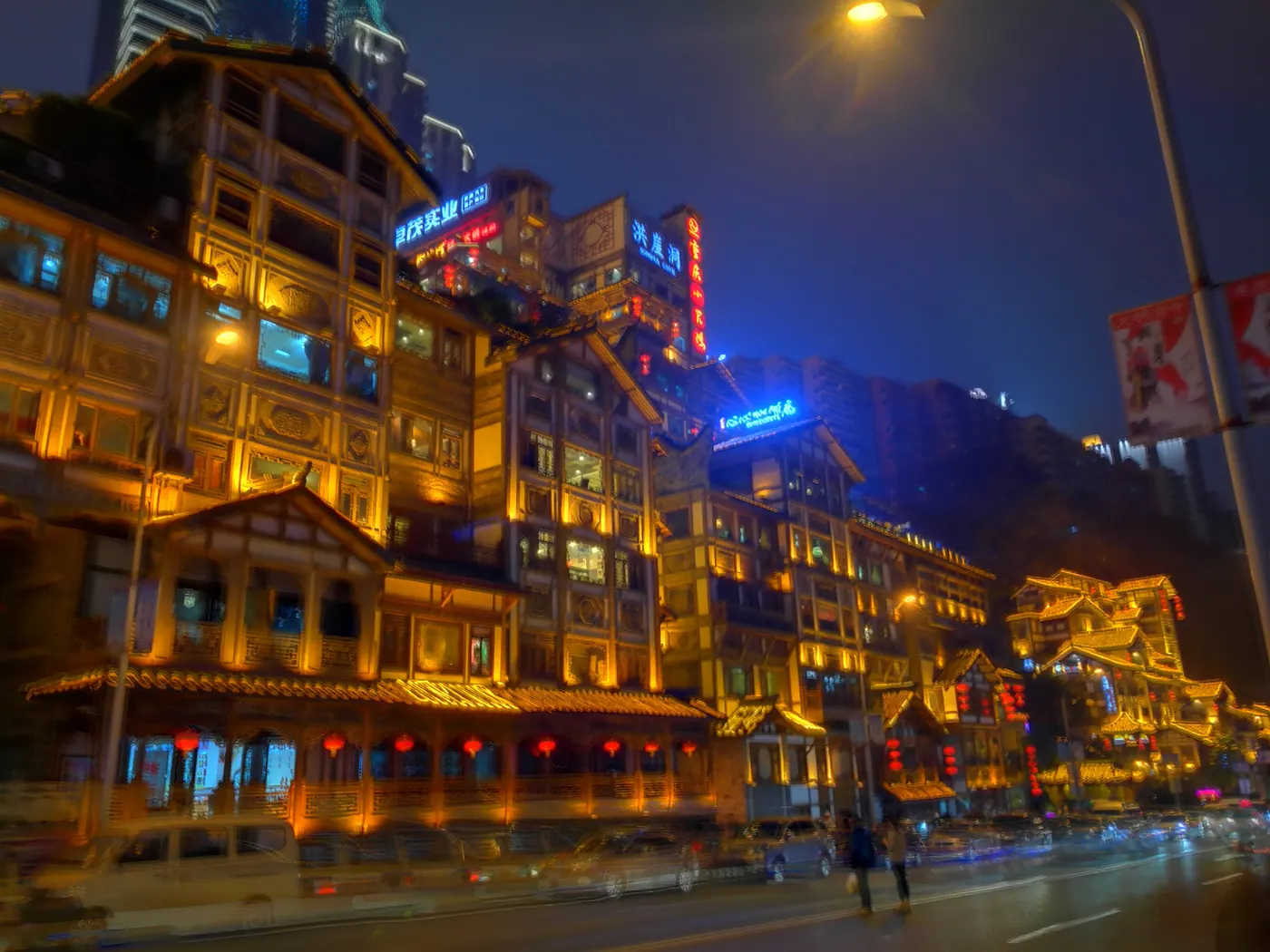
Spend day one around Jiefangbei, Shibati, and the Yuzhong riverfront; day two at Liziba and Eling before a Nan'an evening; and day three at a museum or Ciqikou. Stay near a metro station and verify which building entrance is on your arrival road. Check attraction notices and weather before each outdoor day.
A breezy peninsula city in Liaoning where coastal boardwalks, layered Russian and Japanese-era architecture and a serious seafood culture sit alongside a working harbor.
A Chinese border city on the Yalu River, pairing riverside memorials and wartime museums with cool northern mountains and hearty northeastern and Korean-Chinese food.
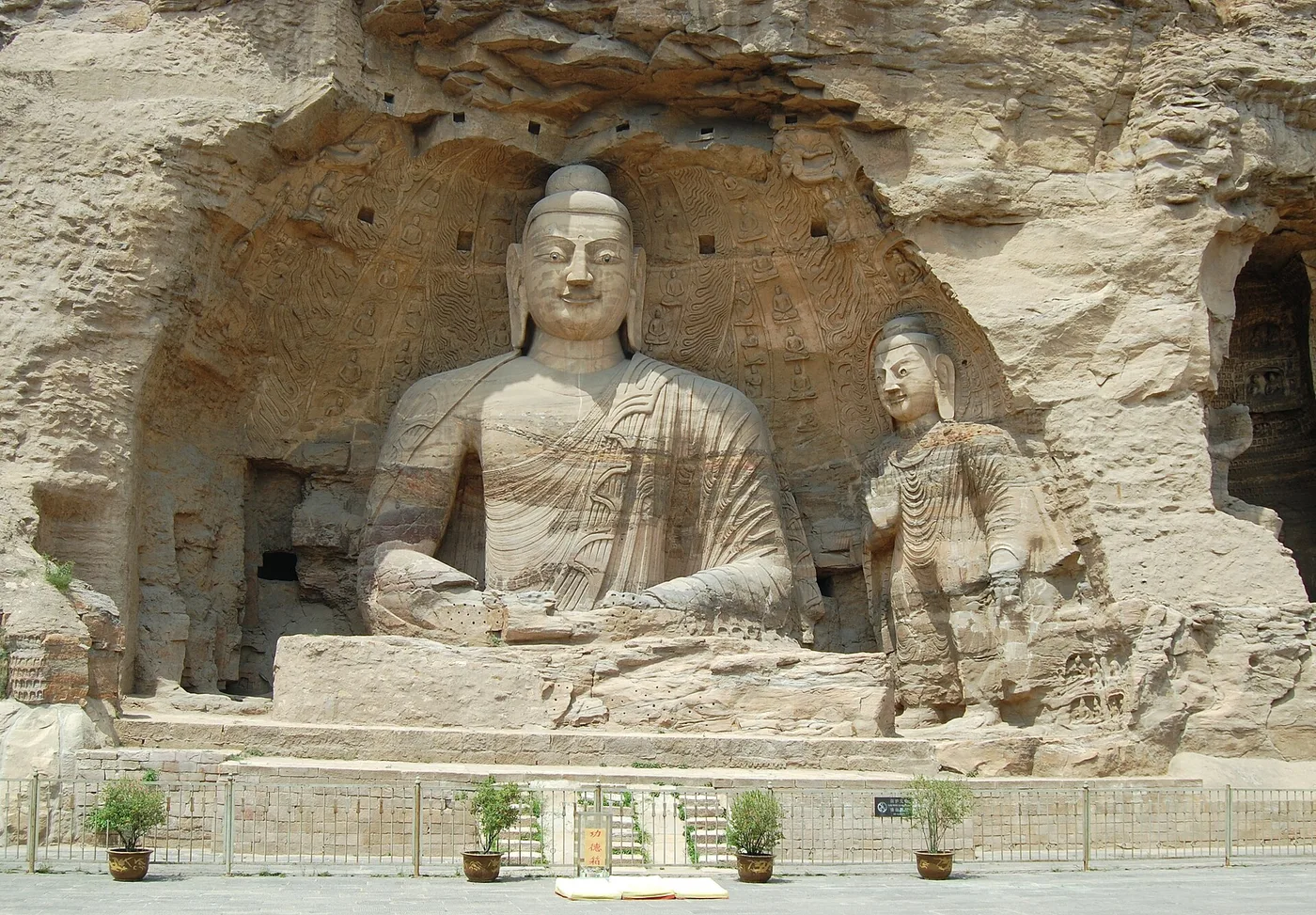
Base in Datong for the old city and Yungang, then plan Hunyuan and Yingxian as separate out-of-town days. Verify attraction access, official ticket rules, rail stations, and the final road transfer before fixing departure times.
A mountain prefecture in western Hubei known for karst canyons, enormous cave systems and Tujia cultural heritage — best explored slowly from Enshi city as a base.
Two riverside old towns in western Hunan — Fenghuang's stilt houses and lit-up Tuojiang waterfront, Furong's waterfall and compact wooden streets — best visited slowly, early in the day and with realistic expectations.
A Pearl River Delta city break built around Foshan's food, craft, opera and kung fu heritage, with practical links to Guangzhou.
Spend two nights in Xiamen, one or two in Quanzhou, then visit one Tulou cluster in Nanjing County or Yongding. Confirm ferry terminals, train stations, local transfers, weather alerts, and site entry rules close to travel.
A subtropical river city in southeast China, known for its banyan-shaded streets, the Three Lanes and Seven Alleys historic quarter, jasmine tea, and a distinctive Min cuisine.
Base yourself near a metro station in central Guangzhou, spend the first day in Liwan and the old city, use day two for Yuexiu and a serious Cantonese food crawl, then finish with Zhujiang New Town and the Pearl River. Grouping sights by neighborhood keeps the route comfortable in a large, humid city.
Stay one night in Guilin and two in Yangshuo for this four-day route, adding a night if you arrive late or need a departure buffer. Compare Li River cruise piers carefully, and remember that Yangshuo railway station is near Xingping, not the town center. Keep a rain plan for every outdoor day.
Begin and finish in Guiyang, visit Huangguoshu, continue to Libo for Xiaoqikong, and end at Xijiang before returning. Confirm rail tickets, scenic-area reservations, shuttle routes, road weather, and village accommodation before each transfer.
Hainan's northern capital: qilou arcade streets, island coffee and food, a strong provincial museum, and volcanic hills just outside the city — best explored slowly and on foot.
Use Haikou for history and food, Wanning for a quieter coastal middle section, and Sanya for a final resort or family base. Confirm rail tickets, airport connections, hotel locations, sea conditions, water-activity operations, and attraction notices within 24 to 48 hours of each outing.
An eastern Xinjiang oasis city with Silk Road royal tombs, melon-growing farmland, nearby yardang badlands and the cooler grasslands of Barkol county — best explored as a compact four-day base with a hired driver for the desert days.
Base yourself near West Lake or a convenient metro line, use the first day for the lake and old city, reserve the second for Longjing tea country and Lingyin Temple, then explore the Grand Canal or a flexible neighborhood on day three. Grouping each day by area keeps Hangzhou calm and practical.
Hangzhou, the lakeside city of Longjing green tea, and Wuyishan, the Fujian mountain town behind rock oolong, sit roughly a day apart by high-speed rail. Together they form one of China's most rewarding short tea routes for curious travellers.
A fertile river basin in southwest Shaanxi framed by the Qinling and Daba mountains, known as the cradle of the Han dynasty name and now a quiet region of tea hills, blossom fields and Han-era heritage sites.
Stay in Harbin for two city nights, travel to Yabuli or a verified Snow Town transfer for two nights, then return to Harbin for a final buffer. Check attraction opening dates, rail tickets, road conditions, clothing needs, and daylight hours close to travel.
A remote northern Chinese border city on the Amur River, facing Russia — best for river landscapes, frontier history at Aihui and unhurried, unpolished city life.
Hohhot, the capital of Inner Mongolia, and Ordos to its south form a compact first taste of the region: monastery courtyards and museum halls in the city, then grassland and desert within a few hours' drive. It is a route about contrast rather than coverage.
Arrive at Tangkou near Huangshan's South Gate, climb by an officially open route, stay overnight on the mountain, then descend with time for a lowland stop or recovery. Confirm tickets, shuttle buses, cableways, trails, and weather notices before each leg.
A grassland-and-forest region in northeast China, best experienced by road with a private driver or small group, linking Hailar, the Argun border towns and the northern forest districts.
China's vast northern autonomous region, reached most easily through Hohhot: grassland, desert edge, dairy-heavy food and strong Mongolian cultural identity within a workable five-day loop.
A lived-in heritage town in southern Yunnan, known for its walled old quarter, Confucian temple, merchant courtyards, metre-gauge railway heritage, purple pottery and well-water tofu.
A mid-sized city on the Songhua River in Jilin Province, known for winter rime ice along its riverbanks, a strong food culture and an unhurried, genuinely local atmosphere.
Jinan and Qufu sit on the same high-speed rail corridor in Shandong, eastern China. Jinan offers artesian springs, lakeside parks and a lively old commercial core; Qufu holds the Temple, Cemetery and Family Mansion of Confucius, a UNESCO-listed heritage landscape still active as a place of respect and ceremony.
China's long-standing porcelain capital, where historic kiln sites, serious museum collections and a dense contemporary studio scene sit within a compact, spread-out city in Jiangxi.
A forested mountain region on the Jiangxi–Hunan border, known as the cradle of China's rural revolution and equally rewarding for misty ridgelines, waterfall gorges and Hakka-influenced villages.
Travel from Chengdu to the Jiuzhai Huanglong station area, acclimatize before a full park day, visit Jiuzhaigou, then use a flexible Huanglong day before returning. Confirm tickets, park buses, cableway status, road conditions, and altitude advice on official channels.
A layered former imperial capital in central China's Henan province, best known for its Northern Song heritage, reconstructed Song-era attractions, low-rise old-city lanes and a deeply regional food culture.
Kashgar is an oasis city at the western edge of China, long a meeting point of trade routes and cultures. Its old city lanes, food culture and craft traditions make it one of the country's most distinctive destinations — best visited slowly and with respect for the community that lives there.
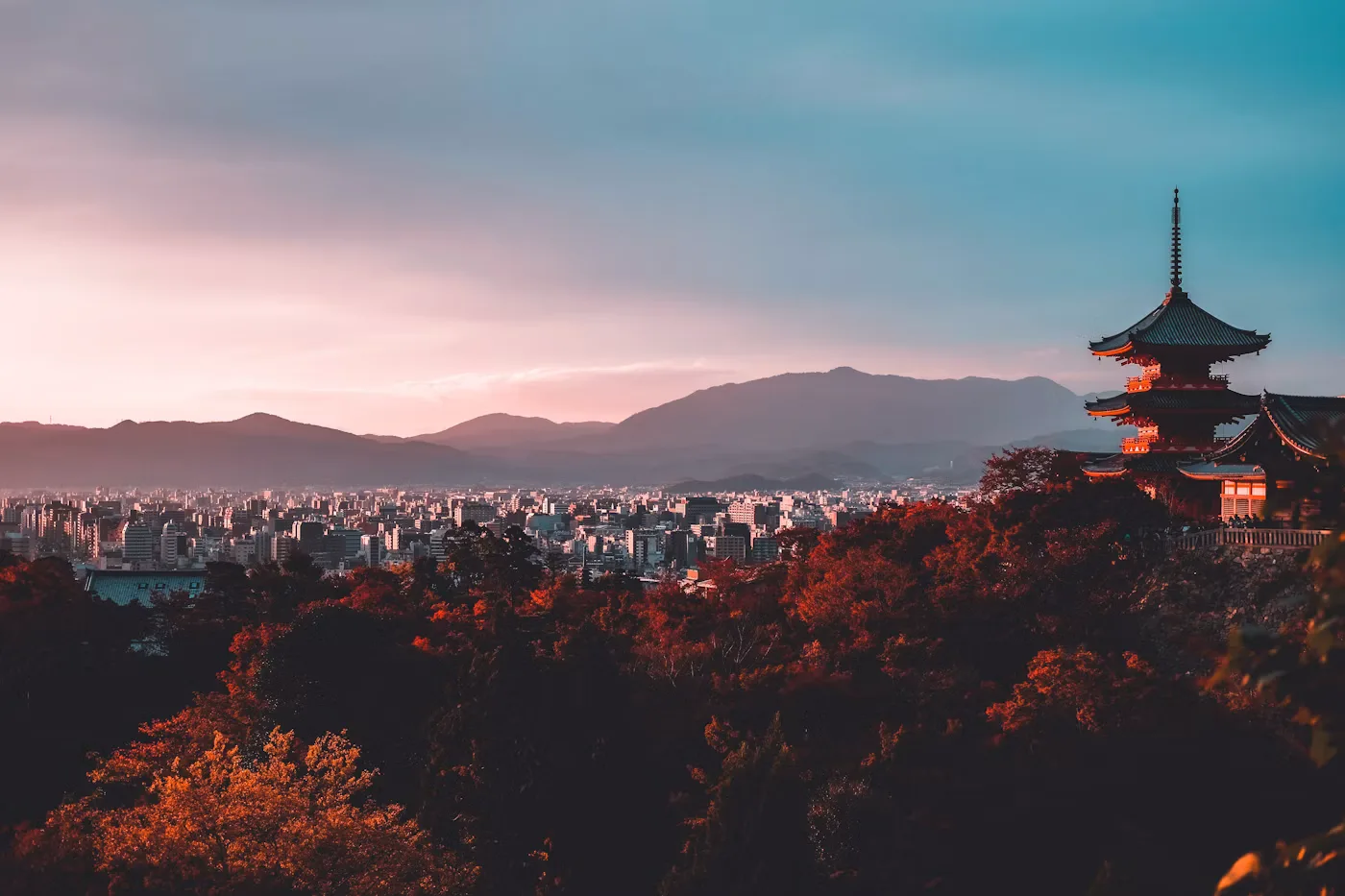
Kyoto is rewarding year-round, but spring blossoms, summer festivals, autumn foliage, and quieter winter days create very different planning conditions.
Southern Sichuan's most satisfying pairing: a riverside town with a monumental cliff-carved Buddha, an hour or so from a forested Buddhist mountain rising just over 3,000 metres.
Lhasa is the spiritual heart of Tibet, a high-altitude city of whitewashed lanes, butter-lamp-lit chapels and pilgrim circuits that circle the Jokhang while the Potala Palace watches from above.
Linhai is the historic inland face of Taizhou prefecture in Zhejiang: an ancient wall, a lived-in old street and a lake at the centre. The coast around Jiaojiang and Sanmen Bay supplies the seafood, the harbours and the salt air.
Lisbon offers atmospheric historic quarters and practical modern hotel districts, with the right choice depending on hills, transport, nightlife, and preferred evening pace.
A mountainous prefecture in southern Zhejiang known for ink-wash villages, rice terraces, river valleys and quiet rural roads, best explored slowly from one or two bases.
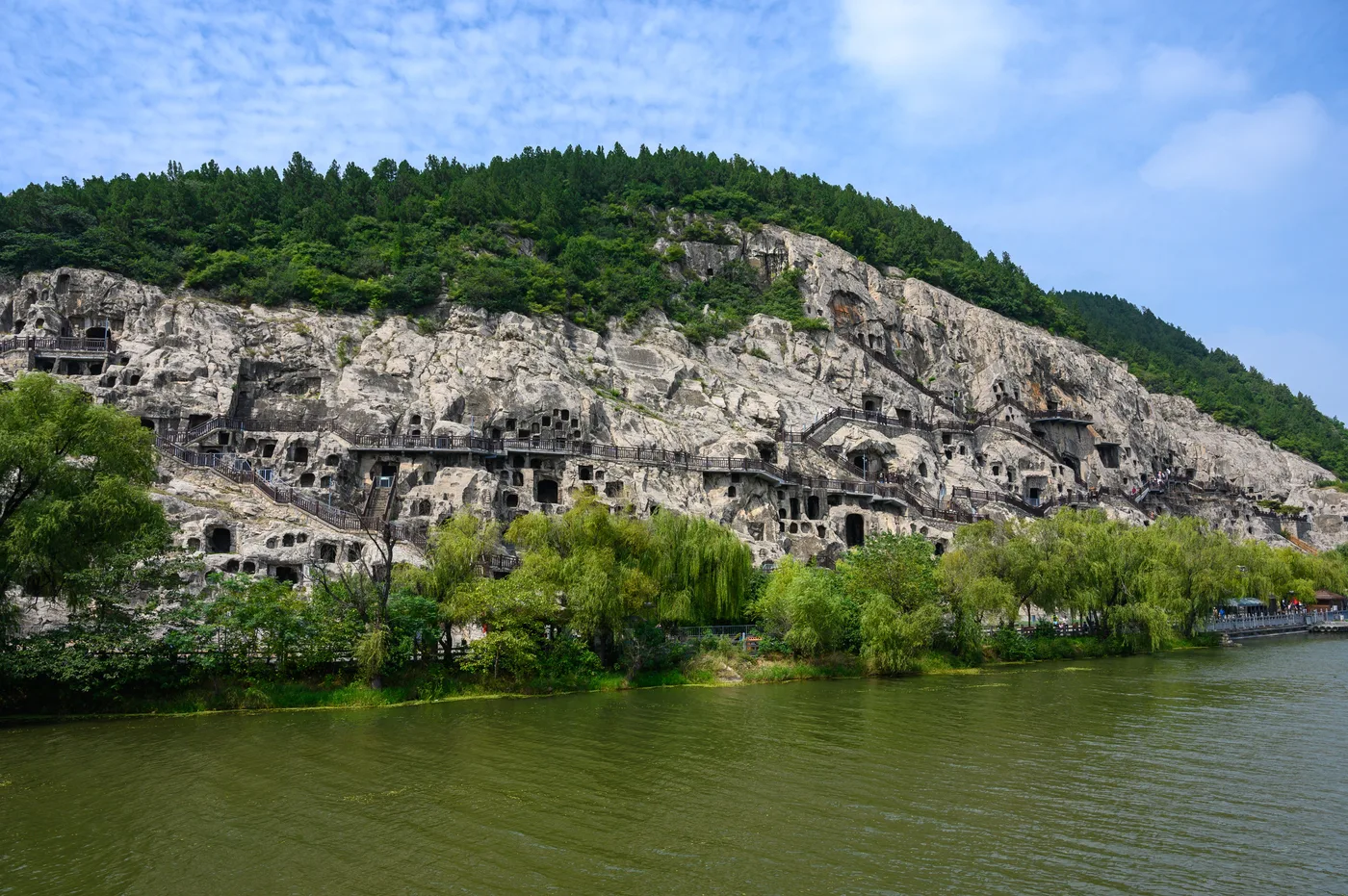
Use Luoyang as a three-cluster trip: Longmen Grottoes on day one, White Horse Temple plus a nearby museum or heritage area on day two, and the old city on day three. Check every venue's current ticket, entry and transport information before fixing the sequence.
A UNESCO-listed mountain with a strange, beautiful resort town on its ridge, paired with a Yangtze river port and the flat lake country of Poyang.
A Hakka cultural heartland in northeastern Guangdong, best explored as a short loop of city museums, ancestral villages, earthen architecture and tea hills, with some of southern China's most satisfying home-style food.
A UNESCO-listed granite mountain landscape in Jiangxi, laced with cliff walkways and stair-heavy trails, reached by cable car from a gateway base and best walked across two full days with a weather buffer.
A massif in western Sichuan's Qionglai range, with three developed valleys, boardwalk and gravel trails, and the small base town of Rilong sitting above 3,000 metres.
One of China's four great Buddhist mountains, Mount Wutai pairs dense temple architecture in the Taihuai basin with high, wind-scoured peaks — a place of pilgrimage first, a travel destination second.
Jiangxi's capital is a relaxed river city of reconstructed towers, strong regional museums and some of China's most underrated home cooking — ideal for a short, low-pressure stop between bigger-name stops in eastern China.
Stay near a metro station in central Nanjing, use day one for the eastern historic axis, day two for the wall and old city, and day three for museums, the former presidential district, and Qinhuai River. Verify official opening hours, identity-linked reservations, and current memorial-site guidance before traveling.
Nanning is Guangxi's green, subtropical capital and the practical hub for western Guangxi; Detian Waterfall, in Daxin County near the Vietnam border, is a wide, tiered cascade set in limestone scenery. Together they make a compact four-day nature-and-food route.
A canal town in Huzhou prefecture, northern Zhejiang, known for silk-merchant residences, classical gardens, a celebrated library and a lived-in old quarter that rewards slow, early and late walking.
A two-city itinerary in Zhejiang province, eastern China, combining Ningbo's maritime heritage and seafood culture with Shaoxing's waterways, stone bridges, literary sites and yellow wine traditions.
A short Fujian route using Ningde as a base for Taimu Mountain, coastal viewpoints, seafood and practical granite-path planning.
A forested corner of southeastern Tibet where the Yarlung Tsangpo cuts between green mountains, peach orchards and glaciated peaks. Best explored by road, with a driver-guide, a flexible day in reserve and a healthy respect for distance.
Paris food culture is easiest to enjoy when travelers understand the roles of bakeries, cafes, markets, and restaurants, then plan meals around local hours.
A windswept granite island off China's Fujian coast, known for sea-eroded rock formations, wide beaches and tightly packed stone villages.
A UNESCO-listed walled city in central Shanxi, known for its Ming and Qing courtyard architecture, its role as a merchant-banking hub, and a compact, walkable core within a complete circuit of city walls.
Southern Yunnan's tea heartland: a low-key prefectural capital built on the leaf trade, and Jingmai Mountain, a UNESCO-listed cultural landscape of ancient tea forests and living villages reached by a long, twisting mountain road.
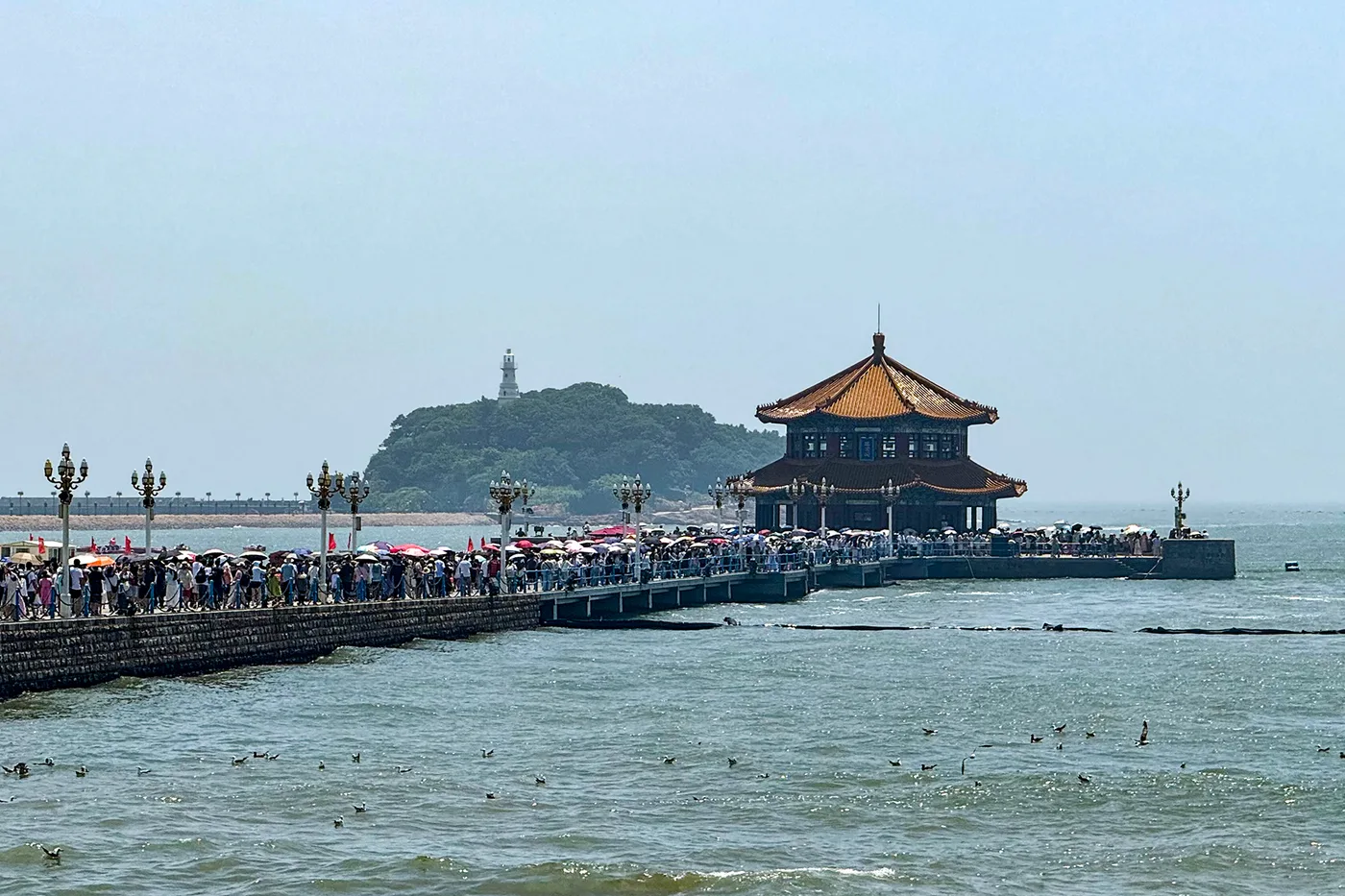
Stay near the side of the city that matches your arrival and departure station. Keep old town and the coast together, choose only one currently accessible Laoshan area, and use the beer museum or a city walk as a weather-friendly alternative.
Qingyuan and Yingde sit in northern Guangdong, roughly 30 to 60 minutes apart on the same high-speed rail corridor. Expect karst river gorges, cave landscapes, hot springs and rolling tea country, best explored as a short rural loop from Guangzhou.
A historic Fujian port city where maritime Silk Road heritage, a remarkable mix of religious sites, walkable old lanes and one of China's most underrated street-food scenes sit within a compact, lived-in old town.
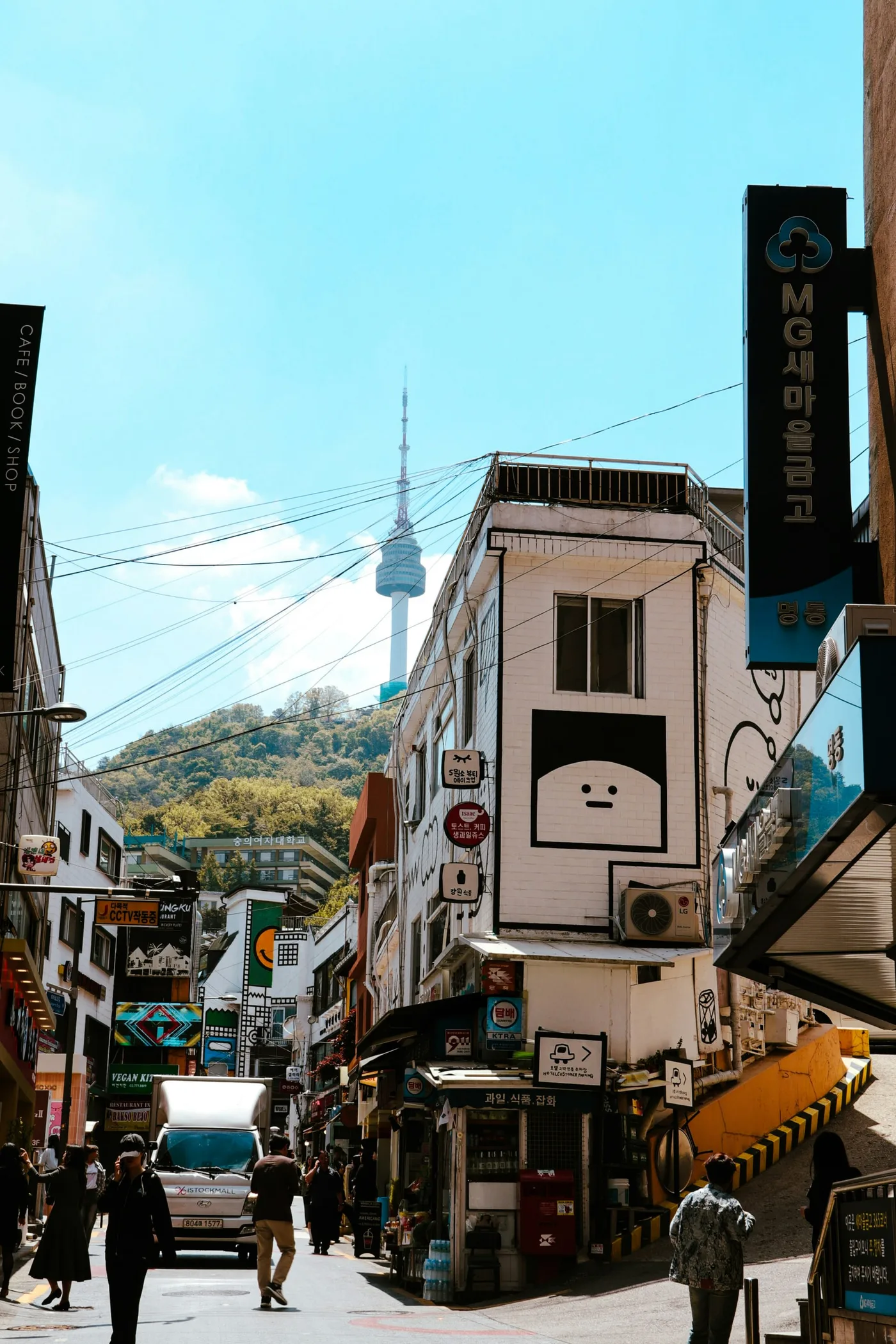
A sprawling, layered capital where Joseon-era palaces, design-forward neighborhoods, and one of the world's best cafe scenes sit within a few subway stops of each other.
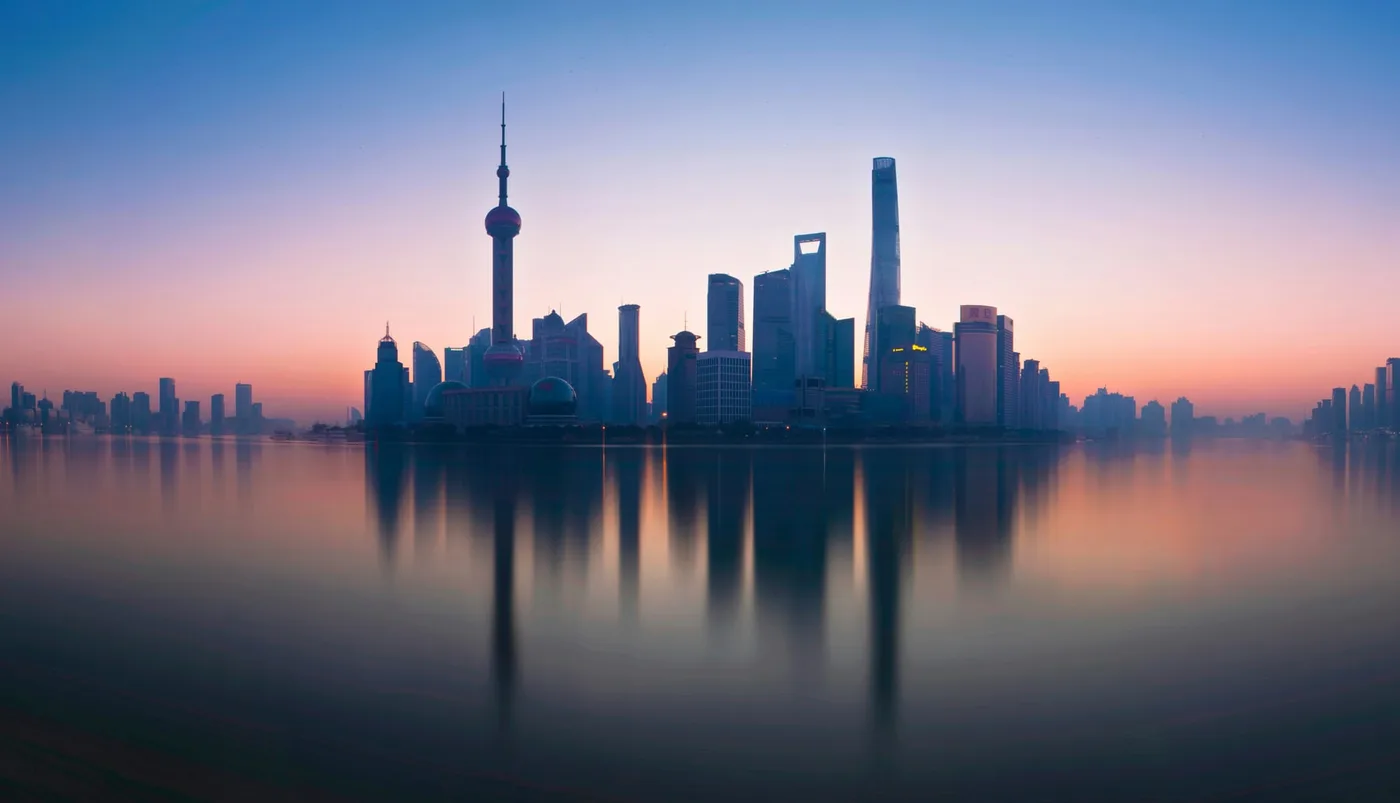
Base yourself near a metro interchange, group sights by riverbank or neighborhood, and reserve only the attractions that need timed entry. Four days can cover the Bund, Pudong, the French Concession, a strong food circuit, and one flexible final day without making every hour a transfer.
Use two days in Shanghai, two in Hangzhou and three in Suzhou. Group each day by district, reserve popular venues through current official channels, and keep one indoor alternative for rain.
Shangri-La is the gateway to Diqing Tibetan Autonomous Prefecture in northwest Yunnan, a high plateau region of monastery towns, barley fields, alpine lakes and snow-dusted ranges. It rewards travellers who build in rest, accept variable weather and treat Tibetan cultural sites as living places rather than backdrops.
Southern Tibet's Yarlung Valley, based around Tsetang, where early Tibetan palaces, monasteries and royal burial grounds sit among river terraces and barley fields — a high-altitude heritage region best visited slowly and with a local guide.
A manageable three-day route in northern Guangdong, linking the red sandstone cliffs of Danxia Mountain with Shaoguan's riverfront city, Hakka-influenced cooking and quiet rural roads.
Base yourself near a metro interchange in Futian, Luohu, or Nanshan, use day one for the central civic district, day two for Nanshan and the coast, and day three for a creative or historic neighborhood. Treat a Hong Kong crossing as a separate half-day with verified documents and border timing.
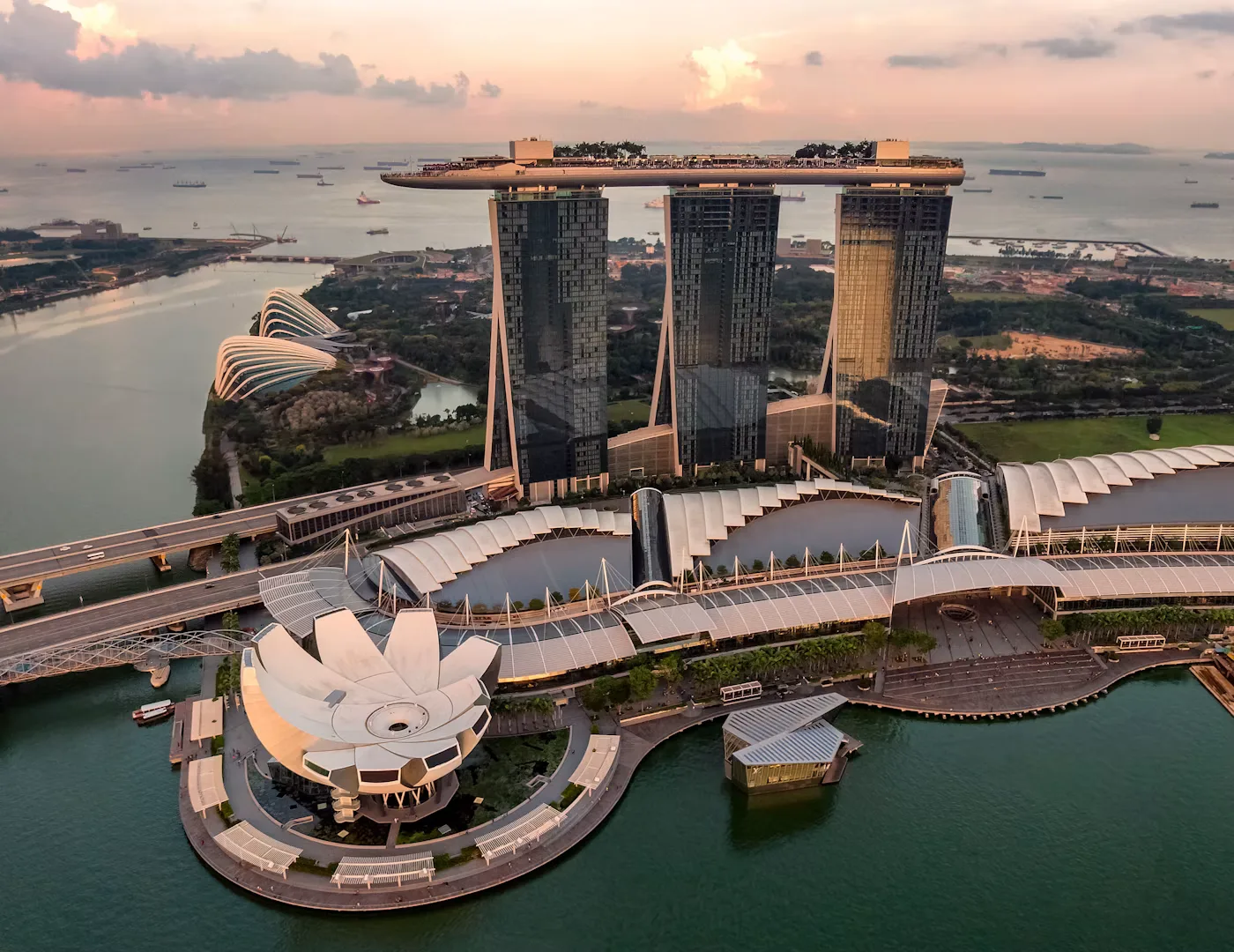
Singapore fits a three-day itinerary when visitors group Marina Bay, heritage neighborhoods, food centres, and garden attractions while leaving room for heat and rain.
Stay near the old city, group one or two gardens with Pingjiang Road, reserve the Suzhou Museum if available, then choose either Zhouzhuang or Tongli on day three. Verify garden hours, timed entry, rail tickets, and water-town transport before departure.
A low-key northern Chinese capital on the Fen River, known for the Shanxi Museum, the historic Jin Temple, wheat-and-oat noodle cooking and long-aged vinegar — and for its rail links to Pingyao and Datong.
A highland corner of western Yunnan where dormant volcanoes, steaming geothermal valleys, a jade-trading old town and Second World War history sit within an hour of one another.
Use one day for Five Great Avenues, one for Italian Style Town and the Haihe around the old city, and one for a flexible museum, waterfront or Binhai plan. Check each venue's current opening and reservation information instead of relying on fixed schedules.
Tokyo works best for a first visit when travelers group nearby neighborhoods, choose a rail-connected base, and leave realistic time for transfers, queues, and meals.
A two-base Xinjiang itinerary linking Urumqi's urban and museum culture with Turpan's Silk Road ruins, karez irrigation and vineyard oases — best done in late spring or autumn, with flexibility built in.
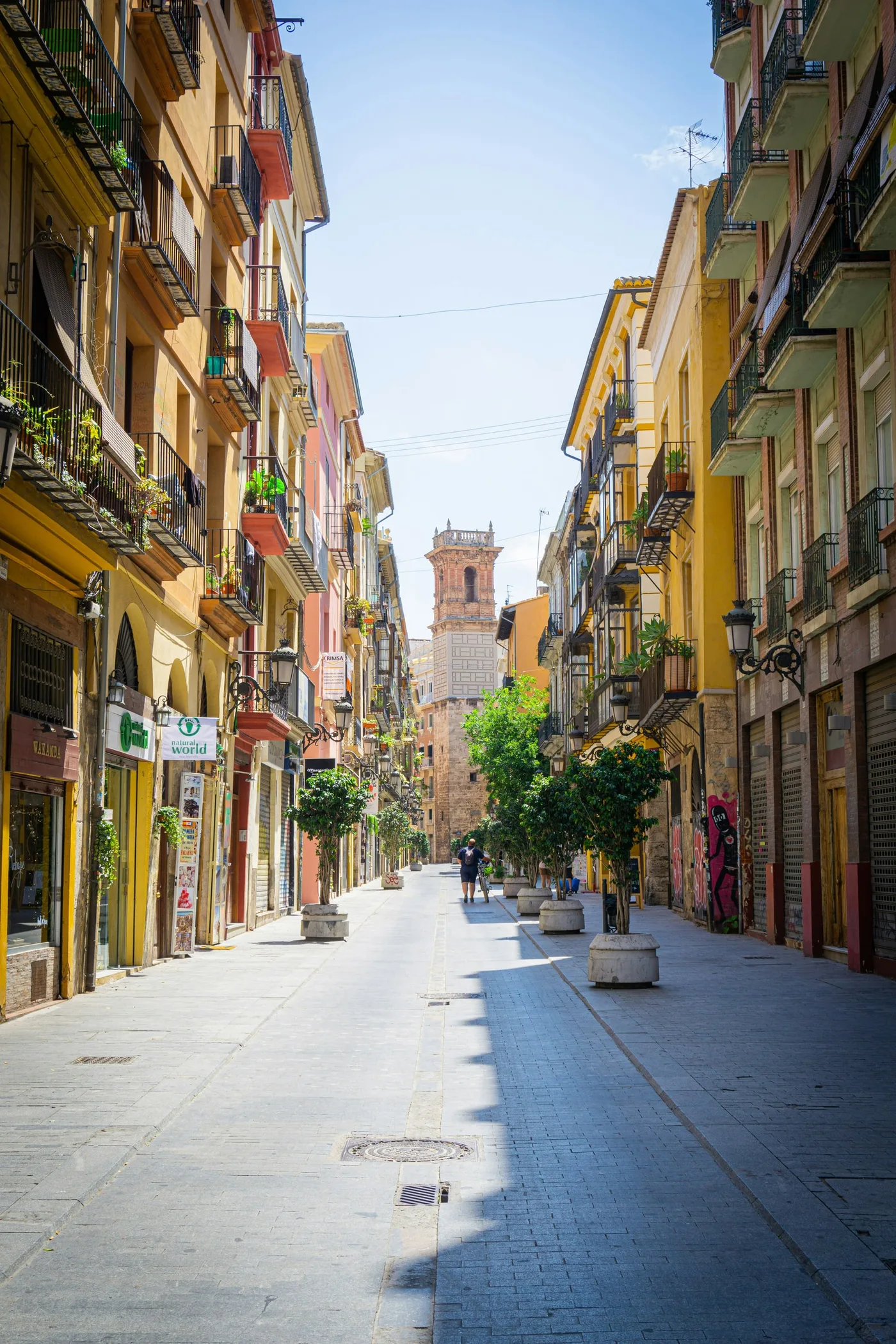
A Mediterranean city where a handsome old town, a reinvented riverbed, and a long urban beach sit within easy walking distance of each other — with some of Spain's most distinctive rice cooking as the through-line.
Base yourself on the side of the river that best matches your first and last days. Keep Yellow Crane Tower in Wuchang, Hubei Provincial Museum plus one East Lake area, and Hankou's historic neighborhoods in separate daily clusters. Verify transit, entry rules and venue notices for your exact dates.
A calm Jiangnan city of lake views, classical gardens and canal neighborhoods, well connected by high-speed rail and best explored slowly over three days.
A UNESCO-listed landscape of red sandstone peaks, river bends and tea terraces in northern Fujian, best explored over three unhurried days of rafting, walking and tasting.
A hilly county in northeastern Jiangxi, Wuyuan holds hundreds of Huizhou-style villages — whitewashed walls, dark tiles and stepped gables — set among tea slopes, rivers and terraced fields. It rewards slow travel and a car, not a checklist.
A classic Jiangnan water town in Zhejiang's Jiaxing prefecture, best seen slowly over two days with rail connections from Shanghai and Hangzhou.
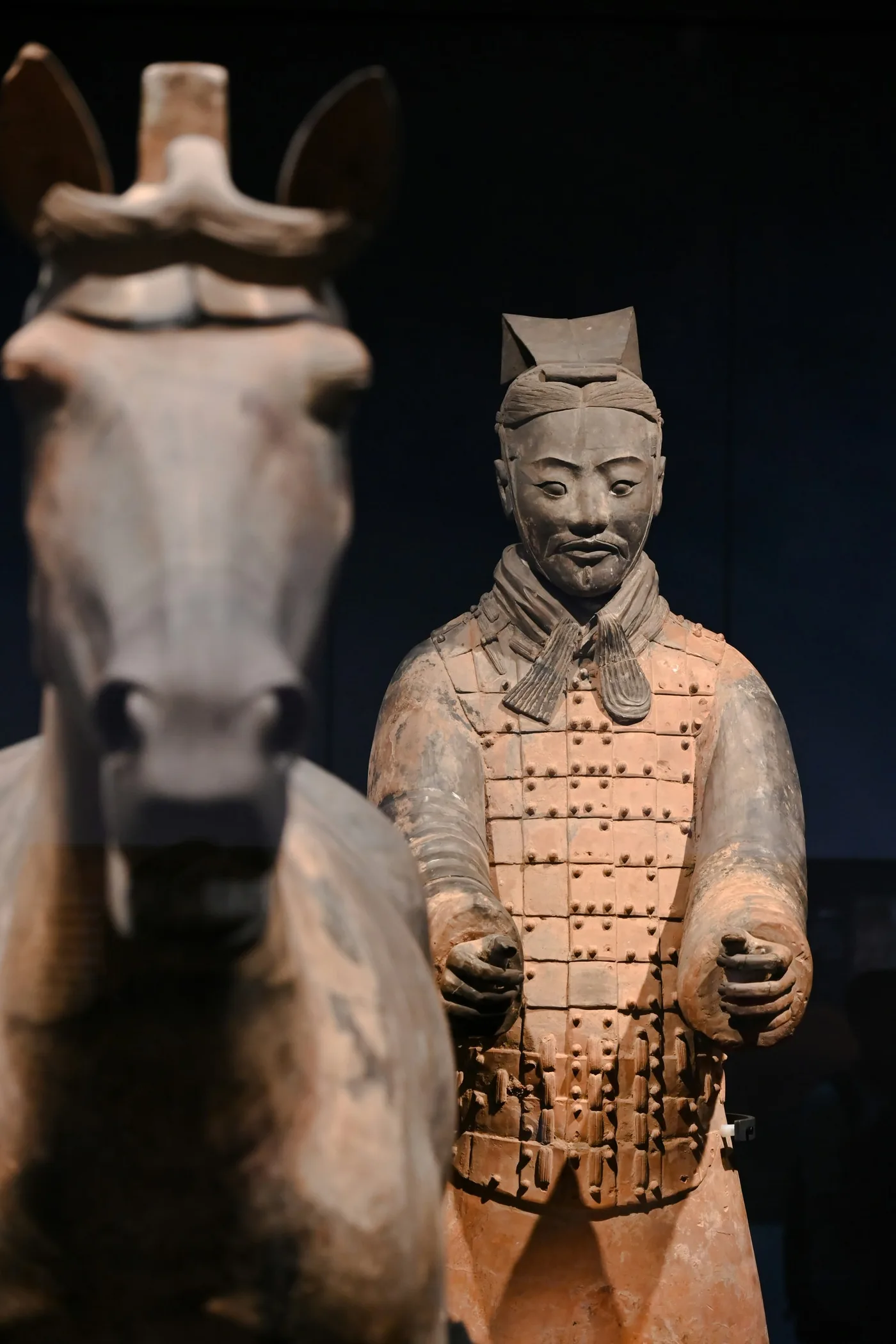
Give the Terracotta Warriors a full half or full day, walk or cycle the City Wall when temperatures are comfortable, and leave several meals for hand-pulled noodles, roujiamo, biangbiang noodles, and other local specialties. Stay inside or close to the old city if you want evening walks and simple transport.
Begin in Xi'an, move west by rail through Lanzhou, Zhangye, and Jiayuguan, then spend two nights around Dunhuang. Search every train on 12306 for your exact date, reserve Mogao Caves through the official portal, and keep desert excursions flexible for wind, sand, cold, and road conditions.
A harbour city in southern Fujian where UNESCO-listed Gulangyu, arcaded old streets, temple courtyards and a long seafront boardwalk sit within a short ride of each other — best explored slowly, and best eaten with a pot of tea nearby.
Qinghai Lake sits on the Tibetan Plateau at roughly 3,200 metres, west of Xining in China's Qinghai province. Grassland, wetlands, prayer flags and nomadic pasture wrap around a vast brackish inland sea, with the provincial capital serving as the natural gateway and acclimatisation base.
A tropical prefecture in southern Yunnan, bordering Laos and Myanmar, known for Dai culture, Theravada Buddhist temples, rainforest, rubber and tea country, and a food scene built on herbs, lemongrass and the grill.
A rail-junction city in northern Jiangsu with exceptional Han-dynasty tombs, a handsome lake-and-mountain park system, and a hearty wheat-based food culture that feels closer to Shandong than to the Yangtze Delta.
Ya'an sits in western Sichuan about two hours from Chengdu, known for its rain-fed tea hills, the tea-horse trade heritage of Mengding Mountain, and the forested valleys of Bifengxia, which shelters a giant panda conservation base.
A granite landscape of cliff faces, narrow gorges and seasonal waterfalls in Yueqing, northern Wenzhou, best explored as a series of separate scenic valleys connected by road rather than a single continuous trail.
A water-shaped city in Jiangsu known for Slender West Lake, classical gardens, canal-side lanes and Huaiyang cuisine — ideal for slow walkers and food-first travellers.
A pair of northern Chinese port cities on the Shandong Peninsula, linked by high-speed rail and best explored on foot, by taxi and by promenade. Expect harbour history, seafood, brisk sea air and a calm, unhurried coastal rhythm.
A Hubei river city where the Yangtze narrows into Xiling Gorge, pairing dam-scale engineering and cruises with quieter tributary valleys and Tujia hill villages.
Yinchuan, the capital of the Ningxia Hui Autonomous Region, sits on a fertile plain between the Helan Mountains and the Yellow River, with desert and dune country to the south. It is a region of layered history — Tangut, Han, Hui and Silk Road — best explored by car or arranged transfer rather than by hoping for frequent public transport.
Yueyang pairs one of southern China's great historic towers with the vast, shifting wetlands of Dongting Lake and the tea-growing island of Junshan. It is a compact, walkable city with fast rail links to Changsha and Wuhan, making it an easy cultural and culinary add-on rather than a dedicated expedition.
Start in Kunming, spend two nights around Dali and two or three nights in Lijiang, then use the final day for a departure buffer. Book trains and time-sensitive mountain attractions only after checking the current schedule, weather, and passport requirements.
Use Wulingyuan as the base for three park days, then visit Tianmen Mountain from Zhangjiajie city on the final day. Check current ticket products, weather, and operating notices every morning because shuttle routes, cable cars, and timed entry can change.
Two Gansu stops on the old Silk Road corridor: Zhangye for Danxia landforms, canyon country and oasis heritage, and Jiayuguan for the Ming-era frontier fort and Great Wall outposts set against bare desert hills. Best done by high-speed rail in a single loop from Lanzhou or as a segment of a longer Hexi Corridor journey.
A coastal corner of western Guangdong known for its bay-side city, French colonial architecture, basalt country, stone-dog folk art and abundant seafood.
A compact Southeast Guizhou route centered on Zhaoxing Dong Village, with practical time for village etiquette, nearby terraces, mountain roads and the realities of rural transport.
A southern China coastal break with waterfront parks, island choices, seafood and practical transport links to Guangzhou, Shenzhen and Macau.
Zigong and Yibin form a natural pairing in southern Sichuan — a salt-and-lantern town with industrial memory, followed by a river city where bamboo forests, tea houses and punchy local cooking reward slow, unhurried exploration.