Why Four Days Works for Leshan and Mount Emei
Leshan and Mount Emei sit roughly an hour apart by high-speed rail in southern Sichuan, which makes them the most natural pairing in the province. Leshan is a working river town built around a Buddha carved into a cliff where three rivers meet; Emei is a forested sacred mountain rising to just over 3,000 metres, with temples scattered from the gate to the summit. Four days gives you a gentle first act in Leshan, a full mountain day, and enough slack for weather that refuses to cooperate.
This route assumes you arrive from Chengdu, base yourself in Leshan first, and finish at the mountain so your last morning is not a scramble for a train. Spring and autumn are the sweet spots: milder temperatures, greener forest and better odds of a clear summit. Summer brings heat, heavy rain and school-holiday crowds, while winter can put ice on the upper steps. Treat the plan as a frame rather than a timetable, and leave one afternoon deliberately empty.
Leshan: Three Ways to Meet the Giant Buddha
The Buddha is carved into a cliff face above the river confluence, and there are three quite different ways to see it. The scenic-area walk is the closest thing to a pilgrimage: you enter the park, follow stone paths through temple courtyards, and descend a narrow staircase that runs alongside the statue itself. It is steep, it is slow, and on busy days the queue for that descent can consume an hour or more of your morning.
The riverbank viewpoint and the boat option suit a different mood. Standing on the shore gives you the full head-to-toe silhouette in a fraction of the time, with no stairs at all; a boat puts you out on the water for the classic frontal view. Many travelers now combine a boat or riverside stop with one temple visit and skip the cliff staircase entirely. Ticket combinations, boat operating conditions and any temporary closure of the stair route change from season to season, so confirm them with official operators before you commit to a plan.
Moving Between Leshan and Mount Emei
High-speed trains link Chengdu, Leshan and the Emei Mountain area, and the hop between the two towns is short and easy. Station locations, departure times and seat availability shift with the season and with demand, so check schedules through an official rail channel a week ahead and again once you arrive. Local buses and taxis connect the stations with the scenic-area entrances; distances are modest, but traffic near the Buddha park can crawl on holidays.
On Emei, the mountain handles most of the logistics for you. A scenic-area shuttle system moves visitors between the gate, the town at the foot, temple trailheads and the upper transfer points, and tickets are sold in a few different forms depending on how far you intend to go. Decide whether you want the low mountain or the summit before you queue. Luggage is the usual friction point: most people leave bags at their hotel or a station storage counter rather than hauling them up stairs.
A Mountain Day on Emei: Cable Cars, Stairs, Weather and Altitude
A summit day usually means a shuttle, a cable car, then a final flight of steps to the Golden Summit. Add Wannian Temple and you are looking at a second cable car and a longer staircase through the forest. Neither cable car removes all walking; both end in steps, and the upper sections can be wet, icy or crowded enough to reduce progress to a shuffle. Shoes with real grip, a warm layer and a light rain shell matter more here than any piece of gear you might buy for the trip.
The temperature on top can feel like a different season from the town below, and cloud frequently closes in without warning, which is part of the appeal. Just over 3,000 metres is high enough to leave some visitors light-headed or short of breath, so walk slowly, drink water and do not schedule anything demanding for the evening. The temples along the way are active places of worship rather than museums: keep voices low, dress modestly, and ask before photographing anyone at prayer.
Where to Sleep, and a Lighter Version of the Same Trip
In Leshan, an overnight near the old town or the riverside lets you eat well and reach the Buddha park early, before the tour groups arrive. On Emei you have three real choices: the town at the foot for convenience and easy transfers, a mid-mountain temple-stay area for quiet and proximity to the trails, or the summit for sunrise at the cost of thin air, cold nights and simple rooms. Book ahead during holidays and confirm that your property can help with shuttle timing and luggage storage.
If a full summit day is out of reach, the lower mountain is a genuinely good alternative rather than a consolation prize. The forest paths around the foot of the mountain and the river gorge near the lower temples deliver forest, water, temples and a manageable number of stairs, with cable cars covering the climbs. Travelers with limited mobility, young children or knee trouble can pair a Leshan boat trip with an easy temple morning and still feel they have seen both places. Wherever you go, verify current routes, closures and ticket rules with official operators before departure, because the details do move.
Planning links and cover photo source
For related planning, read Chengdu first-time guide, China attraction ticket guide, Getting around Chinese cities. Check each operator's current visitor notice before paying, because access, reservations, transport and weather procedures can change.
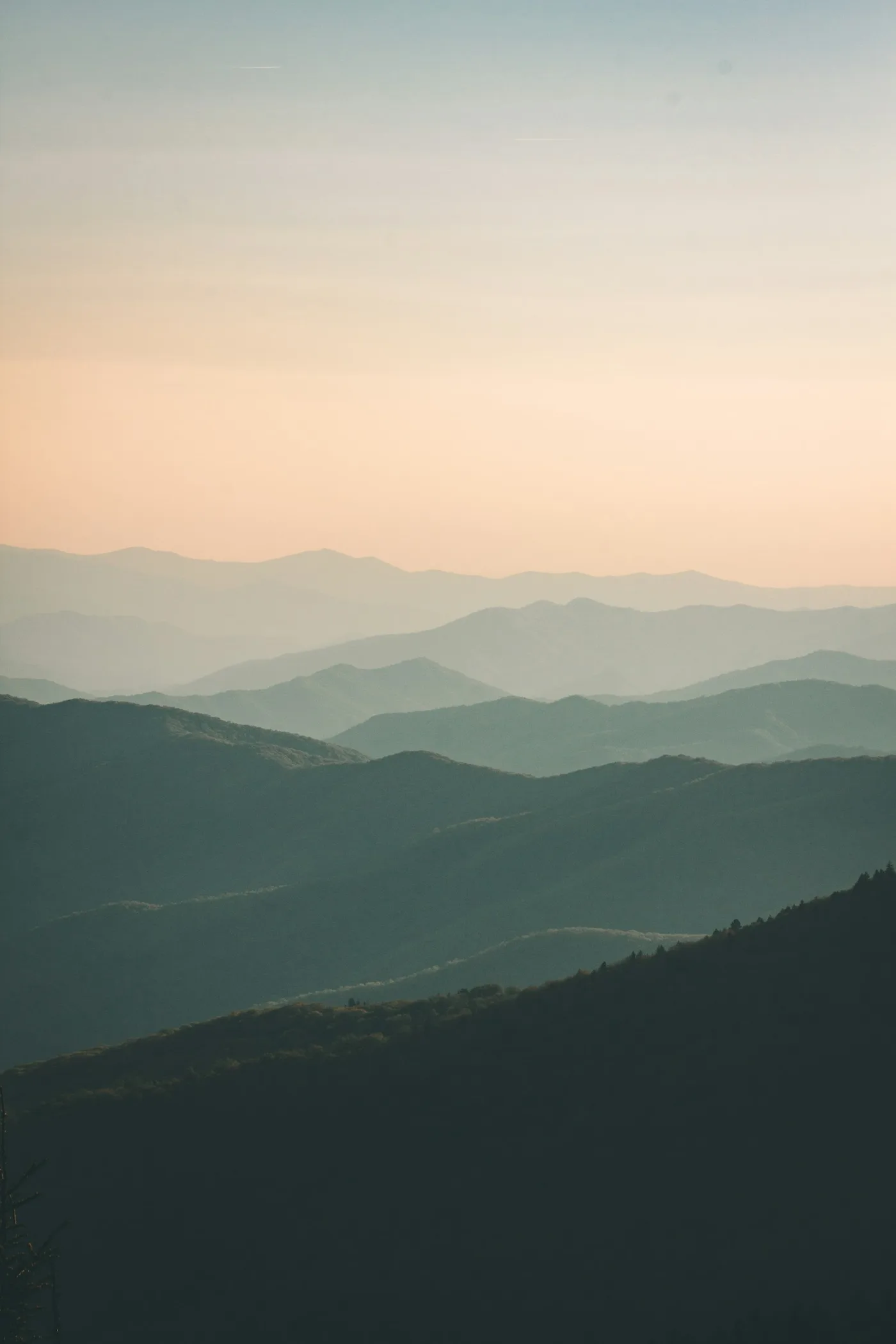
Cover photo: layered mountain ridges at dusk via Unsplash, used under the Unsplash License. This is a general mountain image, not a photograph of Mount Emei.


