Why Nanning Works as a Four-Day Base
Nanning rarely tops anyone's China wish list, which is precisely what makes it useful. As the capital of Guangxi, it has the airport, the high-speed rail connections and the hotel stock that a workable short itinerary needs, and its center is compact enough that a park, a market and dinner can sit comfortably in the same afternoon. If your goal is one good city day followed by one serious nature day, that practicality counts for more than postcard appeal.
The rhythm that works best is unglamorous: land, give Nanning a full day of eating and walking, then treat Detian as its own day rather than an add-on. Some travelers do attempt the waterfall as a same-day return from the city, but that leaves very little margin if you want to climb slowly, wait for better light, or cope with a wet-weather delay. Before booking anything, confirm current transport options, scenic-area reservation requirements and whether your hotel can arrange a driver — these details shift from season to season and should be checked close to departure rather than trusted to an old blog post.
A City Day of Green Parks, Riverside Evenings and Guangxi Flavors
Nanning is subtropical and genuinely leafy, and its public spaces are where people actually spend their evenings rather than tourist set pieces. Plan a loose loop: a wooded hill park in the morning while it is still cool, a long lunch, then the riverfront in the late afternoon when the heat lifts and families come out. The city's museums and exhibition halls are a sensible anchor if the weather turns, and they are also the easiest place to pick up context on Guangxi's ethnic makeup before you head toward the borderlands.
The food is the reason to give Nanning a real day. This is rice-noodle country, and the local style tends toward sour, savory and gently spiced rather than fiery — think breakfast noodles in a dark, faintly sour broth, sour preserved vegetables, herb-heavy plates and river fish. Evening markets are the low-risk entry point: walk a lap, see what locals are queueing for, and order by pointing. If you have dietary restrictions, learn the phrases for pork, shellfish and MSG-heavy broths, or ask your hotel to write them down in Chinese before you set out.
The Transfer to Detian: Using a Driver or an Organized Transfer
Detian sits in Daxin County, in Chongzuo prefecture, close to the Vietnamese border. It is a road journey of several hours from Nanning, and any specific figure you read online should be treated as an estimate — the route, the traffic and the number of stops all change the arithmetic. You have three realistic choices: a private driver arranged through your hotel, a small-group day tour, or self-driving if you are licensed and confident in Chinese road conditions. For most international visitors on a four-day trip, the private driver is the best balance of flexibility and simplicity.
Ask specific questions before you commit. Does pickup happen at your hotel door? Does the vehicle wait at the scenic area, or drop and return later? Is the return the same evening or the following morning? Can the driver help with ticket and shuttle arrangements on arrival, and will they communicate in a language you can manage? Carry your passport throughout — roads in border areas pass through checkpoints, and officials may ask to see identification. None of this is difficult, but it goes badly if it is left to the morning of travel.
At the Waterfall: Stairs, Viewpoints and Reading the Season
Detian is not a single drop but a broad, multi-tiered cascade sliding over pale limestone ledges, with the Guichun River marking the border — the same fall is known on the Vietnamese side as Ban Gioc. The setting does most of the work: green, humid, and framed by the rounded karst peaks that define this part of Guangxi. Expect a mix of paths, boardwalks, staircases and shuttle connections between sections, with the classic views coming from the upper terraces and from water level at the base.
Be honest with yourself about the physical side. There are stairs, the stone can be slick after rain, and the spray zone is genuinely wetting, so grippy shoes and a light rain shell matter more than any camera accessory. Water flow is the great variable: the wet season, broadly May to September, brings volume and drama but often muddy color, while the drier months can thin the fall to something much quieter. Check current flow conditions and whether raft services are running before you build your trip around the waterfall at its most photogenic.
Borderland Culture, Photography Rules and Weather Backups
Guangxi is a Zhuang autonomous region, and Zhuang communities are part of the living fabric of the countryside around Detian rather than a performance put on for visitors. You will encounter cultural displays and craft selling near the scenic area, and there is nothing wrong with engaging with them — but treat villages as places where people live, ask before photographing individuals, and buy directly from makers where you can. Around the border itself, rules tighten: do not photograph border markers, guard posts or checkpoints, and assume drone use is restricted or prohibited unless you have confirmed otherwise. Access arrangements near the frontier can change with little notice, so verify current rules with the scenic area or your hotel rather than relying on older accounts.
Build in a weather backup and a low-effort alternative. If a heavy-rain day wipes out the waterfall, Nanning absorbs it well: museums, covered markets, a long lunch and a teahouse afternoon are a perfectly good use of the time. If stairs and humidity are not appealing, or if the water is thin, shorten the Detian visit and add a slow night in the surrounding countryside instead of pushing on. The final half-day should stay loose — a late breakfast, a last bowl of noodles, and a comfortable buffer before your onward train or flight.
Planning links and cover photo source
For related planning, read Guilin and Yangshuo itinerary, Guizhou six-day itinerary, China travel safety guide. Check each operator's current visitor notice before paying, because access, reservations, transport and weather procedures can change.
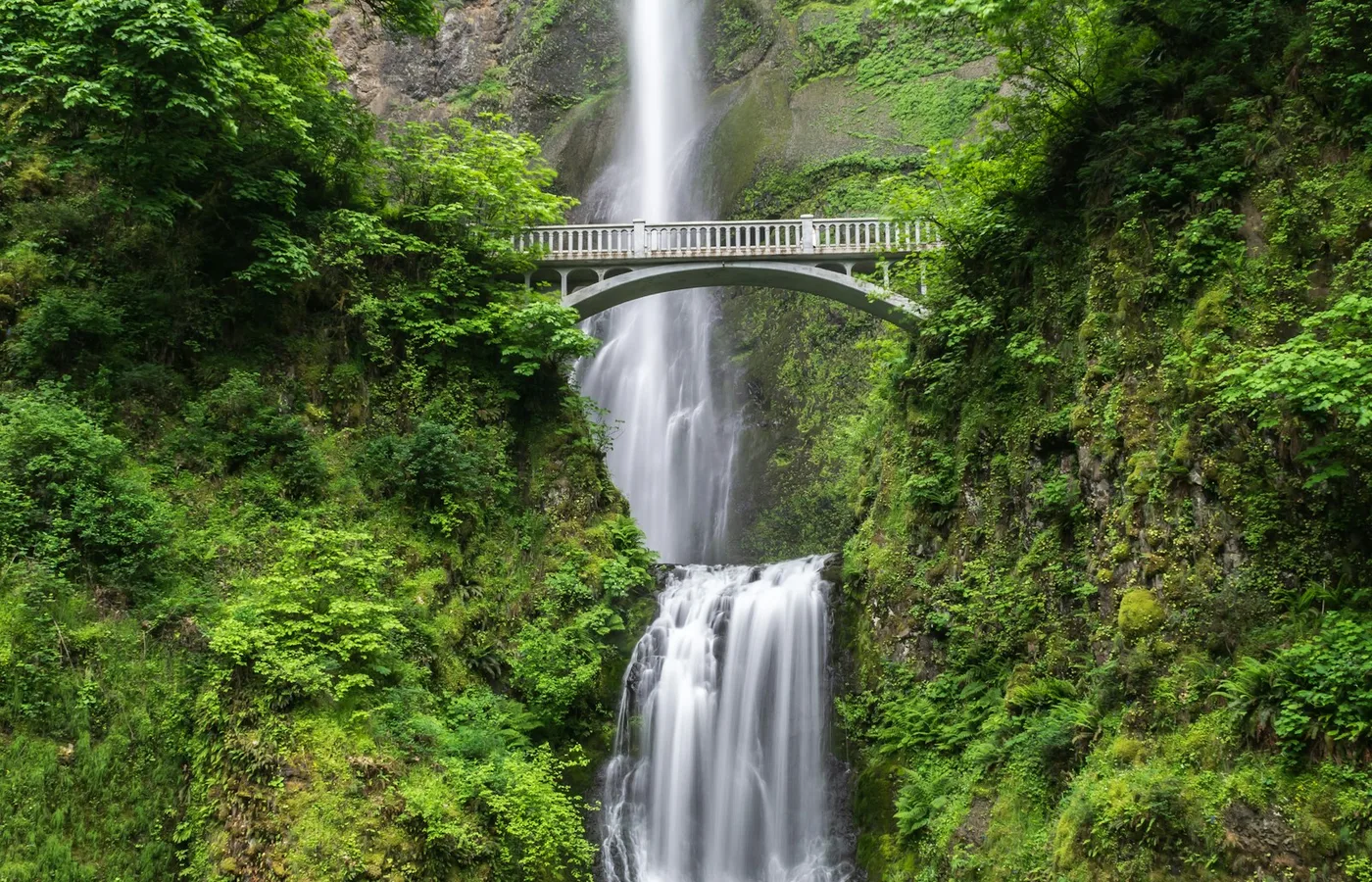
Cover photograph: Waterfall landscape via Unsplash, used under the Unsplash License. This is a general waterfall photograph, not a photograph of Detian Waterfall.