How to use this four-day Zhangjiajie plan
Think of Zhangjiajie as two connected but separate travel areas. Wulingyuan Scenic and Historic Interest Area is the main landscape zone for Yuanjiajie, Tianzi Mountain, Golden Whip Stream, and internal scenic buses. Tianmen Mountain rises above the city and uses a different booking system, entrance arrangement, and combination of cable car, bus, or escalator routes. A ticket for one does not automatically cover the other.
Four full days is a sensible minimum when you want both areas without racing between viewpoints. This plan uses the first evening to settle in, two days for different parts of Wulingyuan, a flexible third park day, and the final day for Tianmen Mountain. Read it as a route framework rather than a promise that every trail or cable car will run on every date. Our China itinerary planner explains how to place Zhangjiajie inside a longer rail journey.
Before you book: choose the right base
Wulingyuan town is the practical base for most first-time visitors because it puts you close to park entrances, restaurants, and the beginning of each morning's shuttle route. Zhangjiajie city is more convenient for Tianmen Mountain, the airport, and the railway stations, but staying there for every night creates a long transfer before each national park day. A split stay can work well: two or three nights in Wulingyuan, then one night near the city if your departure is late enough.
Ask every hotel whether it accepts foreign passports, registers every foreign guest, stores luggage, and can write its address in Chinese. Save the exact property name and phone number offline because English spellings vary. If you arrive late at Hehua Airport or Zhangjiajie West, do not force a mountain attraction into the same evening. Eat, check in, and start the park after a proper night's sleep. Our China hotel booking guide covers the questions to ask before paying.
The park involves long walks, uneven paving, stairs, shuttle queues, and changes in elevation. Choose shoes with grip, carry a light rain layer, and leave space in your day for a slow transfer. Travelers with mobility limitations should ask the hotel and attraction about current accessible routes rather than assuming every viewpoint is step-free.
Getting there and moving between Zhangjiajie's transport nodes
Hehua Airport, Zhangjiajie West high-speed railway station, and Zhangjiajie Railway Station are different arrival points. Zhangjiajie West is the main long-distance rail option for many visitors; the older railway station serves other services and should not be treated as the same address. Check the station name printed on your ticket and save it in Chinese before leaving the train.
A taxi or ride-hailing car is usually the simplest connection from the airport or railway station to Wulingyuan, with the exact journey depending on traffic and hotel location. A trip that looks like 45 to 70 minutes can take longer on a holiday weekend or in heavy rain. Do not rely on an old blog's airport-bus timetable; ask your hotel for the current option and verify the pickup point on the day.
Use the 12306 English site for current rail schedules and booking rules, then allow a buffer for station security and finding the right entrance. If you travel with large luggage, arrange a clear drop-off point in Chinese and confirm whether the hotel can hold bags between a split stay.
Tickets, passports, and reservations
Wulingyuan and Tianmen Mountain require separate reservations and separate tickets. Current Wulingyuan products may be multi-day and may bundle some internal shuttle buses, while elevators, cable cars, and other experiences can depend on the product you select. Tianmen Mountain products commonly use a date, time slot, and route combination such as A, B, or C, but the available choices and inclusions can change. Check the current scenic-area booking link surfaced by the Zhangjiajie municipal government portal instead of copying a historic price from a travel blog.
When a booking channel accepts a foreign passport, enter your name exactly as it appears in the passport and take that same passport to the gate. Some channels, third-party platforms, or holiday products may handle foreign documents differently. If the form rejects your document, ask the official venue or your hotel for the current process before paying a reseller. Our China attraction ticket guide explains the general checks that prevent an avoidable booking problem.
Keep screenshots of confirmation numbers, the Chinese attraction name, and the entry date. Do not assume a ticket is refundable after a weather closure, and do not buy a cable-car upgrade until you know which route and direction your base plan uses.
Day 1: arrive in Wulingyuan and keep the evening light
After checking in, walk around Wulingyuan town to learn where breakfast, water, pharmacies, and the current park entrance shuttle are located. Confirm the next morning's entry point with your hotel because different routes can make one gate more convenient than another. Download an offline map and save the Chinese names for your hotel and the park before your data connection becomes unreliable.
If you arrive early and the weather is stable, Baofeng Lake can be a gentle optional outing, but it is a separate paid attraction and is not part of the Wulingyuan park ticket by default. A short town walk or an early dinner is the better choice when you have luggage, jet lag, or a late arrival. Start the main park days rested rather than collecting one more ticket on day one.
Eat a simple local dinner and check the forecast, ticket confirmation, and first shuttle plan. Hunan food can be spicy, so explain allergies and heat tolerance before ordering. Keep a small snack for the next morning; queues and transfers can make a planned breakfast later than expected.
Day 2: Yuanjiajie and Tianzi Mountain
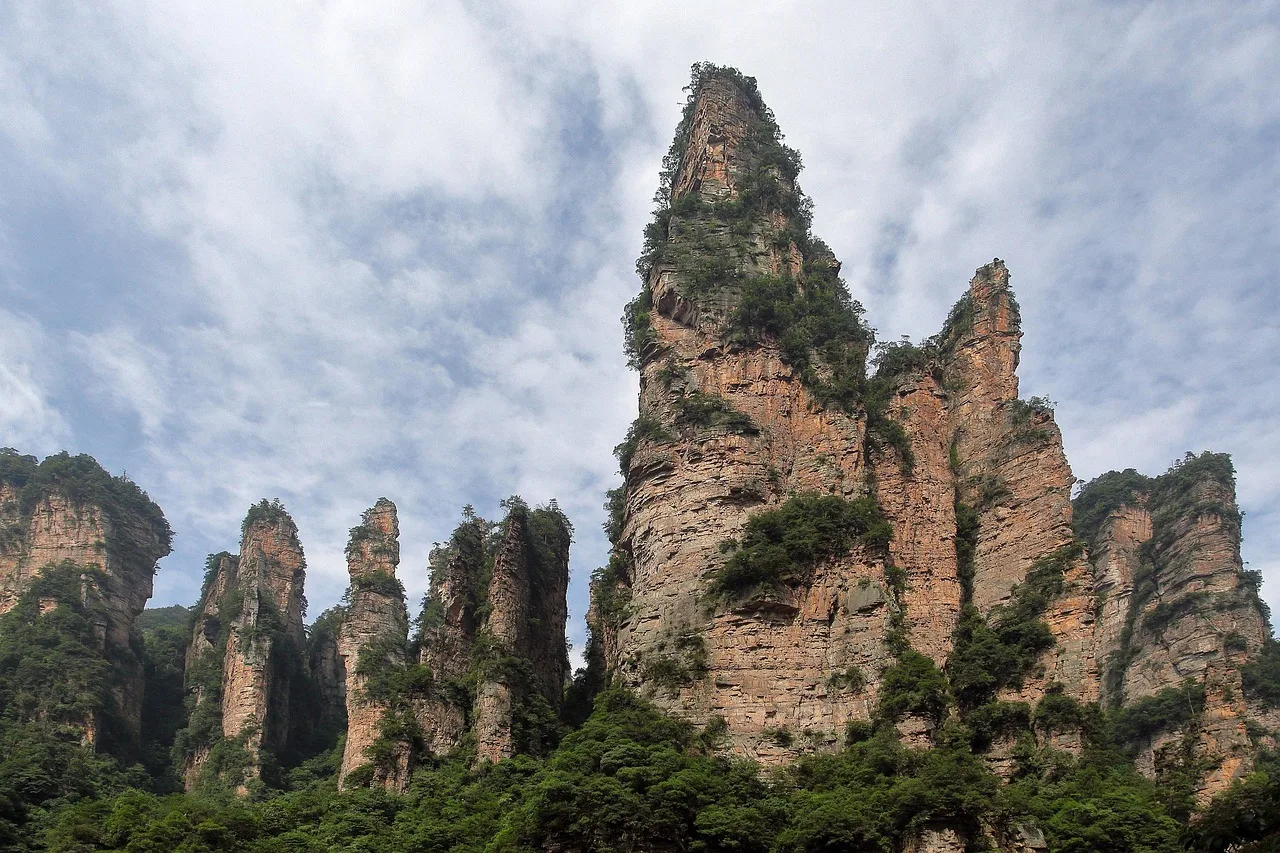
Enter Wulingyuan early and use the official internal shuttle system to reach the route you have reserved or chosen. Yuanjiajie is known for its tall sandstone formations and viewpoints associated with the landscape that inspired the Avatar films, but the experience is more than one photo stop. Read the trail signs, stay behind railings, and expect crowds at the most famous platforms.
Continue toward Tianzi Mountain if the current shuttle sequence and your energy allow. The park is large, and a line for the Bailong Elevator or a cable car can change the day's rhythm. Treat those rides as optional tools, not guarantees of a faster route. Keep two or three hours of flexibility for queues, internal buses, and weather pauses, and do not try to visit every named platform.
Return to Wulingyuan before dark unless you have a verified late shuttle plan. Mountain weather can change quickly, and the final transfer from a viewpoint to the town is not the moment to discover that the last bus or cable-car direction differs from an old map. A warm meal and an early night will make the next day safer and more enjoyable.
Day 3: Golden Whip Stream, Yangjiajie, and a rain plan
Use day three for a lower-elevation route such as Golden Whip Stream if the forecast is clear. The path follows the valley and gives a different view of the same geology: instead of looking across the pillars from above, you walk among forest, water, and cliffs. Wear shoes that grip wet stone and keep valuables protected from rain and splashes.
Yangjiajie can add steeper trails and ridge viewpoints for travelers who want a more demanding day, but it should not be treated as a compulsory extension. Check current opening notices and the last internal shuttle before committing. Fog can be beautiful, but it also hides drop-offs and makes navigation slower. Stay on marked paths and do not climb barriers for a clearer photograph.
If heavy rain, lightning, or low visibility makes the ridge route unsuitable, switch to a short valley walk, a town meal, a museum, or Baofeng Lake if its separate ticket and operating notice fit the weather. A postponed viewpoint is better than a dangerous scramble. Check the next day's Tianmen Mountain slot before deciding whether to use the afternoon for rest or another short outing.
Day 4: Tianmen Mountain and departure planning
Tianmen Mountain is in Zhangjiajie city, not inside Wulingyuan. Start from the city-side transport point shown on your current booking and follow the assigned route direction. The cable car, mountain road, escalators, skywalks, and Tianmen Cave may be combined differently by ticket product and operating conditions. Confirm which elements are included before you enter the queue.
Allow more time than a map suggests for the cable car or shuttle, security checks, and mountain paths. Glass walkways and exposed sections can close in poor weather, while cloud may make the famous views disappear. Use handrails, follow one-way signs, and skip a viewpoint if the surface is wet or your legs are tired. The best day is the one that ends with a safe return, not the one with the most checked boxes.
Only plan an onward flight or train on the same day when your reservation, route, luggage storage, and transfer buffer are all generous and verified. A late departure makes it possible; an early departure does not. If your connection is tight, spend a fifth night near the city and leave the mountain day free from airport pressure.
Weather, crowds, packing, and practical safety
October and November can offer comfortable walking temperatures, but mountain tops are cooler than Wulingyuan town and mornings can be damp. Summer is greener but wetter, and winter can bring cold wind, fog, or reduced operations. Check the local forecast and official notices each morning. Visibility is never guaranteed, even when the valley looks clear.
Pack shoes with reliable grip, a compact rain shell, a thin warm layer, water, snacks, a power bank, and an offline note with Chinese addresses. Bring the passport used for every reservation and keep a screenshot of each confirmation. Do not accept unofficial guides who promise a secret queue or guaranteed views, and agree on taxi prices and destinations before entering a car.
Crowds can return on weekends after the October holiday even when the national holiday itself has ended. Enter early, choose one primary route, and keep a lower-level backup. The China travel by month guide helps with the broad seasonal picture, but Zhangjiajie's weather and operating notices should decide your final route.
Planning sources and cover photograph
Reviewed on October 12, 2026. Start with the UNESCO page for Wulingyuan Scenic and Historic Interest Area for the site's landscape and heritage context. Use the Zhangjiajie municipal government portal for current local notices and the scenic-area booking link it publishes, and use China Railway 12306 English for rail schedules. Ticket products, operating hours, route directions, and weather closures can change, so verify them again immediately before travel.
Cover photograph: Zhangjiajie mountain pillars via Pixabay, used under the Pixabay Content License. The real photograph was resized and converted to WebP for responsive display.