Why this eight-day route works
The three cities tell different parts of the story. Beijing gives you imperial institutions, historic neighborhoods and the Great Wall. Datong adds a smaller northern city with exceptional Buddhist sculpture and a separate mountain excursion. Xi'an then shifts the focus toward the Silk Road, the Qin legacy, city walls and a food culture that feels distinct from Beijing. The route has a clear east-to-west direction, so you are not repeatedly crossing the same region.
Do not treat the route as three checklists. The Forbidden City, a Great Wall section, Yungang, the Hanging Temple and the Terracotta Warriors each demand attention and transport time. Our Beijing first-time itinerary, Datong guide and Xi'an guide provide deeper detail; this route focuses on the order and the buffers between them.
Before booking: stations, tickets and luggage
Choose an arrival airport and departure city that match your wider trip. Beijing is a natural first stop for many visitors, while Xi'an works well as a final domestic city before a flight or another rail journey. Use China Railway 12306 for the exact train, station and passenger information. Beijing, Datong and Xi'an each have multiple stations or station areas, so a ticket that says the right city can still create a long hotel transfer.
Pack for repeated security checks and station walking. Keep passports, medication, chargers, water and the next hotel address in a small day bag rather than at the bottom of a suitcase. If you have a large case, check the current railway luggage rules and allow time to move it through a huge station. The China high-speed train guide explains the process without assuming that a map's rail time is the whole journey.
Book accommodation near a useful metro or taxi corridor, not only beside a famous landmark. Confirm foreign-passport registration before paying, save the Chinese address offline and ask about an early luggage drop. A central base is helpful, but the closest hotel to one attraction may be awkward for the next morning's station departure.
Days 1-3: Beijing without rushing the capital
Use the first full day for the Forbidden City or another major imperial area only after checking the current official entry and reservation rules. A large palace complex is a physical and visual commitment; keep the surrounding route compact and do not add several distant museums simply because they appear nearby on a map. An early start, a water break and a clear exit plan are more useful than a second forced landmark.
Give the second day to the Great Wall, choosing one section that fits your mobility, weather and transport plan. Restored wall sections can include steep steps, exposed wind and long approaches. Confirm the official ticket channel, shuttle or cable-car arrangements, and the return route before leaving Beijing. If fog, rain or heat makes the wall unsafe or unappealing, use a museum or neighborhood walk as a real backup rather than treating poor visibility as a challenge to overcome.
Keep day three flexible for the Temple of Heaven, hutong streets, a museum or a second imperial site. Beijing rewards grouping by district: finish one area before crossing the city. Eat a proper meal between major visits, carry a layer for air-conditioned interiors and check the next day's Datong station before dinner. The China attraction ticket guide covers why current venue notices matter more than old blog timetables.
Days 4-5: Datong's art and mountain excursion
Travel to Datong on day four and treat the arrival as part sightseeing, part logistics. Check into the hotel, store luggage and choose a short central walk or meal rather than trying to fit Yungang before a long station transfer. Datong's old city and food streets can provide context for the next day, while a calm evening protects your energy for the grottoes.
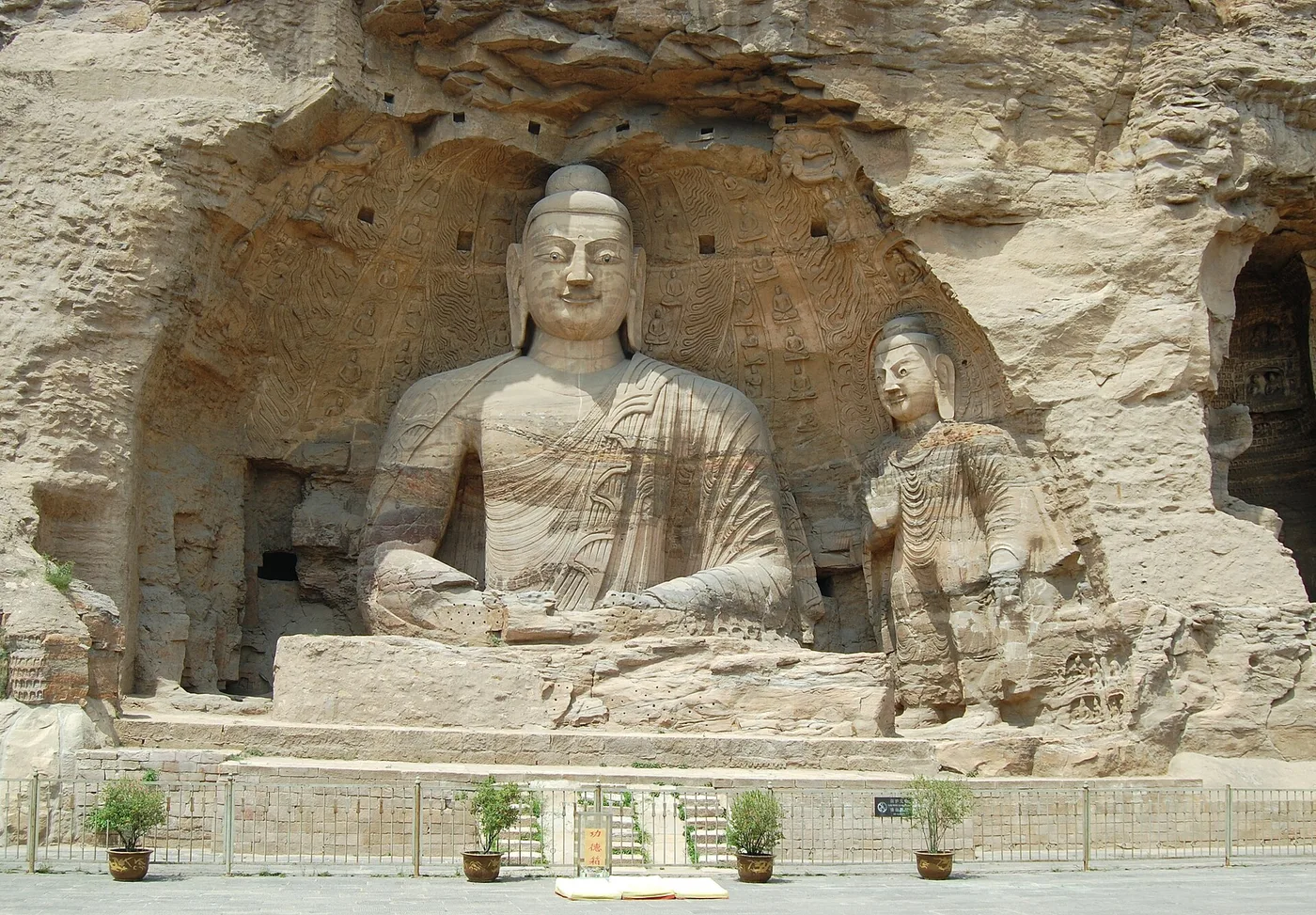
Make Yungang Grottoes the main anchor on day five. The caves are an art and conservation site, not a quick photo stop; allow time to look at sculpture, architecture, weathering and the sequence of caves. Confirm current entry rules, transport and any photography restrictions. Add a second small activity only if the return route is easy. A simple dinner and an early night are better preparation for the next rail journey than another distant viewpoint.
The Hanging Temple and Yingxian Wooden Pagoda are possible extensions, but they need a separate road plan and current access checks. Do not promise that both can be combined comfortably with Yungang in one day. If those sites are priorities, add a night or accept that Datong becomes a four-day section. The Datong itinerary explains the trade-off in more detail.
Days 6-8: Xi'an's walls, warriors and food
After arriving in Xi'an, use the first afternoon for a manageable city-center route. The City Wall is most enjoyable when you choose whether to walk, cycle or simply visit a gate and nearby streets; do not assume you need to circle the entire wall. Check entry conditions and weather, then leave time for a meal around the Muslim Quarter or another food area while respecting prayer spaces, residents and crowded lanes.
Give the second Xi'an day to the Terracotta Warriors and Museum. It is outside the center, so plan the complete hotel-to-return journey, current ticket rules and the route back before setting out. The figures are displayed across large halls and the visit can be tiring. Focus on the archaeological story and the changing scale of the pits rather than trying to rush through every display before dinner.
Use the final day for the Big Wild Goose Pagoda area, a museum, a second food route or a slower city-wall neighborhood. Xi'an's noodles, dumplings, roujiamo and other regional dishes are worth exploring gradually; ask about ingredients and spice, and choose clear prices and clean preparation. Our China food guide helps with ordering and food safety, while the China safety guide covers crowds, documents and transport habits.
Pacing, weather and access across the route
This route includes large stations, uneven historic paving, steep wall steps, outdoor exposure and long museum days. Travelers with limited mobility should ask each hotel and venue for the exact step-free entrance, toilet route, rest areas and vehicle drop-off. The accessible China travel guide offers a general checklist, but a current venue or station response should decide the final plan.
Spring and autumn often make the outdoor sections easier, but weather can change the Great Wall, mountain road and wall routes at short notice. Winter brings cold and early darkness; summer brings heat, storms and crowds. Carry shoes with grip, a rain layer, sun protection and water. Leave one indoor alternative in each city and do not make a sunrise, sunset or distant road transfer the condition for a successful day.
If you have only seven days, remove the Hanging Temple extension first and keep Datong focused on Yungang. If you have nine days, add a slow Beijing day or a separate Datong excursion rather than squeezing more sites into the existing blocks. The route is strongest when each city has one unhurried meal and one flexible afternoon.
Planning sources and cover photo note
Reviewed October 22, 2026. Use China Railway 12306 for current train and station information, the Beijing, Datong and Xi'an municipal portals for local notices, and each museum, heritage site or operator's official notice for entry, opening, reservation and transport details. Fixed prices, shuttle times and access arrangements can change, so verify the complete route for your dates.
Cover photograph: Cave 20 at Yungang Grottoes by Marcin Bialek (Sfu), via Wikimedia Commons, licensed under CC BY-SA 4.0. The real photograph was resized and converted to WebP for this site; the adapted image remains under the same license.


