Why Beihai and Weizhou Work So Well Together
Beihai is the practical half of the trip and, quietly, one of the more pleasant Chinese coastal cities to spend a day in. Its waterfront is walkable, the seafood is landed locally, and the old street quarter retains a stretch of arcaded colonial-era shophouses that rewards an hour of drifting rather than a checklist. Arriving here first gives you a buffer: you can absorb a delayed flight or a slow train, sleep properly, and catch the morning ferry without the stress of a same-day transfer from another province.
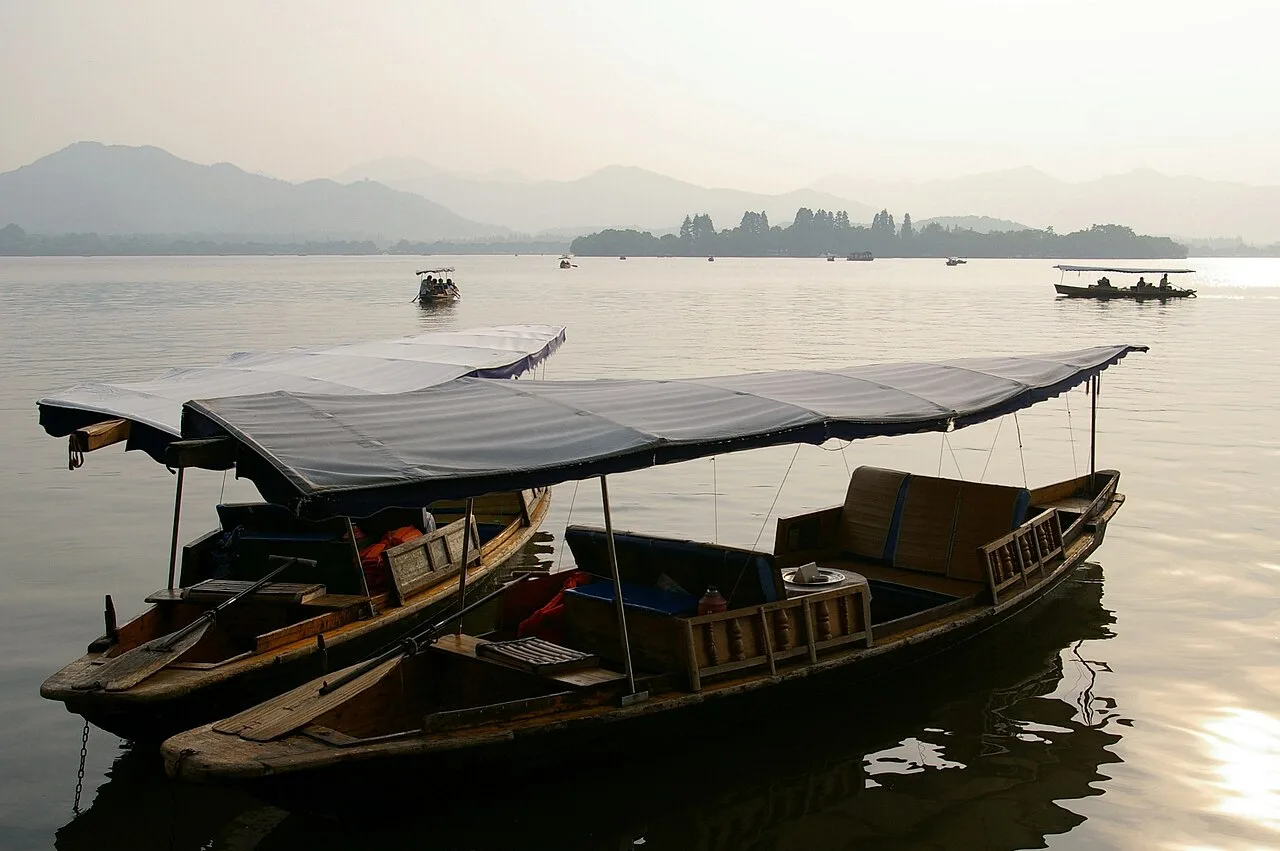
Weizhou is the reason to come. It is small enough to circle by scooter in an afternoon, yet varied enough that two full days barely feel like enough — a volcanic headland in the south, wide shallow beaches in the east, a working harbour, and interior lanes where chickens, drying fish and fruit trees outnumber tourists. The contrast is the point: urban ease first, then a place where the day is shaped by tides, heat and the ferry timetable rather than by reservations.
Getting There and the Ferry: The Planning Linchpin
Ferries to Weizhou leave from Beihai's international passenger port and take roughly an hour to ninety minutes depending on the vessel. Tickets sell out around Chinese public holidays and weekends in good weather, so book ahead through an official channel or ask your accommodation to reserve on your behalf — many guesthouses on the island do this routinely and know which sailings are most reliable. You will also need the island's own admission ticket, usually arranged alongside or at the time of your crossing. Confirm both, and confirm the return sailing, before you commit to island accommodation.
Build in a contingency. Crossings are suspended when wind or swell is too strong, and the pattern is not always obvious from a sunny Beihai morning. Keep your first and last nights on the mainland or, at minimum, keep your final night flexible so a cancelled return ferry does not cost you an international flight. Download an offline translation app and save your booking confirmations as screenshots, since port Wi-Fi and mobile data can be patchy exactly when you need them. If you are prone to seasickness, take the larger, slower vessel rather than the fast catamaran and sit on the open deck.
Day 1 and 2 in Beihai: Old Streets, Silver Beach and Seafood Logic
Give your first afternoon to the old street quarter, where the arcades keep the sun off and the pace stays low, then walk the seafront in the evening when the heat lifts. Silver Beach, the long stretch of fine pale sand east of the centre, is best visited early morning or late afternoon; midday in the subtropics is genuinely punishing between March and November. If you want shade and a slower rhythm, seek out the city's parks and mangrove edges rather than chasing the beach at noon.
Eating is the main event, and the etiquette is straightforward once you know it. Choose your fish, shellfish and crab from the tank, ask the price per half-kilo before anything is weighed, and confirm whether cooking and preparation are charged separately. Steamed or simply grilled with ginger and spring onion will show off freshness better than heavy sauces. Skip protected or unsustainable items sometimes offered at coastal markets — horseshoe crab, large reef species and carved coral or giant-clam shell souvenirs — and you will eat better and travel more responsibly at the same time.
Day 3: Weizhou's Volcanic Shorelines on Foot
Start early, because the volcanic south of the island is where the heat and the crowds both concentrate. The signature walk takes you along black and rust-red rock shelves, sea arches and layered lava formations carved by wave action, with viewing platforms where the path turns rough. Wear shoes with grip — wet basalt is slick and the edges are unfenced in places — and carry water, since shade is limited and refill points are sporadic. In the afternoon, retreat: the light is harsh, the rock radiates heat, and a long lunch is the local solution.
Later, head east for the shallow, calmer beaches where the water stays bright and the swimming is easier, and finish with sunset over the western shore. Scooters are the standard way to move around, but only ride one if you are licensed at home for a motorbike and comfortable in local traffic; helmets are required and enforcement does happen. Otherwise, negotiate a car and driver for a half day through your guesthouse, which is also the better choice for anyone travelling with children, older companions or mobility limitations.
Day 4: Slow Mornings, Villages and the Return Crossing
Keep the last island morning deliberately unplanned. Walk into a village for breakfast, watch the boats come in at the harbour, and visit the small Catholic church whose congregation traces back to nineteenth-century missionary activity — it is an active place of worship, so dress modestly, keep voices low and ask before photographing anyone. Islanders are, understandably, not a visitor attraction; a nod and a request in Mandarin or a translation app goes a long way.
Then build backwards from your ferry. Leave a two-hour cushion between checking out and sailing, keep your bags light enough to carry up and down gangways without help, and expect queues at the ticket gate regardless of what your confirmation says. Back in Beihai, resist the urge to book a tight onward connection. A late-afternoon train or an evening flight the following morning is a far more civilised ending than a sprint through the port with wet swimwear in your bag.
Practical Notes: Heat, Accessibility and Respectful Travel
Plan around heat rather than through it. Early starts, a real midday pause and evening walks will make a subtropical coastal trip feel twice as easy, and sun protection is not optional even on hazy days. Fresh water on Weizhou is limited and largely shipped in, so carry a refillable bottle, keep showers short, and take your rubbish back with you. Mobile payment dominates; international visitors can usually link a foreign card to Alipay or WeChat Pay before arriving, but a little cash is a sensible backup, and English is limited outside hotel front desks, so have key phrases and addresses saved in Chinese characters.
Accessibility is improving but uneven. Ferry boarding involves steps, ramps and tides that shift the gangway angle, and the island's rock paths, sand tracks and village lanes are not reliably smooth or step-free. Travellers using wheelchairs or with limited stamina should arrange a private car and driver on Weizhou, choose accommodation near the main harbour rather than a remote beach, and treat viewpoints as optional rather than essential. Finally, remember you are visiting working fishing communities: ask before photographing people or their boats, keep drones away from villages and churches without permission, and leave the volcanic rock, shells and coral exactly where the sea left them.
Further China Planning
For a wider route, compare this itinerary with China by high-speed train and China travel by month. Keep the order flexible when weather, reservations or transport conditions change.
Before departure, review the China entry guide and China travel safety guide. Confirm current opening hours, ticket rules and local transport through official channels.