First, Understand the Shape of the Region
Hulunbuir sits in the far northeast of Inner Mongolia, and its geography is best pictured as a fan opening out from Hailar, the region's transport hub. South and west lie the grasslands and Hulun Lake; north runs the Argun River border toward Ergun and the Russian-facing towns; further north again the land lifts into taiga forest around Genhe and Moerdaoga. Almost every road is a two-lane highway, and a comfortable day might cover only two or three named places.
That is why six days works well as a loop rather than a list. You get one or two long transfer days, a couple of slow days in grassland, and a forest stretch at the end. Trying to add Xanadu-style highlights in the west or the far north will simply put you in the car for most of the daylight. Choose a rough loop — Hailar, grassland, the Argun border, forest, back to Hailar — and let the map set the pace.
Days 1–2: Hailar and the First Grassland
Most international travelers arrive at Hailar Dongshan Airport, which is small, calm and easy to navigate compared with major Chinese hubs. Give yourself the arrival afternoon to settle, buy water and snacks, sort out a local SIM or eSIM data plan, and confirm your driver's plans. Hailar itself is a pleasant, low-rise city with a Mongol character in its signage and food; a short walk and an early night are a better use of the time than squeezing in another site.
Day two heads into grassland, usually south or southwest toward the Hulun Lake side. Resist the temptation to visit every advertised 'grassland scenic area'. The finest moments tend to be unplanned: a roadside rise where the horizon opens, a herd crossing, or the two hours before sunset when the light turns long and gold. Plan one short cultural stop — a herding family visit arranged through a reputable local operator — and leave the rest of the day loose.
Days 3–4: The Argun Border and Its Small Towns
The drive north toward Ergun and the Argun River is the visual heart of the trip. The road follows a landscape of meadow, wetland and low hills, and the river itself appears and disappears beside you, wide and slow, with Russia on the far bank. Ergun is a functional forestry and border town rather than a pretty one, but it is a useful base with fuel, food and a good wetland area nearby where birdlife gathers in migration season.
From there, continue to one of the small border settlements along the river, such as Shiwei or Enhe, where wooden houses, Russian-influenced food and a slower rhythm give the region part of its character. These towns are small and can feel crowded with domestic tour groups in high summer, so arriving late afternoon and staying overnight is far more rewarding than a quick stop. Mornings here are quiet, and the border light on the water is the reason to linger.
Days 5–6: Forest, Frost and the Road Back
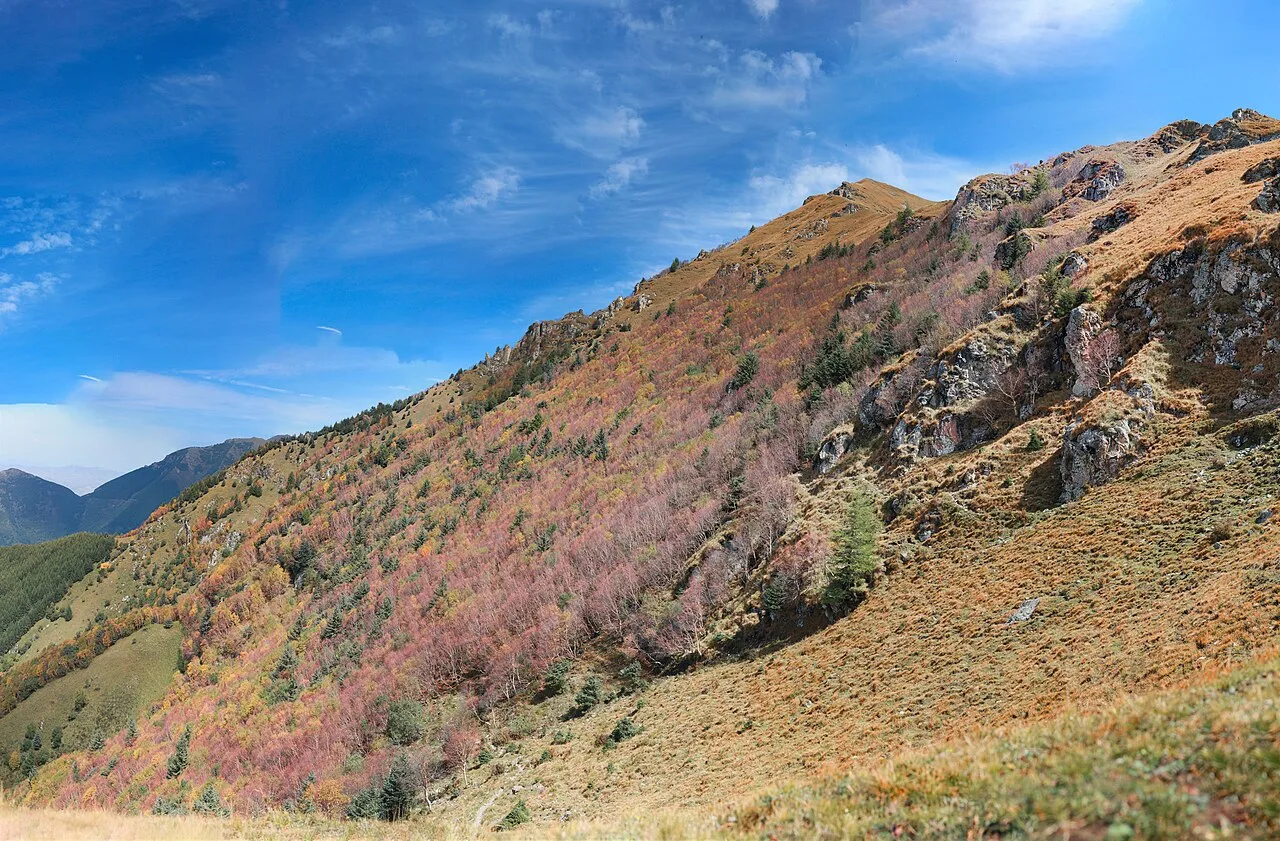
The northern stretch through Genhe and Moerdaoga changes the register of the trip. Roads narrow into larch and birch forest, the air cools noticeably, and settlements thin out into timber towns and reindeer-herding communities. This is where September earns its reputation: the grassland turns to gold and bronze while the forest edges toward orange, and the low northern sun stretches shadows across the whole day. Nights can drop near freezing, so pack layers even if the afternoon felt mild.
Drive distances here are deceptive because speed is limited and wildlife occasionally wanders onto the road. Aim to finish each day before dusk and keep the final transfer back to Hailar modest. If time allows, a short walk on a forest trail or a visit to a community-run reindeer herding site is worth more than another viewpoint. Then take the last day gently — a late flight out of Hailar pairs best with a morning of nothing much at all.
Transport Tradeoffs: Driver, Group or Self-Drive
For most international visitors, a private driver-guide or a small-group tour is the practical choice. Foreign driving permits are generally not accepted for self-driving in China on their own, and the paperwork for a legal Chinese license is rarely worth the effort on a short trip. A driver also solves navigation, fuel stops, patchy mobile signal in the forest, and the language barrier at small guesthouses. Independent travelers can use trains between Hailar and Manzhouli and buses on some corridors, but coverage in the grassland and forest is thin, and long taxi transfers add up quickly.
Fuel stations become sparse north of the main towns, so fill up whenever you pass one. Download offline maps and translation tools before leaving Hailar, carry some cash for small vendors, and confirm each day's driving time with your driver rather than trusting an optimistic map estimate. If you do join a group tour, ask how many hours per day are spent in the vehicle — that single question tells you more about a Hulunbuir itinerary than any list of stops.
Weather, Contingency and Respectful Visits
June and July bring green grassland, sudden rain showers and, in damp hollows, determined mosquitoes; August is warm and popular with domestic holidaymakers; September is cooler, quieter and visually superb, with a real chance of frost or even early snow. Build in one flexible day and keep a wet-weather alternative in mind — a museum or market in Hailar, or a shorter driving leg. Wind and rain can close in fast on open ground, so carry a shell layer rather than relying on an umbrella.
Accessibility is limited outside the cities: guesthouses often have steps, boardwalks are uncommon, toilets on long stretches are basic, and grassland terrain is uneven. Travelers with limited mobility will find Hailar easiest and should arrange vehicle-based viewing rather than walking routes. On cultural visits, ask before photographing people, homes or livestock, stay on tracks rather than driving into pasture, accept offered tea with both hands, and treat reindeer-herding communities as homes rather than attractions. Small, respectful groups and locally run stays keep the welcome genuine.
Further China Planning
For a wider route, compare this itinerary with China by high-speed train and China travel by month. Keep the order flexible when weather, reservations or transport conditions change.
Before departure, review the China entry guide and China travel safety guide. Confirm current opening hours, ticket rules and local transport through official channels.


