Arriving and Getting Around: Airport, Rail and Neighborhood Logic
Fuzhou Changle International Airport sits well east of the city, so allow generous time for the transfer rather than assuming a quick hop in. The city's rail stations serve different purposes — the older central station is convenient for the historic core, while the newer southern station handles much of the high-speed network — so check which one your ticket actually uses before you book a hotel. Metro lines, city buses and ride-hailing apps cover the center reasonably well, but networks expand and airport links change; confirm current routes and payment options on official visitor or metro sources shortly before departure, and carry a little cash as a backup.
Fuzhou rewards a neighborhood-based plan rather than a cross-city one. The historic core around the Three Lanes and Seven Alleys and Nanhou Street anchors the first day; Shangxiahang and the Yantai Mountain area suit an evening wander; West Lake and the Fujian Museum cluster together; and Gushan, the city's Drum Mountain, sits to the east. Grouping sights this way cuts taxi time and leaves room for the humidity. Expect sticky, wet air much of the year — a light rain shell and quick-dry clothing do more for your comfort than any itinerary tweak.
Day One: The Three Lanes and Seven Alleys, Lived-In Rather Than Preserved
The Sanfang Qixiang district is Fuzhou's signature quarter: a grid of white-walled lanes and narrow alleys lined with curved gabled rooflines, courtyard houses and the former residences of figures such as the official Lin Zexu and the writer Bing Xin. It is genuinely beautiful, and genuinely important to the city's sense of self. It is also a working neighborhood with heritage status, which means you will find restoration scaffolding beside family doorways, souvenir shops beside laundry lines, and tour groups filling the main axis by mid-morning.
That is the honest pleasure of the place — it is not a sealed museum. Go early, when shopfronts are still rattling open, or late, when the day-trippers have thinned and the lanes return to residents. Wander off Nanhou Street into the quieter alleys, look up at the wall detail and the old trees, and keep your voice low near open doors. If a courtyard or small museum charges admission, treat the details as something to check on site rather than something this guide can promise.
Day Two: One Temple or One Museum, Then Banyan Shade
Rather than racing through everything, pick one anchor for the morning. Yongquan Temple on Gushan is the classic choice if you want forest air and a climb with your culture; the temples closer to the center, or the Fujian Museum with its regional collections, suit a slower, air-conditioned day. Museum closing days and temple access arrangements vary and change, so verify current visiting days with official sources the week you travel. Whichever you choose, give it real time — an hour and a half of unhurried attention beats three rushed stops.
Afternoons belong to the city's green spaces. West Lake Park, the wooded hills of Yushan and Wushan, and the larger forest park to the north all show off Fuzhou's defining feature: the banyan. These trees, with their aerial roots and vast canopies, function as the city's outdoor living rooms, and locals use the parks accordingly — tai chi, cards, grandparents with grandchildren. Sit under a banyan for half an hour with tea and you will have done one of the most authentically Fuzhou things available to a visitor. Avoid the midday heat; late afternoon is when the shade is kindest.
Day Three: Jasmine Tea, Min Cuisine and Everyday Rhythms
Fuzhou is China's jasmine tea country, and the scenting craft here — layering green tea with fresh jasmine blossoms until the fragrance settles in — is widely described as part of the country's intangible cultural heritage. You do not need a formal tasting to engage with it. Tea shops around the old quarters will happily brew for you, and a modest purchase makes a light, packable souvenir. Ask questions, accept the second and third infusion, and notice how different a properly scented jasmine tea is from the perfumed bags sold elsewhere.
The food deserves its own afternoon. Fuzhou's Min cuisine is subtle and broth-driven: fish balls with springy texture, rouyan or 'meat wraps' in clear soup, lychee pork with its sweet-sour glaze, and the rice-flour snacks sold from tiny shopfronts in the mornings. Rather than chasing a famous name, follow queues of locals at lunchtime and order what the next table is having. The city's better-known banquet dishes exist too, but they are not the everyday eating that makes Fuzhou memorable. A market visit before dinner will teach you more about the regional larder than any menu.
The Optional Half-Day, Plus Weather and Photographic Manners
If you have a spare half-day, Gushan is the low-risk choice: it is within the urban area, reachable by metro or bus depending on the current network, and pairs a wooded walk with the temple you may have saved from Day Two. Longer excursions — the coastal landscapes out toward Pingtan, or the historic riverfront at Mawei — only make sense if the transport genuinely lines up with your schedule and the weather forecast. Treat every timetable, ticket rule and travel time as an item to confirm locally before committing a day to it.
Two practical notes will improve your trip. First, humidity and rain: Fuzhou is subtropical, summers are hot and sticky, and late summer can bring typhoon-season disruption, which is why spring and autumn are the friendlier windows. Build slack into outdoor plans. Second, photography: in temples, ask before photographing people at prayer and respect any posted restrictions; in residential lanes, remember that doorways are people's homes. A nod, a gesture toward your camera and a smile go a long way, and the answer is genuinely allowed to be no.
Where to Stay and How to Pace the Days
For a first visit, basing yourself near the historic core or along a convenient metro line keeps the three days efficient without trapping you in a tourist bubble. A central hotel makes early-morning lane walks possible and puts evening food streets within walking distance; a slightly further base saves nothing if you spend it in traffic. Book with a clear idea of which rail station you will arrive at, and check that the property can register foreign guests, since this is a detail worth confirming directly rather than assuming.
Pace matters more than coverage here. Three days lets you do the historic quarter properly, choose one temple or museum, give the parks and banyans an afternoon, and eat and drink well — but only if you resist adding one more stop each day. Leave the last evening free. Fuzhou's pleasures are cumulative: the second cup of jasmine tea, the second walk down the same lane, the second bowl of soup you now know how to order. That is the version of the city worth bringing home.
Planning links and cover photo source
For related planning, read Fujian coast itinerary, Quanzhou maritime heritage guide, Getting around Chinese cities. Check each operator's current visitor notice before paying, because access, reservations, transport and weather procedures can change.
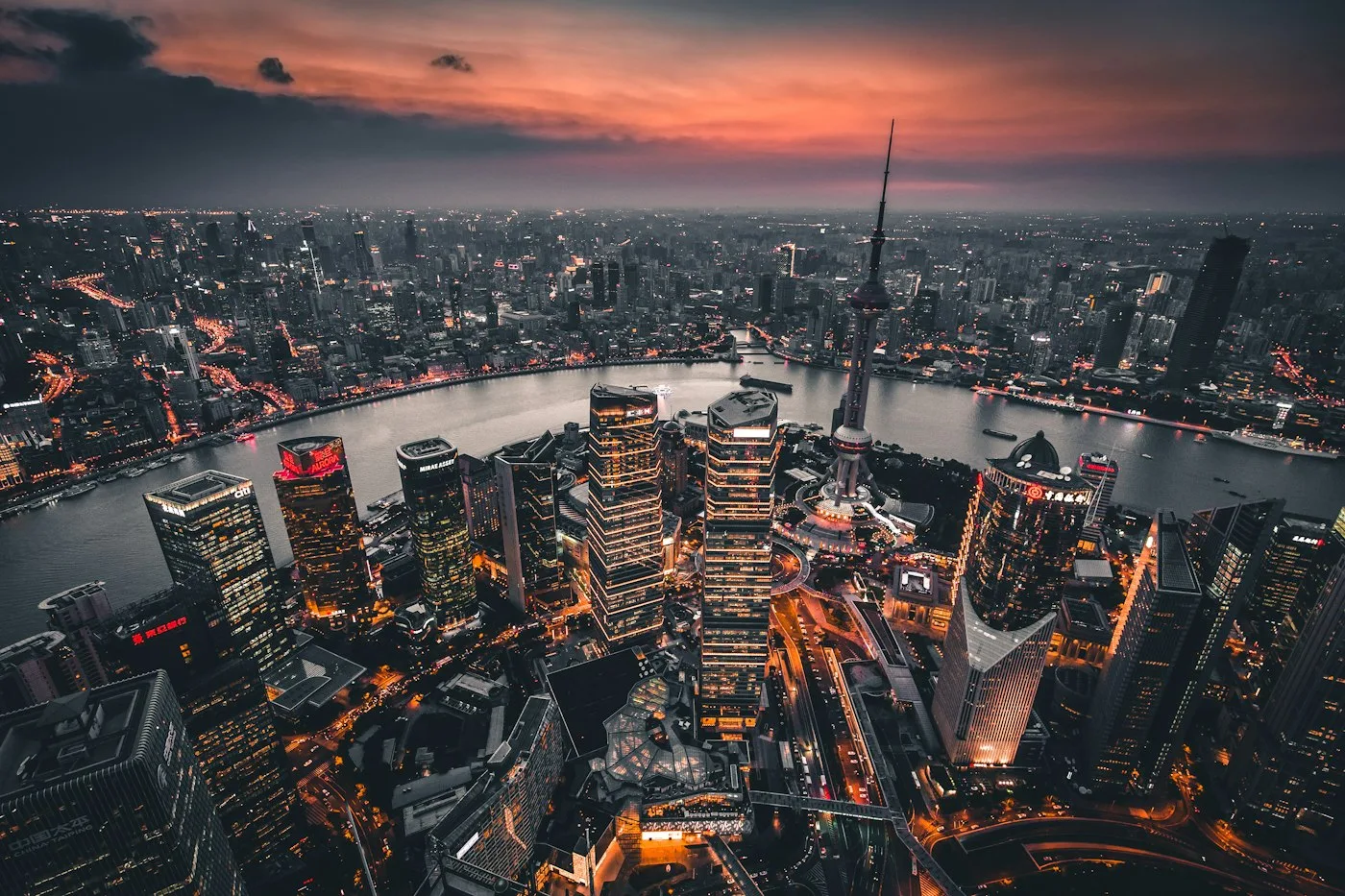
Cover photo: Shanghai's Lujiazui skyline at dusk via Unsplash, used under the Unsplash License. It is a neutral city photograph, not a photograph of Fuzhou.


