Why Yichang Works as a Three Gorges Base
Yichang sits where the Yangtze leaves the mountains and enters the plain, which makes it the natural eastern gateway to the gorges. High-speed rail connects it to Wuhan and beyond, and the airport handles domestic connections, so arriving is straightforward. More importantly, the city is a place people actually live and work, with riverside promenades, morning markets and a stretch of embankment where families walk in the evening. That ordinary texture is a useful counterweight to the monumental scenery upriver.
Using Yichang as a base rather than a departure point changes the trip. You can take a short gorge excursion one day, visit the dam area the next, and spend an afternoon doing very little at all. It also gives you a buffer: river excursions and mountain roads are weather-dependent, and having two or three possible days for the same plan removes much of the anxiety that comes with a fixed cruise timetable.
Shaping a Four-Day Rhythm
A workable structure is simple. Day one is arrival and orientation: settle in, walk the riverside, eat something local, and confirm the next day's transport. Day two is the water — either a shorter Xiling Gorge excursion from the city or the first leg of a longer downstream cruise. Day three belongs to the dam area and Zigui, where the reservoir's scale becomes legible. Day four is a slower tributary valley, a return to a viewpoint you liked, or a relaxed departure.
The reason to build the itinerary this way is that the gorges reward looking, not scheduling. A half-day boat trip often delivers more lasting impressions than a packed full-day program, especially when the light changes and mist lifts off the cliffs. If you only have four days, resist the urge to add Chongqing or Wuhan as extra stops; the value here is in staying put and letting the river set the pace.
Cruises, Ferries and the Question of Direction
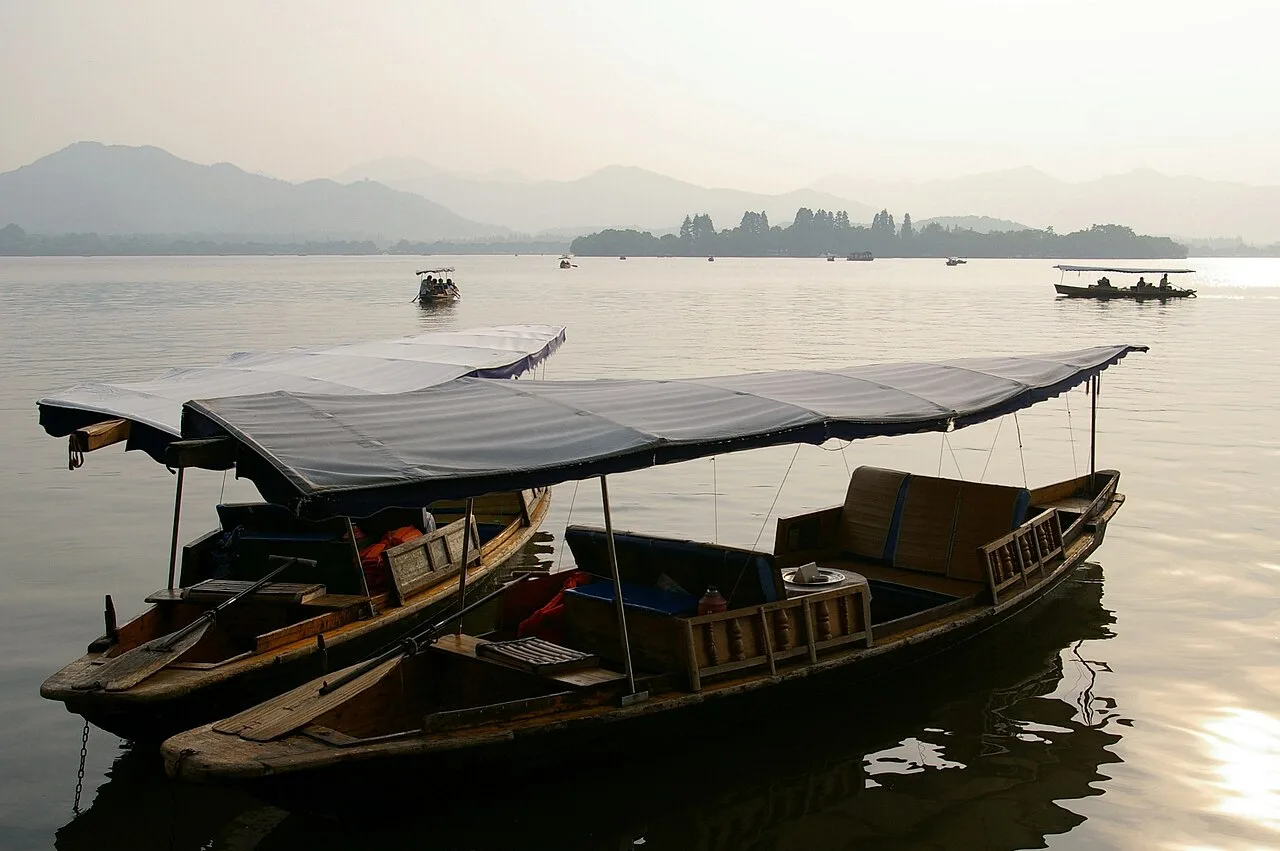
There are three broad ways to see the gorges from Yichang. Short day or half-day excursions run up into Xiling Gorge and back, which suits travelers with limited time or those who prefer sleeping in a hotel. Longer multi-night cruises between Yichang and Chongqing cover the full trio of gorges and typically include tributary side trips; these run in both directions, and the upstream version is generally slower and slightly longer. Ordinary ferries and local passenger boats still operate on parts of the river, offering a far cheaper and more everyday experience, though with less commentary and less certainty about schedules.
Direction matters more than most people expect. Sailing downstream from Chongqing to Yichang is quicker, with the scenery arriving in a compressed sequence. Going upstream from Yichang is slower, and many travelers find the anticipation more satisfying. Note also that cruise departures use different piers — some within the city, others upriver near the dam at Maoping — so confirm the boarding point before you book a hotel transfer, and leave a generous margin on embarkation day.
The Dam, Zigui and the Human Scale of the Reservoir
The Three Gorges Dam is best approached as an engineering landscape rather than a single photo stop. The visitor areas around Sandouping give you elevated views across the lock system and the reservoir, and watching a vessel work through the ship lift or the stepped locks is genuinely absorbing. Allow more time than you think you need; the site is large, exposed to sun or rain, and the distances between viewpoints add up.
Nearby Zigui and the surrounding hills add the human context that the dam itself cannot provide. This is Qu Yuan country — the poet remembered across China at Dragon Boat Festival — and the area's relocation history is part of the story of the reservoir. Roughly well over a million people were resettled as the reservoir filled, and hill towns above the waterline carry that recent past quietly. Approach villages and family-run guesthouses as lived places rather than staged attractions, ask before photographing people, and accept that some sites and shorelines shift with the seasons.
Weather, Water Levels and the Value of a Loose Plan
Spring and autumn are the comfortable windows: mild temperatures, better visibility and fewer of the heat and humidity that settle over the river valley in summer. Summer also brings thunderstorms and the flood season, when reservoir levels are deliberately drawn down, exposing shoreline slopes and sometimes altering the reach of small tributary excursions. Later in the year the reservoir refills, changing the look of the water and the angle at which it meets the hills.
Build contingencies rather than a fixed script. Fog can delay flights and slow mountain roads in winter and early spring, and heavy rain occasionally suspends smaller boat services. The practical answer is to keep the cruise or dam visit flexible by a day where possible, hold bookings that can be rescheduled, and treat a washed-out afternoon as an invitation to the city's teahouses and riverside walks. None of this is a hardship; it is simply how a working river behaves.
Practical Logistics and Local Courtesies
Getting around is easiest with a combination of high-speed rail, taxis or ride-hailing apps, and pre-arranged transfers for the dam and cruise piers. Public buses reach Sandouping, but journey times and stopping patterns are not ideal when you are carrying luggage on a schedule. Book rail seats in advance around public holidays, and keep your passport with you — it is required for train travel and hotel check-in, and useful for site tickets.
On the river and in hill villages, small courtesies go a long way. Dress for the water rather than the brochure: wind on deck is colder than the forecast suggests, and shoes with grip help on wet steps. Tujia and Miao communities in the wider region welcome visitors, but performances and crafts are not simply photo opportunities — buy something if you watch, and ask before recording. A little patience with local transport, and a willingness to change the plan when the water tells you to, will do more for your trip than any tightly optimized schedule.
Further China Planning
For a wider route, compare this itinerary with China by high-speed train and China travel by month. Keep the order flexible when weather, reservations or transport conditions change.
Before departure, review the China entry guide and China travel safety guide. Confirm current opening hours, ticket rules and local transport through official channels.