Why Lushan and Jiujiang Work as One Trip
Lushan rises abruptly from the Jiangxi plain, and Jiujiang sits at its foot where the Yangtze bends eastward toward Poyang Lake. The pairing works because the two halves are only an hour or so apart yet feel entirely different: one is cool air, wet stone paths and a curious ridge-top town of villas; the other is river traffic, old pavilions and flat, hazy water horizons that seem to go on forever.
The planning logic is simple. Give the mountain your two strongest days and use the city and lake as slower bookends — an easy arrival afternoon and a gentle departure morning. Guling, the mountain town, is the sensible base for the middle nights. Travelers who day-trip up from Jiujiang almost always regret it, because the best light and the emptiest lanes belong to early mornings and late evenings on the ridge itself.
Getting There, and the Cable Car Question
High-speed rail makes Jiujiang straightforward from Nanchang, Wuhan, Hangzhou and Shanghai, but check which station your ticket actually uses: the station named for Lushan is not on the mountain at all, but out in the Jiujiang suburbs, and arriving there late with luggage is a poor start. From central Jiujiang, local buses or a taxi reach the scenic-area gate, where private vehicles are generally swapped for the official shuttle network.
The decision that shapes your day is cable car versus mountain road. The cableway is quick, spectacular and weather-dependent, and it delivers you close to town; the shuttle buses are cheaper and run in more conditions, but the switchback road is hard on motion-sensitive travelers and slow when gates are busy. Whichever you choose, pack only what you can carry up a flight of steps — plenty of guesthouses sit off the road and above a staircase.
Day One and Two: Riverfront Calm, Then Uphill
Begin gently in Jiujiang. The Yangtze promenade and the old literary pavilions — the kind associated with classical poems and exiled officials — give you the geography and the mood before you climb anything. If you want a quieter counterweight, the Buddhist temple complex outside the city is an active monastic site rather than a museum, so visit softly, dress modestly, and skip flash photography inside the halls.
Day two is the transfer up, and it should stay deliberately light. Settle into Guling, wander the villa lanes and the preserved residences linked to twentieth-century political figures, then take a short ridge walk such as the Jinxiu Valley path toward Xianren Cave. Save your mileage for day three. Evenings up here are cool and often swallowed by mist, which is exactly the right excuse for an early dinner and an early night.
Day Three: Sunrise, Ridges and the Villa Story
Hanpokou is the classic eastern overlook, the point where the ridge drops away and, on a clear morning, Poyang Lake appears as a pale sheet far below. Go early; shuttle queues and tour groups build quickly, and cloud can close the view by mid-morning. If the fog refuses to lift, do not force it — swap in the botanical garden or the small museum displays explaining the mountain's geology, ecology and cultural layers, and try again tomorrow.
The afternoon belongs to the villas. Lushan's UNESCO listing is as much cultural as natural: nineteenth-century foreign residents built a hill station here, and later Chinese leaders used the very same houses, giving the town an unusually dense layering of modern history. One guided walk or two small house museums explain that better than any single building. Finish with the Five Old Men Peaks or a shorter forest path if your legs still agree.
Day Four: Waterfall or Lake — Pick One
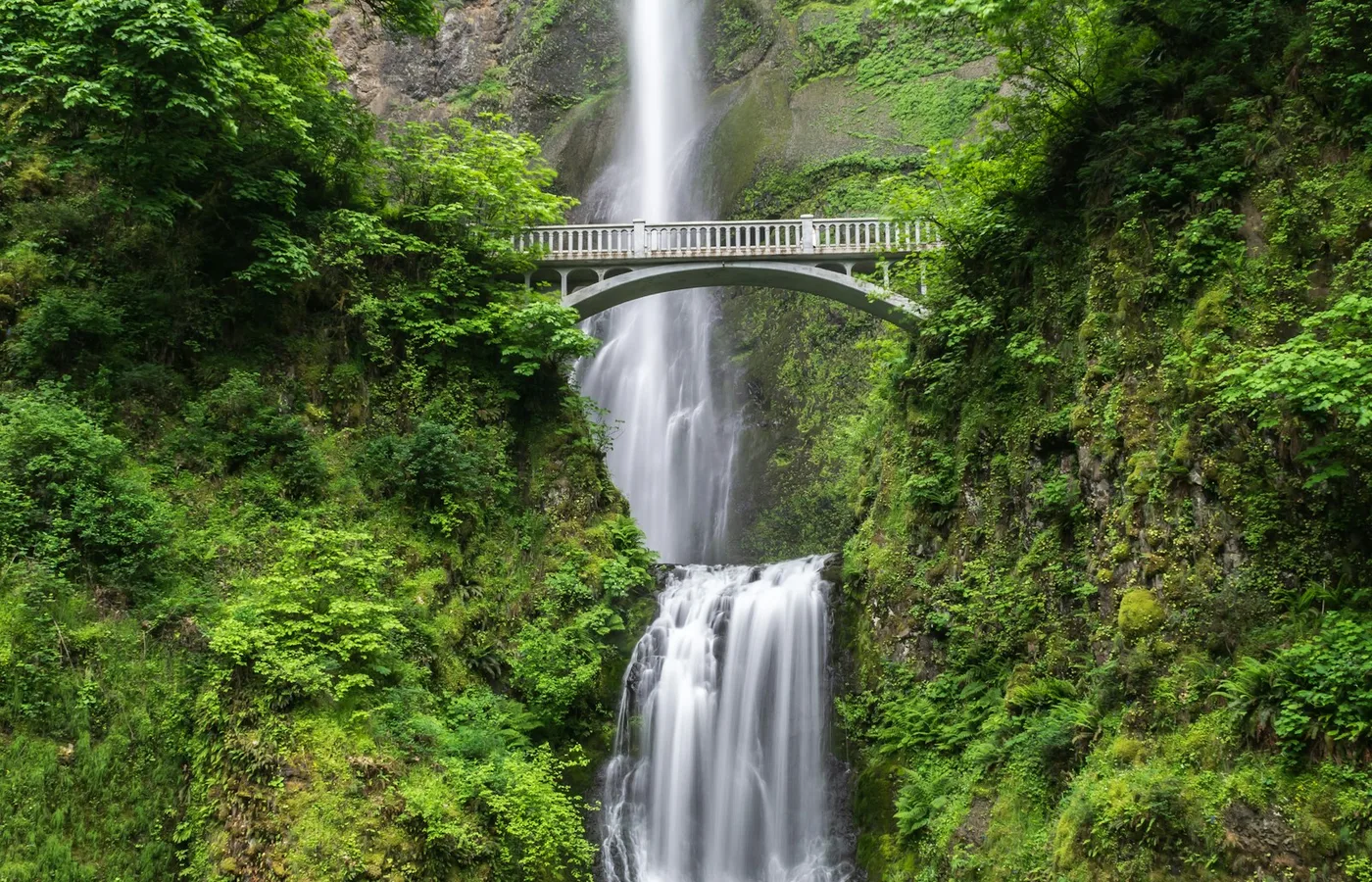
The three-tiered Sandiequan waterfall is the mountain's signature walk and its most punishing: a long descent of stone steps into a gorge, then the identical climb back out. Bring walking poles, start earlier than feels necessary, and be honest about knees and remaining daylight. A partial cable car shortens the approach but does not remove the stairs; in heavy rain or thick mist, it is entirely reasonable to skip it.
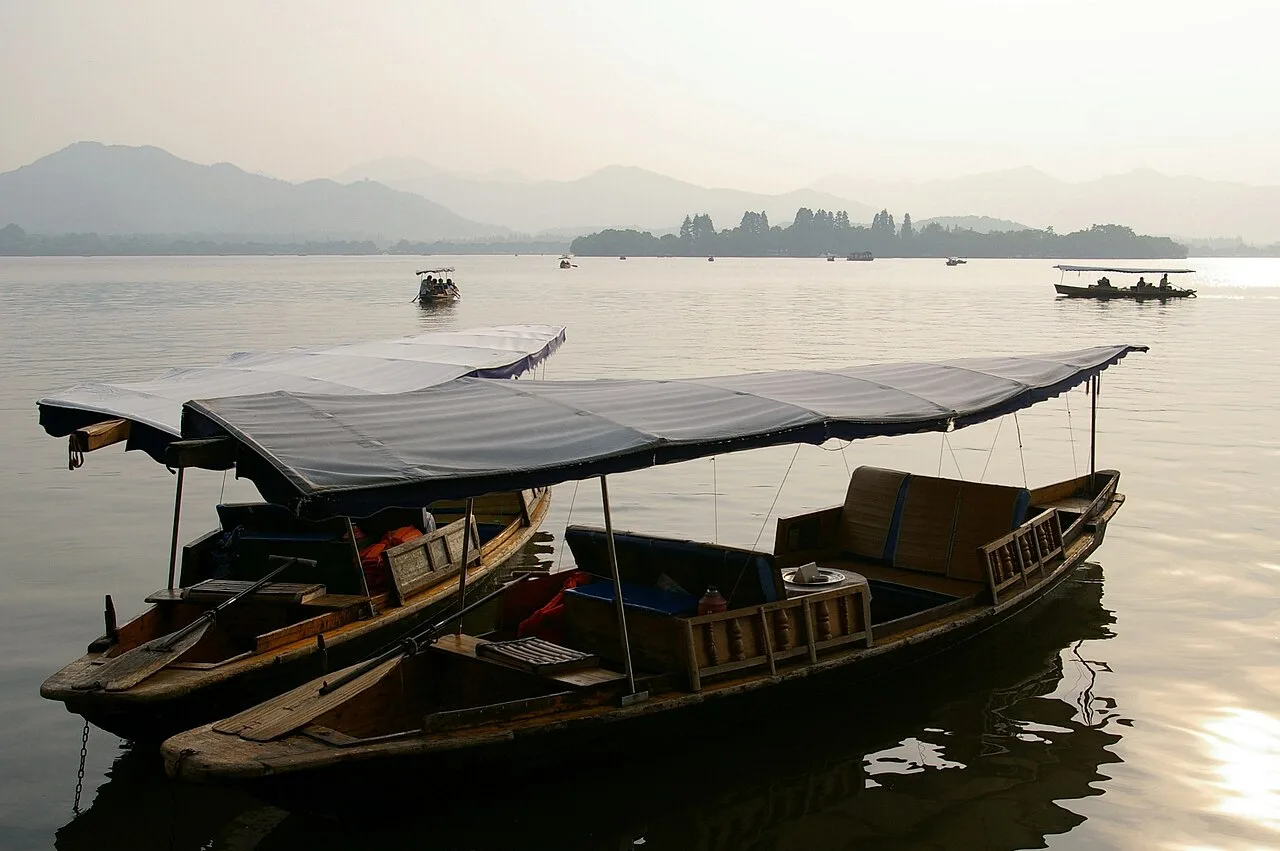
The alternative is the lake. Down at Hukou, the Yangtze meets Poyang Lake, and the low hill of Shizhongshan gives you the wide, flat horizon this region is known for. The two-tone line where river and lake meet is a lucky sight rather than a promise. In winter the lake becomes a serious birding destination; in spring and autumn it is simply vast, windy and remarkably quiet after the mountain.
Fog, Stairs and Local Manners
Weather contingency is the core skill of a Lushan trip. The mountain manufactures its own cloud, and a seemingly wasted morning can turn brilliant by two in the afternoon. Build one buffer half-day into the mountain portion, keep plans swappable, and pack a light waterproof shell plus shoes with real grip — wet stone steps are the main hazard here. Domestic holiday periods and midsummer weekends are best avoided if quiet trails matter to you.
On accessibility, be realistic: the cable car, shuttle network and town paths make Guling itself workable for many travelers with limited mobility, but viewpoints, waterfalls and villa lanes rarely come without stairs. Cultural context matters too. This is a lived-in town and a working heritage site rather than a theme park — keep voices low in temples and memorial houses, don't block lanes for photographs, and carry your rubbish back down the mountain with you.
Further China Planning
For a wider route, compare this itinerary with China by high-speed train and China travel by month. Keep the order flexible when weather, reservations or transport conditions change.
Before departure, review the China entry guide and China travel safety guide. Confirm current opening hours, ticket rules and local transport through official channels.