How to make four days work without rushing the plateau
Jiuzhaigou and Huanglong are often sold as one easy add-on from Chengdu, but they are separate scenic areas at elevation. Jiuzhaigou is a large valley system known for layered lakes and forest, while Huanglong is a higher travertine landscape with a different walking profile. Four days can work when you accept that the trip is transfer-heavy and that weather may change the order.
The most practical outline is one travel and acclimatization day, one full Jiuzhaigou day, one Huanglong day, and one return day. It is a framework rather than a promise that every lake, boardwalk, shuttle, or cableway will open. The China itinerary planner can help you place this route after Chengdu without creating an exhausting cross-country transfer.
Before booking: understand altitude, stations, and the road transfer
Chengdu is a lowland gateway; the Jiuzhai Huanglong station area and both parks are much higher. A fast rail journey reduces road time but does not remove the altitude change. Check the station printed on your ticket, confirm your hotel transfer in Chinese, and do not schedule a hard hike immediately after arrival. A first evening should be for water, food, rest, and a short walk only if you feel well.
The railway station, Jiuzhaigou valley entrance, Huanglong entrance, and nearby towns are not interchangeable addresses. Use the China Railway 12306 English site for the current Chengdu connection, then ask your accommodation which shared bus, private transfer, or official connection is operating for your date. Keep a generous road buffer because mountain traffic, rain, construction, and seasonal demand can change the timing.
Day 1: travel from Chengdu and acclimatize near the park region
Leave Chengdu early enough to reach your hotel in daylight, but do not turn the arrival day into a race for a viewpoint. Once checked in, eat a light meal, hydrate, and keep the evening simple. Headache, unusual breathlessness, nausea, or extreme fatigue are reasons to stop and ask your hotel or a medical professional for help rather than pushing through a sightseeing plan.
Use the evening to confirm the next day's entry time, the current scenic-area shuttle arrangement, and the exact pickup point. Save the Chinese names of your hotel and the park, download tickets and maps, and prepare warm layers. Autumn sun can feel mild in the valley while the wind and shade at elevation are sharply colder. Our China travel insurance and medical care guide covers the documents and emergency preparation worth arranging before a remote mountain trip.
Day 2: Jiuzhaigou valley by official sightseeing bus and boardwalk
Start with the current entry window and use the park's official sightseeing buses to link the open valleys. Jiuzhaigou is too large to walk end to end in one day, so choose a sequence from the current map rather than trying to collect every named lake. A common strategy is to use the bus for the longer uphill section, then walk a connected boardwalk segment at a comfortable pace before returning by bus.
The color of the water and the timing of autumn foliage vary with weather, elevation, and the year. Do not promise yourself a particular red or gold landscape on a fixed date. Stay on marked paths, keep away from water edges, and follow staff instructions if a boardwalk or valley is closed. Check the Jiuzhaigou official notices, the daily visitor information, and its intelligent service page before leaving the hotel.
Day 3: Huanglong with a conservative high-altitude plan
Huanglong is usually the more demanding day because the scenic area is higher and the route climbs through exposed terrain. Check the current entrance, shuttle, and cableway status before choosing whether to ride part of the ascent or walk. A cableway can reduce climbing time, but it does not remove the need to walk at altitude, and a closure may leave you with a different route than the one shown in an old guide.
Move slowly, take regular rests, and keep the plan focused on the sections that are open and safe. If you develop worsening headache, dizziness, vomiting, confusion, or trouble breathing, stop sightseeing and seek help. Do not treat altitude symptoms as a challenge to overcome for a photograph. Use the Huanglong official site and local notices for current tickets, bus connections, cableway operation, and weather-related changes.
Day 4: return to Chengdu with a real transport buffer
Mountain departures can take longer than the map suggests. Roads may be wet, coaches may load at different times, and a delayed transfer can turn a comfortable rail connection into a sprint. Book the return with enough daylight and avoid placing an important international flight immediately after the mountain transfer. If you need to fly, consider an extra night in Chengdu rather than relying on a perfect chain of connections.
Use the morning for breakfast and a short local walk only if your body feels normal. Keep passports, medications, warm clothing, and snacks in your day bag instead of in a checked suitcase. If a road closure or weather warning changes the plan, follow the operator's instruction and ask your hotel for a verified alternative; do not board an unlicensed vehicle advertised in a roadside chat group.
Autumn weather, packing, and responsible park behavior
Late September through early November can bring clear days, rain, frost, or the first snow. Foliage does not change on a guaranteed calendar, and visibility can disappear in cloud. Pack a warm mid-layer, waterproof shell, shoes with reliable grip, sun protection, water, snacks, and a power bank. Keep a flexible indoor or lowland day in your wider Sichuan itinerary in case either park changes access.
Jiuzhaigou and Huanglong are fragile highland landscapes and active visitor destinations. Stay on boardwalks, never feed wildlife, take rubbish out with you, and avoid loud music in quiet valleys. The China travel by month guide explains broad seasonal patterns, but the park's same-day notice should decide the final route.
Planning sources and cover photograph
Reviewed on October 14, 2026. Use the Jiuzhaigou official website, its tourism notices, and the Huanglong official website for date-specific ticket, shuttle, cableway, and closure information. Check Sichuan provincial information and 12306 for regional travel updates. Weather, visitor limits, road transfers, and operating products can change after publication.
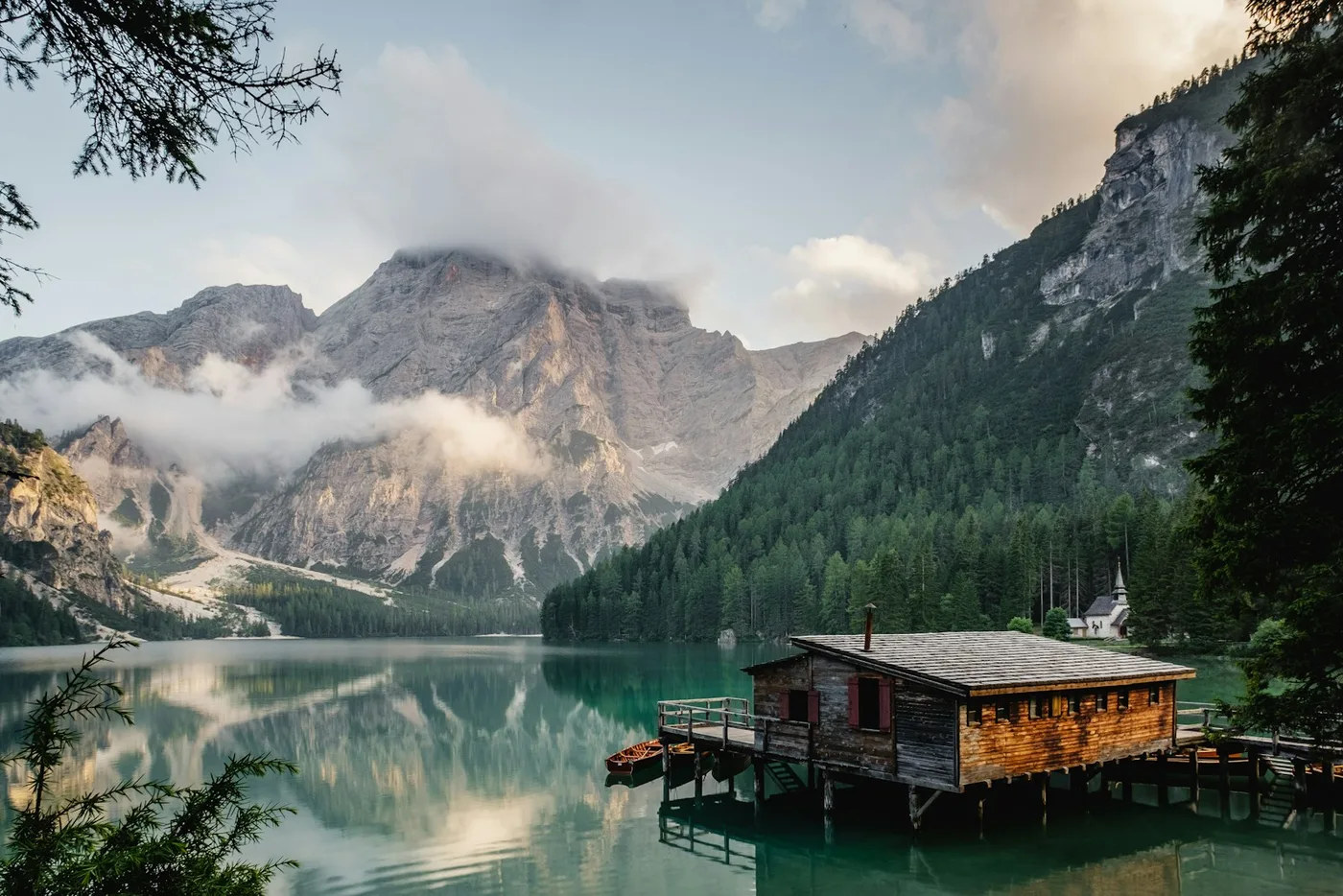
Cover photograph: Mountain lake landscape via Unsplash, used under the Unsplash License. This is a real general mountain photograph used as an illustration; it is not presented as Jiuzhaigou or Huanglong itself. It was converted and resized into responsive WebP files.


