Why Tianjin works as a three-day city break
Tianjin's appeal is its change of scale. One block can feel like a quiet architecture walk, while the Haihe opens into a broad riverfront and the old city turns toward temples, markets and food. The city is close to Beijing by rail, but its streets reward an overnight stay because evening light and local dining are part of the experience.
The key is to group neighborhoods instead of crossing the city after every photograph. Keep Five Great Avenues together, then pair Italian Style Town with the Haihe and old-city area, and reserve the final day for a museum or Binhai option chosen after checking current access. For rail and urban transfers, use our high-speed train guide and getting around Chinese cities guide.
Before you go: stations, hotels and the Beijing connection
Tianjin Railway Station is central and convenient for the Haihe and some old-city walks. Tianjin West and Tianjin South serve different rail corridors and are not interchangeable with the central station. Read the Chinese station name on your ticket, compare it with your hotel, and allow time for the final metro or taxi leg. A train sold as a Tianjin arrival does not tell you which side of the city you will reach.
Use China Railway 12306 for the exact date, station and train. A central hotel can simplify evening walks; a quieter stay near the Five Great Avenues may reduce the first day's local transfers. If you are arriving from Beijing, compare the complete door-to-door journey rather than treating the train ride alone as the travel time.
Save your hotel's Chinese address and the names of each neighborhood. Check current weather, venue notices, reservation requirements and the last practical return route each morning. Do not assume a river cruise, observation deck, museum gallery or historic interior will operate on an old timetable.
Day 1: Five Great Avenues and a slow architecture walk
Start with Five Great Avenues and treat it as a walking district, not a list of buildings to photograph from a vehicle. Choose a compact route, notice the changing facades and leave time for a café or lunch. The value is in the street scale, trees, setbacks and layers of twentieth-century urban history rather than in checking every named road.
Some buildings are active institutions, residences or businesses rather than museums. Respect boundaries, avoid entering private areas, and verify whether a particular interior has a current visitor arrangement before promising it in your schedule. A viewpoint or short local ride can be a useful alternative if rain or mobility needs make a long walk uncomfortable.
Keep the afternoon flexible. You can extend the architecture walk, choose a nearby museum or return to the hotel before dinner. Wind, air quality and wet pavement can change the experience quickly, so comfortable shoes, a layer and a small rain cover matter more than a packed route.
Day 2: Italian Style Town, Haihe and the old city
Use day two for a different urban texture. Italian Style Town and the Haihe waterfront make a natural pair because they combine architecture, public space and river views. Walk a manageable section, then check the current status of any museum, former residence or building interior you want to enter. Reconstructed or branded districts can change their access arrangements, so read the current notice rather than treating an older guide as a ticket.
Continue toward the old city for temples, market streets and local food. Tianjin is a good place to try northern staples such as jianbing, guobacai and dumplings, but choose a clean, busy venue and ask about ingredients if you have allergies. Our China food travel guide explains useful ordering phrases and food-safety decisions.
The Haihe is most atmospheric when you are not rushing between both banks. If you want a night view or boat experience, verify the current departure point, weather policy and last service on the day. Keep a bridge, riverside walk or indoor venue as a backup instead of making a fixed cruise the condition for the evening.
Day 3: choose a museum, waterfront or Binhai plan
Use the final day to match the city's current conditions and your interests. A city museum can add context after the architecture walks; a longer Haihe or waterfront section can provide a quieter pace; Binhai can be a separate modern-city outing if you have checked the complete route and venue status. Do not combine a distant Binhai museum with a full old-city checklist on the same day.
The National Maritime Museum area is a possible extension for travelers who want a dedicated maritime day, but it requires independent transport and current opening or reservation checks. Treat it as an optional fourth-day idea unless your exact route has been verified. For a rainy day, choose one confirmed indoor venue and build the meal around it rather than moving between exposed attractions.
If the first two days were tiring, repeat the part of Tianjin you enjoyed most. A final short walk, a local breakfast and an unhurried departure can be better than adding one more distant landmark. Keep luggage and station transfer time separate from sightseeing time.
Food, accessibility and practical pacing
Tianjin's historic streets include uneven paving, steps, traffic crossings and long blocks. Travelers with limited mobility should ask about step-free entrances, toilets and seating before choosing a venue. Families may prefer shorter architecture loops with a planned indoor break. A taxi or ride-hailing leg between districts can be worthwhile when heat, rain or fatigue makes a long transfer inefficient.
Keep food plans flexible. A famous shop may have queues or a changed service arrangement, and a dish's name does not explain every ingredient. Show a translated dietary note, ask whether a dish contains peanuts, seafood or meat, and carry water during long walks. For general safety and health preparation, see our China travel safety guide.
Tianjin's river and open avenues can feel colder or windier than a sheltered street. Check the local forecast and air-quality information close to your visit, dress in layers and avoid guaranteeing a particular sunset or night view.
When to add a fourth day
Add a fourth day if you want Binhai, a deeper museum visit, more time in Five Great Avenues or a slower food-focused schedule. It is also useful when arriving late from Beijing or departing on an early train, because the station transfer should not be treated as sightseeing time.
A longer stay lets you separate architecture from riverfront evenings and keep one weather buffer. For wider seasonal route planning, compare our China travel-by-month guide, and connect Tianjin with our Beijing itinerary if you are building a northern China trip.
Planning sources and cover photo note
Reviewed October 22, 2026. Use the Tianjin municipal government portal for city notices and public information, 12306 for rail schedules and tickets, and each museum, district or attraction's current official notice for entry, opening, reservation and transport details. We do not list fixed fares, cruise times or building access because these can change. Verify the complete route for your dates.
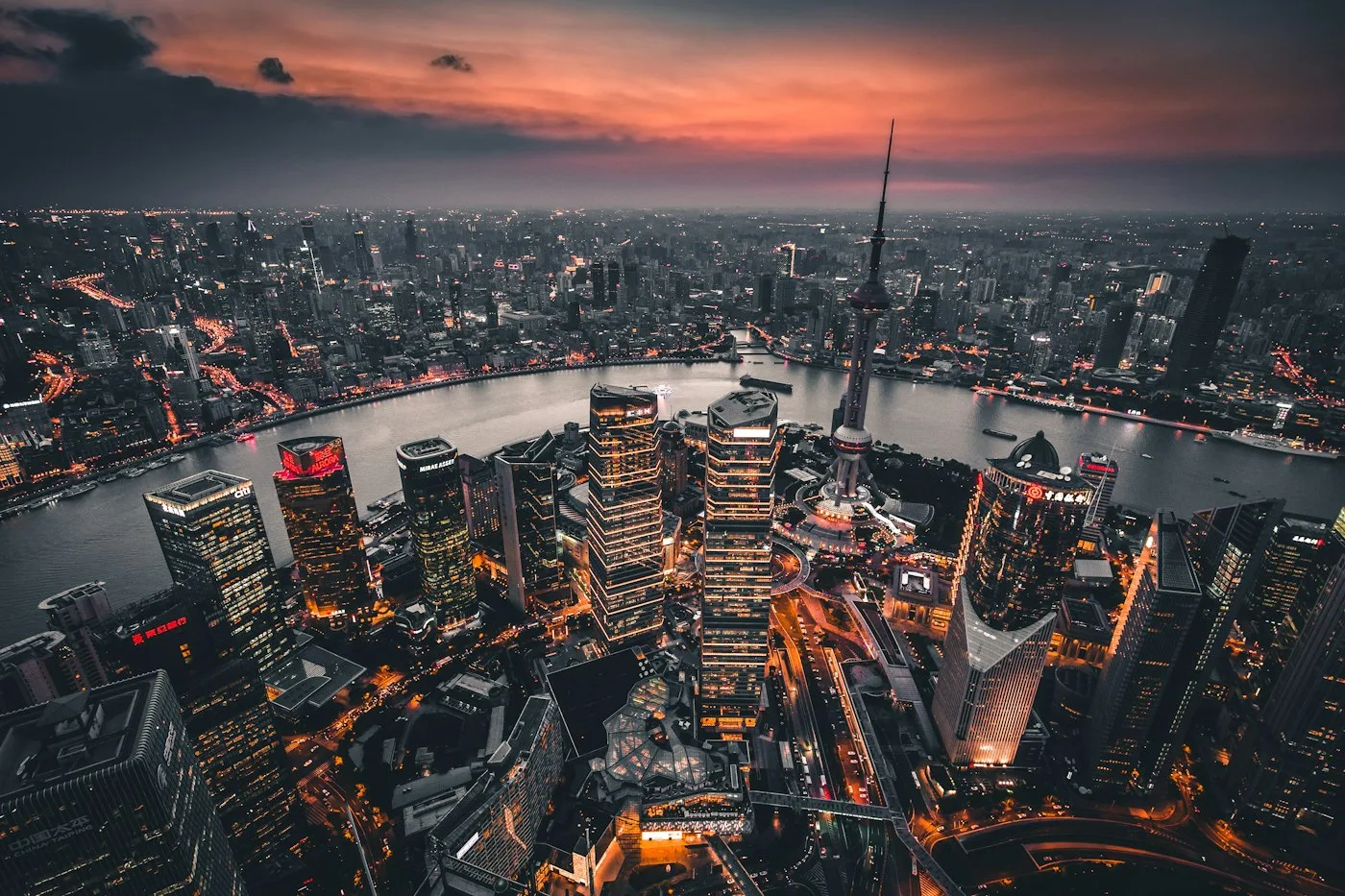
Cover photograph: a real urban river skyline image from Unsplash, used under the Unsplash License. It is a neutral atmosphere photograph, not a Tianjin landmark photograph, and is labeled accordingly.