Why Hangzhou is an ideal first stop in eastern China
Hangzhou offers a gentler counterpoint to China's largest metropolitan centers. The city has a modern metro, excellent rail connections, and a lively food scene, but its defining experience is still unhurried: a morning beside West Lake, a cup of Longjing tea in the hills, or a quiet pause beneath an old temple gate. The famous landscape is not a single viewpoint. It is a collection of paths, causeways, gardens, and small choices that reward travelers who leave gaps in the schedule.
Choose accommodation within an easy walk of West Lake, a metro station, or both. The lake's eastern shore near Longxiangqiao and Hubin is convenient for a first visit; Wulin Square and the city center make onward transport simple; areas south of the lake can feel quieter but require more attention to the last connection home. Before you travel, check current attraction hours, reservation requirements, and weather notices. Our China high-speed train guide explains the station details that matter when arriving from Shanghai or another major city.
Before you go: choose a base and prepare for changing weather
Hangzhou is walkable in clusters, but the complete city is larger than a map of West Lake suggests. A hotel near the lake saves time for sunrise and evening walks, while a metro connection is valuable when rain, heat, or a long day in the tea hills changes your plan. Save the Chinese names of your hotel and main attractions in your phone, and keep an offline note with the address for ride-hailing or taxi drivers.
Spring and autumn are usually comfortable for long walks, although rain can arrive in any season. Summer is humid and bright, so start outdoor visits early and keep an indoor tea house or museum as a midday option. Winter can be quiet and atmospheric around the lake, but some gardens and boat services may operate on reduced schedules. Recheck official information shortly before each visit rather than assuming last year's hours still apply.
Day 1: West Lake at walking pace
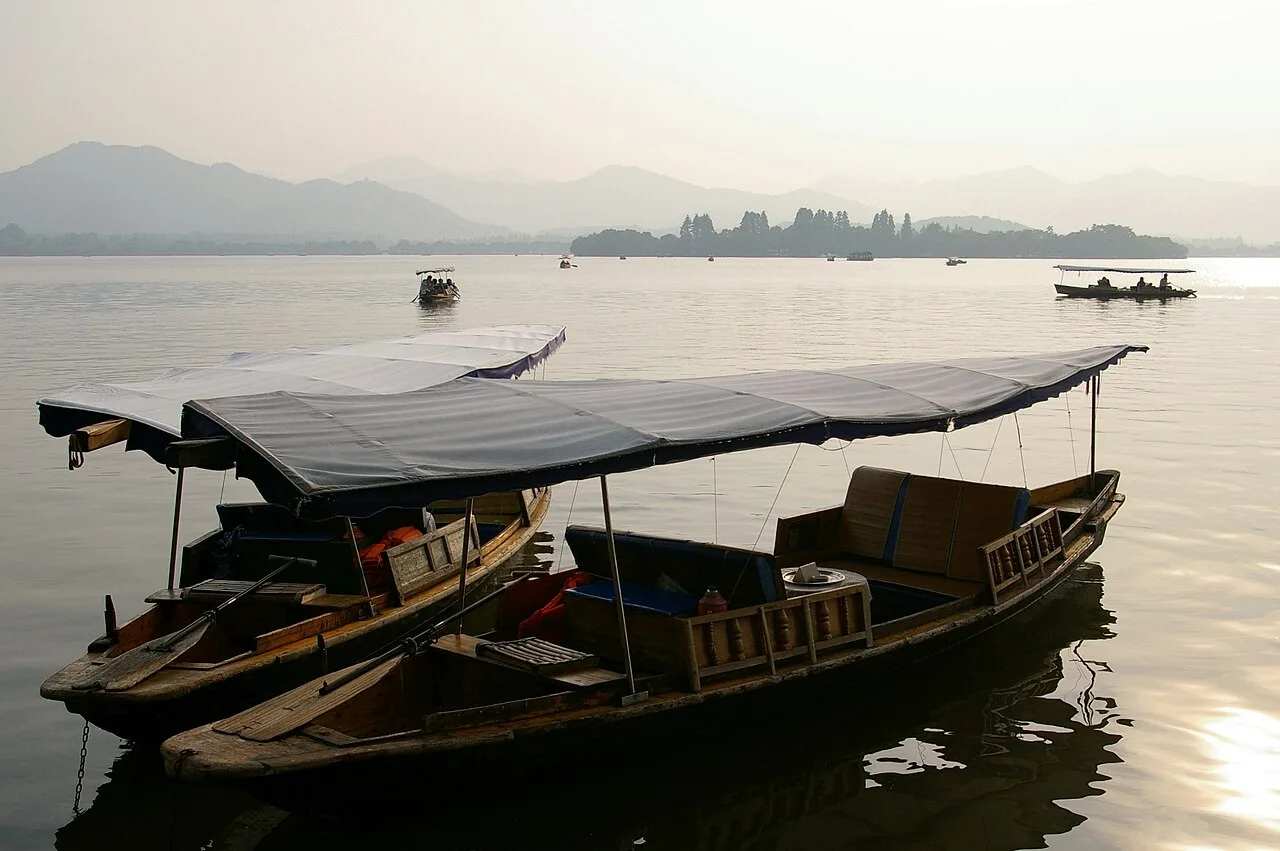
Start at the eastern side of West Lake and walk toward the water before the busiest part of the morning. Hubin Park and the lakeside promenade make an easy introduction, with broad views toward the hills and a chance to get your bearings. From there, choose a section of the Su Causeway or a shorter loop around the northern shore. The goal is not to complete every famous bridge. Stop at a pavilion, watch the boats, and let the landscape set the pace of the day.
Continue toward Broken Bridge and the quieter gardens around Gushan if your energy and the weather allow. The Zhejiang Provincial Museum and nearby historic sites can provide a useful indoor break, but confirm current opening days and entry procedures before relying on them. Comfortable shoes matter more than a packed sightseeing list because paths can be longer than they look and the most memorable views often come between the headline stops.
For lunch, look for a restaurant serving Hangzhou dishes rather than ordering only familiar national favorites. West Lake fish in sweet-and-sour sauce, beggar's chicken, dongpo pork, seasonal vegetables, and delicate noodles are common local references, but preparation and portion sizes differ. Tell staff about allergies before ordering and ask whether a dish contains peanuts, shellfish, or cooking wine. A simple lunch near the lake leaves room for a slower afternoon.
Day 1 evening: sunset, tea, and a flexible dinner
Return to the lake around sunset from a different shore or a public promenade near your hotel. Light changes quickly across the water, and a short walk is often more rewarding than waiting in one crowded photo spot. A boat ride can be pleasant when services are running, but compare the route, boarding point, last departure, and weather policy before buying. If the lake is busy, keep the plan simple and enjoy the view from land.
Spend the evening in a tea house or a relaxed local restaurant. Hangzhou's tea culture is not limited to a formal tasting; it can be as simple as sitting with a pot of green tea and a few small dishes while the city quiets down. Ask what is seasonal and whether the tea is from nearby Longjing villages. For more planning context, our China payment guide covers the mobile payment and cash backup habits that make smaller restaurants easier.
Day 2: Longjing tea country and Lingyin Temple
Leave for the western hills early on day two. The Longjing tea area is close to the city but feels completely different, with narrow roads, tea terraces, village restaurants, and wooded walking routes. Ride-hailing is convenient for the first connection, although traffic can slow around weekends and public holidays. Confirm the exact tea village or museum name in Chinese before you set out because several attractions use similar English translations.
Treat the tea country as a landscape and working community, not just a backdrop. Walk only on marked paths, ask before photographing residents or workers, and buy tea from a place that explains its harvest and storage rather than making grand claims. A short tasting is enough to learn how fresh green tea differs from a heavily roasted style. If the weather turns wet, choose a tea museum or covered tasting room and keep the longer hill walk for a clearer day.
Continue to Lingyin Temple and the nearby Feilai Feng grottoes if current tickets, hours, and visitor rules fit your schedule. These are active religious and cultural places, so dress respectfully, keep voices low, and follow restrictions on photography. The complex can be crowded, especially during weekends and holidays; arriving early gives you more space and a cooler walk. Allow time for the approach paths rather than treating the temple as a quick photo stop.
Day 2 evening: return through the city without rushing
After the hills and temple, plan a low-pressure evening. You could return to the lake for a short walk, explore a neighborhood market, or book a calm dinner near your hotel. Hangzhou food is often described as refined, but that does not mean every meal needs to be formal. Look for noodles, dumplings, rice dishes, and seasonal vegetables when you want something restorative after a full day outdoors.
If you still have energy, visit Hefang Street or the nearby old city streets early in the evening and leave when the area becomes crowded. These streets mix historic buildings, snack shops, and souvenir stores, so keep expectations practical and watch your belongings in dense areas. A small purchase of tea or a local sweet can be more meaningful when you know where it came from and how you will use it at home.
Day 3: Grand Canal history or a second side of West Lake
Use the final day to see a different side of Hangzhou. The Grand Canal neighborhoods north of the center offer a slower look at warehouses, bridges, museums, and the waterway that linked the city to a much larger trading network. Check current museum openings and boat schedules, then choose one or two stops instead of trying to cover the entire canal. Public transport is straightforward, but a taxi or ride-hailing car can save time between separated entrances.
If the canal is not a good fit for the weather, spend the morning on a quieter West Lake garden or a museum you skipped on day one. You could also use the day for a short visit to Xixi Wetland if current transport and ticket arrangements make sense. Keep the final afternoon flexible for lunch, packing, and a last tea stop. Hangzhou is more enjoyable when the itinerary has room for a change of mind.
Travelers continuing to Shanghai can take high-speed rail, but check whether your ticket leaves from Hangzhou East, Hangzhou, or another station and allow time for the transfer. The cities combine naturally, yet they should not be treated as one oversized day trip. Our Shanghai first-time itinerary can help you decide how many nights to keep in each place.
Practical Hangzhou details: transport, food, and respectful travel
The metro is useful for the city center, while buses, taxis, and ride-hailing fill the gaps around West Lake and the hills. Traffic near the lake and tea villages can be slow at peak times, so compare the complete door-to-door journey before choosing a car. Save both English and Chinese addresses, keep your passport available for tickets, and carry a small amount of yuan for stalls or places where mobile payment is not convenient.
West Lake has many entrances and paths, so use a landmark or gate name instead of telling a driver only that you want the lake. Wear shoes that can handle long paved walks, carry water, and pack a light rain layer. Boat services, attractions, and temple procedures may change for holidays or weather. Check official notices each morning and keep one indoor alternative ready.
Most importantly, leave space for the ordinary moments that make Hangzhou distinctive: a local breakfast, a shaded bench, a tea conversation, or a quiet bridge after the tour groups leave. Ask before photographing people, avoid walking through tea fields or private courtyards, and follow signs at religious sites. A respectful, flexible traveler will see more of the city than someone trying to collect every named viewpoint.
Cover photo credit
Cover photo: Boats on the West Lake in Hangzhou before sunset by Jakub Hałun, via Wikimedia Commons, licensed under CC BY-SA 3.0. The image is converted from JPEG to WebP and scaled for responsive display; this adapted version is shared under the same license.