Why Guangzhou works so well for a first China visit
Guangzhou feels substantial without requiring a visitor to understand all of China at once. It is a major commercial center with a useful metro, large museums, and contemporary towers, but its older lanes still revolve around family restaurants, morning markets, temples, and tea. Cantonese culture is visible in the food, architecture, language, and unhurried habit of meeting friends over several small dishes. The result is a city that rewards curiosity rather than a frantic landmark checklist.
Choose a hotel within a short walk of a metro station and organize each day around one area. Liwan and the old city are convenient for historic streets and traditional food; Yuexiu keeps you close to parks, museums, and rail connections; Zhujiang New Town suits travelers who want a polished skyline and easy evening walks. Before departure, check current attraction hours, reservation rules, entry requirements, and transport notices through official sources. Our China SIM and eSIM guide and China payment guide cover two setup tasks that make the first morning much easier.
Day 1: Liwan, Chen Clan Hall, and old Guangzhou
Begin in Liwan, where Guangzhou's older commercial and residential history is easier to read at walking pace. The Chen Clan Ancestral Hall is a strong first stop for its carved wood, ceramics, stone work, and roof decorations. Check the current opening schedule, ticket channel, and identification requirements before you go, because museum procedures and busy-period reservations can change. Give yourself at least an hour to look at the details rather than rushing through the central courtyard for one photograph.
After the hall, walk toward the old neighborhoods around Liwan Lake, Lychee Bay, or Yongqing Fang, choosing a route that matches the weather and current crowd levels. Restored streets can be lively and photogenic, but they are also working neighborhoods with residents, deliveries, and small businesses. Keep doorways clear, ask before photographing people, and look for the ordinary details between the renovated facades: herbal shops, wet-market produce, balconies, and family-run noodle counters.
Make lunch your first deliberate Cantonese meal. Dim sum is traditionally shared, so start with a few baskets and add more as you learn what you like. Har gow shrimp dumplings, siu mai, steamed rice rolls, turnip cake, and char siu are approachable choices, but menus vary and some fillings contain shellfish, pork, or peanuts. Use a translation note for allergies, and do not feel obliged to order a huge spread. A small, fresh meal leaves room for an afternoon tea stop or a second snack.
Day 1 evening: Shamian Island and a slower dinner
Spend late afternoon on Shamian Island if you want a change of pace. The former concession area has broad paths, mature trees, historic buildings, churches, and riverside air. It is a pleasant place to walk after the denser old-city streets, but treat it as a living public area rather than a film set. Read the plaques, notice the mix of architectural styles, and avoid blocking entrances or photographing private gatherings.
For dinner, choose one Cantonese specialty and order it properly rather than trying to cover every famous dish. Roast goose, steamed fish, clay-pot rice, double-boiled soup, and seasonal greens each show a different side of the cuisine. Ask the restaurant about portion size and preparation, especially when ordering seafood. If you prefer a lighter evening, return to Liwan for rice noodles or congee and save a more elaborate meal for day two.
Day 2: Yuexiu Park, history, and a Cantonese food crawl
Start day two in Yuexiu Park, one of the city's best places to combine greenery with history. The Five-Story Pagoda area and the Five Rams sculpture are familiar landmarks, but the park is more enjoyable when you allow time for paths, ponds, and local morning routines. Guangzhou can be hot even outside summer, so go early, carry water, and wear shoes suitable for slopes and uneven paving. Confirm current museum and monument access rules before building your morning around a particular building.
From the park, choose one nearby cultural stop instead of adding three museums to the same morning. The Guangzhou Museum, the Museum of the Western Han Dynasty Mausoleum of the Nanyue King, or the Sun Yat-sen Memorial Hall can each add context, depending on your interests and the day's opening schedule. Timed entry and closure days vary, so use official listings as the final authority. A focused visit followed by lunch is more memorable than collecting ticket stubs while watching the clock.
Use the afternoon to explore a market or food district with a plan. Beijing Road is convenient for a first look at central shopping streets and historic layers beneath the pavement, while a neighborhood market offers a more everyday view of ingredients and snacks. Try cheung fun rice rolls, wonton noodles, beef brisket noodles, coconut dessert, or a fresh fruit drink. Keep portions small, sit down when possible, and note dish names in your translation app so you can reorder a favorite later.
Day 2 evening: Tea, Canton Tower views, or a neighborhood table
Guangzhou's tea tradition deserves more than a hurried cup at breakfast. Find a tea house or restaurant that explains the choices, order a pot, and watch how locals use the table rather than treating tea as a souvenir tasting. If you are offered several varieties, ask which one is fragrant, roasted, or mild. The small ritual of refilling cups and sharing snacks is part of the experience, so leave enough time for conversation and people-watching.
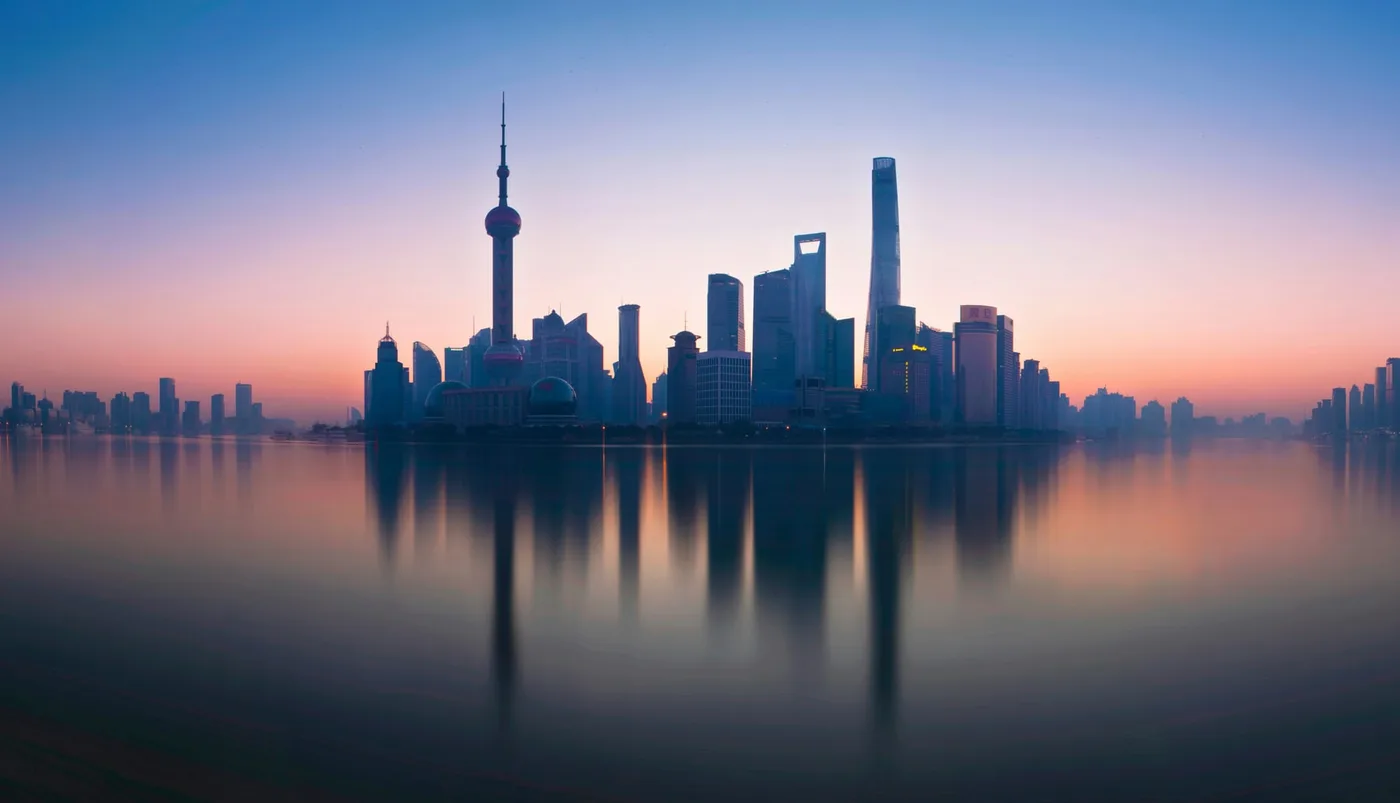
For an evening skyline, take the metro toward Zhujiang New Town or the Canton Tower area and choose one viewpoint. The tower, riverfront, and surrounding bridges are impressive, but visibility depends on weather and humidity. Check current ticket options and operating hours through the official channel if you want to go up; otherwise, a riverside walk can provide a more relaxed view with no timed entry. Leave the area before the last train you need, and use a ride-hailing pickup point only after confirming the exact location in the app.
If a skyline is not your priority, stay in a neighborhood restaurant and order a shared dinner. Guangzhou is at its best when dishes arrive gradually: soup, vegetables, a roast or steamed centerpiece, and rice or noodles at the end. Ask about service charges, minimum orders, and preparation time before settling in. The point is not to find one definitive restaurant but to understand how Cantonese meals balance freshness, texture, and restraint.
Day 3: Pearl River, modern Guangzhou, and a flexible finish
Use the final day for the Pearl River and modern Guangzhou. Start around Zhujiang New Town with a walk through the central business district, then continue toward the river when the heat is manageable. The area is spacious and polished, with the Guangzhou Opera House, Guangdong Museum, and public art nearby. Check current museum hours and reservation requirements, and choose one interior stop as a useful weather backup. The district is easy to overfill with attractions, so one museum plus a long lunch is a sensible pace.
A Pearl River cruise can be a good evening plan, but schedules, boarding points, ticket types, and weather policies change. Compare the complete route and return time before buying, especially if you have an early train or flight the next morning. If you prefer flexibility, take a short riverside walk at sunset and watch the city lights come on from a public promenade. The view is free, unhurried, and often easier to combine with dinner than a fixed cruise departure.
Use any remaining hours for the place you most enjoyed: another dim sum breakfast, a tea house, a market, or one small museum. If you are leaving by high-speed train, confirm whether your ticket departs from Guangzhou South, Guangzhou, or another station; they are different parts of the city. Leave more transfer time than a map suggests, keep your passport and booking details accessible, and avoid scheduling a distant attraction immediately before departure.
Practical Guangzhou details: transport, weather, and food habits
The metro is usually the most predictable way to cross Guangzhou, while ride-hailing helps with luggage, early starts, and the last connection to a restaurant. Save hotel and attraction names in Chinese characters, and confirm a pickup point outside a large station or shopping mall before requesting a car. Major stations include security checks and long corridors, so build in time even when the route looks short. Keep a backup card and some Chinese yuan because payment acceptance varies between large venues and small stalls.
Guangzhou's subtropical weather can mean humidity, sudden rain, and strong sun in the same day. A compact umbrella, breathable layers, comfortable shoes, and a water bottle are more useful than formal clothes. Indoor plans such as a museum, tea house, or long lunch make good anchors around the hottest or wettest hours. Recheck the forecast, attraction notices, and transport service updates each morning rather than relying on an old itinerary.
Cantonese food is broad enough for several trips, so do not judge it only by one expensive banquet or one crowded snack street. Eat breakfast like a local when you can, share dishes, and ask what is seasonal. Explain allergies clearly and confirm sauces, broths, and fillings; shellfish, peanuts, sesame, and pork appear in many preparations. A respectful appetite, a little patience, and one flexible meal each day will make Guangzhou feel generous rather than overwhelming.