Plan Wuhan by riverbank, not by a flat map
Wuhan's scale is easy to underestimate when several landmarks appear close together on a map. The Yangtze and Han rivers divide the city, bridges and tunnels funnel cross-river journeys, and a short-looking trip can involve more time than the distance suggests. For three days, think in geographic clusters: Wuchang on day one, the museum and one selected East Lake area on day two, then Hankou on day three.
This route is intentionally selective. East Lake is a broad scenic area with several distinct zones, not one small garden that can be crossed between museum appointments. Likewise, Hankou's historic buildings and commercial streets are spread across a larger urban district. Choose a few meaningful stops and leave room for meals, weather, queues and the journey back to your hotel. For a general overview of local transport choices, see our getting around Chinese cities.
Before you go: choose a base and check the right station
Wuchang is convenient if Yellow Crane Tower and the museum are your priorities; Hankou can suit travelers who want to spend more evenings around its commercial and riverside districts. Neither side is universally best. Compare your hotel with your arrival station, planned day trips and onward departure, and confirm that the accommodation accepts your travel documents before booking.
Wuhan, Hankou and Wuchang are separate railway stations. Read the station name on your ticket in Chinese as well as English, then plan the last leg to your hotel. Do not assume a high-speed train arrives at the station closest to your first attraction. Check date-specific trains on China Railway 12306 and allow time for station security and city traffic. Our China high-speed train guide covers station and ticket basics.
Before setting out each morning, check venue announcements, ticket or reservation instructions, weather, and live transit directions. Keep each destination's Chinese name saved on your phone, along with your hotel's Chinese address. Opening times, entry procedures, construction and transport can change; this guide is a planning framework, not a promise of same-day access.
Day 1: Yellow Crane Tower and a measured Wuchang day
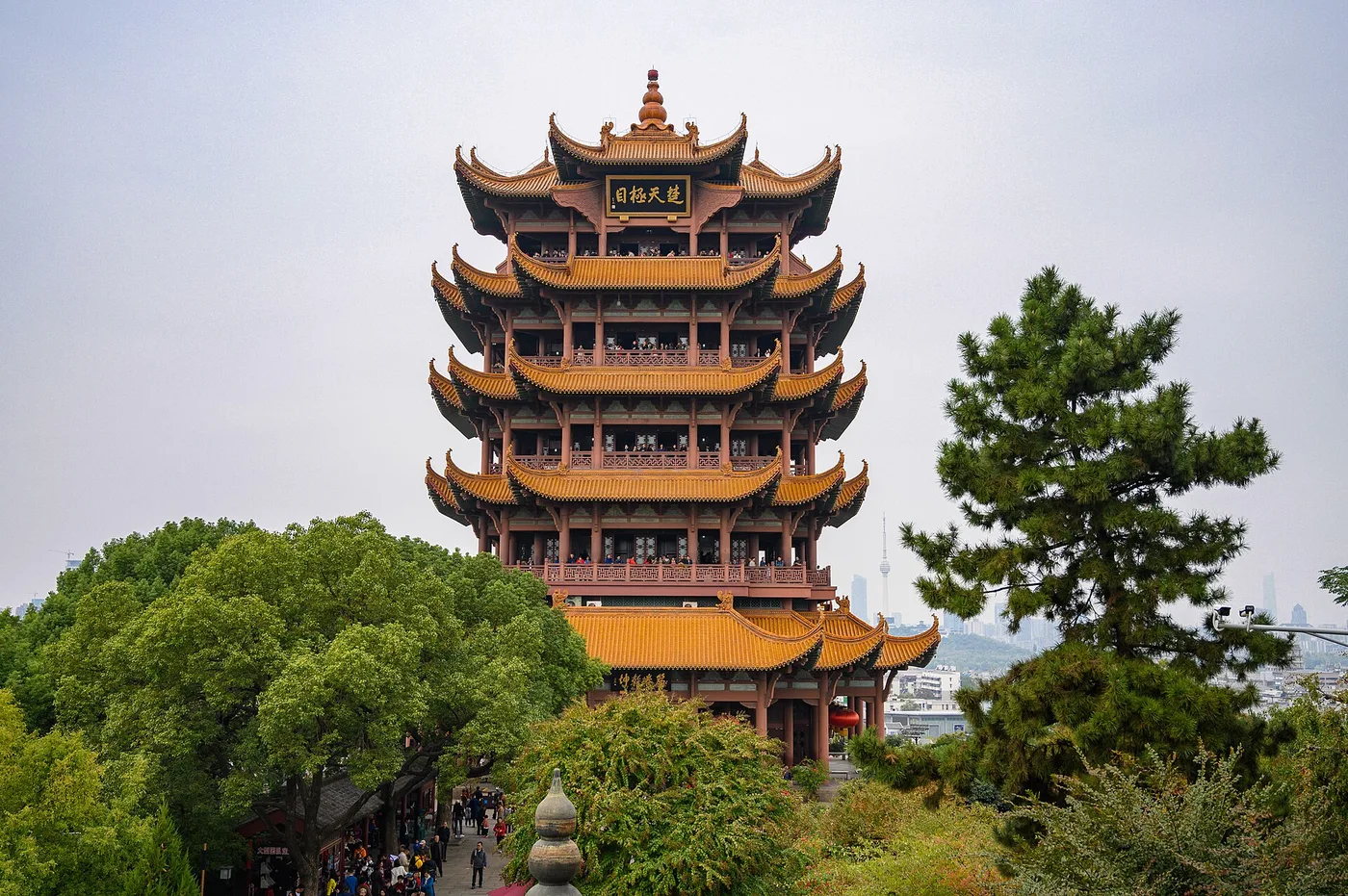
Start on Snake Hill at Yellow Crane Tower, one of Wuhan's defining landmarks. The official park describes its setting in Wuchang; allow time for the approach, the hill and the experience inside rather than treating it as a quick photograph stop. Stairs, visitor flows and weather can affect how long the visit takes, so check the park's current notice before choosing an arrival window.
After the tower, keep the rest of the day nearby and flexible. You might explore a nearby historic or food street, pause for a sit-down meal, or return to your hotel for a break before an evening riverfront view. Pick one additional anchor rather than stacking several attractions on opposite sides of town. If the park is busy or conditions are hot or wet, shorten the walking loop instead of rushing to make up time.
The tower's official website is the first place to check for its own current visitor information: Yellow Crane Tower Park. Its transit directions may not reflect today's network, so compare them with a live map before traveling.
Day 2: Hubei Provincial Museum and one part of East Lake
Give Hubei Provincial Museum a focused visit. Its collections offer a strong introduction to the region's archaeology, history and material culture; the museum's current exhibitions and service information can help you decide what deserves the most time. Check the official site for date-specific admission, reservation requirements, opening notices and any gallery closures before you go: Hubei Provincial Museum. Do not rely on a third-party summary for the rules in force on your visit date.
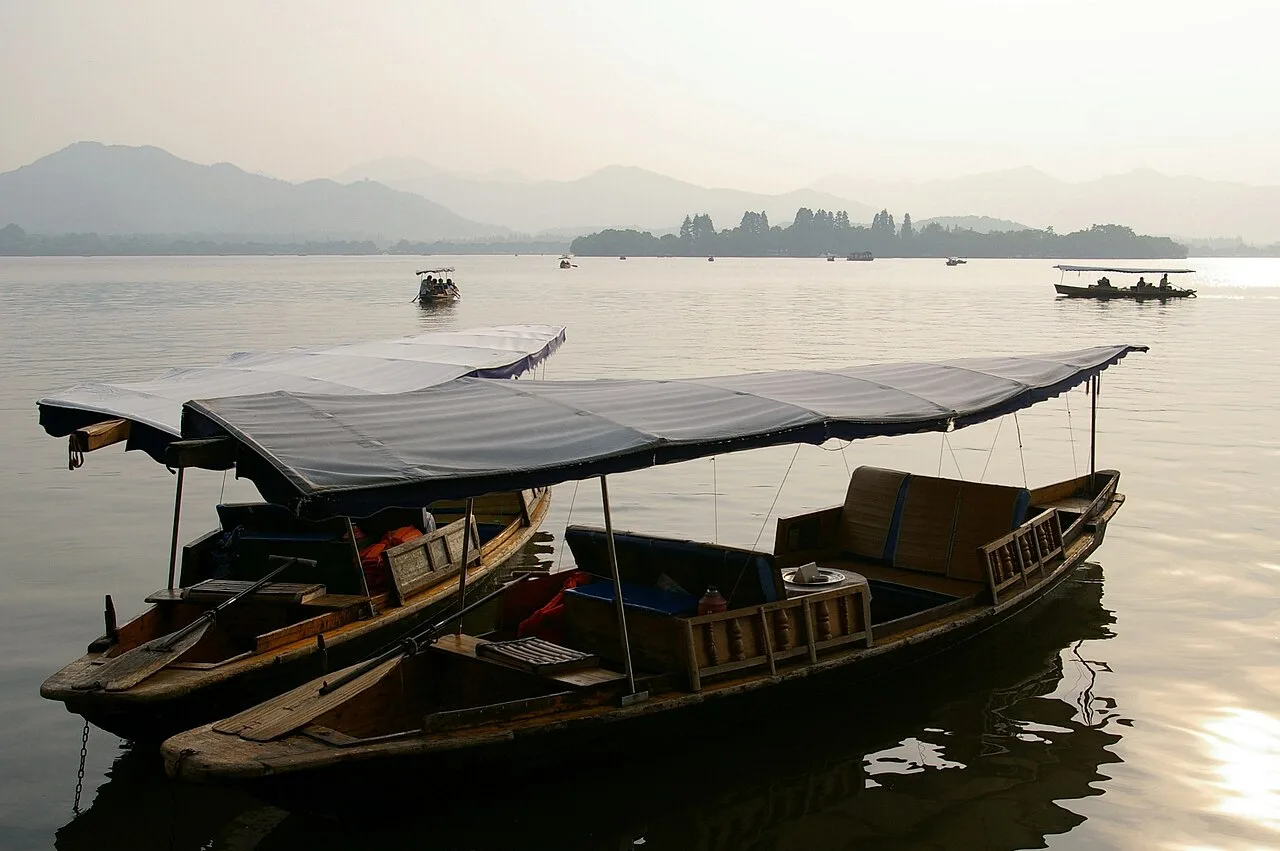
Pair the museum with one East Lake area, not an attempt to circle the whole lake. The East Lake authorities identify distinct scenic areas including Tingtao, Moshan, Luoyan and Chuifudi, while the greenway itself is divided into sections. Choose the area that fits your energy and the museum exit point, then check its access and transport independently. The East Lake Greenway operator publishes current notices, including transport trials that may change over time.
A relaxed version of the day is museum first, lunch nearby, then a walk or ride along one chosen lakeside section. If you want a longer greenway outing, reduce museum time or add a fourth day rather than promising yourself a full lake circuit. Bring water, comfortable shoes and a layer for the lakeside; check the local forecast, especially if your chosen area has exposed paths.
Day 3: Hankou's historic streets and the riverfront
Set aside a day for Hankou, whose riverfront history and commercial districts feel different from Wuchang's hill and lake settings. Jiang'an District's official overview describes the area's development after Hankou opened in 1861 and its historic buildings. Use that context as a reason to slow down: look at building details, street scale and the changing relationship between the old commercial center and the river.
Choose a manageable walking area from a current map. Jianghan Road, nearby historic-building streets and the riverfront can each be useful anchors, but do not assume they form one tiny block or that every building is open to enter. Confirm start and end points, use transit or a taxi between separated clusters if needed, and leave a meal break instead of trying to walk every street in one afternoon.
A river crossing by ferry can be a memorable option when a service is operating, but do not build a tight itinerary around it. Verify the current terminal, direction, operating notice and last departure on the day. If the service is unavailable or the weather turns, use a bridge or tunnel route shown by your live map and keep the evening plan on the same side of the river.
Moving across Wuhan without losing the day
The simplest rule is to avoid unnecessary cross-river returns. Keep your hotel location in mind when arranging each day's finish, and check the destination, route and estimated time shortly before departure. Metro, buses, taxis and ride-hailing can all be useful, but the best option depends on current service, traffic, weather and your exact start point. Our attraction ticket guide explains why venue-specific booking rules should be checked directly.
If you arrive by train and leave from another station, plan the final transfer as its own trip. Wuhan's railway stations are not interchangeable, and a station name can be easy to misread when booking in a hurry. Keep a buffer for luggage, station security, traffic and finding the correct entrance; avoid scheduling an attraction immediately before a departure that cannot be changed.
For practical communication, show the Chinese destination name in your map or translation app and confirm the drop-off point before a car leaves. Save your hotel address offline. If you are traveling with children, older relatives or anyone who needs step-free access, check station exits, stairs and walking distances rather than relying only on a route's total duration.
What to pack and when to add a fourth day
Wuhan's walking days can include hills, museum floors, riverside paths and open lakeside sections. Comfortable shoes, a compact rain layer, water and a charged phone are more useful than an overfilled schedule. Summer heat and humidity can make long outdoor blocks tiring; in cooler months, check the forecast and bring a layer for wind near the water. These are general planning considerations, not a prediction for your dates.
Add a fourth day if you want more than one East Lake area, need a slower pace, or plan to spend longer with the museum collections and Hankou's architecture. A spare day also gives you a buffer if a venue changes access or rain affects the greenway. For wider seasonal planning across China, compare our month-by-month travel guide.
Official planning sources and photo credit
Reviewed October 18, 2026. For current visitor information, check Yellow Crane Tower Park, Hubei Provincial Museum, the East Lake Greenway operator, the East Lake Scenic Area Management Committee, and the Jiang'an District government overview. Use 12306 for rail availability. Official pages and transport notices can change; reconfirm access, admission, service and route details for your exact date.
Cover photograph: Yellow Crane Tower in Wuhan by xiquinhosilva via Wikimedia Commons.jpg), licensed under CC BY 2.0. The photograph was resized and converted to WebP. The image credit and license apply to the photograph, not the article text.