How to use seven days on Hainan
Hainan works best when you treat it as three different travel zones rather than one continuous resort strip. Haikou has the island's northern city rhythm, arcades, parks, and food streets. Wanning is a coastal middle stop with surf beaches and bays that need last-mile transport. Sanya has the most developed resort choices, but its bays are spread out and a hotel change can consume half a day.
The practical first-visit split is two nights in Haikou, two in Wanning, and three in Sanya. It gives you a city opening, a less urban beach section, and a relaxed finish. The China itinerary planner can help you add Guangzhou, Hong Kong, or another mainland stop without turning the island into a string of one-night transfers.
Before booking: airports, railway stations, and beach areas
Haikou Meilan Airport and Haikou's city hotels are connected, but your exact airport-to-rail or airport-to-hotel transfer depends on the ticket and terminal information for your date. Hainan's high-speed rail network connects the main cities, yet a station is rarely on the beach itself. Wanning Station, for example, is not the same place as Shimei Bay or Riyue Bay; reserve a car, taxi, or current bus connection before assuming you can walk from the train.
In Sanya, decide whether your base is in the city or Dadonghai, Yalong Bay, or Haitang Bay. Each choice changes airport time, restaurant access, and the cost of reaching attractions. Ask hotels whether they accept foreign passports, register every guest, and can store bags. Use China Railway 12306 for current train schedules, passport rules, and seats, and do not rely on a fixed timetable copied from an old post.
Days 1-2: Haikou for arcades, food, and a gentle start
Use the first afternoon to settle into Haikou rather than rushing to a distant beach. The Qilou Old Street area, nearby parks, and local food streets create an easy introduction to Hainan's northern city culture. Walk slowly, carry water, and keep the route flexible if humidity or rain arrives. On the second day, choose one or two city museums, a coastal park, or a short cultural route according to current opening notices.
Haikou is also a useful weather buffer. If a storm or heavy shower changes an outdoor plan, keep an indoor museum, café, market, or food route ready. Try local rice noodles, seafood, coconut-based desserts, and Hainanese chicken while checking ingredients for allergies. The China food guide covers ordering and payment questions for smaller restaurants.
Days 3-4: Wanning for bays, surf culture, and slower mornings
Take a current train or road connection toward Wanning, then continue to the coastal area that matches your hotel. Riyue Bay and Shimei Bay are not interchangeable: they have different accommodation patterns, beach access, and last-mile logistics. Spend the first afternoon checking the beach conditions and walking a short section rather than booking several water activities before you see the wind and waves.
Use day four for one main coastal outing and one backup. A surf lesson or boat activity should be booked through a reputable operator whose same-day notice confirms that conditions are suitable. Red flags, strong wind, lightning, storm swell, or a closure notice mean you should cancel the water plan, not negotiate with the beach staff. A café, seafood lunch, plant-filled garden, or inland food route can turn a weather day into a good Hainan day.
Days 5-7: Sanya with one base and realistic transfers
Continue south to Sanya and avoid changing hotels every night. Choose a city or Dadonghai base for restaurants and easier local movement, Yalong Bay for a more resort-focused stay, or Haitang Bay if your plan centers on resort facilities and selected eastern attractions. Three nights let you keep one full day flexible instead of making every beach visit depend on perfect weather.
Pick one main attraction or bay per day, then leave time for meals and transfers. Nanshan is a separate cultural attraction with its own current ticket and operating information; use the Nanshan official site before going. A beach morning can be paired with a nearby market or dinner, but crossing the whole city for a second far-away attraction can cost more time than expected.
Sea conditions, rain plans, and responsible beach safety
Winter planning does not mean guaranteed sunshine or safe swimming every day. Hainan can still receive heavy rain, strong wind, rough seas, and tropical weather systems during the shoulder periods around winter. Check the Hainan Meteorological Bureau and the National Meteorological Center typhoon portal, then follow the beach, marine operator, and local authority notice for your exact outing.
Never swim outside marked areas or ignore a red flag because the water looks calm from shore. Cancel snorkeling, diving, surfing, and boat trips when operators suspend them. Keep sunscreen, a light rain layer, water shoes, and a dry bag in your day pack. The China travel safety guide adds general advice, but Hainan's same-day sea notice should control the decision.
Booking checklist for a smoother winter trip
Compare flights and hotels early for December through February, but keep bookings flexible where possible. Recheck rail seats, airport transfers, hotel check-in, attraction reservations, sea activities, and weather 24 to 48 hours before each move. Save hotel names and addresses in Chinese, and keep the passport used for every reservation. Do not assume a beach hotel has a direct shuttle from the railway station.
For a family or low-mobility trip, reduce the number of bases and choose one Sanya bay with short transfers. For a car-free trip, stay near a railway station or a dependable local transport corridor and treat remote bays as planned excursions. The accessible China travel guide has a wider checklist for slopes, luggage, and step-free questions.
Planning sources and cover photograph
Reviewed on October 15, 2026. Use the Hainan provincial government portal, Haikou government portal, Sanya government portal, Hainan tourism and culture department, 12306, and the relevant attraction or marine operator page for current notices. Train times, hotel transfers, sea conditions, closures, and attraction reservations can change after publication.
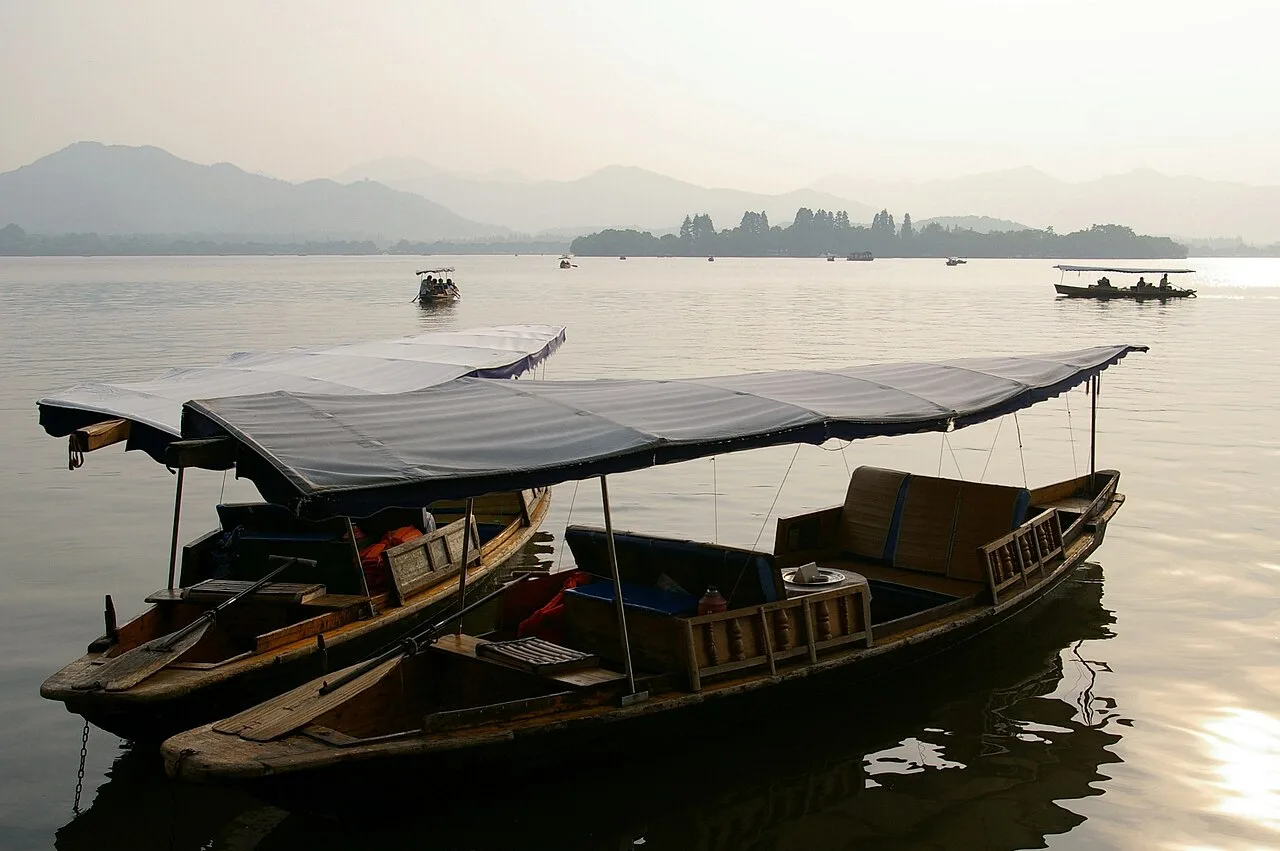
Cover photograph: Tropical coast via Unsplash, used under the Unsplash License. This is a real general tropical-coast photograph used as an illustration; it is not presented as a photograph of a specific Hainan beach. It was converted and resized into responsive WebP files.