What You Are Actually Seeing
Fenghuang earns its postcard reputation in the first ten minutes. Stilt houses lean over the Tuojiang River, stone bridges and stepping stones cross the water, and tiled roofs climb the hillside in layers that look best in early mist or at the blue hour. After dark the town switches on a lighting scheme that turns the waterfront into a long ribbon of gold and red reflections — genuinely beautiful, and also the moment the crowds thicken. Furong works at a smaller scale, with a waterfall dropping through the middle of the settlement and a compact old street of wooden houses stacked above it.
It helps to arrive knowing that the commercial heart of both towns has been extensively rebuilt, renovated and lit for visitors. This is not a film set with nothing behind it — people live and work here, and the surrounding region is genuinely Tujia and Miao country — but the riverside lanes you will walk first are a tidied, managed version of an old town, heavy on souvenir stalls, costumed photo shoots and evening performances. Treat that as the price of admission, then walk two streets back and the pace and the light change completely.
Getting There: Zhangjiajie, Huaihua and the Last Mile
Most international visitors approach from Zhangjiajie, which has the region's main air and rail connections. Trains and long-distance coaches link the two areas, and Fenghuang has its own station on the regional line, but it sits well outside the old town and requires a bus, taxi or shuttle transfer at the end. Huaihua is the other sensible gateway, especially if you are coming from Changsha, Guiyang or further south, with high-speed rail and coach connections onward. Journey times look short enough on paper to make a same-day arrival tempting; in practice, give yourself the day to absorb delays.
The last mile is where plans wobble. Shuttle routes, drop-off points, old-town access arrangements and any ticket or pass system for the core streets can change from season to season, and not every update reaches English-language booking sites. Before you leave, confirm with your accommodation which entrance is currently open to vehicles, whether your driver can reach the door, and what the walk from the nearest road is like with a suitcase. Ask in writing, keep a screenshot, and don't assume last year's arrangement still applies.
Where to Sleep, and Luggage on Stone Lanes
Sleeping inside Fenghuang's old town buys you the best hours: early mornings before the day trippers arrive, and late evenings after they leave. Riverside rooms with balconies are the romantic choice, but the same stretch that is lovely at nine in the evening is loud at midnight when the bars are going. Back lanes a street or two from the water are quieter, often better value, and still two minutes from the view. Check before booking whether the property has steps, whether your room is up a steep stair, and whether anyone is around to help with bags.
On luggage, a warning worth taking seriously: stone lanes, uneven steps, arched bridges and sloping alleys make wheeled suitcases miserable. Pack a soft overnight bag for the old-town nights and leave the main case in storage at your Zhangjiajie hotel or a station locker if you can. If you are moving between Fenghuang and Furong mid-trip, assume you will carry whatever you bring. Porters exist in some places and not others, and you should not count on finding one at ten at night in the rain.
A Three-Day Plan That Avoids the Worst of the Crowds
Day one is arrival and orientation: check in, walk the river without a goal, eat early, and save the illuminated waterfront for after the coach groups have gone. Day two starts before eight, when the lanes are close to empty and the water is still, then uses the middle of the day for a longer walk, a small museum or a teahouse before moving on to Furong in the afternoon. Day three belongs to Furong: the waterfall seen from above and below, the quieter upper streets, and an unhurried departure. If your schedule allows, give Furong a night rather than a half-day.
Build in a weather plan. Rain is common, makes the stone genuinely slippery, and heavy rain can raise the river and change which parts of a waterfall walk are accessible. A downpour is a good excuse for covered lanes, small eateries and indoor sights rather than a wasted day. Summer brings heat and thunderstorms, winter is damp and cold in a way that surprises people, and spring and autumn are the most comfortable windows. Whatever the season, treat performance schedules, separately ticketed areas and shuttle timetables as things to verify on arrival, not fixed facts.
Food, Photography and Being a Good Guest
Hunan cooking is the point of eating here: sour, hot, smoked and pickled, with river fish, cured pork, bamboo shoots and a lot of chilli. Rice noodles make a good breakfast, and street-side snacks are worth trying where you see a queue of locals rather than a queue of tour groups. The restaurants with picture menus and English signage along the main waterfront are convenient but rarely the most interesting meal you will have. Walk a few minutes away from the water, look for a small place with a short menu, and be clear about how much heat you can handle.
Fenghuang and Furong sit in Tujia and Miao communities, and much of what visitors photograph — embroidered textiles, silverwork, songs, courtyard houses — is living culture rather than decoration. Ask before photographing people, accept a no gracefully, and don't treat anyone in traditional dress as a free model; some are performers, some are other tourists in rented costume, and some are simply going about their day. Evening shows are staged entertainment and worth watching as exactly that, not as a window into daily life. Avoid describing minority culture as exotic or frozen in time — these are modern towns with complicated tourism economies.
Planning links and cover photo source
For related planning, read Zhangjiajie first-time itinerary, Guizhou six-day itinerary, China cultural etiquette guide. Check each operator's current visitor notice before paying, because access, reservations, transport and weather procedures can change.
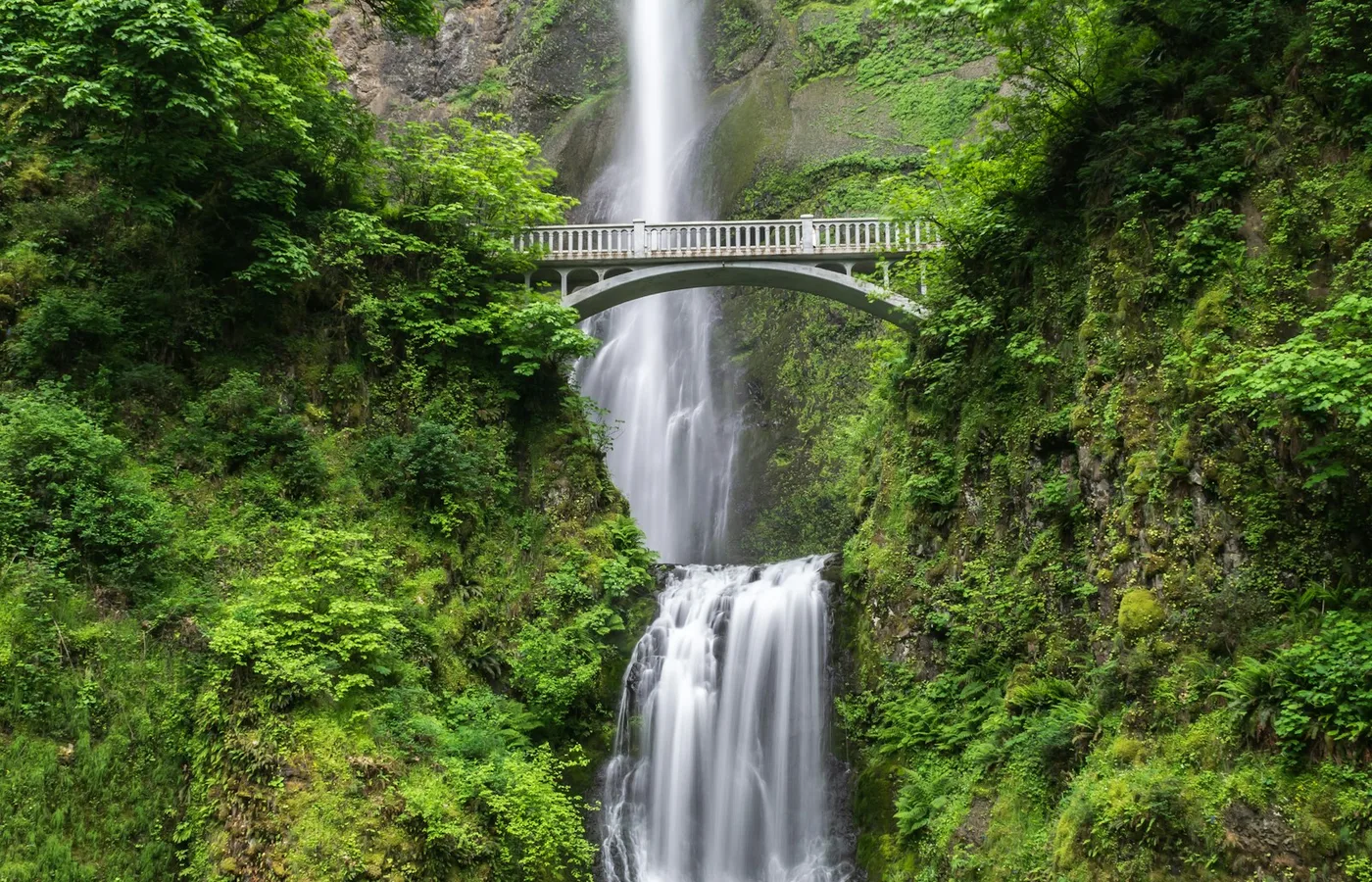
Cover photograph: Waterfall landscape via Unsplash, used under the Unsplash License. This is a real general waterfall photograph used as an illustration; it is not presented as Fenghuang or Furong itself.