Before You Fly: Documents, Guides and Details Worth Verifying
Foreign visitors to Tibet usually need more than a Chinese visa alone: permits, a licensed guide and pre-arranged transport are commonly part of the picture, but the specifics shift with policy, nationality and season. Treat every detail as something to confirm rather than assume. The safest approach is to work with a licensed Tibetan operator, ask for the required documents in writing, and check current requirements through official channels before you commit to flights.
Equally practical: arrange travel insurance that explicitly covers high-altitude travel and evacuation, pack prescriptions in your carry-on, and ask your hotel or operator what support they offer if you feel unwell. Confirm how you will arrive, who will meet you, and what happens if a flight is delayed. Keep copies of your documents available offline. None of this is legal or medical advice — it is simply the homework that makes the first two days calmer.
Day One: Arrive, Rest, and Resist the Itinerary
Whatever your route in, the arrival day should feel almost empty. Check in, unpack slowly, drink more water than feels necessary, and eat something light and warm. Even travelers who feel perfectly fine will notice the dry air, the fierce high-altitude sun and the sharp night cold. Sunscreen, sunglasses, lip balm and a warm layer belong in your day bag, not your suitcase.
Avoid alcohol, skip anything strenuous and resist the urge to see everything at once. Some visitors notice mild headaches or breathlessness in the first day or two; others feel nothing at all. There is no reliable way to predict it and no guarantee either way, so if something feels wrong, rest and speak to a doctor or your operator rather than pushing through. An evening stroll around the block is plenty.
Day Two: The Jokhang and the Barkhor at a Pilgrim's Pace
The Jokhang is not a museum with a queue; it is a working temple at the center of Tibetan devotional life. Pilgrims arrive early, prostrate outside, offer butter lamps and walk the Barkhor circuit clockwise. Visit in the morning, dress modestly, remove hats inside and keep your voice low. Stand aside in doorways, let pilgrims pass, and remember that your sightseeing is someone else's daily practice.
Photography is where visitors most often misstep. Ask before photographing anyone, accept a no gracefully, and put the camera away during prayer and in halls where signs prohibit it. Never step into a prostrating pilgrim's path for a better angle. Outside, the Barkhor is a loop best walked slowly, with pauses for sweet tea. Aim for a half day, then rest — your lungs will thank you.
Day Three: The Potala Palace and the Discipline of Stairs
The Potala Palace is the image most people carry of Lhasa, and it is genuinely demanding. Visits are typically timed and organized in advance through your operator, with details to verify before departure. The real challenge is not distance but stairs: long flights of stone steps at altitude, climbed by many visitors at a pace their lungs did not plan for. Start slow, rest on the landings, and let faster groups go ahead.
Inside, the chapels are dark and narrow, with low doorways, uneven floors and incense-thick air. Photography is restricted in many areas, hats come off and quiet is expected. Check current access arrangements rather than relying on what a friend did years ago, since routes and closures change. If the climb feels like too much, the palace seen from below followed by a slow afternoon is a perfectly good day.
Days Four and Five: One Monastery, Food, and a Gentle Exit
For day four, choose depth over volume: one monastery or one museum. Sera and Drepung offer courtyards, debate and a sense of monastic scale; the Tibet Museum provides context that makes everything else legible. Pick one, go in the morning when energy is highest, and plan a quiet afternoon. Verify opening days and monastic schedules beforehand, as some sites close on certain days and routines vary.
Food is part of the acclimatization strategy. Thukpa, momos, tsampa and butter or sweet tea are warming and easy to eat; keep meals modest, favor freshly cooked dishes and drink bottled or filtered water. For a low-exertion final day, consider the Norbulingka gardens, a tea house, or a short stretch of the kora — then reconfirm onward transport and leave a buffer. Lhasa rarely rewards rushing; it rewards attention.
Practical Questions Before You Go
The questions below cover the details travelers most often ask about, but treat every answer as a starting point rather than a fixed rule. Verify current requirements, access arrangements and health guidance before departure.
If you travel with a licensed operator, ask them to walk you through the paperwork, the daily pace and the contingency plan in advance. A well-briefed five days in Lhasa is far more rewarding than a packed one.
Planning links and cover photo source
For related planning, read China entry guide, China cultural etiquette guide, Accessible China travel guide. Check each operator's current visitor notice before paying, because access, reservations, transport and weather procedures can change.
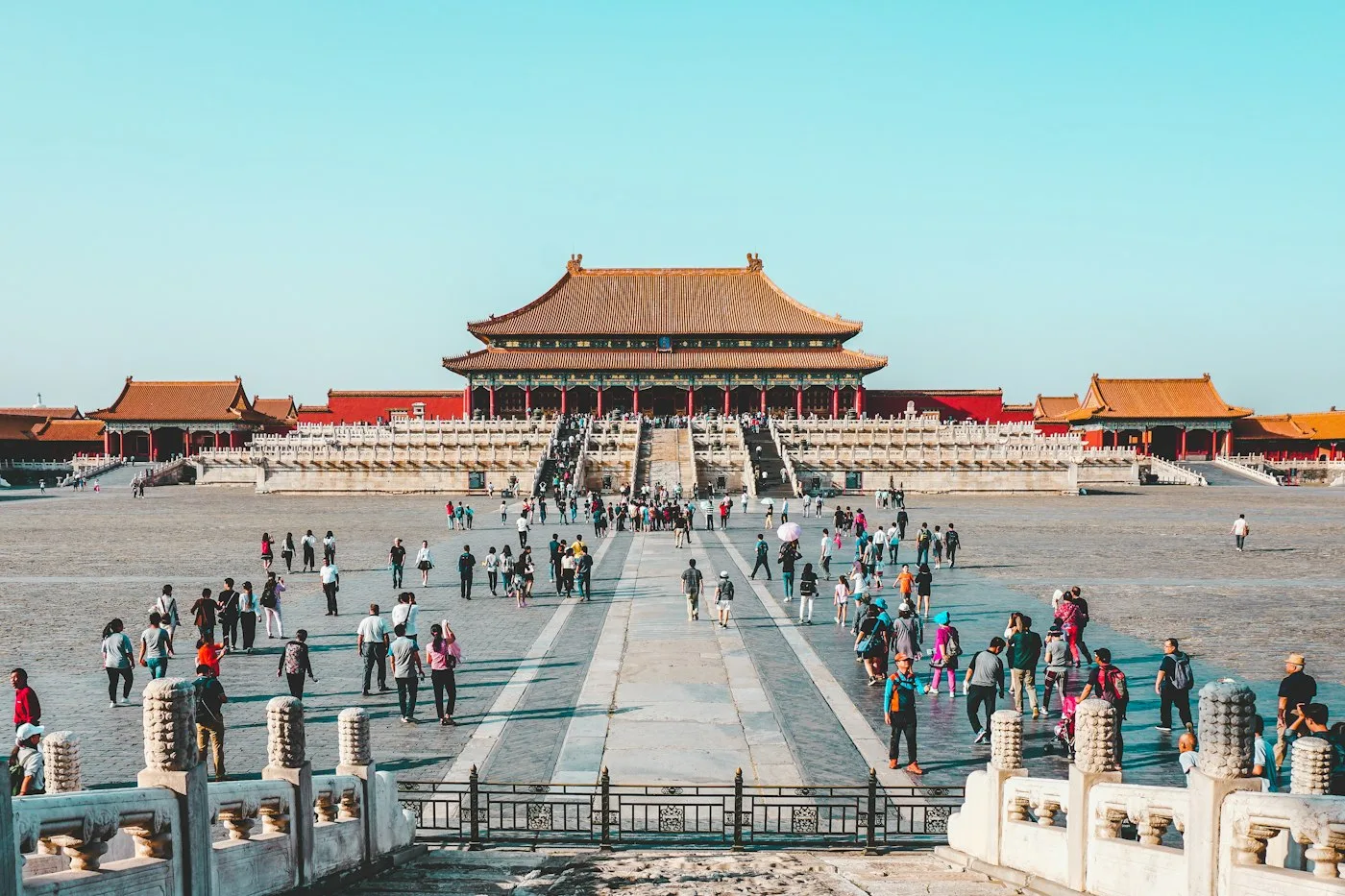
Cover photo: visitors crossing a courtyard in the Forbidden City by Unsplash, used under the Unsplash License. It is a neutral Chinese heritage image, not a photograph of Lhasa.


