Yangzhou at Walking Pace
Yangzhou grew rich on salt and waterways, and it still feels shaped by both. The historic core is compact enough that the best way to see it is on foot, drifting between willow-lined water, whitewashed lanes and garden walls. What surprises first-time visitors is the tone: this is a city of tea houses and leisurely mornings, not a city of queues. The pleasure is cumulative, and it only arrives if you stop trying to finish anything.
Practically speaking, plan on two full sightseeing days and a gentler third, with the first afternoon deliberately left loose so a delayed train does not unravel the whole trip. Ticket structures, opening days and seasonal closures do change, so confirm current visitor information through official channels before you travel rather than relying on older blog posts — including this one for anything time-sensitive. Carry your accommodation address in Chinese characters, and expect less English than in Shanghai; translation apps and a screenshot of your destination go a long way.
Getting There from Shanghai, Nanjing and Beijing
Yangzhou is now comfortably reached by high-speed rail, and the journey is part of why the city stays calmer than its neighbours. From Nanjing — the closest of the three — it is a short ride; from Shanghai it is usually a couple of hours depending on routing and which station you depart from; from Beijing it becomes a longer rail day or a short flight plus a transfer. Because station names, stopping patterns and timetables are adjusted with the seasons, check the official rail booking platforms shortly before departure and allow a buffer when connecting to an international flight.
Several stations serve the wider Yangzhou area, so match your arrival point to your hotel rather than assuming the most obvious name is the closest. On arrival, taxis and ride-hailing apps are the simplest way into the old city, with local buses filling in the gaps. If you are combining cities, Yangzhou pairs naturally with Nanjing or Zhenjiang by rail, and with Suzhou or Hangzhou on a longer Jiangsu–Zhejiang loop. Keep your first evening free: arrival logistics in an unfamiliar Chinese city rarely run exactly to plan.
Day One: Slender West Lake and the Water-Led City
Slender West Lake is Yangzhou's set piece, and it earns the cliché. A long, ribbon-like sheet of water threaded with causeways, arched bridges, pavilions and the distinctive white pagoda, it was designed to be admired in sequence rather than in a single view. Go early. Mornings bring mist on the water, residents practising tai chi along the banks and a version of the lake that photographs and feels entirely different from midday. Admission and combination tickets vary, so check current options and whether advance booking is required, especially around holidays.
Give the lake a half day, and more if the weather is kind. Walking one direction and returning by boat is a good compromise if your feet are already tired, and the gardens attached to the scenic area reward a detour. If it rains, do not cancel — drizzle suits the place, softening the willows and emptying the paths. Keep a teahouse or a museum in reserve as a dry backup, and avoid the major national holiday weeks if you can, when the classic viewpoints become a slow-moving queue rather than a view.
Day Two: Classical Gardens and Canal Lanes
Yangzhou's gardens are intimate rather than grand, and the two most rewarding are best treated as alternatives rather than a checklist. He Garden is celebrated for its ingenious two-storey winding corridor and layered courtyards; Ge Garden is known for its bamboo and its seasonal rockeries. Choose one, take it slowly, and read the borrowed scenery the way the designers intended — the walls, windows and sightlines are doing deliberate work. Verify opening hours, any timed-entry arrangements and whether restoration work has closed part of the site before you set out.
The rest of the day belongs to the canals. Here it helps to know the difference between the two kinds of old street you will encounter. Restored commercial streets are polished, lit after dark and full of snacks and souvenirs — useful for orientation, an easy evening stroll and a first taste of the city. Lived-in lanes are quieter, unrenovated and still functioning as neighbourhoods, where people shop, cook and hang laundry. Walk the second kind softly, keep your voice low, and ask before photographing residents or their doorways.
Day Three: Morning Tea, Huaiyang Cuisine and Lived-in Lanes
Yangzhou's breakfast is a ritual, and it is the single best reason to build a slow morning into your itinerary. Expect a table crowded with steamed buns and dumplings, cold plates, pickles and a pot of tea that keeps being refilled while conversation carries on around you. The city is recognised for its gastronomy, and Huaiyang cuisine — the local cooking tradition — is gentle and precise rather than spicy: freshwater fish and river shrimp, carefully cut tofu, braised meatballs, and the famed shredded dried tofu that looks simple and is anything but.
For the final afternoon, resist adding another ticketed sight. Instead, follow the water through the older quarters, sit somewhere with a view, and let the trip settle. Seasonal shifts matter here: spring brings willows and blossoms with matching crowds, autumn is the most comfortable for walking, summer is hot and humid, and winter is quiet, cold and atmospheric in the gardens. Whatever the season, confirm current transport schedules and site information before departure — and leave one thing undone, because Yangzhou is a city designed to be returned to.
Planning links and cover photo source
For related planning, read Suzhou gardens and water towns, Hangzhou first-time itinerary, Shanghai, Hangzhou and Suzhou route. Check each operator's current visitor notice before paying, because access, reservations, transport and weather procedures can change.
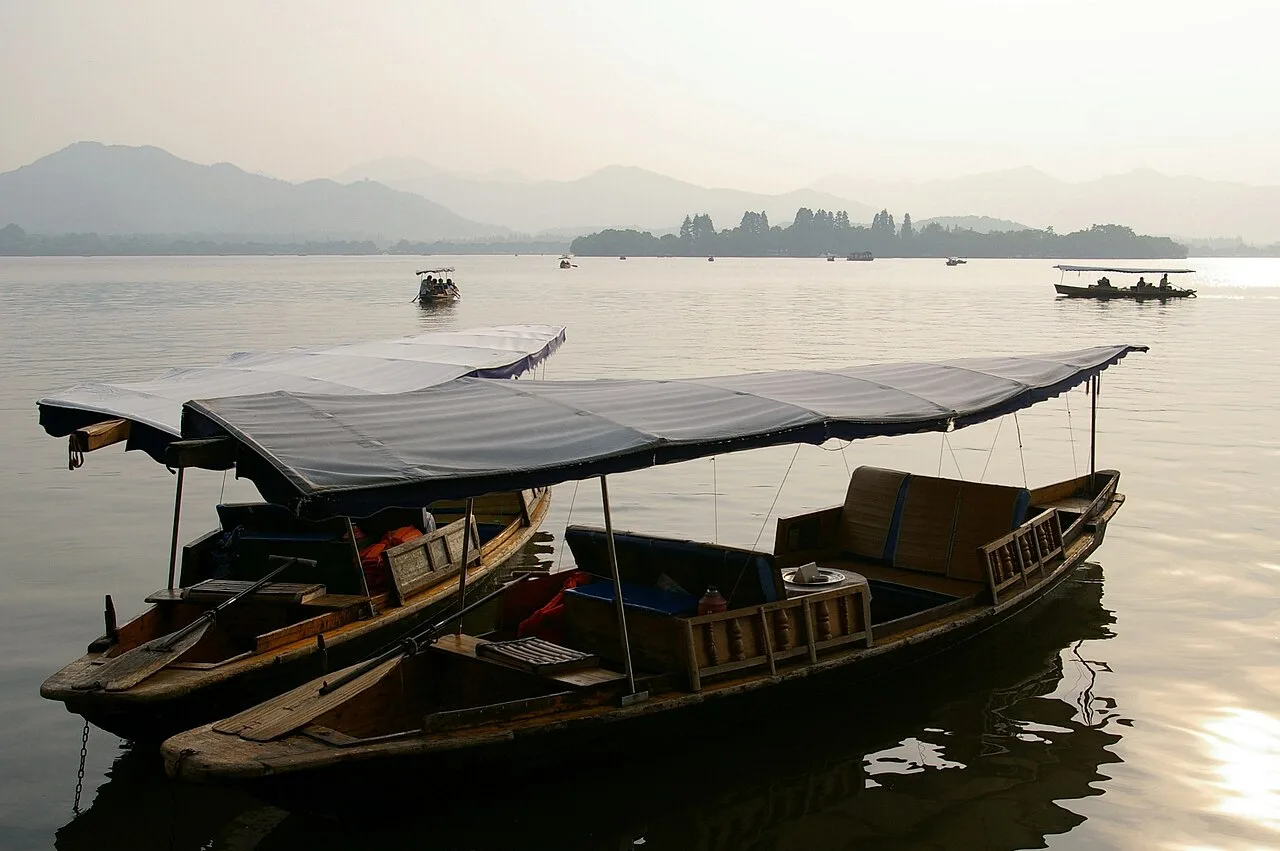
Cover photo: Canal and garden landscape via Unsplash, used under the Unsplash License. This is a real general canal photograph used as a mood-setting illustration; it is not presented as a photograph of Yangzhou.