Building a Five-Day Route Around Hohhot
Inner Mongolia is an autonomous region spanning an enormous slice of northern China, and the practical consequence for a short trip is blunt: you cannot cover it. What you can do is build a compact loop from Hohhot, the regional capital and main air gateway, combining city context, one grassland stay and one contrasting landscape. Five days is just enough for that shape — provided you resist the urge to bolt on a fourth destination and spend the trip in a vehicle.
Treat Hohhot as an anchor rather than a transit hall. Its museums and older quarters give the grassland leg meaning, and its hotels give you a comfortable base while you adjust to dry air and near-constant wind. The route below assumes you arrive and depart by air or rail; verify current flight and rail options, museum opening days and any advance-booking requirements before you commit, since these details shift with the season and the year.
Days 1–2: Hohhot, Museums and Old-Town Context
Make day one deliberately low-gear. The Inner Mongolia Museum in Hohhot is the single best investment of an afternoon before you head for open country: collections run from dinosaur fossils to nomadic material culture, and the regional history galleries give you a frame for everything you see later. Confirm opening days and whether reservation is needed before you travel. Finish with a slow walk through the surrounding streets and an early dinner centred on lamb.
Day two belongs to the old town around Dazhao Temple — incense, low brick lanes, small shops — followed by an unglamorous but essential admin afternoon. Confirm your driver or organised transfer, check the forecast, buy sun protection and a warm layer, and set up the payment and map apps you will rely on. Mobile signal in grassland areas can be patchy, so save offline maps and screenshots of your bookings rather than assuming you can pull them up on the day.
Day 3: A Grassland Day, Done Thoughtfully
Grassland options reachable from Hohhot include Xilamuren and Huitengxile, with more distant steppe areas further out toward Xilinhot. Rather than asking which grassland is best — a question with no stable answer, since scenery, access and crowding shift year to year — ask which one fits your route, how much of the day is spent driving, and whether access is confirmed for your dates. Camp arrangements and entry permissions change; check with your operator or hotel shortly before you go.
Then there is the weather. A bright morning can turn windy and wet within an hour, and there is very little shelter on open steppe. Pack a windproof shell, a warm mid-layer, sunglasses, lip balm and a hat with a strap. Agree horse-riding terms — duration, route, price — before you mount, and remember this is a working landscape: ask before entering a yurt, ask before photographing people, and be genuinely prepared for the answer to be no.
Day 4: Desert Edge or a Second, Slower Landscape
The Kubuqi desert near Ordos, including the Xiangshawan dune area, is the most convenient sand-and-dune day from Hohhot. It is a managed visitor attraction built around cable cars, camel rides, sandboarding and boardwalks rather than wilderness, and honest expectation-setting helps: dramatic photographs, hot midday sand and queues in high season. Heat exposure is real, so plan around the middle of the day rather than through it.
The alternative is a slower day — a quieter second grassland area, or a museum-and-city day in Baotou or Ordos. The desert suits travellers who want visual contrast and can tolerate heat and crowds; a second steppe day suits anyone who would rather sit still and watch the light change. Either way, verify transfer times and site status locally before departure, because road conditions and opening arrangements are not fixed constants.
Day 5: Sleeping Arrangements, Food and Heading Back
Food in Hohhot is one of the trip's quiet pleasures: milk tea, dried curds, milk tofu, and lamb in many forms, from hand-held lamb to hot pot and skewers. Portions tend to be generous, and vegetarians should raise it early rather than at the table. Accommodation on the grassland spans fixed camps with private bathrooms and heating to much simpler yurts, so ask specifically about bedding, bathroom arrangements, insulation and power before you book.
Keep the final day loose: drive back to Hohhot with buffer time before your flight, and leave room for a market browse. Above all, treat grassland communities as living places rather than props. Herders' yurts are homes, not exhibits; ask before entering, ask before filming, dress for the weather, and skip anything that turns culture into a photo set. And verify the variables — access, weather, transfers, bookings — before you travel, then again on arrival.
Planning links and cover photo source
For related planning, read China winter travel guide, China autumn alternatives, China travel safety guide. Check each operator's current visitor notice before paying, because access, reservations, transport and weather procedures can change.
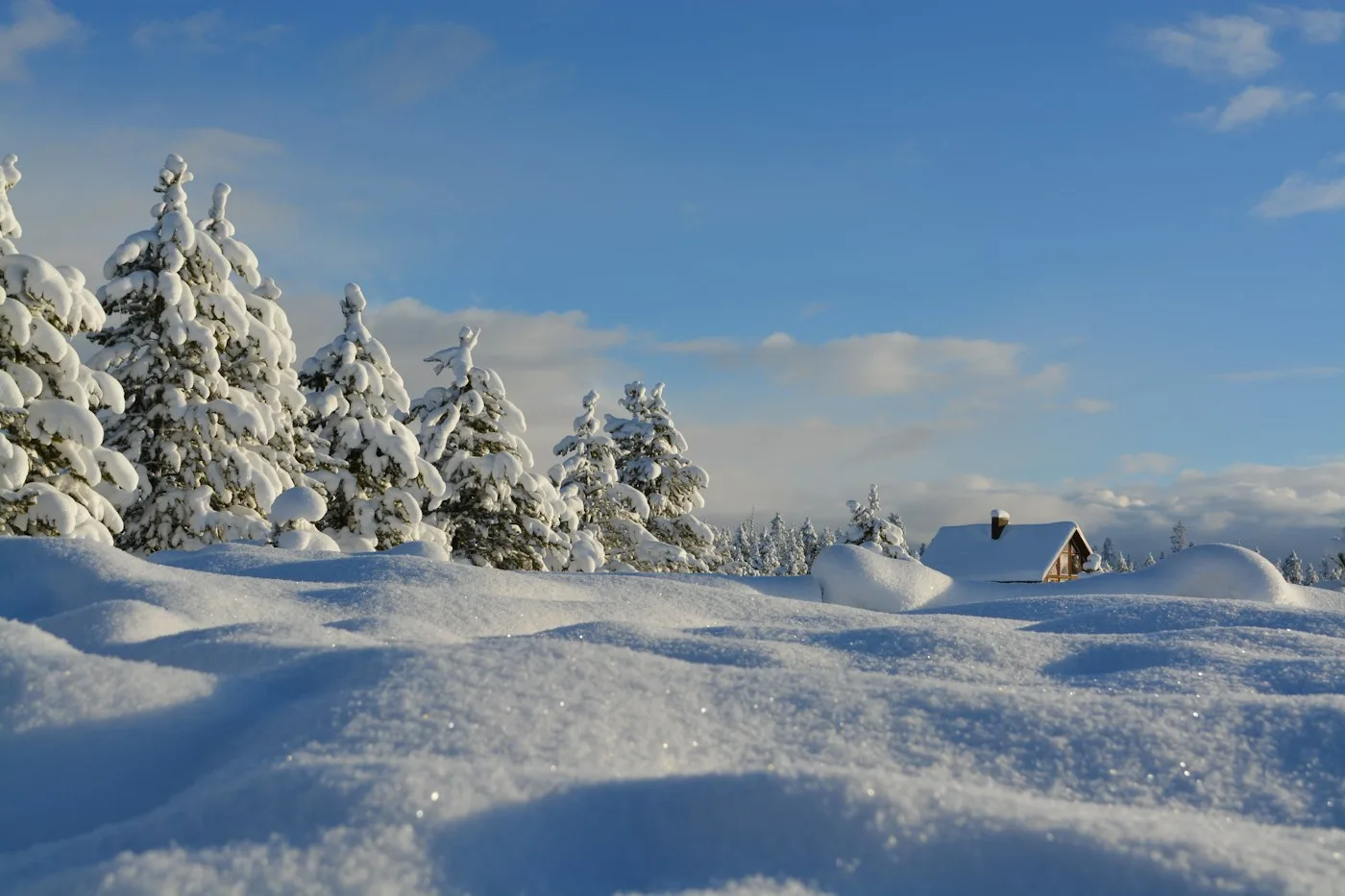
Cover photo: Snow-covered winter landscape, used under the Unsplash License. It is an editorial seasonal image and is not presented as a photograph of a specific Inner Mongolian grassland.


