Arriving in the Basin and Choosing a Base
Hanzhong is the main city of a broad, well-watered basin in southwest Shaanxi, and most international visitors reach it by rail. The high-speed line that cuts through the Qinling mountains has made the city far more accessible than it once was, and there is also a regional airport. Schedules, journey times and which stations are served change from season to season, so treat any timetable you find online as a prompt to check again a few weeks before departure rather than as a fixed plan.
For a three-day stay, base yourself in or near the older central district, where you can walk to the museum, the riverfront and the busier eating streets without depending on transport. Hotels of the comfortable mid-range kind exist around the center, and quieter riverside options suit travelers who value sleep over convenience. The city is more spread out than it first appears, so expect to use taxis or ride-hailing for cross-town hops, and confirm with your accommodation which entrance or landmark is easiest for drivers.
Day One: The Han Story in the Old Town
Hanzhong's historical weight comes from a single, enormously consequential episode. In the third century BCE, Liu Bang was granted this region as his base, and when he later founded the dynasty that followed, he took his title from the place: the Han. That is why the name still attaches to the majority ethnic group, the script and much of the cultural vocabulary of China. The city's main museum is the natural place to start, with collections covering Han-era material culture and, in particular, the extraordinary cliff-road and stone-gate heritage of the surrounding mountains, including the celebrated calligraphy associated with the Shimen inscriptions.
After the museum, walk the older streets and the riverfront at an unhurried pace, and let the day stay short. If you want to go deeper into Han history, two half-day extensions are worth considering: the memorial site associated with the diplomat Zhang Qian in Chenggu, and the Zhuge Liang memorial and tomb area at Mianxian, both of which sit within reach of the city. Museum closing days, ticket arrangements and seasonal hours do vary, and many Chinese museums close one weekday, so check the current details before you build your day around a visit.
Day Two: Tea Hills and River Valleys
The landscape around Hanzhong is the reason many travelers remember it. East toward Xixiang and south into the Nanzheng area, low hills rise out of the fields and tea is grown on terraced slopes, with spring picking drawing small teams of workers into the rows. The pleasure here is undemanding: winding rural roads, water moving through narrow valleys, and villages where agriculture still sets the rhythm of the day. A tea-growing visit is best treated as a farm stop rather than a theme park, since many plots are working land rather than visitor attractions.
This is also the day where the practical limits of public transport matter most. Intercity and county buses generally exist, but rural connections are sparse, infrequent and often finish early, which makes a sequence of village stops by bus slow and occasionally impossible. Hiring a car and driver for the day is the most flexible option and is easily arranged through accommodations in the city. Access rules for scenic areas, whether a seasonal shuttle is running, and which tea gardens welcome visitors should all be verified in advance rather than assumed from older blog posts.
Day Three: Seasonal Scenery, Heat and Water
Spring is the season Hanzhong is known for, when rapeseed fields turn the basin yellow and the hills fill with blossom, though the exact timing shifts by a couple of weeks each year and should be tracked through local reporting rather than a fixed calendar. Summer is hot and humid, with the basin holding heat well into the evening, so sightseeing is better done early in the morning with a long midday pause. Autumn brings clearer air and softer light, winter is quiet and often misty, and the wetland areas around Yangxian, known for crested ibis conservation, offer a nature-focused alternative at any time of year.
Choose one nature loop for day three rather than trying to cover several, and keep the afternoon loose in case rain, road works or a closed gate changes the plan. The Han River itself provides the easiest option, with riverside paths and viewpoints that need no booking and no shuttle. If you are heading further out, confirm current entry arrangements, whether tickets should be bought in advance, and how you will get back before dark, since rural transport thins sharply in the late afternoon.
Getting Around, Eating Well and Photographing Respectfully
Hanzhong eats differently from the rest of Shaanxi. The local staples lean on rice as much as wheat: cold noodles in the style known as mianpi, soft tofu preparations served at breakfast, walnut cakes and cured meats are all part of the everyday repertoire. The local dialect is closer to southwestern Mandarin than to the northern speech of Xi'an, and English is uncommon outside major sites, so a translation app and a few food words go a long way. Asking for less chilli is a normal request and will usually be understood.
On the ground, city buses and taxis handle the urban area comfortably, but out-of-town services are limited and signage is rarely bilingual, so build in slack and avoid tight connections. Photography deserves the same care: ask before photographing people, particularly in markets and villages; be unobtrusive at memorial and tomb sites, where visitors may be there for reasons other than tourism; and check current rules before flying a drone anywhere near heritage or scenic areas. Above all, treat opening hours, shuttle arrangements and scenic-area access as things to confirm locally, then enjoy the fact that Hanzhong rarely requires you to rush.
Planning links and cover photo source
For related planning, read Xi'an first-time itinerary, Chengdu first-time guide, China travel by month and region. Check each operator's current visitor notice before paying, because access, reservations, transport and weather procedures can change.
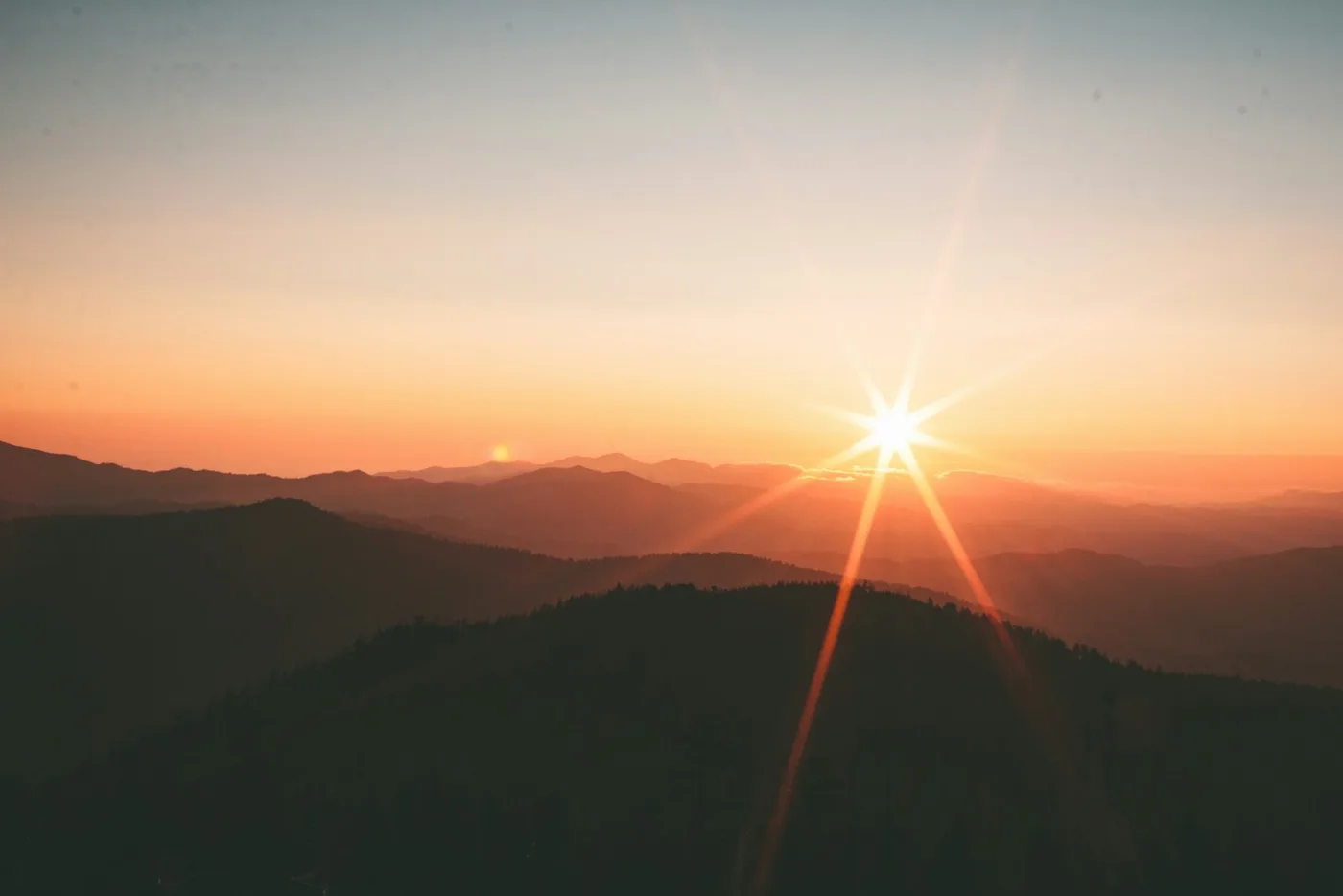
Cover photo: Mountain ridges at sunset via Unsplash, used under the Unsplash License. This is a general landscape photograph, not a photograph of Hanzhong.


