Why Quanzhou Rewards Three Slow Days
Quanzhou faces the Taiwan Strait on Fujian's coast and spent the Song and Yuan dynasties as one of the busiest harbours on earth. Arab and Persian traders knew it as Zayton; medieval travel accounts describe a crowded port where porcelain, tea and silk left and spices, ideas and faiths arrived. That exchange left an unusually dense layer of buildings: Buddhist temples, a mosque founded for seafaring worshippers, shrines to sea goddesses and warrior gods, and stone bridges engineered to outlast the tides. The city's Song-Yuan port landscape is now recognised with UNESCO World Heritage listing, which has brought new attention without — so far — turning the old quarter into a stage set.
The important thing to understand before you arrive is that Quanzhou is not an open-air museum. People live in the lanes between the monuments, dry chillies on doorsteps and repair motorbikes against walls older than most countries. The most rewarding way to spend three days here is to treat the heritage sites as anchors rather than assignments: see two or three significant places a day, then leave real time for sitting in a tea shop, following a lane that looks interesting, or eating something you cannot name. If you finish the trip having ticked everything off but spoken to nobody, you have rather missed the point.
Arriving and Moving Around: Xiamen, Fuzhou and the Old City
Most international visitors reach Quanzhou through Xiamen, which has the region's main airport and a well-connected railway station, or through Fuzhou, the provincial capital further north. High-speed rail connects both cities to Quanzhou in a comfortable, short hop, and Quanzhou itself has more than one station, so check carefully which one sits closest to your accommodation before booking. Timetables, ticket types and station facilities all change; confirm them through official railway channels or your hotel rather than relying on older blog posts, and allow a generous buffer on arrival day. If you are arriving from Xiamen, an early train leaves you most of an afternoon in the old town.
Within the old city, walking is the default and the pleasure. The historic core is compact, and the best moments tend to happen between the marked sights — a corner shrine, a bakery with a queue, a courtyard where someone is practising an instrument. Shared bikes and local buses fill the gaps, and ride-hailing apps work well for longer hops such as the bridges or the maritime museum. Wear shoes you can walk in for hours, and carry water: Fujian summers are hot and humid, and the region's typhoon season can bring heavy rain and disrupted transport, so keep an eye on forecasts and build slack into any day that involves a long journey.
Day One: Kaiyuan Temple and the Old Lanes on Foot
Start with Kaiyuan Temple, the largest Buddhist complex in the old city and the natural orientation point for everything around it. Its twin stone pagodas rise above the rooftops, and the courtyards of banyans, incense burners and carved halls reward unhurried wandering. Visit early, when worshippers rather than tour groups set the tone, and remember this is an active place of practice: dress modestly with shoulders and knees covered, keep voices low in the halls, avoid flash photography, and never photograph monks or worshippers without asking. Walk around anyone praying rather than through their line of sight. Entry arrangements, opening times and any ticketing can change, so check the temple's official information before you set out.
From the temple, West Street and its tangle of side lanes make an easy, delicious first afternoon. The main axis is the busiest and most commercial stretch, but one lane back the mood shifts quickly to fish markets, barbers, family shrines and snack stalls. Graze rather than commit to a single big meal, and follow the queues of locals. Treat the neighbourhood as a residential area: ask before photographing people at work or at prayer, keep doorways clear, and buy something if you spend time in a small shop. Photography etiquette here is simple — if you would not do it in someone's front garden, do not do it in their lane.
Day Two: Mosques, Sea Goddesses and the Many Faiths of a Port
Quanzhou's most striking quality is religious layering. Within a short walk you can move between the Qingjing Mosque — also known as the Ashab Mosque, a stone-built relic of the city's Muslim trading community — and temples dedicated to Guandi, the god of war and loyalty, and to Mazu, the sea goddess whose worship spread wherever Fujianese sailors went. Each has its own etiquette. At the mosque, dress conservatively and follow any posted guidance on footwear and head covering, and be mindful that worshippers may be praying. At the Chinese temples, incense, divination blocks and offerings are everyday practice, not performance — watch quietly, and let the people who came to pray go first.
Spend the second half of the day on port heritage. Luoyang Bridge, a remarkably old stone bridge running low across the water, is best seen at a slow pace and, if the tide and weather cooperate, with time to sit and watch the estuary. The maritime museum gives context that makes everything else legible, explaining how shipbuilding, navigation and overseas trade shaped the city. Bridge and museum access, opening arrangements and transport options should be verified with official sources close to your travel date, particularly after stormy weather. If you would rather go lighter, choose one of the two and spend the rest of the afternoon back in the old lanes.
Day Three: Street Food, Craft and a Flexible Half-Day
Quanzhou's food scene is one of the best reasons to come and one of the easiest things to underestimate. Expect rice-noodle soups in fragrant broth, oyster omelettes cooked fast and crisp at the edges, spring rolls, braised meats, sweet peanut and bean soups, and a great deal of very fresh seafood. The style is savoury, brothy and unfussy — the opposite of a tasting menu. Eat where the turnover is high and the customers are local, order small portions across several stalls, and be cautious with anything that has clearly been sitting out in the heat. Vegetarians can eat well but should expect to explain themselves: broth and oyster sauce turn up in unexpected places.
Use the final half-day flexibly rather than forcing another site. Options include a slower morning exploring craft — Dehua porcelain, marionette puppet performance and Nanyin music are all part of the regional identity, though performance schedules need checking — or a short trip out of town to the coast or the surrounding tea country. Whatever you choose, leave the last hour for the old city with nothing planned. Before departure, reconfirm any access arrangements, tickets and opening details you are relying on through official channels, since these are the details most likely to shift. And keep one thought in mind: the city's heritage is not a checklist to be completed but a neighbourhood to be visited politely.
Planning links and cover photo source
For related planning, read Fujian coast, Xiamen, Quanzhou and Tulou, China food travel guide, China cultural etiquette guide. Check each operator's current visitor notice before paying, because access, reservations, transport and weather procedures can change.
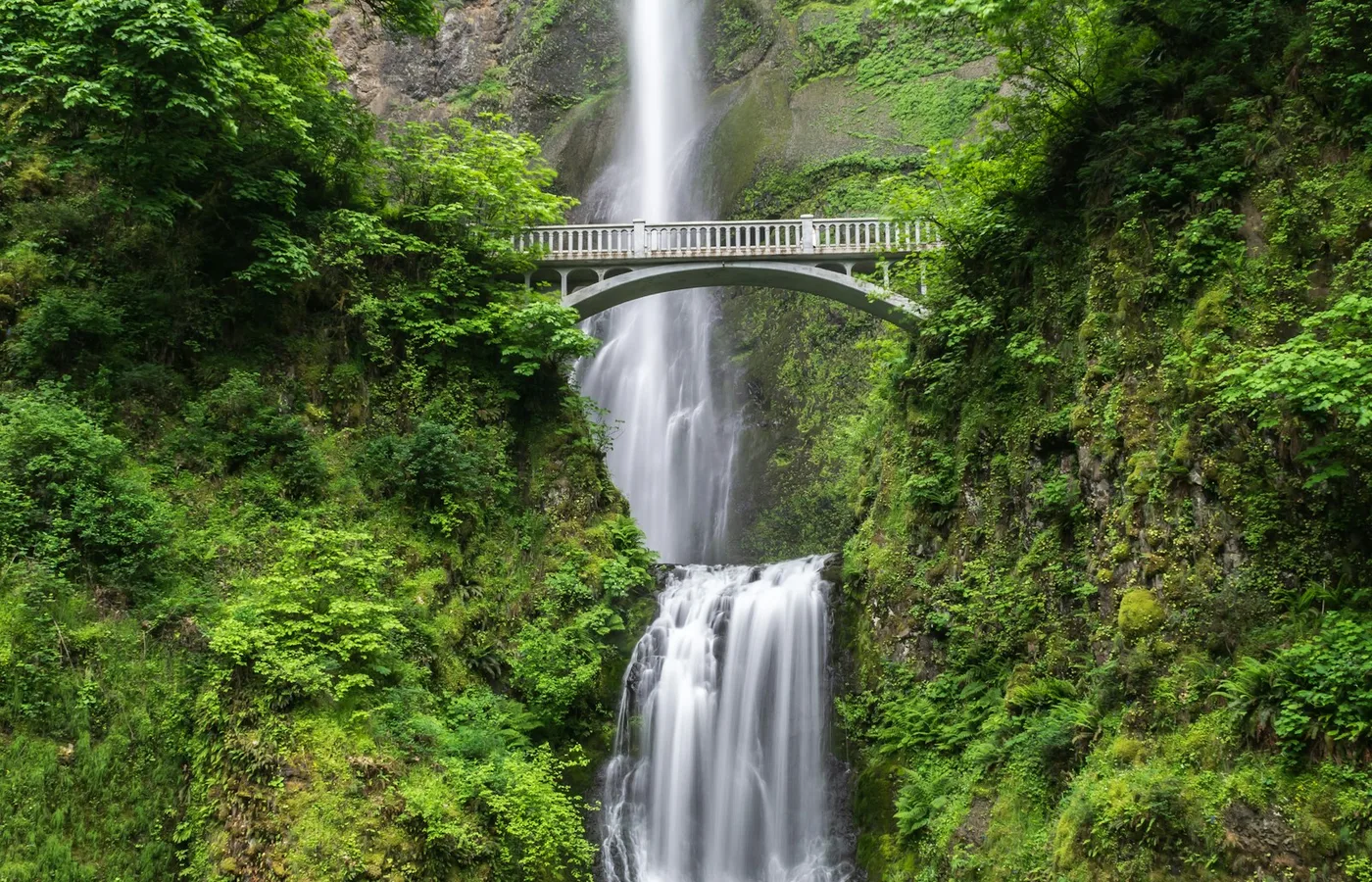
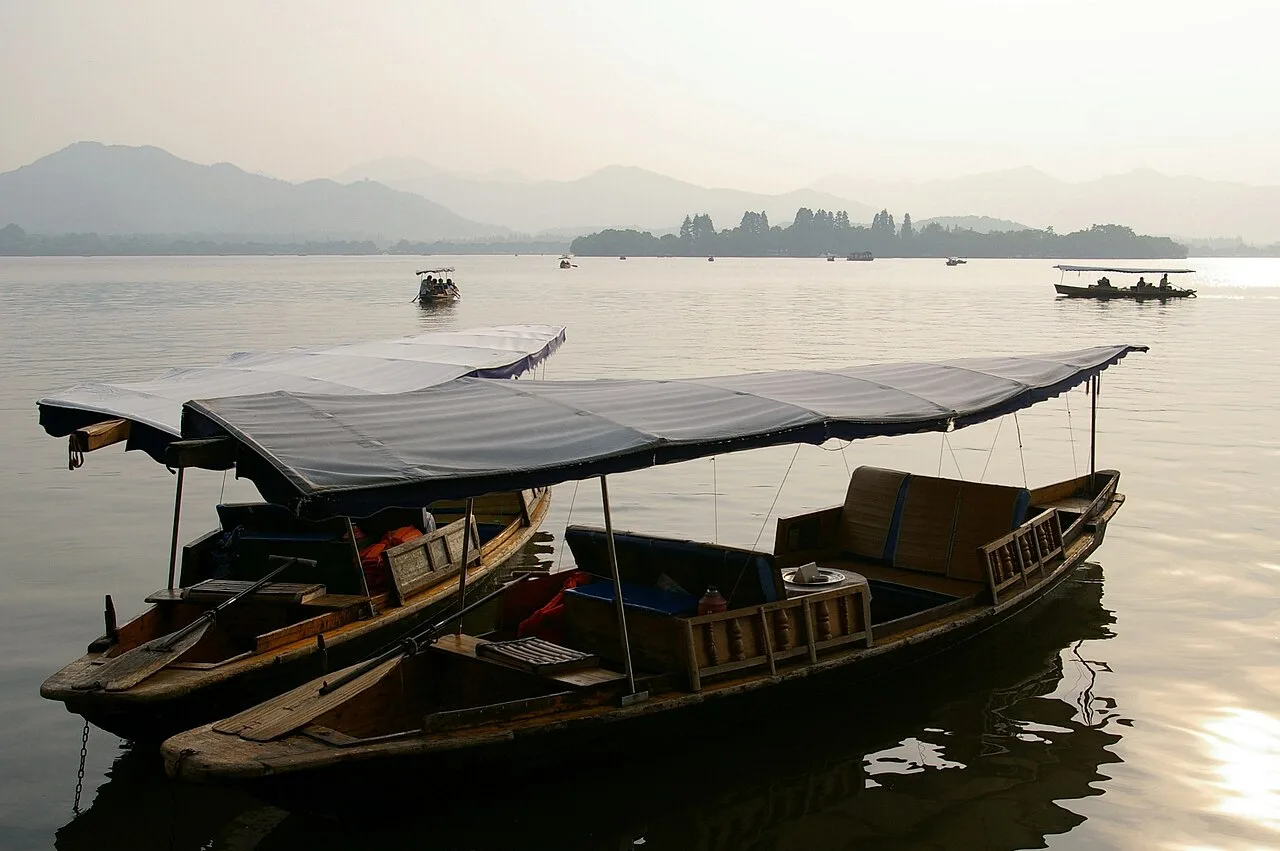
Cover photo: Coast at sunset via Unsplash, under the Unsplash License. This is a real general coastal image used as a mood-setting illustration, not a photograph of Quanzhou.