Why Nanxun Slows You Down
Nanxun sits in the canal country of northern Zhejiang, a water town of stone bridges, narrow lanes and old merchant houses built on the wealth of silk. Compared with its better-known neighbours, it receives a lighter flow of tour groups, and that quieter rhythm is the main reason to come. Two days is enough to see the highlights properly and still have time to sit by the water without the feeling that you ought to be moving on.
The town works in two layers. One is the ticketed heritage area, where the grand former residences, gardens and library collections are concentrated. The other is the ordinary residential fabric around it — alleys where people hang laundry, park scooters and cook dinner. Both matter, and they are not the same experience. Plan your visit around that distinction and Nanxun stops feeling like a stage set and starts feeling like a place.
Arriving from Hangzhou, Shanghai or Huzhou
Nanxun lies in Huzhou prefecture, roughly between Shanghai and Hangzhou, so most international visitors approach through one of those two cities. Long-distance coaches and high-speed rail are the usual options, but services, station pairings and transfer arrangements change from season to season. Check current timetables with an official railway or coach operator before booking, and expect the final stretch to involve a taxi or local bus from the nearest transport hub.
Huzhou is the closest larger city and a sensible base if you are combining Nanxun with other stops in the region. From Shanghai, Nanxun works far better as a two-night stay than a day trip: arriving, settling in and walking at dusk is a large part of the pleasure. Whichever route you take, build in a buffer. Delays on the last local leg are common, and a relaxed arrival sets the tone for everything that follows.
Day One: Canals, Merchant Residences, Gardens and Libraries
Give your first day to the ticketed heritage core, where Nanxun's grandest architecture is gathered: the former homes of silk merchants with carved doorways, courtyards and private halls, alongside classical gardens and a library associated with the town's long book-collecting tradition. Ticket inclusions, opening days and last-entry times are exactly the sort of detail that shifts, so confirm on the official website or at the gate before you build your morning around them.
Walk slowly and in one direction rather than doubling back. Bridges are the natural viewpoints, and the best photographs often come from standing still while a boat passes beneath you. Bring water and wear shoes with grip; the surfaces are stone, sometimes uneven and often damp. If the middle of the day gets busy, retreat into a side lane and return to the main halls later in the afternoon, when day-trippers tend to thin out.
Day Two: Residential Lanes, Food and a Flexible Half-Day
The second day belongs to the streets outside the ticket gates. Wander the lanes away from the main canal, where daily life continues among whitewashed walls and low tiled roofs, and where Nanxun feels most like itself. Keep your voice low, avoid photographing into open doorways, and treat courtyards as private even when the gate stands open.
Jiangnan cooking here leans on freshwater fish and shrimp, braised pork, bamboo shoots, preserved vegetables and rice. Small eateries near the residential lanes are usually the most satisfying, but menus and hours vary, so check on arrival rather than trusting an outdated list. Keep the afternoon deliberately loose — revisit a favourite bridge in different light, stop for tea, or simply leave early if the weather turns. Hold this half-day open until you know how the town feels underfoot.
Where to Sleep, What to Pack and Camera Etiquette
Staying inside or at the edge of the old town is worth the premium for the early mornings and evenings, when the lanes empty and the water goes still. Guesthouses in converted houses are charming but often come with steep stairs, compact rooms and limited vehicle access. Choose somewhere within easy rolling distance of a road a car can reach, and ask directly about luggage handling before you book.
Pack a soft bag rather than a hard case, plus a rain shell, non-slip shoes and a small umbrella; rain is common here and, handled well, makes the town more beautiful rather than less. Crowds build around midday and during public holidays, so shift your walking to the edges of the day. Around homes and bridges, ask before photographing people, skip flash and drones where they intrude, and step out of the flow of foot traffic whenever you stop.
Planning links and cover photo source
For related planning, read Suzhou gardens and water towns, Yangzhou gardens and canals, Ningbo and Shaoxing itinerary. Check each operator's current visitor notice before paying, because access, reservations, transport and weather procedures can change.
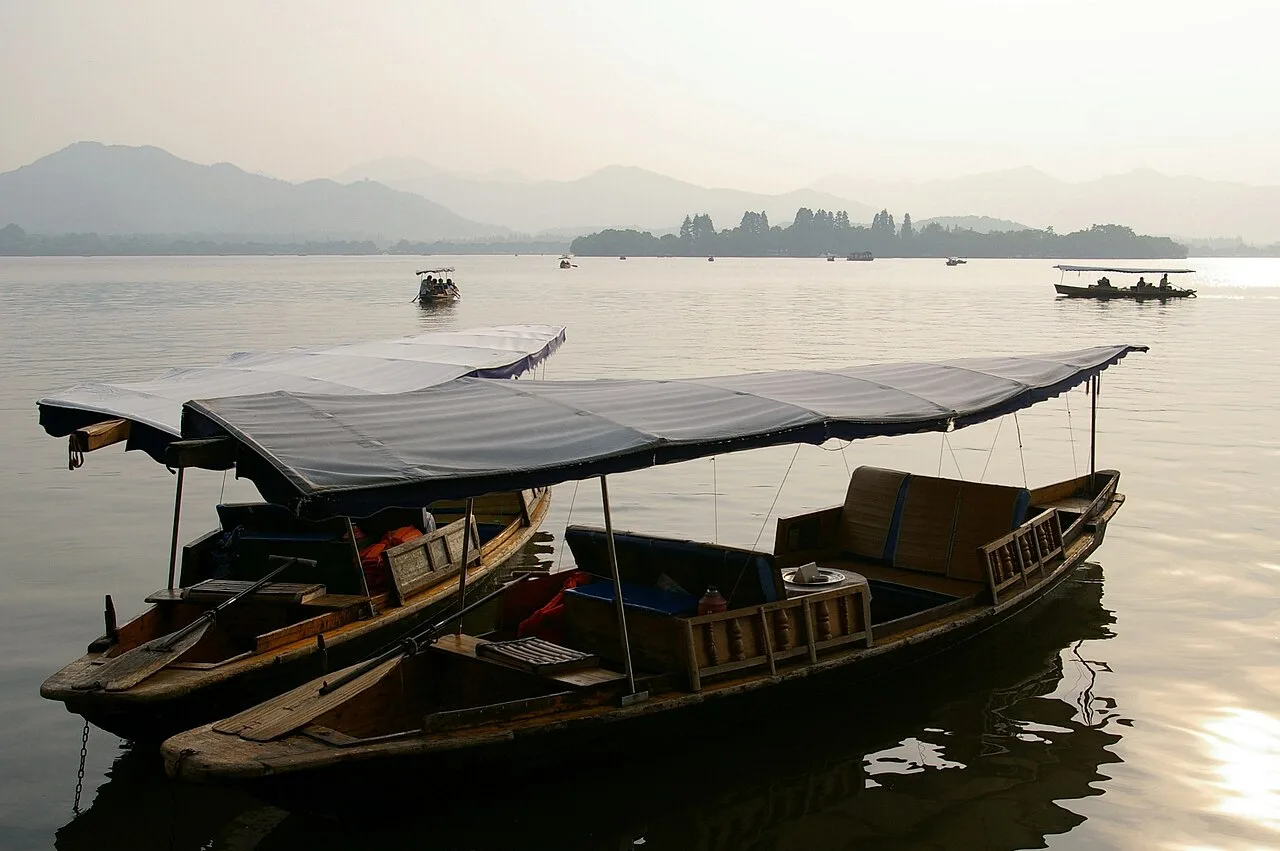
Cover photo: Canal and garden landscape via Unsplash, used under the Unsplash License. This is a general canal photograph, not a photograph of Nanxun.