Why These Two Cities Belong in One Trip
Zigong and Yibin sit close enough to be treated as a single itinerary but different enough to justify the journey between them. Zigong's identity was built on brine: for centuries its deep salt wells and bamboo-pipe networks supplied much of inland China, and the wealth that flowed from them left behind guild halls, temple architecture and a stubbornly self-confident food culture. Yibin's story is one of water and movement — it is the point where the Min and Jinsha rivers meet to form the Yangtze, which makes the city feel like a port even where the docks have quieted down.
The pairing works best if you treat Zigong as the historical and craft-focused half and Yibin as the open-air, appetite-led half. Zigong rewards museum time and slow wandering in old streets; Yibin rewards long walks along the river and a half-day out among the bamboo groves of Changning. Squeezing both into three days means choosing depth over coverage, so resist adding a third city — the high-speed rail line makes that tempting, but the trip gets thinner each time you add a stop.
Day 1: Salt, Brine and Lantern Light in Zigong
Start with the salt story, because almost everything else in Zigong follows from it. The city's salt industry museums explain the engineering of deep-bore wells, the bamboo pipelines that once threaded the region, and the labor systems that grew around them — and they do it well enough that non-specialists leave understanding why this mattered. Pair that with Zigong's dinosaur collections, which draw families and paleontology enthusiasts for genuinely impressive assemblages, or skip them in favor of the old salt-workers' lanes if your interests lean social rather than scientific.
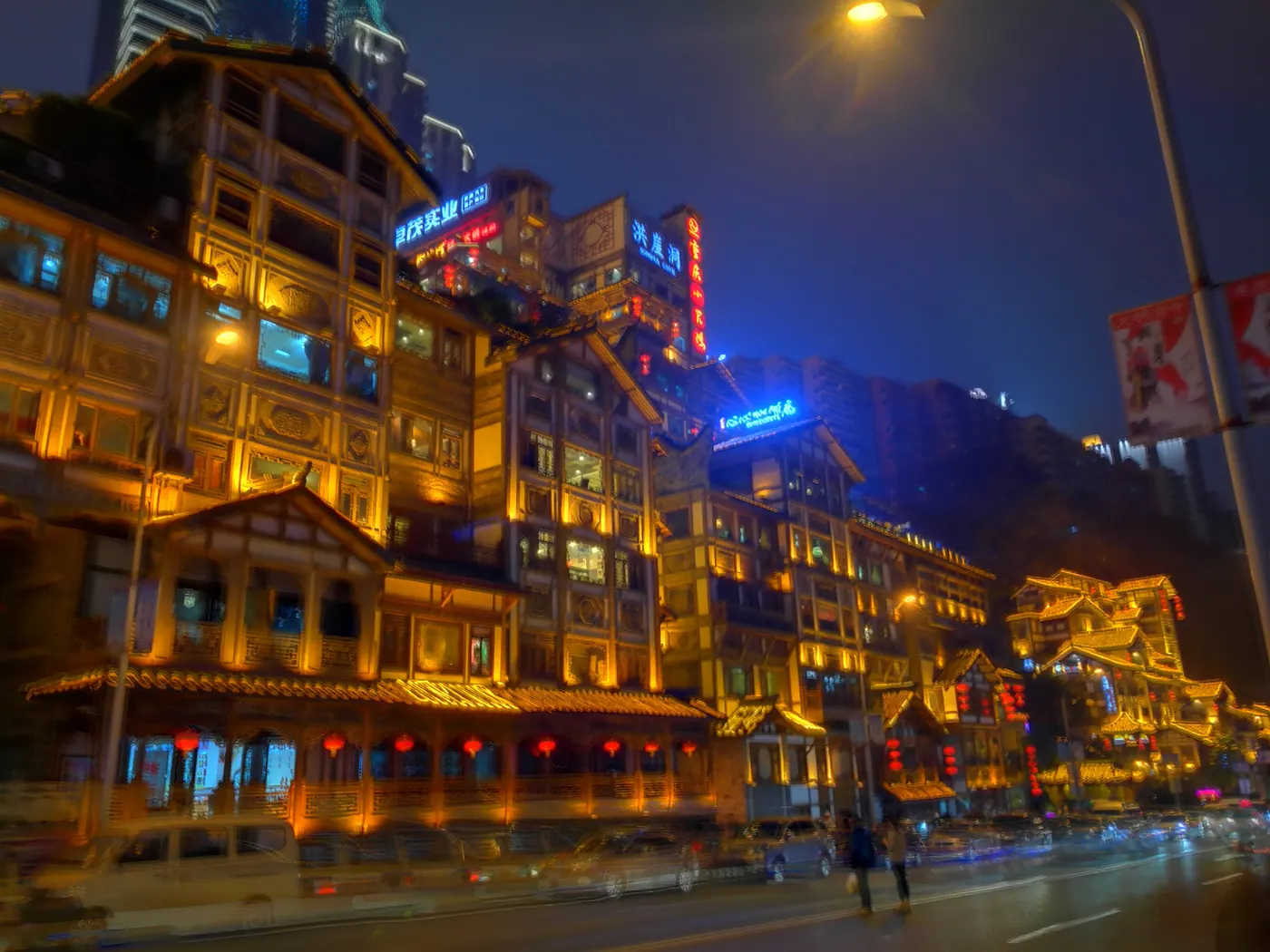
Lanterns are the second pillar, and expectations need setting. Zigong is a national center of lantern craftsmanship, and the craft shows up in workshops, museum displays and public installations year-round, but the massed, large-scale lantern shows cluster around the Lunar New Year period rather than the spring and autumn windows that otherwise suit this route. If lanterns are your priority, plan around winter and accept colder, damper weather; if mild weather matters more, come in March to May or September to November and enjoy the craftsmanship in smaller doses. Either way, evenings are the best time to wander the center — the city is relaxed, affordable and easy to read on foot.
Day 2: The River City — Yibin at Walking Pace
The transfer to Yibin is short — the high-speed rail link takes roughly an hour — which makes it possible to arrive before lunch and still have a full afternoon. Base yourself near the riverside rather than in the newer commercial districts; the old quarter, the tea houses and the confluence viewpoints are all within a comfortable walk, and the light on the water at dusk is the single best free experience in the city. Expect stepped lanes, uneven paving and occasional construction, so pack shoes you can trust.
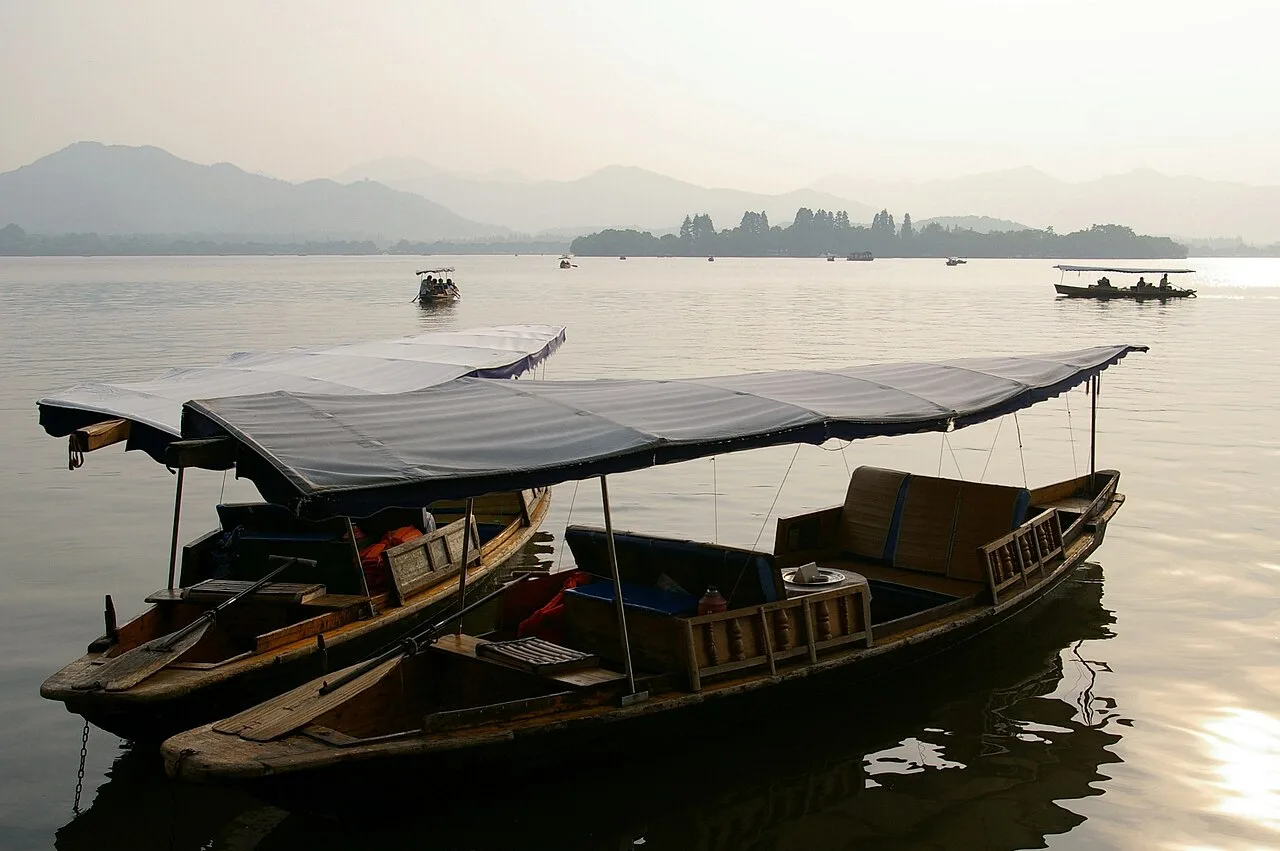
Yibin's most distinctive asset is its geography: stand at the confluence and you can see two rivers of visibly different color and character merging into one. Beyond that, the city is a place for unhurried urban wandering — markets, tea houses where locals settle in for hours, temple courtyards and a food scene built on noodles, river fish and bamboo shoots. This is also baijiu country, home to one of China's best-known liquor producers; a distillery visit or a tasting is a legitimate cultural stop rather than a novelty, but treat strong spirits with respect and plan transport accordingly.
Day 3: Bamboo Country and a Change of Air
The bamboo forests of Changning, usually marketed as the Bamboo Sea, sit well outside the city and deserve a full morning rather than a rushed stop. The journey takes time and typically involves a taxi or a hired car from Yibin, so the tradeoff is clear: you lose flexibility and gain altitude, cooler air and the specific quiet of walking under dense green cover. Paths vary from easy promenades to steeper, wetter trails, so pick a short loop if anyone in your group has mobility limits, and confirm with your driver exactly where you will be collected.
Weather is the variable that decides this day. The hills catch cloud and rain readily, and summer brings both heat and humidity alongside the region's heaviest downpours. Spring and autumn are the sweet spot: mild, often misty in the early morning, and comfortable for several hours of walking. If rain closes in, keep the day in Yibin instead — the riverside, the markets and a long lunch will fill it easily, and you will not have lost anything essential from the trip.
Eating Well: What to Look For and How to Order
Southern Sichuan cooking is confident and direct — more heat, more fermented depth and less sugar than you may expect from Chinese food abroad. In Zigong, look for salt-braised dishes, cold rabbit preparations and beef cooked with dried chilies; the local style is known nationally for its punch, and portion sizes in family restaurants can be large, so order one dish fewer than you think you need and add more later. In Yibin, the regional noodle tradition is the essential breakfast, typically served with a fiery, nutty dressing and toppings you choose at the counter.
Two practical notes make eating easier. First, spice levels are negotiable: phrases asking for mild or less chili are usually understood, and soup-based or steamed dishes round out a table. Second, English menus are uncommon outside hotels, so keep a short list of dish names saved on your phone and rely on photos, pointing and goodwill — it works, and it is part of the pleasure. Vegetarians and travelers with allergies should be specific and repetitive, since broths and seasonings often contain meat or fish elements that are not obvious.
Practical Planning: Transport, Timing and Respectful Travel
The route is easiest by high-speed rail: both cities are connected to Chengdu and to each other, and station-to-hotel transfers by taxi or ride-hailing are straightforward. Within Zigong, ride-hailing covers most sights cheaply; in Yibin, walking plus short rides gets you everywhere in the center, with the bamboo country requiring a pre-arranged car. Build slack into any same-day connection, and avoid scheduling a tight onward train on your final afternoon when mountain weather or traffic could eat into your buffer.
Finally, travel here as a guest rather than a consumer of scenery. Salt-heritage sites and old neighborhoods are living places, not sets; ask before photographing people, keep voices low in temple courtyards and tea houses, and step aside on narrow lanes. Accessibility is uneven — historic lanes have steps and thresholds, and museums vary in lift provision — so message accommodation in advance with specific needs rather than assuming. Tipping is not expected, cash is still useful in smaller eateries, and a little Mandarin goes a long way in a region that sees relatively few international visitors.
Further China Planning
For a wider route, compare this itinerary with China by high-speed train and China travel by month. Keep the order flexible when weather, reservations or transport conditions change.
Before departure, review the China entry guide and China travel safety guide. Confirm current opening hours, ticket rules and local transport through official channels.