Why Jinan and Qufu Make a Natural Four-Day Pair
Shandong's two most rewarding heritage stops happen to sit on the same rail corridor, which is the whole argument for pairing them. Jinan, the provincial capital, is a working Chinese city built around artesian springs — its parks, moats and lakes are fed by water that surfaces right in the middle of town. Qufu, a short high-speed ride to the south, is a compact town organized around the legacy of Confucius and his descendants. One gives you everyday urban life with water running through it; the other gives you a memorial landscape that is still in active use.
Four days is the honest minimum for both without rushing. The rhythm that works best is two nights in Jinan, then two in Qufu or a nearby base, with one full day given to each city's core sights and a little slack left over for heat, rain or a slower morning. It is not a checklist trip: the pleasure comes from repetition — the same park at a different hour, the same courtyard seen without a tour group in it. Rail timetables, ticket bundles and site access all shift over time, so confirm the details before you leave rather than building a minute-by-minute plan.
Days One and Two: Jinan, the City of Springs
Start with the springs. Baotu Spring park is the emblematic stop, a walled garden of pools, pavilions and stone inscriptions where the water is startlingly clear. Go early, before the tour coaches arrive, and then walk rather than taxi: the moat, Daming Lake and the connected waterways form a loose green ring around the older part of the city that is genuinely pleasant on foot. Daming Lake in particular rewards a slow loop in the late afternoon, when local families come out and the light softens over the water.
Day two belongs to the old commercial core. The lanes around Furong Street and the Baihua Zhou area are touristy in patches but still hold fragments of the city's trading past — grey brick fronts, small shrines, snack stalls selling griddle-cooked breads and sweets. Treat it as a grazing walk rather than a meal, then use the afternoon for Thousand Buddha Mountain or a longer stretch of the spring-water parkland. Jinan is a city that reveals itself in ordinary corners, so leave gaps in the schedule instead of filling every hour.
Day Three: The Rail Transfer and the Temple of Confucius
The move to Qufu is one of the easier transfers in China. High-speed trains run from Jinan's main stations to Qufu East, and the journey is short enough to feel like a commuter hop rather than a travel day. The station sits outside the old town, so plan on a taxi or local bus for the final leg and keep the exact service times loose in your planning — schedules and station assignments change between seasons, and it is worth checking the current timetable and your ticket class before departure. Aim to arrive by midday so the afternoon stays useful.
Then walk into the Temple of Confucius, the sprawling complex of courtyards, stone steles and ancient cypresses at the heart of Qufu. The important adjustment for foreign visitors is that this is not a museum: it is an active memorial and ceremonial site, and people come to pay respect, not simply to photograph. Keep voices low, avoid blocking the central processional line, and do not climb on steles or statues. Tickets are usually sold as a combined pass with the Cemetery and the Confucius Family Mansion, but bundles and entry rules are periodically revised, so verify the current arrangement rather than relying on older guides.
Day Four: Cemetery, Mansion and the Mount Tai Question
The Cemetery of Confucius is the part most visitors underestimate. It is a vast wooded burial ground rather than a single monument, and the walk among old trees and stone markers takes longer than expected — a shuttle or local transport may be involved, and access arrangements vary, so check on arrival. Pair it with the Confucius Family Mansion, the walled residence where generations of descendants lived, which gives a useful domestic counterpoint to the ceremonial grandeur of the temple. Keep the day to these two and you will end with energy left for an evening stroll.
Mount Tai is the obvious temptation, and the honest advice is to resist stacking it onto Qufu. The mountain needs its own day, usually with a night in Tai'an or a very early start, and the summit is crowded at sunrise with domestic pilgrims. Cable cars reduce the effort but not the queues. If you want to add it, extend the trip by a day rather than compressing the Confucius sites. Weather closes paths and lifts, and conditions on the mountain can differ sharply from the valley, so check the forecast and operating status the day before.
Practical Notes: Weather, Food and Respect
Shandong's summers are hot and humid, with heavy rain that can turn streets slick and occasionally affects outdoor sites; spring and autumn are far kinder for walking, and winter is cold and dry but quiet. Build in a wet-afternoon alternative such as a museum or a long lunch, and accept that weather closures happen. Whatever the season, carry water, wear shoes you can walk in for hours, and expect a lot of standing on stone paving in Qufu.
Food is one of the trip's quiet pleasures. Shandong cooking is savory and generous, built on braises, freshwater fish and wheat-based staples, and Jinan's snack lanes are ideal for grazing. In Qufu, look for simple local restaurants near the old town rather than anything aimed squarely at tour buses. Around memorial spaces, dress with a little care, keep phones silent and ask before photographing people at prayer or ceremony. Prices, opening hours and ticket bundles all change — treat any figure you read online as a prompt to verify, not a fact.
Planning links and cover photo source
For related planning, read Qingdao in 3 Days, Beijing, Datong and Xi'an heritage route, China travel by month and region. Check each operator's current visitor notice before paying, because access, reservations, transport and weather procedures can change.
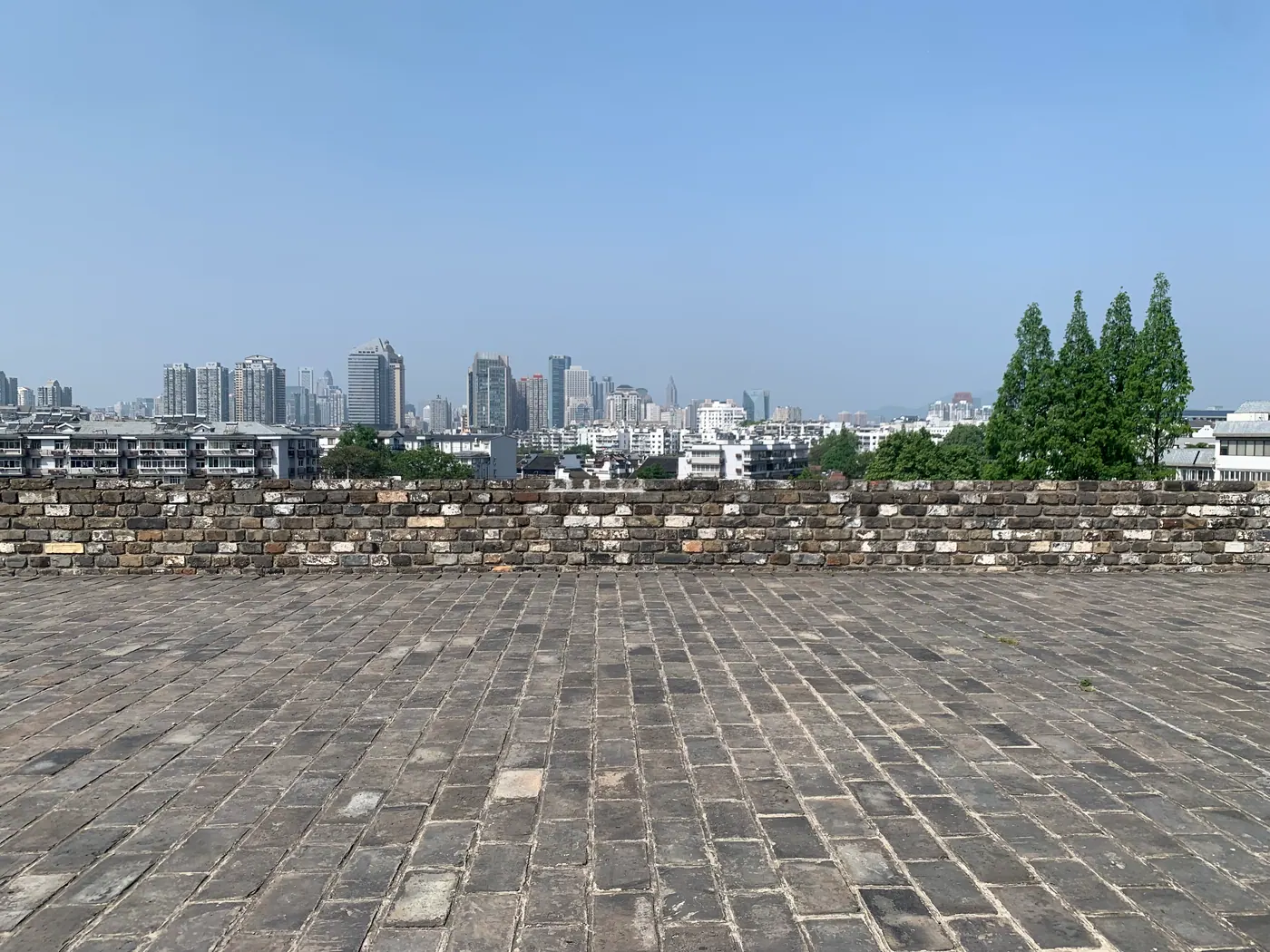
Cover photograph: Nanjing City Wall, south section by Chainwit, via Wikimedia Commons, licensed under CC BY 4.0. The photograph was resized and converted to WebP; it is a neutral Chinese heritage image, not a photograph of Jinan or Qufu.