Why Nanjing deserves a place on a first China route
Nanjing rewards travelers who like a city with layers rather than one single headline sight. It has been an important capital and cultural center at different points in Chinese history, and those layers remain visible in city walls, gates, museums, memorial spaces, old neighborhoods, universities, parks, and food traditions. The result is a city where a morning can be architectural and formal, while the afternoon becomes a quiet walk beneath plane trees or a bowl of noodles in a neighborhood shop.
Nanjing is also a practical addition to an east-coast itinerary. High-speed rail connects it with Shanghai, Hangzhou, Suzhou, Beijing, and many other cities, and a useful metro network reduces the need for long taxi rides. Compare it with the routes in our China city comparison guide before deciding whether your trip needs another major city. Once Nanjing is chosen, use the high-speed train guide to confirm the exact station and passport details.
Before you arrive: choose the right base and check reservations
For a first visit, stay near Xinjiekou, Gulou, Fuqiao, or another central metro area with straightforward access to the eastern scenic district and the old city. Xinjiekou is convenient for shopping, restaurants, and connections; Gulou and Fuqiao can feel calmer while remaining central. Ask the hotel to confirm that it accepts foreign passports and can register every guest. Save its Chinese address, late-arrival instructions, and a phone number offline. Our China hotel booking guide explains the questions worth asking before payment.
Check current opening days and reservation rules for the Sun Yat-sen Mausoleum, Nanjing Museum, the Presidential Palace, the City Wall, and any memorial site you plan to visit. Some attractions use real-name or passport-linked booking, while others change hours for maintenance, public holidays, or special events. Book through the current official channel and carry the same passport used for the reservation. The China attraction ticket guide gives a general checklist, but each venue's notice remains the final authority.
Day 1: Purple Mountain, Sun Yat-sen Mausoleum, and the Nanjing Museum
Begin on Purple Mountain, the large eastern green area that holds several of Nanjing's most important historic and scenic sites. Go early, especially on weekends and public holidays, and check the current shuttle, walking, and timed-entry arrangements before leaving your hotel. The distances between gates, parking areas, memorial buildings, and museums can be greater than a map suggests. Wear comfortable shoes, carry water, and treat the mountain as a full morning rather than an item to squeeze between two city-center stops.
The Sun Yat-sen Mausoleum is the best-known first stop for many visitors. Its long stairway and formal axial design create a strong sense of arrival, but the climb can be demanding in heat, rain, or crowded conditions. Follow local instructions, keep voices low, and do not treat the memorial space as a casual photo backdrop. If mobility is a concern, check the current accessible route and shuttle information before booking; the accessible China travel guide offers planning principles for uneven terrain and long attraction days.
Use the Nanjing Museum for the second half of the day if the current schedule allows. It is large enough to deserve a focused choice of galleries rather than a promise to see everything. Chinese history, ceramics, calligraphy, textiles, and regional archaeology can give context to the buildings you have seen in the morning. Reserve or confirm entry through the official channel, then take a proper lunch break before exploring another gallery. A museum afternoon is also a useful weather plan when the mountain is wet or visibility is poor.
Day 1 evening: a local dinner and a calm first impression
Return to a central neighborhood for dinner rather than adding another distant attraction. Nanjing food worth trying includes duck dishes, duck blood and vermicelli soup, salted duck, soup dumplings, sesame cakes, noodles, and seasonal Huaiyang-influenced plates. Menus and preparation vary, so ask about ingredients if you have an allergy or avoid pork, blood products, shellfish, or alcohol. The China food guide explains ordering, translation cards, and food-safety habits.
After dinner, take a short walk near your hotel or along a well-lit central street. Nanjing can feel spacious after the intensity of a major museum and mountain day, but do not underestimate the distance already covered. Keep payment and transport backups ready, especially if a small restaurant accepts only a local wallet or cash. Our China payment guide explains how to prepare more than one option before arrival.
Day 2: Ming City Wall, Zhonghua Gate, and the old south city
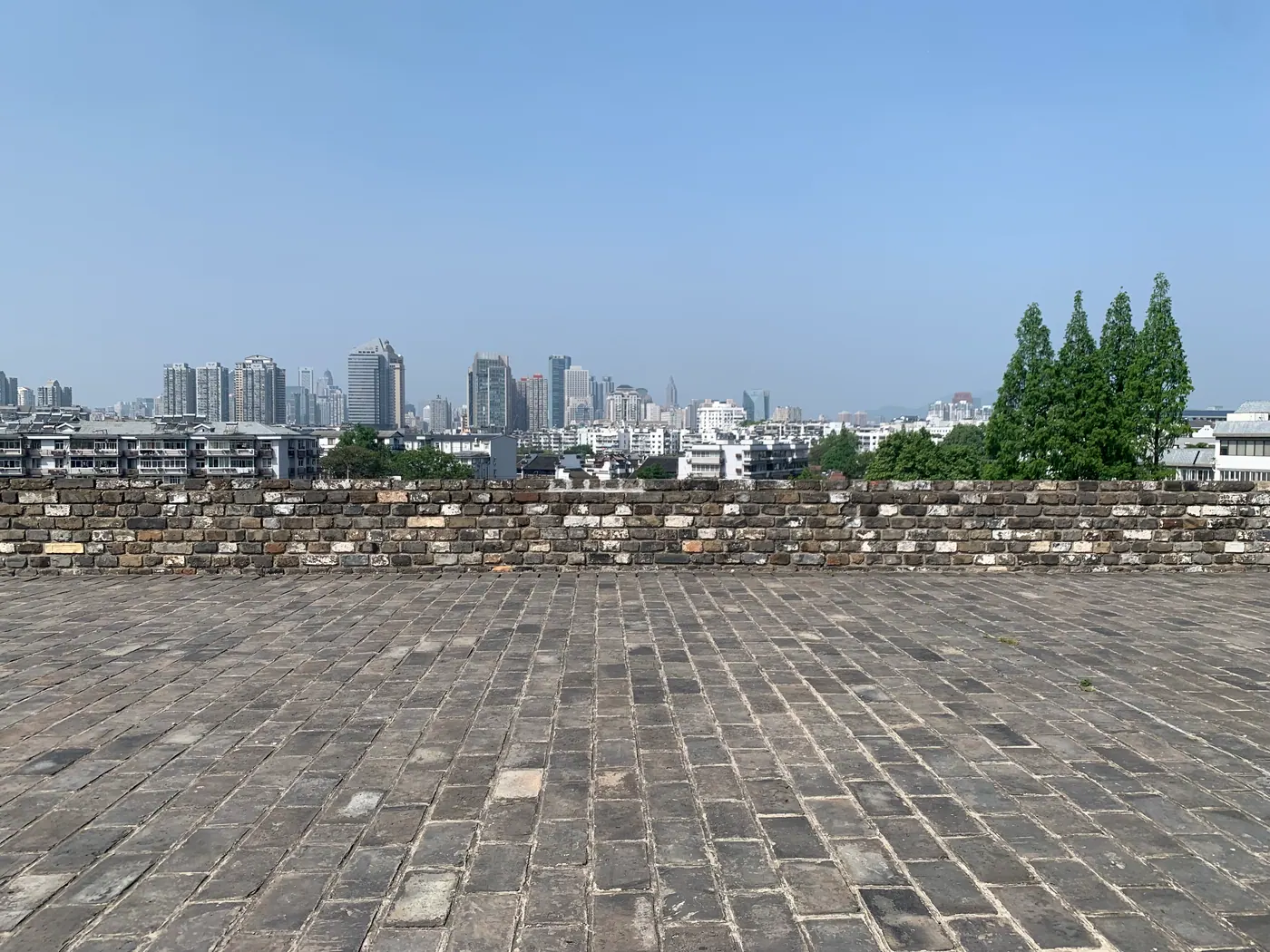
Start day two on the Nanjing City Wall. Choose the section that fits your hotel and current opening information, and confirm which gates are accessible from the metro or a short taxi ride. The wall offers a different way to understand the city's scale: you can see modern towers, old neighborhoods, roads, trees, and historic gates in one long view. Sections include steps and exposed surfaces, so bring sun protection, water, and shoes with grip. Wind and rain can make the top uncomfortable even when the city below feels mild.
Zhonghua Gate is a strong complement if the current ticket and route make sense. Its defensive design, courtyards, ramps, and changing levels show how the wall functioned rather than treating it as a flat promenade. Read the signs and allow time for the stairways. If you are traveling with children, older relatives, or a traveler with reduced mobility, ask staff which route avoids the most difficult sections and keep a ground-level alternative ready.
Spend the afternoon in the old south city neighborhoods around Laomendong and nearby historic lanes, checking current conditions because restored areas and working residential streets change over time. Laomendong can be lively for snacks, small shops, and architecture, but it is not a theme park. Respect residents, do not block doorways, and look beyond the most photographed street for ordinary restaurants and craft businesses. A late lunch or tea stop gives your feet a break before the evening river area.
Day 2 evening: Qinhuai River and Fuzimiao with realistic expectations
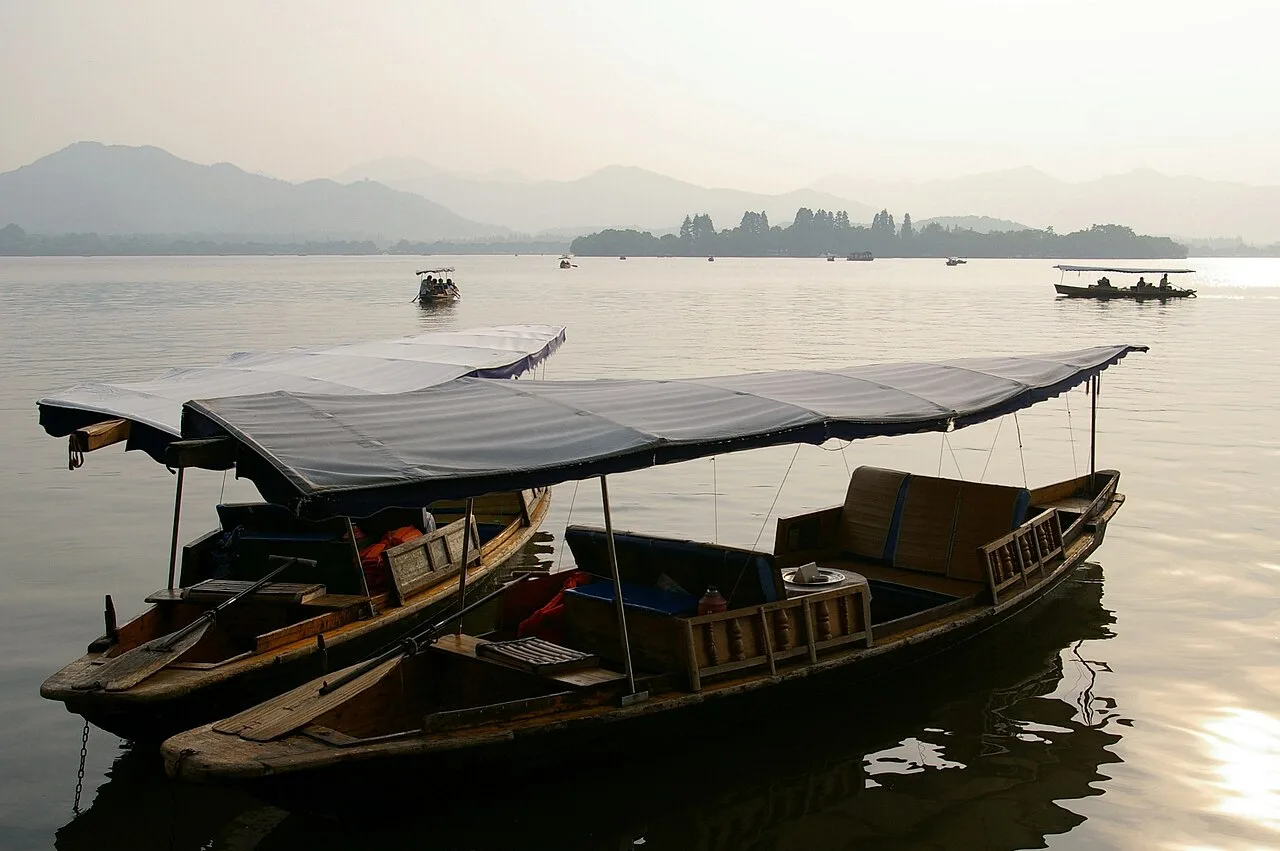
Qinhuai River and the Fuzimiao area are most atmospheric around dusk, when lanterns and reflections begin to appear. They are also among the busiest parts of Nanjing, especially on weekends and holidays. Walk the public riverfront first, then decide whether a boat ride, temple visit, or restaurant fits your energy and budget. Check current boat boarding points, ticket terms, weather rules, and the final return route before paying. A short walk can be more enjoyable than joining a queue simply because a cruise is listed in every guidebook.
Treat the area as both a visitor district and a historic neighborhood. Keep valuables secure in crowds, confirm prices before ordering, and avoid unofficial guides or invitations to shops with no visible menu. Choose a restaurant with clear prices and a dish list you can understand. If the crowds become too intense, leave the riverfront and eat one or two streets away; the evening does not depend on standing at the busiest viewpoint.
Day 3: Presidential Palace, a history museum, and the city's quieter side
Use day three for the Presidential Palace area and the historic streets around it, subject to current opening information. The complex contains several periods and uses, so read the context instead of reducing the visit to a series of rooms. Give yourself time to process difficult history and avoid turning sensitive memorial spaces into staged entertainment. The China cultural etiquette guide covers photography, clothing, and respectful behavior at historic and religious places.
Pair the palace with one additional museum or neighborhood rather than trying to cross the entire city. The Six Dynasties Museum, Nanjing Municipal Museum, Jiangsu Provincial Museum, or a smaller local venue may suit different interests and opening days. Check which museums are actually open on your date, and keep an indoor café or bookstore as a useful fallback. A three-day trip becomes more satisfying when the final day has room for a change of mind.
If you want a quieter finish, walk a plane-tree avenue, visit a local market, or return to a restaurant you liked. Nanjing's scale makes a repeat meal practical, and the second visit often reveals ordering habits you missed on day one. If your next stop is Shanghai or Hangzhou, confirm the departure station and leave a generous buffer. The China travel planning timeline explains why the hotel-to-station journey, security, and passport checks belong in your schedule.
Practical Nanjing details: transport, weather, and pacing
The metro is useful for central districts, but Purple Mountain, museums, wall gates, and riverfront neighborhoods may require a final bus or ride-hailing connection. Save each destination in Chinese characters and confirm the pickup point outside a large venue. Nanjing's attractions are spread across the east, center, and south, so grouping by area matters more than trying to use one transport mode for everything. Carry a small power bank and keep your hotel address on paper.
Spring and autumn are often comfortable for long walks, while summer can be hot, humid, and stormy. Winter brings colder evenings and fewer hours of comfortable outdoor light. Check the local forecast every morning, especially before Purple Mountain or the wall, and replace an exposed site with a museum when weather or health makes that the sensible choice. Our China travel by month guide compares regional conditions rather than treating the country as one climate.
Nanjing is easy to overplan because its history is rich. Three substantial stops per day is usually enough when one includes a mountain, wall, museum, or memorial. Reserve the attractions that require tickets, keep meals and neighborhood walks flexible, and leave one unclaimed block for rest. The best first visit is not a complete survey of Nanjing; it is a route that lets you understand why the city deserves a return.
Planning sources
Reviewed on October 9, 2026. Check the Nanjing Museum English site for current exhibitions, opening arrangements, and entry notices. For the Presidential Palace, Sun Yat-sen Mausoleum, City Wall, memorial sites, and public transport, use each venue's current official notice or ticket channel on the day you book. Opening days, timed entry, shuttle routes, and passport requirements can change around holidays and maintenance periods.
Cover photograph: Nanjing City Wall, south section by Chainwit, via Wikimedia Commons, licensed under CC BY 4.0. The photograph was resized and converted to WebP for this site; the article text is separate from the photograph license.