Why Ningxia Suits a Four-Day Route
Ningxia's advantage is scale. Yinchuan, the regional capital, sits in the north with the Helan Mountains rising immediately to the west and the Yellow River plain spreading east. The desert-edge country around Zhongwei lies a half-day's drive south. That geography means you can move between museum-grade history and open landscape without spending your trip in transit — a rare thing in a country this large.
The shape of the itinerary matters more than the pace. Two nights in Yinchuan gives you a full day for the city and the mountains, one night near Zhongwei opens up the dunes, and the final day returns you to Yinchuan with time to spare before a flight or train. Resist the urge to add a third base. Road conditions, seasonal site closures and the simple reality of desert heat all reward a looser plan, and the details of any given attraction are worth confirming with your hotel or driver a day or two ahead.
Day 1: Yinchuan and the Western Xia Story
Start with context. The Ningxia Museum in Yinchuan is the cleanest way to understand the Tangut-led Western Xia state, the Silk Road traffic that passed through this basin, and the Hui Muslim culture that still shapes the region's food and architecture. Do the museum in the morning while you are fresh, then head out to the Western Xia imperial tombs on the plain below the Helan Mountains in the afternoon, when the light rakes across the mounds and the site is at its most photogenic.
The tomb site is large, exposed and mostly unshaded, with a visitor centre and dispersed earthwork monuments linked by paths and internal transport whose arrangements change from season to season. Check current opening days and last-entry times before you commit, and carry water, a hat and sun protection even on a mild day. Back in the city, the evening belongs to food: lamb, hand-pulled noodles, and night-market stalls where the Hui culinary tradition is at its most immediate.
Day 2: Helan Mountain Rock Art and Wine Country
The Helan Mountains form a long, dry wall west of Yinchuan, and their foothills hold two very different attractions. In the morning, head to the rock-art valleys, where prehistoric engravings of animals and human figures are cut into dark stone along a walkable gorge. Go early: the canyon holds shade, the light is better for seeing the engravings, and you will avoid the worst of the midday sun. Allow time to walk slowly rather than treating it as a photo stop.
The eastern foothills of the same range are also Ningxia's wine heartland, a designated growing area that has quietly become one of China's most interesting. Visits are typically by arrangement rather than casual drop-in, and access varies by estate, season and language support, so email or book through your hotel well before you travel and confirm rather than assume. If you plan to taste, arrange a driver for the day — the roads between estates are not designed for improvisation, and this is not a region to sample wine and then navigate yourself.
Day 3: South to the Desert Edge and the Yellow River
Drive south to Zhongwei, a run of close to 200 kilometres that usually takes somewhere between two and three hours depending on traffic, stops and your driver's route. The reward is Shapotou, where tall sand dunes drop down to a broad bend of the Yellow River — one of the more cinematic landscapes in northwest China and a striking contrast to the green irrigated plain you left behind.
Sand and wind define the experience. Bring sunglasses that seal, a scarf or buff, and a way to protect your camera; on a breezy day the dunes move visibly and grit gets everywhere. Activities on offer vary by season and operator, and it is sensible to confirm what is actually running when you visit rather than relying on older descriptions. If the main site feels crowded, ask locally about quieter stretches of dune nearby, then settle into Zhongwei for the night.
Day 4: Return, Hui Culture and a Realistic Departure
Give the final morning to Zhongwei's older streets and a slow breakfast, then drive back to Yinchuan. Build a generous buffer: the return leg can stretch with traffic, and the last day of any itinerary is the worst place to gamble on timing. If your departure is late, use the afternoon for a mosque visit or a Hui cultural site in or around Yinchuan, where architecture and community life offer a different lens on the region than tombs and dunes do.
Approach these places as a guest. Dress modestly, keep voices low during prayer times, ask before photographing people or interiors, and be mindful of fasting hours if you happen to travel during Ramadan. As with everything else on this route, opening hours, visitor access and whether women are received in particular spaces are details to check in advance rather than assume — a short question to your hotel is worth more than a confident guess.
Planning links and cover photo source
For related planning, read China's Silk Road by rail, China travel safety guide, China food travel guide. Check each operator's current visitor notice before paying, because access, reservations, transport and weather procedures can change.
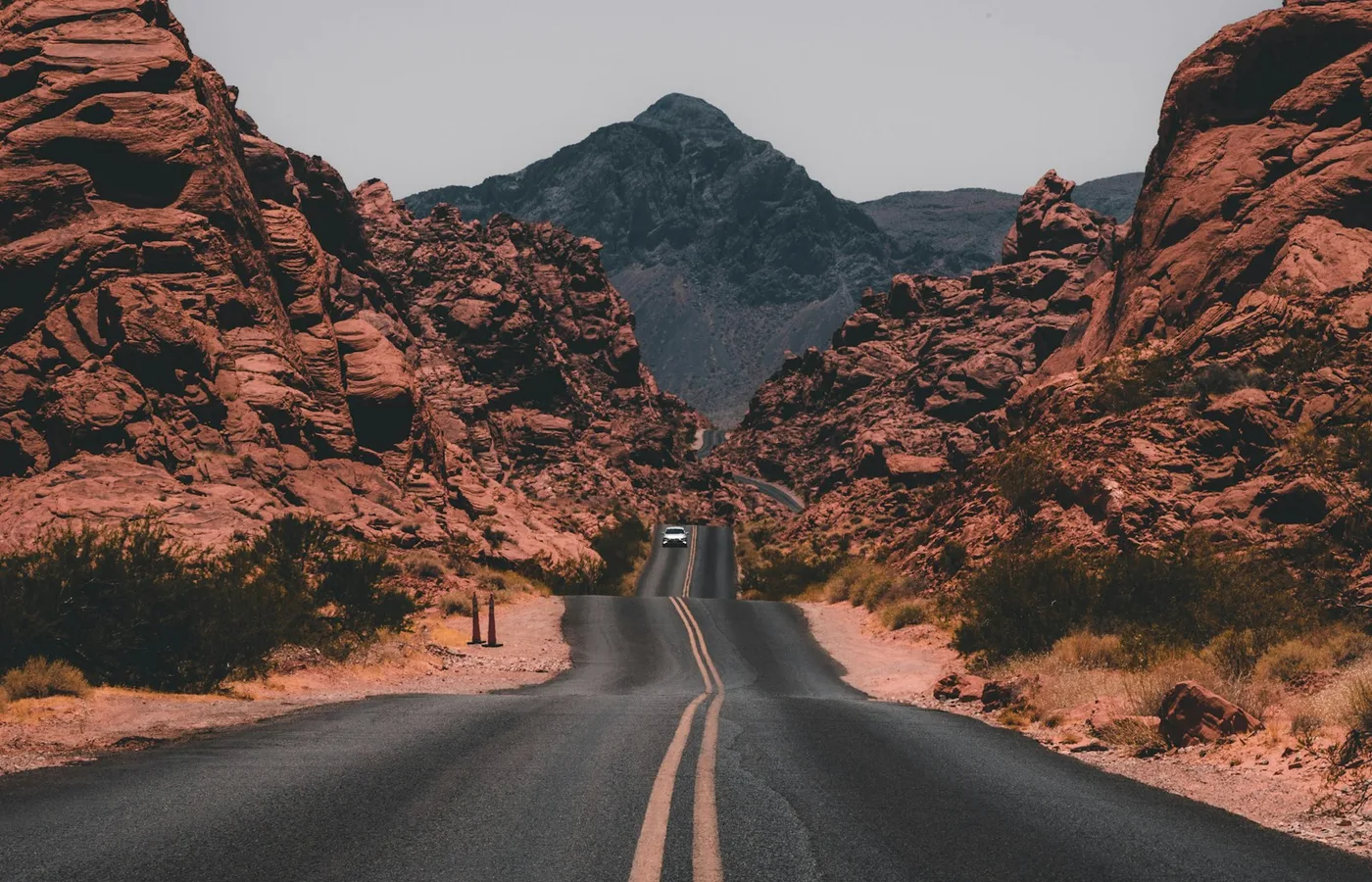
Cover photo: desert mountain landscape via Unsplash, used under the Unsplash License. It is a general desert image, not a photograph of Ningxia.


