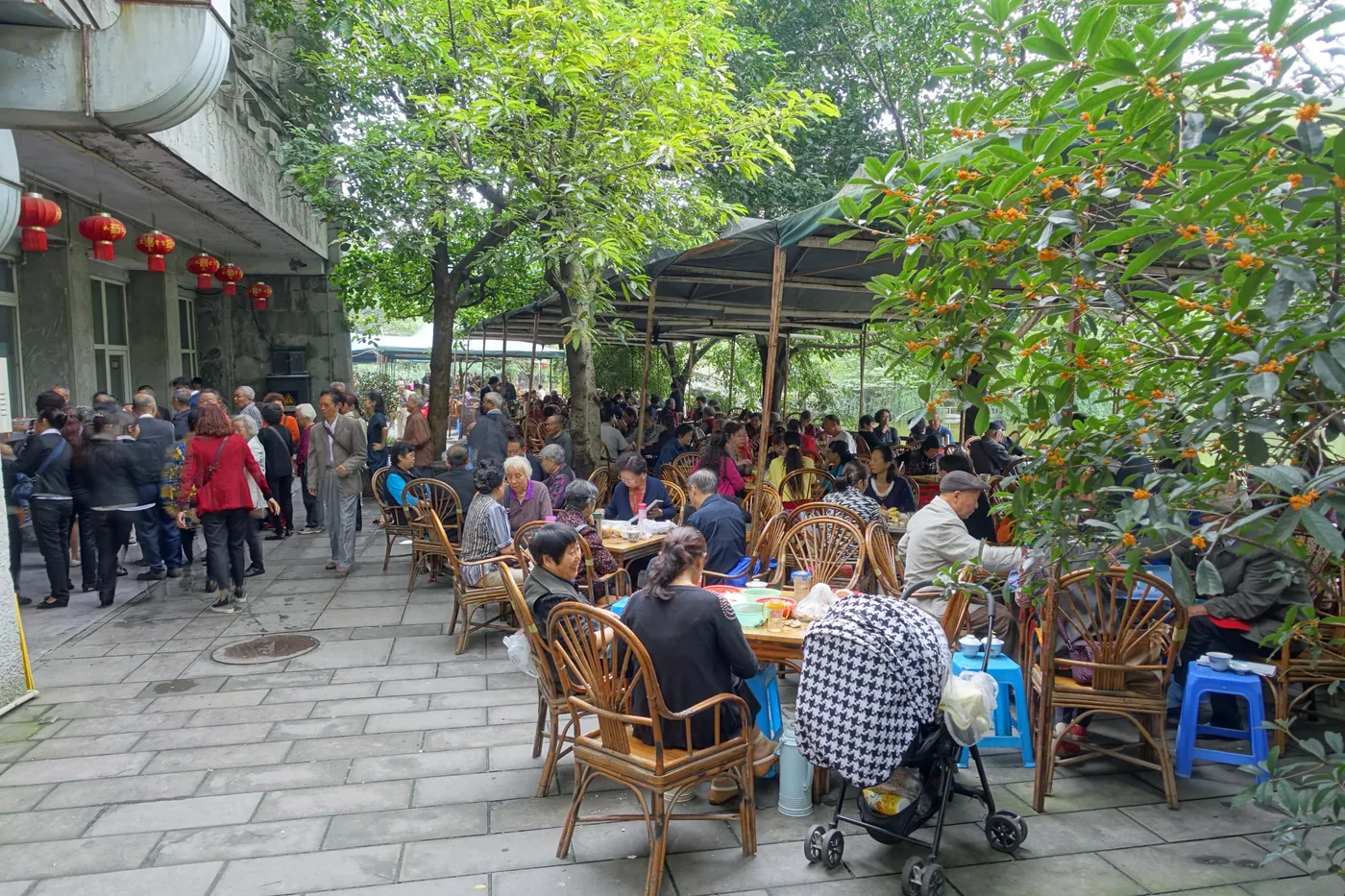
Why Ya'an Rewards a Slow Three-Day Pace
Ya'an has a reputation in China as the Rain City, and locals wear it lightly. The damp air is what makes the tea hills so green and the mornings so atmospheric, but it also shapes how you should travel here. Distances are short — the city, the Bifengxia valleys and the tea mountains all sit within roughly an hour of each other — so the real constraint is not geography but weather. A three-day plan that keeps one flexible slot each day will almost always beat a tightly packed one.
The rhythm that works best is city, valley, tea mountain. Land in Ya'an, use the first afternoon to acclimatise with tea and a riverside walk, give the second day entirely to Bifengxia for pandas and the gorge, then finish with Mengding Mountain's tea terraces or the old stone streets of Shangli on the third morning before heading back to Chengdu. This sequence also puts your most weather-dependent day last, so you can swap it forward if the forecast turns.
Getting There and Local Transport Tradeoffs
The easiest approach is the intercity train from Chengdu, which runs frequently and takes a little over an hour to Ya'an, making this an unusually painless mountain escape. The tradeoff is that stations sit on the edge of town, so you will still need a taxi or ride-hailing car to reach your guesthouse or the bus link to Bifengxia. If you are carrying heavy luggage or arriving late, pre-arranging a pickup is worth the small extra cost.
Within the region you have three realistic choices. Local buses and shared shuttles are cheapest and fine for Bifengxia and Shangli, but schedules thin out in the afternoon and are harder to read without Chinese. Ride-hailing works well inside the city but is patchy in the valleys. The comfortable middle ground for most international travellers is hiring a driver for one or two half-days — particularly for Mengding Mountain, where the tea areas are spread across a hillside and walking between them eats your morning. Book through your accommodation and confirm the return time in writing.
Day One: Ease into the Rain City
Keep your first day deliberately light. Ya'an's pleasure is in walking its riverside promenades and tea houses rather than ticking off sights, and after a train ride the gentle option is a slow afternoon with a pot of local green tea and a bowl of something warming. Ya'an green tea, notably the tender early-spring styles from the surrounding hills, is delicate and slightly sweet; brick tea, pressed and traded for centuries toward Tibet, is the darker, earthier side of the same story. Tasting both in one sitting is a good introduction to why tea matters so much here.
If you arrive early enough, add a short excursion to Shangli, an old market town of wooden houses and stone bridges strung with bougainvillea, half an hour north of the city. It is popular with domestic day-trippers, so late afternoon and early morning are noticeably calmer than midday. Wear shoes with grip — the polished stone lanes are genuinely slippery in rain — and carry a light rain shell rather than an umbrella if you plan to walk the riverbank afterwards.
Day Two: Pandas First, Gorge Second in Bifengxia
Bifengxia deserves the whole day, and the single best planning decision you can make is to reach the panda area early. Giant pandas are most active and most likely to be feeding or moving about in the cooler morning hours, and the enclosures are quieter before tour groups arrive. This is a conservation and breeding base connected to the wider Sichuan panda research network, so treat it as a working facility rather than a zoo: keep voices low, switch off flash photography, never feed the animals, and follow staff instructions about which paths are open.
After the pandas, the two Bifengxia gorges offer a very different experience — narrow forested valleys with waterfalls, hanging vegetation and a lot of stairs. The descent into the valley is steep and the stone steps stay wet most of the year, so this is not a casual stroll; allow two to three hours and bring a rain jacket, quick-drying trousers and shoes with real tread. The gorge walk can be closed or restricted after heavy rainfall, and there is genuinely no shame in skipping it. Many travellers find the quieter upper forest paths and the panda area more rewarding than a hurried route march through the valley.
Day Three: Mengding Mountain Tea Country
Mengding Mountain is where Sichuan's tea culture becomes tangible. The slopes are terraced with bushes, temples sit among the gardens, and on a misty morning the whole hillside reads like a landscape painting. Spring is harvest season, when pickers work the rows and the air smells of freshly fired leaves; autumn brings cleaner light and fewer visitors. A cable car serves the upper area, which is useful if you want the views without committing to a long climb, though the walking routes between the tea terraces are the real point.
Tea tasting here is a genuine pleasure and also a shopping opportunity, so go in with a plan. Taste before you buy, ask which harvest and which hill the leaves came from, and expect prices to vary widely by grade — you are paying for leaf quality and picking time, not packaging. Small amounts are fine; tea is light to carry and makes a far better souvenir than anything mass-produced. If the mountain is fogged in, the old streets of Shangli or a slow morning of tea houses back in Ya'an are excellent substitutes, so keep the day flexible.
Rain Plans, Accessibility and Respectful Travel
Assume rain and you will rarely be disappointed. Build a wet-weather kit around a waterproof shell, a dry bag for electronics, quick-drying layers and grippy shoes, and remember that humidity in summer makes even mild temperatures feel close. Substantial downpours can trigger temporary closures in the gorges and slow mountain roads, so check conditions the evening before rather than setting out on hope. A simple rule: pand Secaucus areas and tea houses go ahead in any weather, gorge descents and exposed mountain walks wait for a drier window.
Accessibility needs honest expectation-setting. Bifengxia's valley routes are stepped, uneven and often slick, which makes them hard work for anyone with knee problems, small children in carriers or mobility aids; the panda area near the entrance is far more manageable and staff can advise on the flattest routes and any internal transport. Ya'an's city riverside is largely level and pleasant. On Mengding Mountain, temples are places of worship rather than attractions — dress modestly, keep voices low, and ask before photographing people at prayer. At tea tastings, accept cups with two hands and let your host pour; it is a small gesture that lands well.
Further China Planning
For a wider route, compare this itinerary with China by high-speed train and China travel by month. Keep the order flexible when weather, reservations or transport conditions change.
Before departure, review the China entry guide and China travel safety guide. Confirm current opening hours, ticket rules and local transport through official channels.


