Arrival, Orientation and Getting Around
Most international visitors reach Changsha either by high-speed rail or through Changsha Huanghua International Airport. High-speed trains generally arrive at Changsha South, while the older central station handles many conventional services; both connect to the metro network, so check which station your ticket actually names before you book a hotel nearby. From the airport, the metro and a dedicated airport rail link are the usual budget options, with taxis and ride-hailing available outside arrivals. Schedules, first and last train times, and whether a line is running as normal are all things to confirm on official sources shortly before departure rather than trusting a blog post written months ago.
The metro is compact, signposted in English and easy to learn within a day; a stored-value transit card or a phone-based QR code in Alipay or WeChat usually works, though international card support changes, so set it up before you fly and keep a little cash as backup. Ride-hailing through DiDi is the simplest door-to-door option, but pin your pickup point carefully in large stations and malls, where drivers cannot stop just anywhere. Changsha is spread out rather than walkable end to end, so plan each day around one district and one metro corridor instead of crisscrossing the river on a whim.
Day One: Yuelu Mountain and the Academy Ridge
Start on the west bank with Yuelu Mountain, the green spine that gives Changsha its shape. Trails wind up through woodland to viewpoints over the river and the city skyline, and a cable car or shuttle has traditionally offered a shortcut for those who would rather save their legs for dinner — verify current operation and hours before relying on it. Go early, both for cooler air and for quieter paths. The mountain is a public park used by locals for morning exercise, so treat it as their backyard: keep to marked trails, carry water, and expect humidity to make the climb feel harder than the distance suggests.
Partway up sits Yuelu Academy, one of China's most historic seats of learning and the reason this ridge matters far beyond its views. It is an active academic and cultural site, not a theme park: dress reasonably, keep voices low in halls and courtyards, avoid blocking doorways for photos, and follow any signage about where visitors may and may not go. Nearby, the Hunan University campus area adds a young, bookish energy. Whether the academy requires advance booking, has a closed day or charges admission is exactly the kind of detail that shifts, so check official channels the week you travel.
Day Two: Museum Planning and the Food Streets
The Hunan Provincial Museum is one of the country's most rewarding regional collections, with remarkable finds from the Mawangdui tombs and deep context on Hunan's history and material culture. Treat it as a planning choice rather than a guaranteed walk-in. Many major Chinese museums use timed online reservations, cap daily visitor numbers and close one day a week, but the specifics are not something to guess at. Reserve through official channels as early as your booking window allows, bring your passport because it is commonly required for entry, and have a fallback plan for the day if slots are full.
Come evening, the city center becomes one long appetite. Pedestrian food streets and covered markets around the old town — Pozi Street and Taiping Street are the names most travelers hear first — serve the Changsha canon: chili-laced stir-fries, rice noodles, griddled snacks and the famously pungent stinky tofu. Ordering spice is its own skill. "Wei la" means mildly spicy, "bu la" means not spicy, and both are interpreted generously by local standards, so start lower than your confidence suggests and add chili oil at the table. Ask what is in a dish if you have allergies or dietary limits, keep small notes translated on your phone, and remember that queue length reflects hype as much as quality.
Day Three: The Xiang River and a Calmer Evening
Give your last day to the river. The Xiang waterfront is where Changsha exhales: promenades for joggers, benches for grandparents, and long sightlines to the opposite bank. Orange Isle sits midstream and is popular for walking and cycling, with seasonal illuminations and occasional evening events whose schedules change — check locally rather than planning your night around a fireworks display that may not be running. Sunset is the sweet spot, when the heat lifts and the skyline starts to glow.
If the city's late-night rhythm wears you out, build in a quieter alternative instead of forcing yourself through it. A slow tea stop, an independent bookshop, a gentle stroll through a neighborhood park, or a return to the riverbank after dark with nothing to accomplish all work better than one more crowded street. Changsha's nightlife is genuine and worth a taste, but it is not compulsory. A three-day trip feels better with one evening that asks nothing of you.
Heat, Etiquette and What to Verify
Changsha is hot and humid in summer, with heat that drains energy fast, and winters that feel damp and chilly despite mild numbers on a forecast. Pack light, breathable layers, a refillable bottle to cut plastic waste, and sun protection for exposed mountain and riverside stretches; build an indoor hour into midday in July and August. Spring and autumn are the most comfortable windows, while late spring and early autumn can bring heavy rain. Check a short-range forecast in the days before you go, since conditions shift quickly.
Finally, respect the places you visit. Memorials, temples and religious halls call for quiet voices, modest dress and no intrusive photography; ask before photographing people at prayer or at work, and never climb on monuments. Academic spaces such as Yuelu Academy are workplaces as much as attractions, so follow the marked visitor route. Opening hours, ticket rules, reservation systems, transport timetables and payment app support all change — confirm them on official sites and local apps before departure, and treat this itinerary as a shape for your days rather than a contract.
Planning links and cover photo source
For related planning, read Wuhan in 3 Days, China food travel guide, Getting around Chinese cities. Check each operator's current visitor notice before paying, because access, reservations, transport and weather procedures can change.
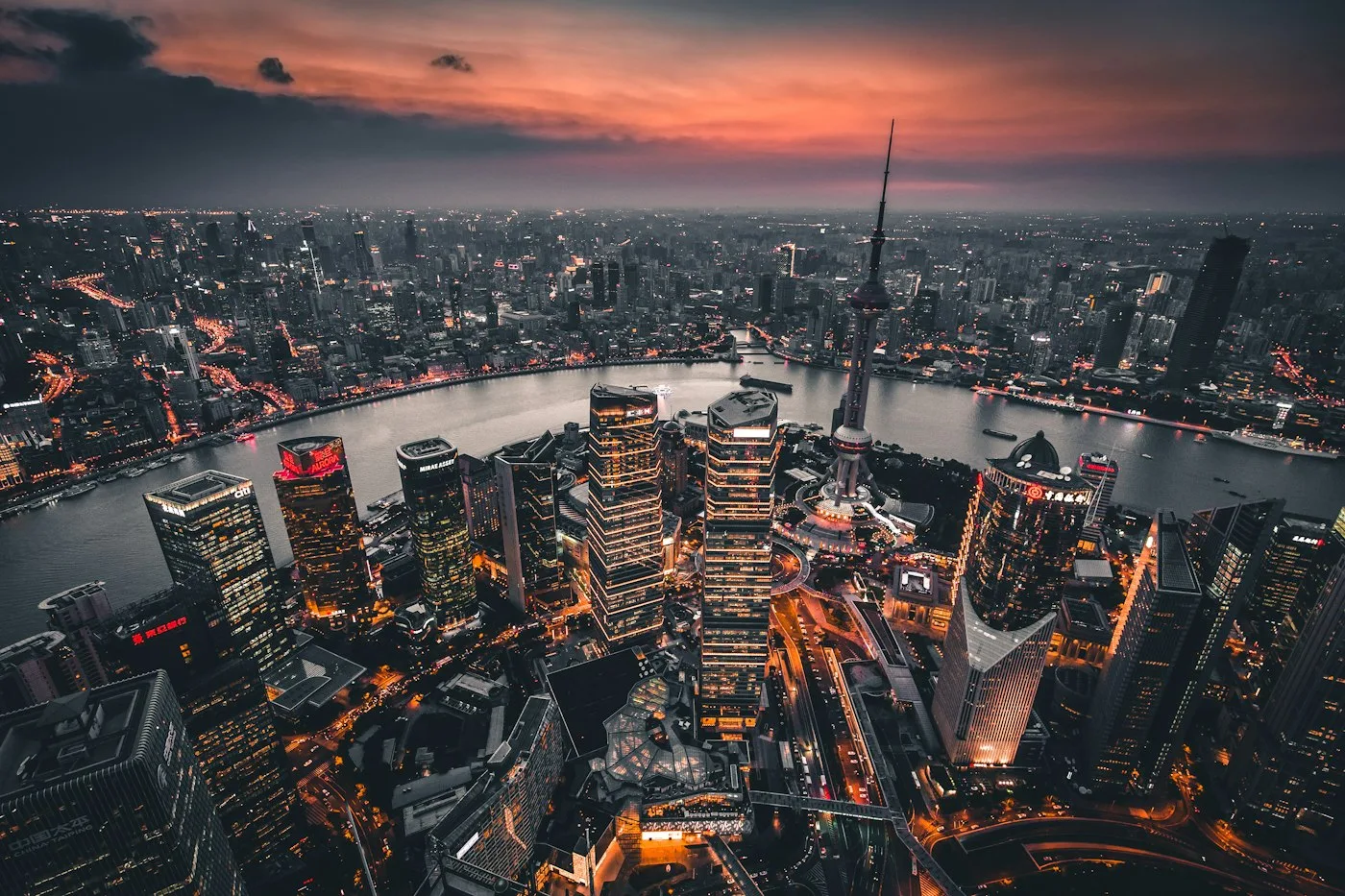
Cover photo: Shanghai's Lujiazui skyline at dusk via Unsplash, used under the Unsplash License. It is a neutral city photograph, not a photograph of Changsha.


