Why Three Days Suits Jianshui
Jianshui sits in a warm basin in southern Yunnan, a few hours from Kunming and roughly halfway to the borderlands. Its old quarter is compact enough to cross on foot in half an hour, but dense enough that a single afternoon only skims it. What makes three days the right shape is the split between town and country: the heritage core asks to be wandered, while the railway villages, temple complexes and red-soil fields ask to be reached. Trying to do both in a day means spending most of it in a vehicle.
The planning logic here is deliberately simple. Day one stays inside the old town, entirely on foot. Day two heads west along the old narrow-gauge line, where the transport itself is the attraction. Day three is left flexible — markets and craft workshops in the morning, countryside in the afternoon, easily rearranged if the weather turns. That structure also gives you a buffer: if a train is full or a morning vanishes into a long breakfast, nothing collapses.
Day One: The Old Town at Walking Speed
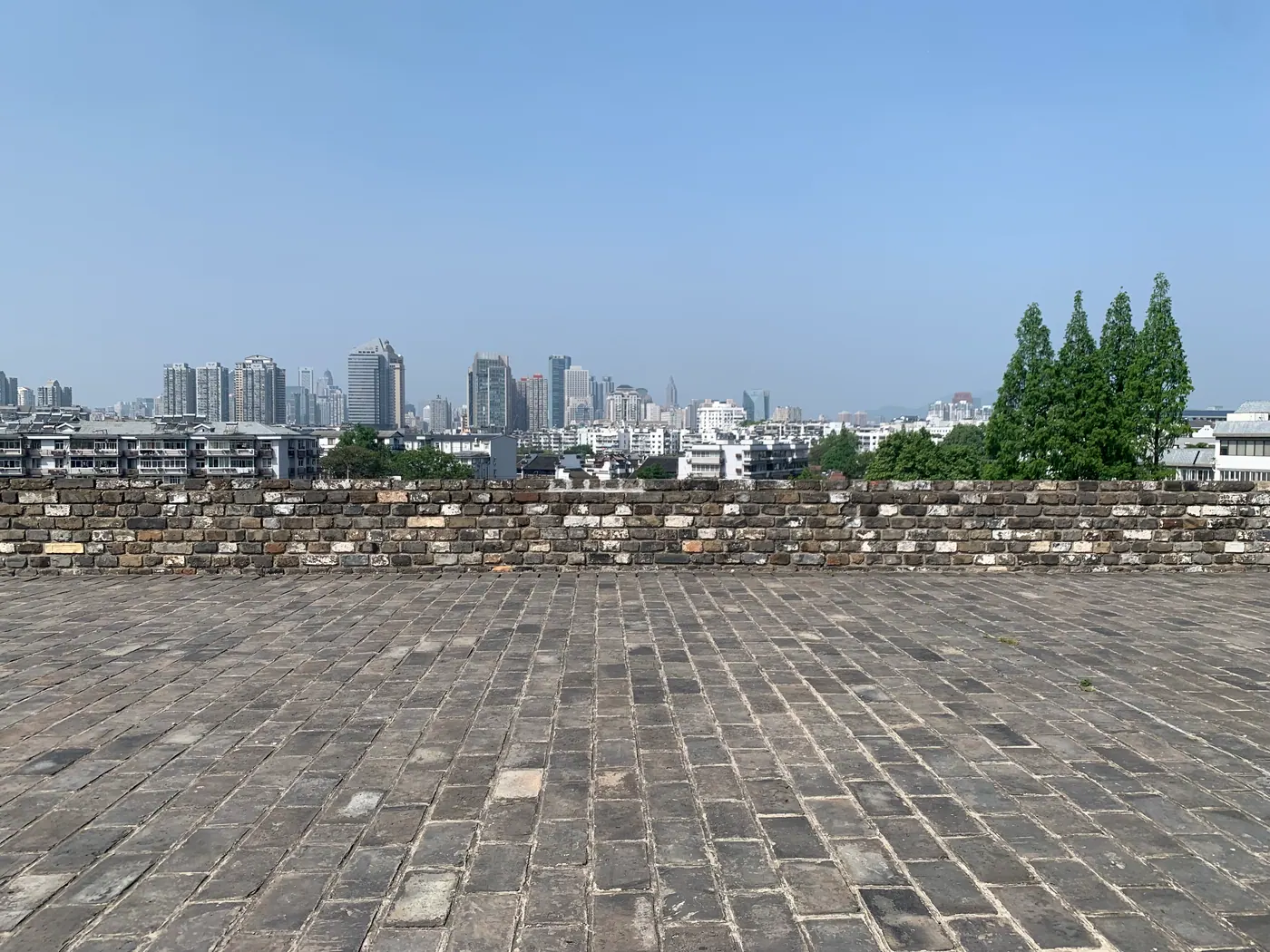
Begin at the old east gate, the tall stone tower that survives as the town's informal compass point. From there, walk rather than navigate: the main lanes are commercial, but a block behind them the streets turn residential, with low tiled roofs, laundry lines and doorways opening straight onto the pavement. Look for the wells. Jianshui's public water sources are still in daily use, and locals draw from them for cooking and for the tofu workshops that give the town much of its culinary reputation. It is worth pausing to watch, but not to interrupt.
Later in the morning, visit the Confucian temple, one of the largest in Yunnan, with a broad ornamental pond, old cypress trees and a quiet that feels earned after the main street. In the afternoon, the Zhu Family Garden shows the other side of Jianshui's prosperity — a Qing-era merchant residence of interlocking courtyards, gardens and a private stage. Note that thresholds, steps and polished stone make some of these sites uneven underfoot; travellers with limited mobility should plan shorter loops, use the main entrances and allow more time between stops.
Day Two: Rails, the Twin Dragon Bridge and Tuanshan
The restored metre-gauge line west of town is the reason many people come, and it earns the fuss. A heritage train runs from the old station near the town edge, stopping at the Twin Dragon Bridge and at villages along the way, moving at the pace the line was built for. The tradeoff is real: departures are limited, seats can sell out in peak weeks, and the schedule dictates how long you get at each stop. Ride it for the atmosphere and the bridges, and accept that you are on its clock rather than your own.
The alternative is a hired car or a ride-hailing app, which costs more per person but buys flexibility — particularly useful if you want the Twin Dragon Bridge in late-afternoon light rather than midday. That long stone bridge, with its run of arches across the river, is best seen slowly and from the bank as well as from the deck. Continue to Tuanshan, a village of walled courtyards and narrow lanes where the Zhang family residence hints at how far merchant wealth travelled from the towns. Settle back in Jianshui for dinner.
Day Three: Tofu, Pottery and Red Earth
Give the morning to food. The market is where Jianshui explains itself: bundles of wild greens, pale caoya shoots destined for noodle soup, fermented beans, rice noodles sold by the bag, and tofu in every stage between soft and grilled. Around the old lanes, small workshops press and cut tofu using local well water, and by evening the charcoal grills are doing steady business. Purple pottery is the town's other craft — Jianshui's purple clay has been worked here for centuries, and several studios let you watch throwing, carving and firing. Buy from workshops rather than souvenir stalls if you want something you will actually use.
Spend the afternoon outside the walls. The farmland around Jianshui turns a deep rust red after rain, and the contrast with green crops and grey villages is the landscape southern Yunnan does best. Half-day options include karst country east of town and, if caves appeal, a swallow cave known for its boat trips and resident birds; otherwise a simple loop through farming villages is arguably the better use of three hours. Keep this day loose so it can absorb a wet forecast or a long lunch.
Getting There, Getting Around and Reading the Weather
Kunming is the gateway. Trains and long-distance buses cover the distance in a few hours, but timetables change with the season, so confirm current services before you book accommodation around them. Arrival points sit outside the old quarter, which means a short taxi ride at either end; once you are inside the walls, everything on day one is walkable and flat. Ride-hailing works in town, drivers rarely speak English, and having your guesthouse name and address written in Chinese will save you more time than any translation app.
Spring and autumn are the reliable windows — dry, warm days, cool evenings, and good light for photography. Summer brings the monsoon, with heavy showers that arrive fast and leave fast, so build in indoor anchors: temples, pottery studios, tea houses, the market. Winter is mild by day but genuinely cold in unheated courtyards and on early trains. Accessibility varies site by site; the old town's stone paving is the main obstacle, so bring supportive shoes and treat each courtyard as a short, deliberate visit rather than a long one.
Eating Well and Visiting with Care
Jianshui's table is generous and inexpensive to assemble: grilled tofu dipped in chilli and Sichuan pepper, rice noodles in broth with caoya shoots, steam-pot chicken cooked in the town's own purple clay vessels, and market vegetables that taste of the red soil they grew in. Ordering is easier than it looks — point at what neighbours are eating, ask for 'bù là' if you want it mild, and expect meat to appear in dishes you assumed were vegetarian.
Finally, remember that the courtyards people photograph are often people's homes. Ask before stepping past a threshold or photographing residents, keep voices low in temples, and dress with a little care at active religious sites. Jianshui's appeal is that it has not been emptied out for visitors; a bit of restraint is what keeps it that way.
Further China Planning
For a wider route, compare this itinerary with China by high-speed train and China travel by month. Keep the order flexible when weather, reservations or transport conditions change.
Before departure, review the China entry guide and China travel safety guide. Confirm current opening hours, ticket rules and local transport through official channels.


