Why Haikou Feels Different From Sanya
Sanya owns the postcard of Hainan, and it has earned it. Haikou, at the island's northern tip, is where the province actually lives and works. It is a strait-side port city of palm-lined boulevards, arcaded shophouses, hardware shops, hair salons, and coffee served hotter and darker than you might expect. The light is hazy, the air is salty, and the pace is pleasantly unhurried. Arrive expecting a resort strip and you will be confused for about a day — then, most likely, won over.
The practical translation is this: Haikou rewards wandering rather than scheduling. There are beaches, but they are not the argument. The argument is the street — turn a corner and find a temple squeezed between a phone repair shop and a bakery, or an entire block still living underneath its colonnade. English is not widely spoken here, so a translation app and screenshots of addresses in Chinese are worth preparing before you land. Come for texture, not polish.
Arriving and Getting Around
Most international visitors arrive at Meilan International Airport, southeast of the city center. A city rail link connects the airport with central stations, and ride-hailing is straightforward if you have the right app installed and working. Travelers coming overland from the mainland cross the Qiongzhou Strait by ferry; several ports and operators serve the route, and terminals, sailings and booking rules are exactly the kind of details that change. Check operator websites directly before departure, and keep your passport accessible for any travel document requirements.
Inside the city, ride-hailing and metered taxis will cover almost everything a three-day trip needs; renting a car is rarely worth it for a city-focused stay. Buses are cheap and useful, but signage is in Chinese, so use them only where you are confident of the stop. Set up a mobile payment app with an international card before you fly, since many small businesses are effectively cashless — yet do not assume it will work everywhere, and carry some cash as a backstop.
Day One: Qilou Arcades and Island Coffee
Start the morning on and around Zhongshan Road, where Haikou's qilou — the covered arcade shophouses that give the old district its character — line the streets in faded ochre, mint and cream. Built from the nineteenth century onward, they fold together Chinese courtyard logic, Southeast Asian verandas and European detailing. Some blocks are restored, others are simply lived in: washing on the balcony, joss sticks in the doorway, a barber's chair facing the street. Go early for soft light, or after dusk when the lanterns come on.
Hainan's coffee culture is its own reward. Island beans are roasted dark and brewed strong, historically tied to farming towns inland, and increasingly poured in small cafés where the coffee is the point rather than the décor. Pair a cup with Wenchang chicken, a bowl of Hainan rice noodles, coconut rice, or the local shaved dessert known as qingbuliang. In the evening, follow the seafood markets and point at whatever looks good. This is living heritage, not a film set: ask before photographing faces, step out of doorways, and skip flash in temples.
Day Two: Museums, Wet Markets and the Waterfront
Give the middle day to context. The Hainan Museum is the single best overview of the island's story — its maritime trade, its volcanic geology, and the indigenous Li and Miao peoples, whose weaving and embroidery traditions remain alive rather than archival. Museum entry arrangements have tightened across China in recent years, and many institutions now expect advance booking. Check current opening days, reservation channels and whether a passport is needed to register, then bring the passport itself just in case.
Let the rest of the day be unplanned. Haikou's wet markets are where the city is most itself: gleaming fish, unfamiliar greens, pyramids of tropical fruit, and vendors who will often let you try before you buy. Buy a coconut and drink it standing up. In the late afternoon, drift toward the waterfront parks along Haikou Bay, where families, joggers and kite flyers turn out as the heat breaks. If a sudden downpour arrives — and it will — duck into a tea house and treat it as the schedule change it is.
Day Three: Volcano Country, Weather Permitting
Southwest of the city, the Shishan hills hold one of China's more surprising landscapes: a cluster of extinct volcanoes, lava fields, and villages built from porous basalt stone. The volcanic geopark is the anchor, with walking trails and viewpoints, but the surrounding countryside is often the better memory — stone houses, lychee orchards, and small stands selling locally grown tea. Access is easiest by ride-hailing or a hired car for the half-day. Confirm park status, entrances and return transport options before you commit, since these shift seasonally.
Heat and rain decide the shape of this day, so keep it flexible. The tropical sun is fierce around midday, and the island's wetter months can deliver heavy but short-lived downpours — occasionally something more serious during typhoon season, which broadly runs from summer into autumn. Follow official weather advisories rather than optimism. If the volcano plan falls apart, swap in a longer museum morning, a coffee crawl through the back streets, or an afternoon of markets. One spare half-day beats a tightly booked itinerary here.
Slowing Down: How to Read the City Well
The best version of Haikou is not efficient. It is a second coffee at the same table, a detour into a lane because the tilework looked interesting, a bowl of noodles eaten standing up beside a scooter. Neighborhoods here are layered rather than curated: ancestral halls sit next to mobile phone counters, and a temple courtyard doubles as a parking space. Walk slowly, look up at the arcade cornices, and let a street earn thirty minutes rather than five.
That also means respecting the ordinary life you are walking through. Ask before photographing people, shops or shrines; never photograph children without a parent's agreement; and move aside when a delivery scooter needs the arcade. If you are invited to sit, accept. If a shopkeeper waves you away, smile and keep walking. The etiquette is simple and universal — behave like a guest in someone's neighborhood, because that is exactly what you are.
Planning links and cover photo source
For related planning, read Hainan seven-day itinerary, China food travel guide, China travel by month and region. Check each operator's current visitor notice before paying, because access, reservations, transport and weather procedures can change.
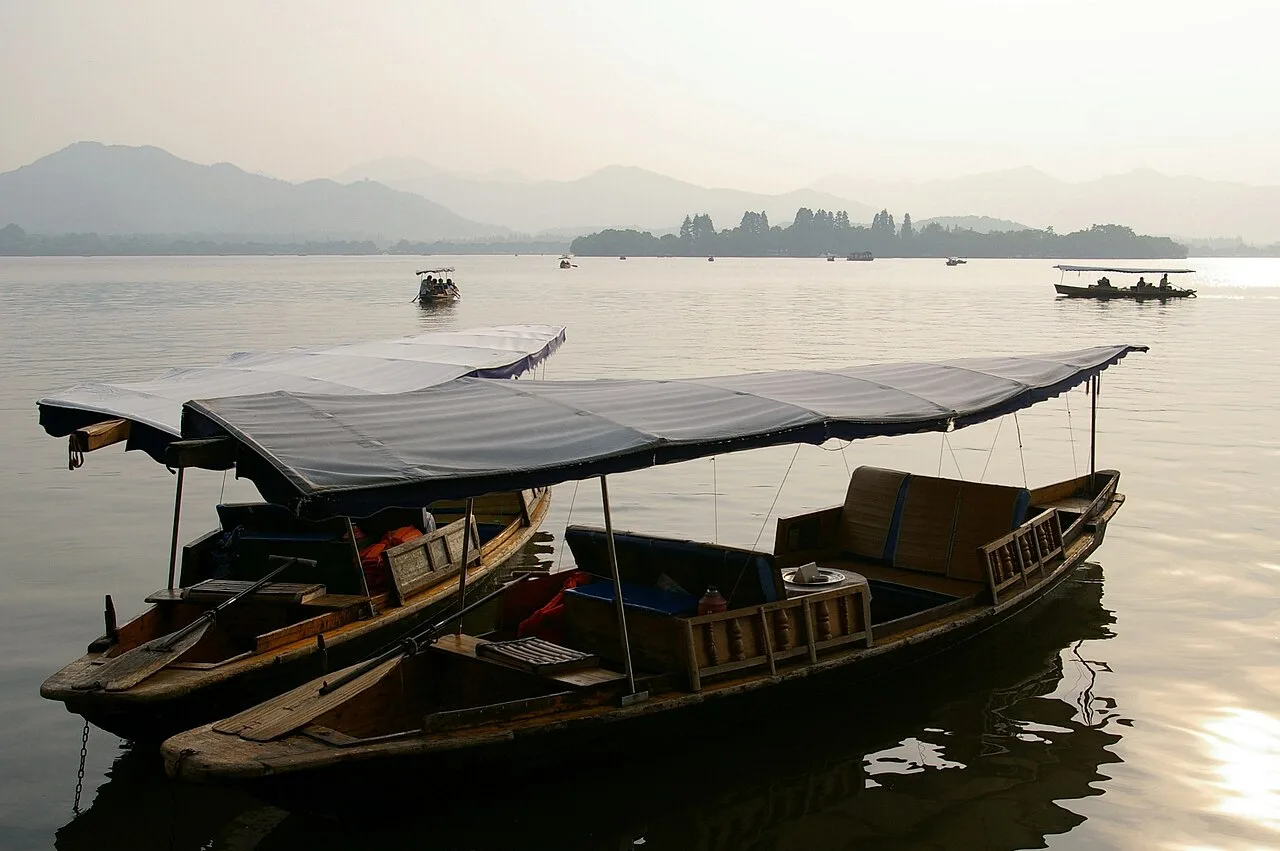
Cover photograph: Tropical coast via Unsplash, used under the Unsplash License. This is a general coastal photograph, not a photograph of Haikou.