Why Chaozhou and Shantou Belong on One Route
Teochew cooking — the region's own name for it is Chaoshan cuisine — is often described as the most restrained of China's great regional kitchens. It leans on freshness, gentle braising, clear broths, steamed seafood and a small arsenal of fermented and pickled flavours rather than on heat or heavy sauce. Eating here is less about chasing a single signature dish and more about assembling a table: something braised, something steamed, a plate of greens, a bowl of noodles, a pot of tea. Give the two cities four days and you can eat that way repeatedly, at different scales and price points.
The pairing also works geographically. Chaozhou rewards early mornings and slow afternoons in its old lanes; Shantou rewards appetite and wandering through markets and quarter-kilometre after quarter-kilometre of arcaded streets. Splitting the stay roughly in Chaozhou's favour for atmosphere and Shantou's favour for food and urban energy keeps the trip from blurring together. Treat this as a walking and eating route rather than a checklist, and leave slack for the rain, the tea and the second lunch.
Days 1 and 2: Chaozhou's Lanes, Bridge and Temple Context
Start in the old town, inside or near the restored city walls, and let the first half-day be orientation rather than ambition. The central lanes are dense with ancestral halls, guild houses, small temples and shophouses, and several of the most photographed stretches have been heavily restored or rebuilt for visitors. That is not a reason to skip them — the craft is genuinely fine — but read them as a living commercial quarter with a long memory, not as untouched antiquity. Step one street off the main axis and the textures change: barbers, hardware stalls, altars with fresh fruit, doorways open onto courtyards.
Set aside a full morning for the temple and bridge sites that give the town its context. A major Buddhist temple near the old town and the long river bridge are the anchors; the bridge is a composite of stone piers and a floating pontoon section, and its current form reflects repeated reconstruction, so check locally whether the pontoon crossing is open to walkers on your dates. This is also the place to try Chaozhou's tea habit properly — a small gongfu-style setup, a tightly rolled oolong, many short infusions — either in a teahouse or, memorably, at a shop counter where the owner is already brewing for whoever sits down.
Days 2 and 3: Shantou's Port Streets and Market Food
Move to Shantou late on day two or early on day three, giving yourself at least one full day plus an evening in the city. The old port district around the small park is the essential walk: concentric ring roads of 1920s-style arcaded buildings, some carefully renovated, some quietly crumbling, all of it genuinely inhabited by tailors, tea traders, printers and snack shops. Walk the ring, then cross into the narrower lanes of the old town behind it, where the architecture thins out into family businesses and workshops. Again, separate the polished from the authentic rather than expecting every facade to be original.
Food is the argument for Shantou. Prioritise a market morning — the kind of wet market that doubles as a breakfast canteen — and eat what is being made in front of you: rice-noodle rolls, oyster omelette, steamed kueh, braised offal and soy-braised meats, fish balls and beef balls with a springiness that is the whole point. In the evening, look for beef hotpot or a seafood restaurant with tanks, or graze across several small shops instead of committing to one. As a rule, the busier the table turnover, the better your odds of freshness.
Day 4: Coast, Tea and a Gentler Finish
Shantou is a coastal city, and the last day is a good place to spend that fact. The seafront promenade gives you wind, fishing boats and a clear sense of orientation without much effort, and if you have a full spare day a bus or taxi out to one of the nearby islands — Nan'ao is the best known — makes a satisfying change of scale, with beaches, fishing villages and seafood lunches. Check current bus routes, bridge conditions and any visitor requirements before you commit, since island logistics shift with the season.
If you would rather not travel far, build a gentle final day in the city: a late breakfast of noodles or congee, a second tea session, a proper look at a local museum or two covering the region's overseas trade and Teochew migration history, and a last market pass to buy pickles, tea, dried seafood or a bamboo steamer to take home. Confirm museum opening days and any reservation requirements in advance — several public museums in China close one day a week and expect advance booking. Finish early enough to pack without hurry and to eat one more unhurried meal.
Practicalities: Connections, Local Transport, Ordering and Respect
The two cities are connected by frequent high-speed trains and by long-distance buses, with the train station in Chaozhou lying some distance outside the old town — factor in a taxi at either end. Check current timetables, station names and ticket availability on official railway channels before departure; services and station arrangements change, and popular weekend slots sell out. Within both cities, metered taxis and ride-hailing apps are the simplest way to cover medium distances, while local buses are cheap and useful for the coast and the newer districts. Keep your accommodation address in Chinese characters for drivers, and pay attention to whether a quoted fare is metered or agreed in advance.
Ordering is easier than it looks. Ask for the house specialities, point at what other tables are eating, or use a translation app on the menu; ordering one braised dish, one steamed or boiled dish, one vegetable, one carbohydrate and a soup or broth per two people gives a balanced Teochew-style table without over-ordering. Say 'no coriander' or 'not spicy' explicitly if you need to. Around active temples, dress modestly, avoid photographing worshippers or altars mid-prayer, and stay quiet; in family shops and restaurants, ask before photographing people or interiors, and treat the household's space as a home first. Payment is usually by phone, so carry a small amount of cash as backup and confirm whether foreign cards work anywhere you plan to rely on.
Planning links and cover photo source
For related planning, read Guangzhou food and culture itinerary, China food travel guide, China cultural etiquette guide. Check each operator's current visitor notice before paying, because access, reservations, transport and weather procedures can change.
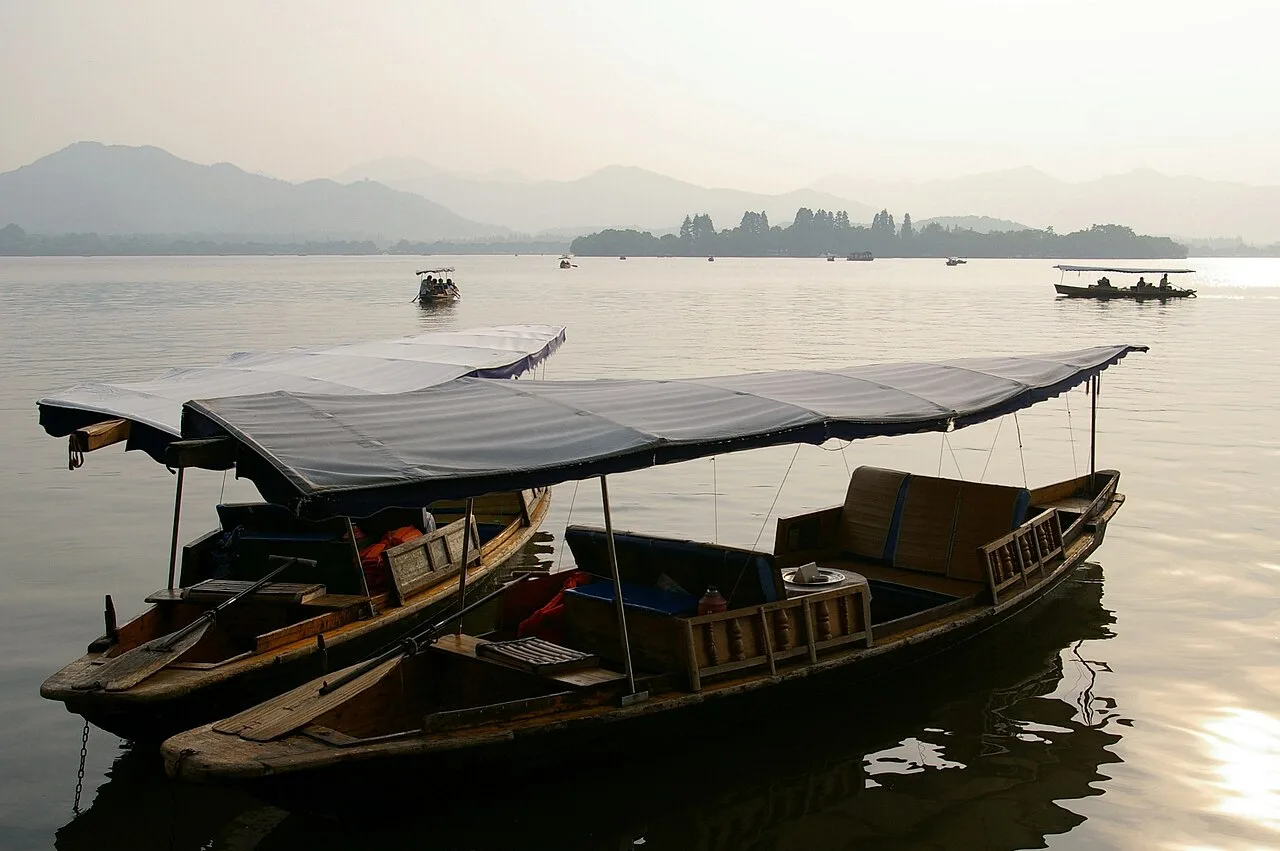
Cover photo: Coast at sunset via Unsplash, used under the Unsplash License. This is a general coastal photograph used as an illustration, not a photograph of Chaozhou or Shantou.