First, the Name and the Scale
Changdu is the Chinese rendering; Chamdo and Qamdo are the Tibetan and common English spellings. All three point to the same place: a town where the Lancang River cuts a valley through eastern Tibet, and a prefecture that extends for hundreds of kilometres in every direction. Travelers who arrive expecting a compact mountain destination are usually surprised by how much ground sits between one lake and the next.
Five days is a sensible, honest limit. It is enough for one well-chosen loop — a river town, a monastery or two, a couple of highland lakes and several passes — with time to actually stop the car. It is not enough for the whole prefecture, and itineraries that try to cover it tend to dissolve into a blur of windscreens. Choose one corridor, go deep into it, and leave the rest for a return trip.
Arriving Well: Altitude Comes First
There are two ways in, and they are not equivalent. Flying into Qamdo Bamda Airport drops you above 4,300 metres within a couple of hours of sea level, which is fast but physically jarring. Coming overland — on the G214 from the Yunnan side via Deqen and the Yanjing salt terraces, or from Nyingchi on the G318 — costs a day or two but lets your body climb gradually, which most travelers tolerate far better.
Changdu town itself sits around 3,200 metres, noticeably lower than the airport and the surrounding passes. Treat the first day as an acclimatisation day rather than a sightseeing day: short walks, early night, plenty of water, no alcohol, and no rushing up stairs or monastery hillsides. Mild headaches and poor sleep are common and usually settle; breathlessness at rest, confusion or vomiting are not, and the correct response is to descend rather than push on. Anyone with heart or lung conditions should speak to a travel doctor before booking.
The Road Days: What Long Drives Actually Feel Like
Distances on a map are deceptive here. A 200-kilometre leg can comfortably take five hours or more once you account for switchbacks, roadworks, livestock on the asphalt, checkpoint stops and the simple fact that high passes are slow. The planning logic is one substantial leg per day, departing early and arriving well before dark. Two long legs back-to-back is how itineraries fall apart.
Foreign travelers generally cannot self-drive, and public long-distance buses are impractical for this kind of route; the realistic option is a private vehicle with a driver arranged through a licensed Tibetan travel agency, which also handles the Tibet Travel Permit and the Alien's Travel Permit required for travel beyond Lhasa. Some counties in the prefecture need additional clearance, so confirm your exact route in writing before you commit. Fuel up whenever a station appears, carry cash, and expect mobile signal to vanish for hours at a time. This is also not a low-mobility destination — expect rough ground, steps at monasteries and long stretches in the car.
Highland Lakes and the Quality of the Light
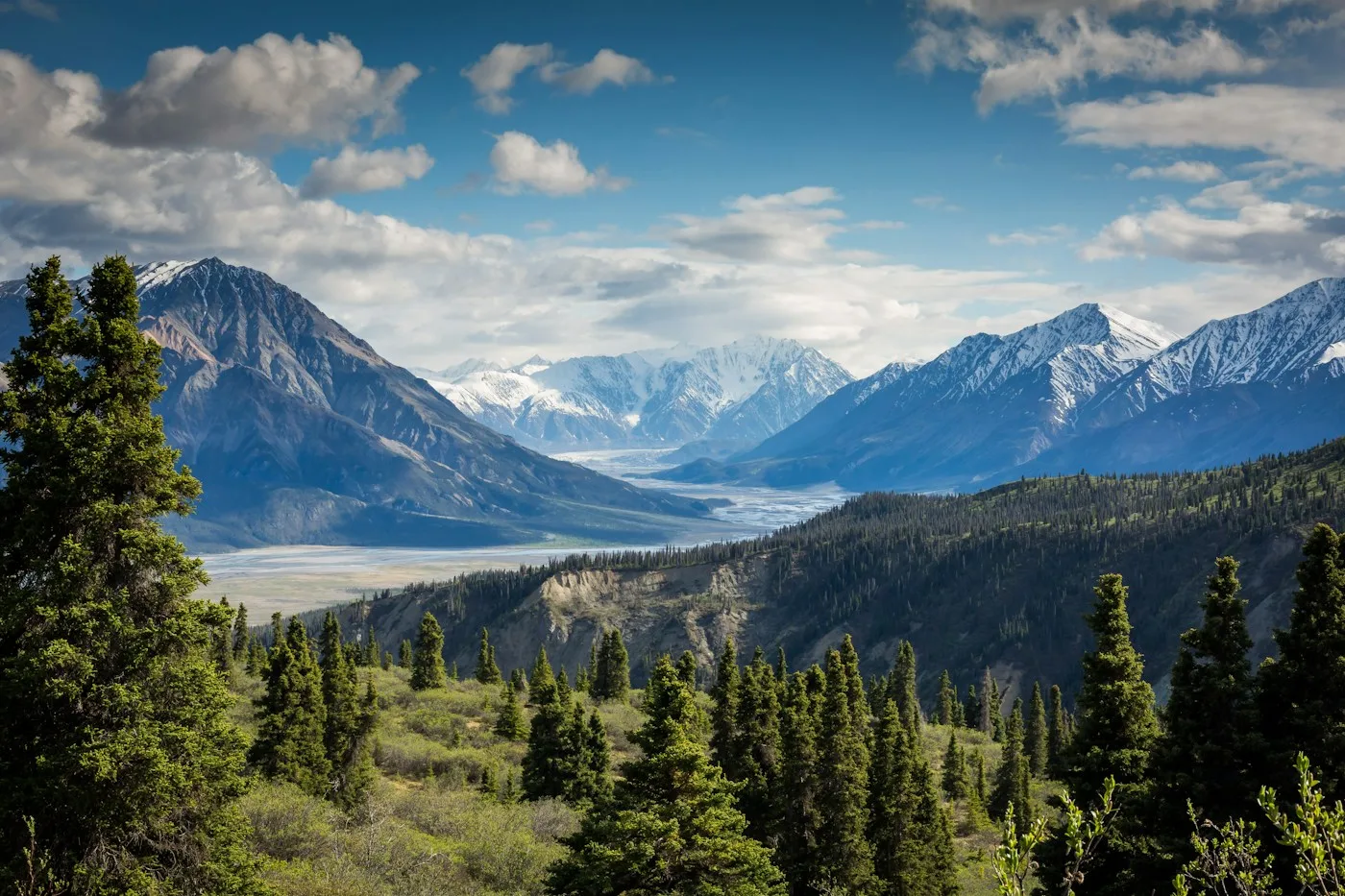
The lakes are the reason many people come. Rawu Lake, on the Basu side of the prefecture at roughly 3,800 metres, runs long and narrow beneath snow-dusted ridges and changes character with every hour of the day. Further west, the Three-Coloured Lake near Banbar is smaller and stranger, its pools tinted by minerals. Both are best in the first and last light, when the wind drops and the water turns still enough to hold the sky.
Build your days around that rhythm rather than fighting it. Morning is for walking the shoreline and photographing; by midday the wind picks up and cloud builds over the ridges, which is the natural window for driving. Sun protection matters more than you expect at this altitude — the UV is fierce even under thin cloud — and layers are essential, because a pass at 4,500 metres and a sheltered valley can differ by fifteen degrees. Keep to established tracks along shorelines and grazing land, and close gates behind you.
Monasteries, Towns and the Etiquette of Being a Guest
In Changdu town, the Jampaling monastery complex and its surrounding kora circuit make an easy, absorbing half-day while you acclimatise; pilgrims walk clockwise, spinning the rows of prayer wheels, and you should fall in the same direction. Further out, the cliff-hung monastery at Dêngqên is one of the region's most striking sights, and mornings are the best time to visit — monks are about, chapels are open and the light hits the rock face.
Behave as a guest rather than a collector. Ask before photographing people, and always before photographing inside a chapel, where images are sometimes prohibited; a smile and a gestured camera is usually enough. Dress modestly, remove hats indoors, and don't touch statues, thangkas or the seats reserved for monks. Avoid giving money or pens to children — it turns every village into a transaction — and instead buy tea, fruit or supplies from local shops. Learning two or three Tibetan greetings goes a long way.
Weather, Contingencies and a Workable Five-Day Shape
One workable framework, to be adapted rather than followed literally: day one in Changdu town for acclimatisation and the monastery kora; day two west on the G214 toward Riwoqê and Dêngqên; day three the cliff monastery and a descent to a lower valley or onward toward Banbar; day four a lake day, ideally reaching Rawu by late afternoon; day five the return leg or the flight out. It is one corridor among several, and a local agency will know which roads are open in the week you travel.
Late-spring snow can close passes without warning, the summer monsoon brings landslides and washouts, and winter ice makes some high sections genuinely inadvisable. Keep at least one spare day in the plan, and treat a closed pass as a signal to reroute down-valley rather than to wait it out or push through. Travel insurance with high-altitude cover and evacuation included is not optional here. The final piece of planning advice is the hardest: drive less than you want to, stop more than you planned, and let the road days be the trip rather than the interval between highlights.
Further China Planning
For a wider route, compare this itinerary with China by high-speed train and China travel by month. Keep the order flexible when weather, reservations or transport conditions change.
Before departure, review the China entry guide and China travel safety guide. Confirm current opening hours, ticket rules and local transport through official channels.