The short answer: choose for the whole day, not just the photograph
For many first-time visitors, Mutianyu is the best all-round choice: the mountain setting is impressive, visitor facilities are established, and there are several ways to shape the visit. Badaling is often simpler for travelers who want a major restored section with a railway option and a highly developed visitor area. Choose Jinshanling when the walk itself matters and you can accept a longer road transfer. Choose Simatai when you want to stay overnight near Gubei Water Town and have confirmed the current access and night-visit arrangements.
These are different sections, not entrances to one continuous sightseeing park. Each has its own operator, ticket rules, transport, terrain and opening notices. Do not try to visit two sections in one day: the driving distances, queues and walking time make that a poor trade. Our Beijing first-time itinerary treats the Wall as a full-day excursion; this guide helps you decide which excursion fits your trip.
Compare the four sections
Badaling: the practical choice when straightforward access matters most. It is one of the best-known and most heavily restored sections, with substantial visitor infrastructure and a railway connection from Beijing on selected services. That convenience also makes it a popular choice, particularly on weekends and public holidays. Check the exact departure station, the train back, entrance arrangements and crowd notices before you commit.
Mutianyu: a strong first visit when you want a scenic mountain setting and organized facilities. The section is restored, and the approach from central Beijing is usually planned by road, shuttle or an arranged tour rather than assumed to be a simple train trip. Cable-car and other on-site options may reduce part of the climb, but they do not make the Wall level or step-free. Confirm which route your ticket includes and how you will return to your vehicle.
Jinshanling: a better fit for visitors who want a longer walk and a more expansive ridgeline experience. It lies farther from central Beijing than the most common day-trip choices, so transport and the last return connection are central parts of the plan. Paths include uneven surfaces, stairs and exposed sections. Choose a marked route that matches your ability; do not treat a map line toward another section as a safe or permitted continuation.
Simatai: consider it as part of a stay at Gubei Water Town rather than a rushed add-on to a Beijing day. Access to the Wall is managed separately from simply entering the town, and night visits, visitor capacity and ticket combinations can vary by date. The terrain can be demanding, so check which towers and routes are open and whether a cable car or other service changes the walking involved. An overnight gives you a more dependable buffer if the visit is a priority.
How to choose based on your travel style
If this is your first China trip and you prefer predictable logistics, compare Badaling and Mutianyu first. Badaling may suit you if you are comfortable using the railway and want a well-known, highly visited section. Mutianyu may suit you if you would rather arrange a direct road transfer and value a more wooded mountain backdrop. Neither is universally quieter or easier; the day of week, holiday calendar, weather and arrival time change the experience.
If you are traveling with children or older relatives, ask a more useful question than 'Which section is easiest?' Set a realistic limit for stairs, standing, heat, cold and time away from a toilet or seat. A cable car can shorten an approach, but the wall itself still has steep steps, uneven stone and gaps between rest points. For broader planning around pace and mobility, see our low-walking China itinerary for seniors and accessible China travel guide.
If photography or walking is the main goal, a longer transfer to Jinshanling can be worthwhile, but only if you are prepared to start early, walk on rough terrain and return by the transport you arranged. If a night atmosphere and a village stay sound more appealing, investigate Simatai and Gubei Water Town together. In both cases, book the transport and accommodation as a single logistics problem rather than choosing the Wall first and hoping a ride appears later.
Plan the route from Beijing before buying a ticket
For Badaling, check China Railway 12306 for the exact service, departure station and return option for your date. Beijing has multiple railway stations, and a ticket to Badaling Great Wall is not interchangeable with a ticket to a similarly named city destination. Leave enough time to get across Beijing, pass station security and reach the correct entrance. Save the Chinese station and scenic-area names offline, and do not rely on an assumed last train when planning your return.
For Mutianyu, compare a reputable small-group trip, a reserved private car and any current official shuttle or bus options. Confirm where the vehicle picks you up, whether the fare includes the scenic-area shuttle, how long the driver will wait, where you meet after the visit and what happens if the site closes or traffic delays the return. Ask for the Chinese name and location of the pickup point. A low headline price is not useful if it leaves the return leg unclear.
For Jinshanling or Simatai, build the longer road journey into the day and confirm your driver or transfer in writing. Agree on the departure time, drop-off gate, pickup point, waiting time, tolls and contingency for a late finish. If an official bus or seasonal service is available, verify its departure point and final return directly with the operator. A map estimate does not account for traffic, security queues, road works or the walk between the gate and the Wall.
Treat the Wall as the day's main activity. Keep dinner flexible, avoid booking a timed museum visit immediately after your planned return, and share your route with someone in your group. The China attraction ticket guide explains how to check current booking and identity requirements; the China high-speed train guide covers station planning and passport-linked tickets.
Walking effort, access and safety: what photos do not show
The Great Wall is not a smooth ramp across a hill. Even a restored visitor section can include abrupt staircases, irregular risers, worn stone, narrow passages and exposed slopes. A cable car or shuttle may reduce the approach from the base, but it does not remove the climbing between towers or guarantee a step-free route. Contact the operator with specific questions about stairs, handrails, rest points, toilets, mobility equipment and the nearest vehicle drop-off. Ask for the route in both English and Chinese if possible.
Wear shoes with grip and bring layers, water and sun protection appropriate to the forecast. Wind and temperature can feel different on an exposed ridge than in central Beijing; rain, frost or snow can make stone slippery. Carry essential medicine, keep your phone charged and download a map or booking confirmation for offline use. Follow marked routes and staff instructions, stay behind barriers, and do not climb on damaged walls or enter closed areas for a photograph.
If anyone in your group has knee, balance, heart or heat-related concerns, agree on a turnaround point before starting. Turn back while everyone still has enough energy to return safely. A shorter visit to one viewpoint is a better day than pushing toward a tower because it looked close on a photo. The Wall is a protected heritage site, and visitors should not remove bricks, carve names or leave litter.
A realistic one-day plan and a better overnight alternative
For Badaling or Mutianyu, leave Beijing early enough to arrive before the busiest part of your chosen date, but use the operator's actual opening and transport information rather than an old timetable. Spend the main part of the day on one defined section, allow time for the walk back to the pickup point, then return directly to your hotel. Keep the evening free for a meal near where you are staying. If weather or visibility is poor, ask about the official change or refund policy instead of improvising a second distant attraction.
For Simatai, an overnight near Gubei Water Town is more comfortable: arrive, check in, confirm the separate Wall access, and visit only the route currently available to your ticket. For Jinshanling, an overnight nearby can also reduce the pressure of a long round trip and make an early start manageable. Compare the accommodation's location, foreign-passport check-in process and transfer arrangement before paying; our hotel booking guide for foreign travelers covers those checks.
A private driver can simplify a remote route, but it does not replace an agreed itinerary. Ask the driver to wait at a named gate, confirm the phone number and vehicle, and keep the return plan accessible even if mobile data fails. If your trip depends on public transport, identify the last viable departure before entering the scenic area and leave a generous buffer.
Booking checklist and official planning sources
Before you pay, confirm the section and entrance name; the official ticket channel and passport requirements; what any shuttle or cable car ticket includes; transport in both directions; pickup and return time; walking distance and stairs; weather and closure notices; cancellation terms; and whether the plan still works if your phone loses data. Recheck the details a few days before travel and again on the morning of the visit.
Start with the Badaling official site, the Mutianyu official site, China Railway 12306, and the Gubei Water Town site. For heritage context, UNESCO's Great Wall listing explains why the Wall is a series of historically distinct defensive works rather than one uniform monument. These sources and their operators should be your final reference for current dates, access and services.
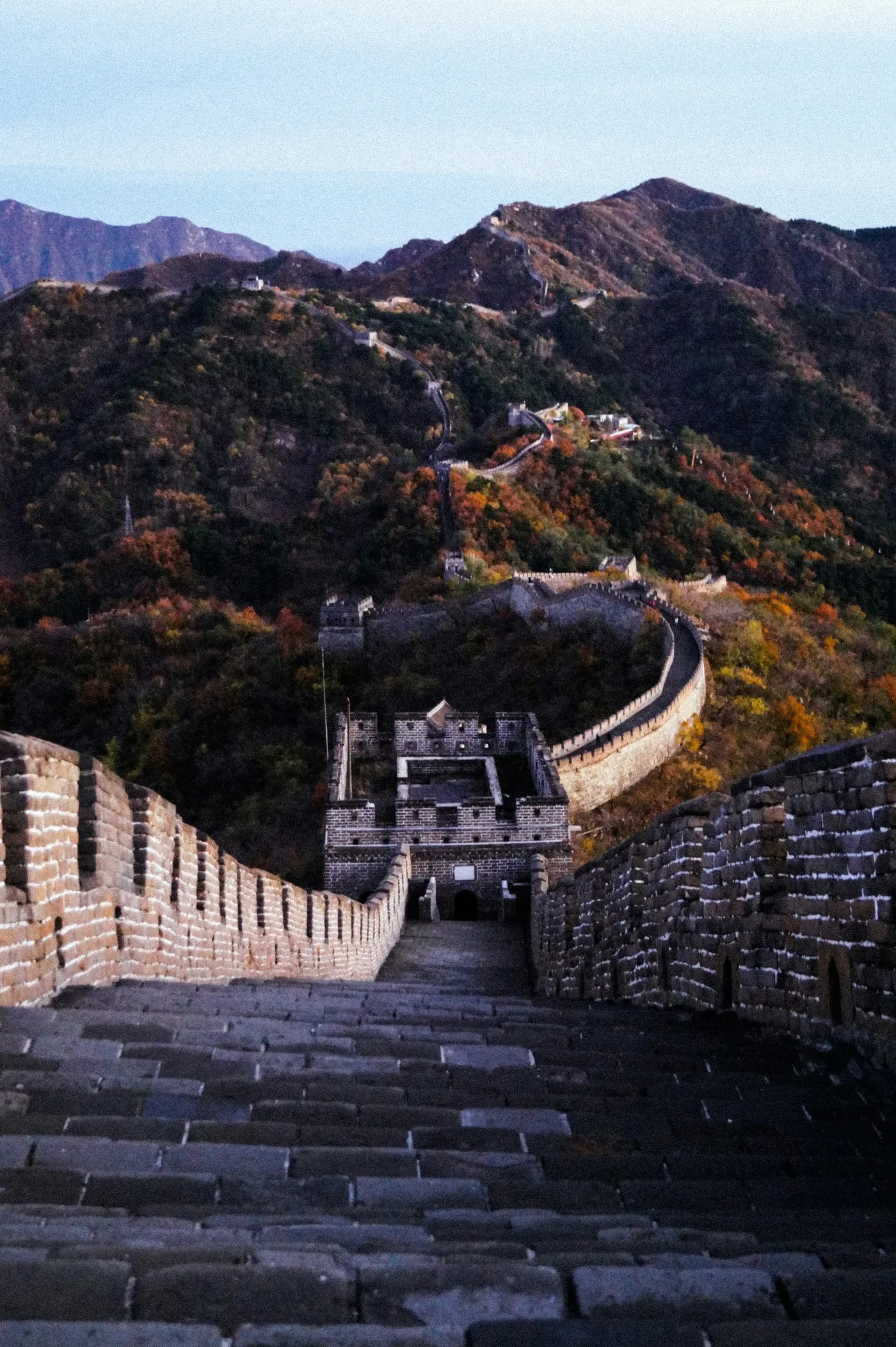
Cover photograph: a view of the Great Wall of China by the photographer identified on Unsplash, used under the Unsplash License. The image is a general Great Wall view and is not labeled as a specific section.


