Why Three Days Fits Jinggangshan
The scenic area is large, spread across several ridges and valleys, and stitched together by a shuttle-bus network rather than by walkable streets. Sites that look close on a map can be a winding half-hour apart. Three days lets you cluster by geography instead of rushing: one day for the town-based historical sites in Ciping, one for the high ridgelines, and one for waterfalls and the villages threaded through the valleys below.
The second reason is weather. Cloud defines Jinggangshan — it is the substance of the region's most famous views, not an interruption to them. Building a flexible plan, with the ridge day movable and a lower-altitude day in reserve, is the single most useful planning decision you can make. Treat the itinerary below as a sequence of priorities rather than a fixed timetable.
Arriving: Airports, Rail and Shuttle Logic
Most international travelers reach Jinggangshan either by air into Jinggangshan Airport, a small regional facility with a limited route network, or by rail from hubs such as Nanchang, Ganzhou or Changsha. In practice, rail is often the more reliable choice: services are frequent and the journey is predictable. Whichever you choose, expect a final road transfer of roughly an hour from the station or airport up into Ciping, the small town that serves as the gateway and transport hub for the mountain area. Shuttle buses and taxis cover this leg; arrange your arrival in daylight if you can, since the last stretch is a mountain road.
Once in Ciping, you will likely leave the car behind. Private vehicles are restricted in core zones at busy times, and parking near major sites is limited. The scenic-area shuttle network connects Ciping with the main attractions, and a combined ticket covers entry and the buses. Keep that ticket with you throughout — it is checked at several points — and note the last return departures from the more distant viewpoints, which come earlier than most visitors expect.
Day One: Ciping and the Historical Frame
Start in town, and start indoors. The Jinggangshan Revolutionary Museum provides the narrative spine for everything you will see afterwards: the establishment of the rural base in the late 1920s, the formation of the Red Army, and the strategic shift toward rural revolution that gave the region its outsized place in modern Chinese history. Seeing it first turns the scattered sites from isolated plaques into a coherent story. Exhibition labels are largely in Chinese, so bring a translation app or a good offline phrase tool.
Spend the afternoon on foot around Ciping, where memorials, former headquarters buildings and the Martyrs' Cemetery sit within a manageable walk or short bus ride of one another. These are places of tribute rather than attractions, so match your behaviour to the setting: speak quietly, dress reasonably, and skip the playful posing at memorial stones. The cemetery in particular rewards a slow, unhurried visit — it is one of the calmest corners of a busy town, with views out over the surrounding ridges.
Day Two: Huangyangjie, Bijiashan and the Cloud Problem
Huangyangjie — often translated as Yellow Ocean Boundary — is the signature ridge, named for the sea of cloud that pools below its viewing points. It is also the site of a celebrated defensive action in 1928 and the subject of one of Mao Zedong's best-known poems, which gives the viewpoint an unusual double life as both landscape and memorial. Go early. Mist either burns off or thickens as the morning advances, and the shuttle queues build steadily from mid-morning onward.
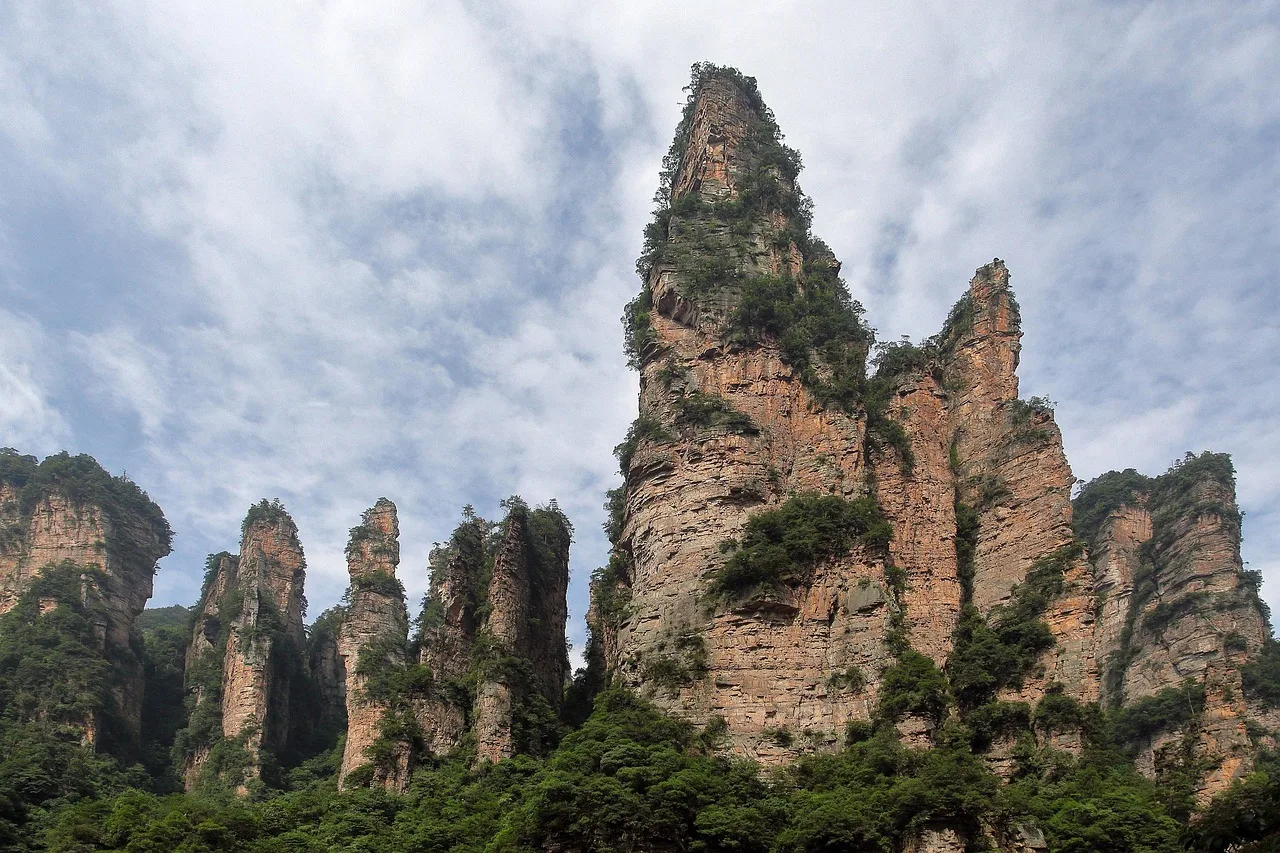
Bijiashan, the Brush Pen Peak area, offers a second high vantage point with a cable car and a network of stone paths, rewarding those willing to climb with close-up views of sheer rock pillars and stacked ridges. The weather contingency matters here: if the ridge is fully socked in, swap your days rather than push on. Cloud is atmospheric; zero visibility on wet stone stairways is not. Bring a rain shell, wear shoes with real grip, and note that summer afternoon thunderstorms make exposed ridgelines a poor place to linger.
Day Three: Waterfalls, Village Roads and Everyday Life
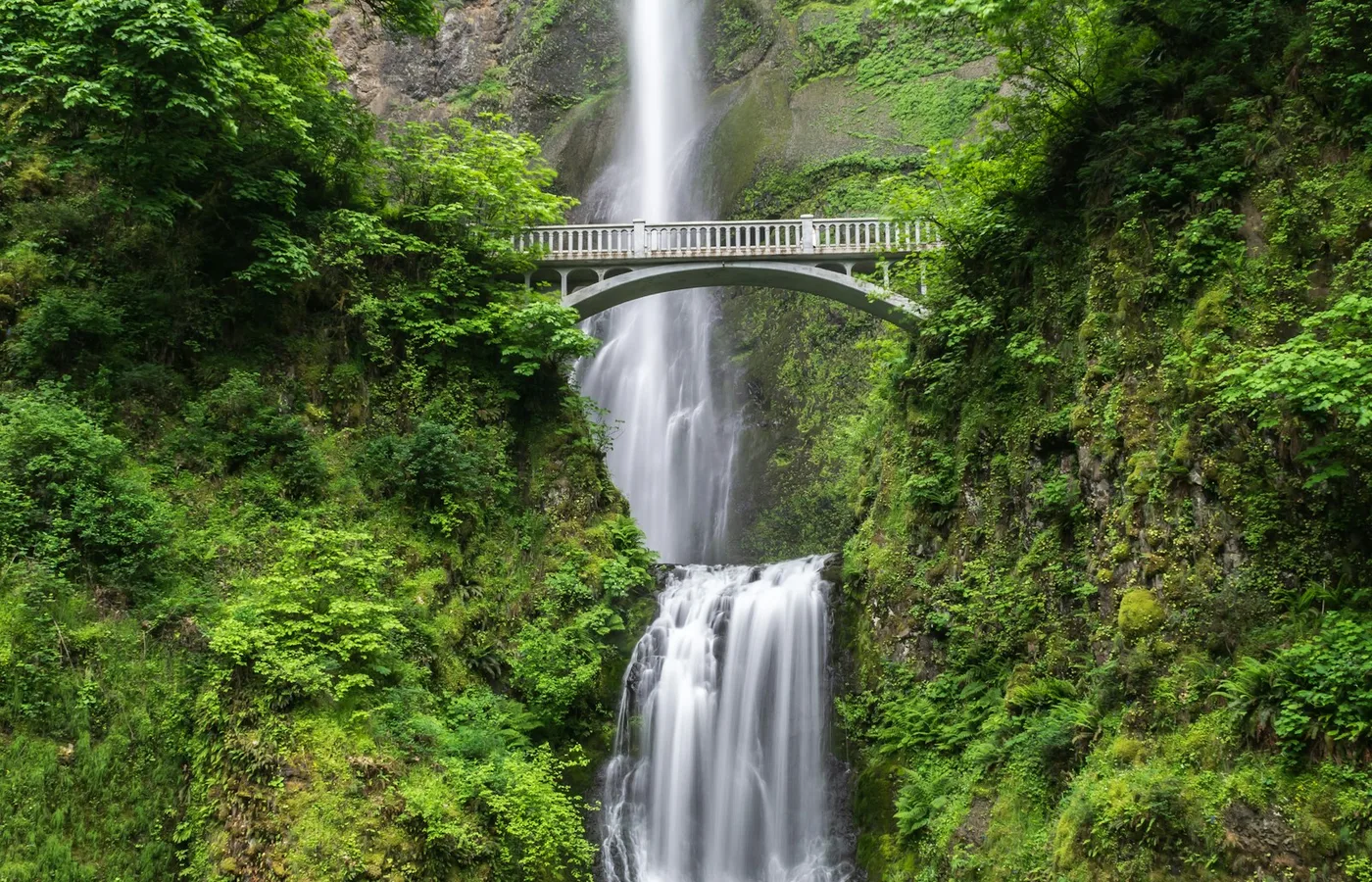
Drop down to the Longtan area for a quieter, greener day. A chain of pools and waterfalls runs through a shaded gorge, reached by a long stepped path and served by a cable car for those who prefer to save their knees. It is cooler and often emptier than the ridges, and the sound of water replaces the tour-group murmur of the main viewpoints. Allow more time than the distance suggests — the steps are steep in both directions.
Finish among the villages, where the region's other history lives. Dajing and the smaller settlements along the valley roads show a borderland culture shaped by Hakka communities, bamboo forestry and tea growing rather than by commemorative plaques alone. Eat what the guesthouses serve: cured pork, bamboo shoots, river fish, rice noodles and whatever greens are in season. Ask before photographing people, buy tea or honey directly where you can, and walk the village lanes slowly — this is a working landscape, not a stage set.
Practicalities: Beds, Food, Access and Respect
Base yourself in Ciping, within walking distance of the museum, the main restaurants and the shuttle hub. Accommodation ranges from simple guesthouses to comfortable hotels, and it is worth booking ahead during Chinese public holidays, the summer school break and early October, when domestic demand spikes. Accessibility is partial: town-level sites, the museum and cable-car viewpoints are manageable for many visitors with limited mobility, but most trails involve long flights of stone stairs with few alternatives. Ask at your hotel about shuttle drop-off points and step-free routes before committing to a site.
Finally, travel here with the understanding that Jinggangshan is a living place and a domestic pilgrimage destination, not a curated exhibit. Expect large groups at the memorial sites, particularly on significant anniversaries, and give them space. Just as importantly, resist reducing the region to a single narrative: the revolutionary story is central and genuinely moving, but it sits alongside tea farms, bamboo harvests and ordinary village life. A few words of Mandarin, a willingness to ask permission, and a habit of carrying out your own rubbish will be noticed and appreciated.
Further China Planning
For a wider route, compare this itinerary with China by high-speed train and China travel by month. Keep the order flexible when weather, reservations or transport conditions change.
Before departure, review the China entry guide and China travel safety guide. Confirm current opening hours, ticket rules and local transport through official channels.