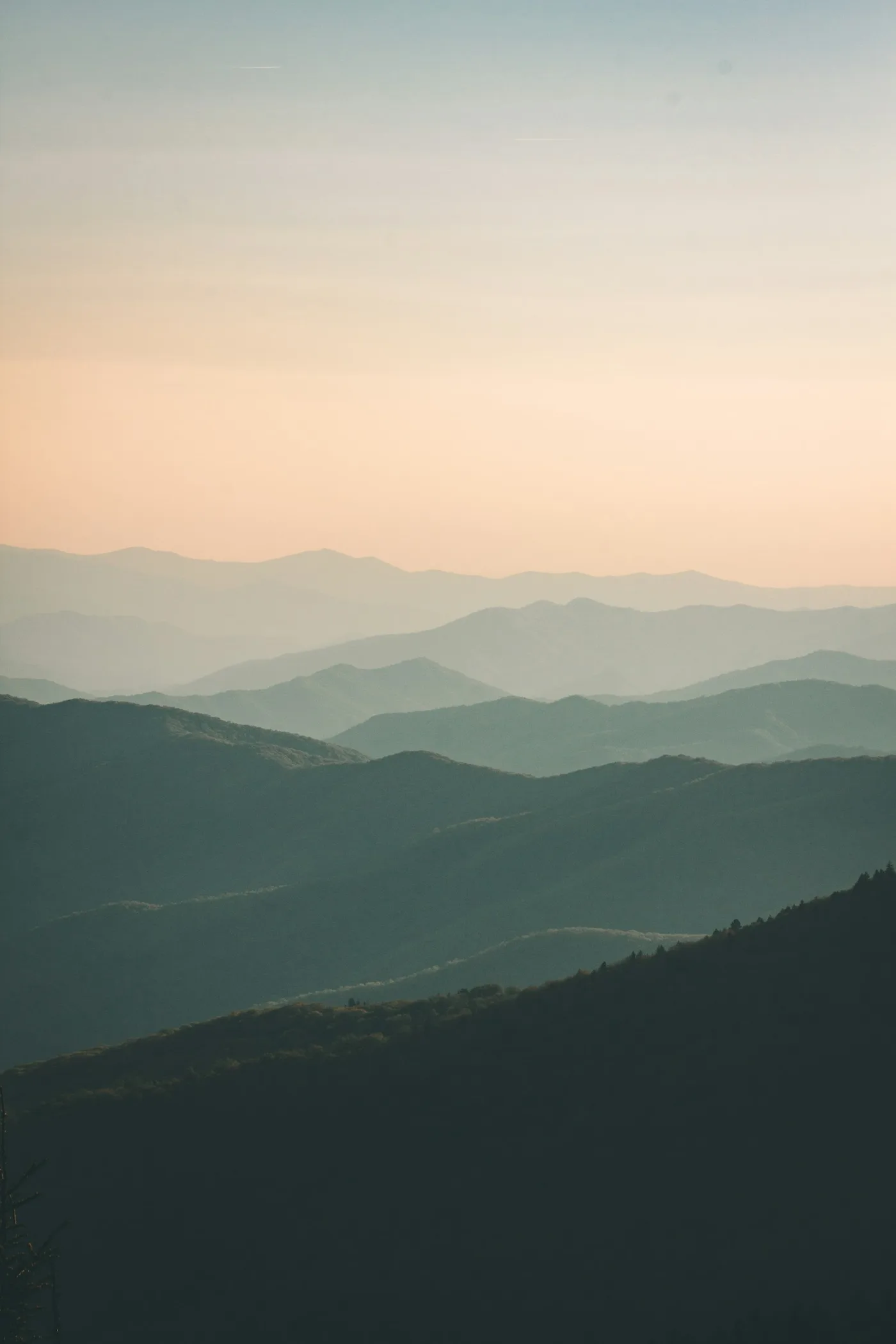
Why Altay Rewards a Slower Six Days
Altay prefecture sits at the northern edge of Xinjiang, pressed against Mongolia, Russia and Kazakhstan, and its landscapes read more Siberian than expected: larch and birch forest, river gravel the colour of slate, and grassland that turns gold almost overnight in September. The famous names — Kanas Lake, Hemu, Baihaba, Wucaitan — are genuinely worth the trip, but the region's real character lives in the connective tissue between them: herder settlements, roadside tea stops and long ridgelines with no traffic in sight.
Six days is the sweet spot because it lets you absorb a two- or three-hour transfer without treating it as dead time. Squeeze the same stops into three or four days and the trip becomes a sequence of vehicle windows; stretch it to ten and you will run out of new ground unless you add trekking or a push toward the Kanas–Kazakhstan border country. The route below assumes you want one full day on the water and in the forest, one day among villages, and one deliberately strange day at the eroded badlands and old mining landscapes further south.
The Route: A Practical Six-Day Loop
A workable shape is this: arrive in Burqin, drive north to the Kanas scenic area via Jiadengyu, spend a night inside or beside the lake area, then move to Hemu for a village night, continue to Baihaba, and return south through Burqin toward Wucaitan and the Keketuohai area before flying or driving out. Total road distance lands somewhere in the region of 900 to 1,100 kilometres depending on how many detours you allow, which is comfortable across six days but punishing if compressed into four.
Build the itinerary around two fixed anchors rather than a strict timetable. The first is the Kanas transfer system: private vehicles are generally not permitted deep inside the scenic areas, so you park, buy entry, and continue by shuttle or on foot, which eats time and means your driver may be waiting rather than touring with you. The second is the long southern transfer toward Keketuohai, easily the better part of a full driving day. Everything else — an extra hour at Wucaitan, a slower morning in Hemu — can flex around those two fixed points.
Getting There and the Driver Question
Most international travellers reach the region by flying to Urumqi and then connecting to Altay, Burqin or Fuyun, whose small airports are closer to the landscapes but have limited and partly seasonal schedules. Long-distance trains to Altay city are a slower, more grounded alternative and pair well with an overnight reset before the driving begins. Whichever way you arrive, treat the first evening as a buffer: weather and air schedules in this corner of China are not generous with tight connections.
Self-driving is not realistically on the table for most foreign visitors, since a valid Chinese driving permit is required and rental companies rarely hand over vehicles to holders of an international permit alone. The practical answer is a hired car with a local driver, arranged through a travel agency or a reputable hotel, and booked well ahead in July, August and the September colour window. Be explicit in writing about total days, approximate daily kilometres, whether the driver sleeps on site and whether scenic-area shuttles and driver meals are included. Carry your passport at all times; expect routine identity checks at roadside stations, and build twenty to forty minutes of slack into any long transfer day for them.
Lakes, Valleys and Villages: What Each Stop Asks of You
Kanas is the marquee stop, and it rewards the effort of getting above the shoreline. The lake is long and wanders between forested ridges, with a handful of well-known viewpoints, boardwalks and a boat option; the water is at its most photogenic in low morning light, when tour groups are still at breakfast. Hemu, an hour or so away, is a slower proposition: a settlement of timber houses around a river bend, where the pleasure is walking the valley floor at dusk and watching smoke settle over the roofs. Both places are cold at night even in high summer.
Baihaba, further northwest, is quieter and closer to the border, with a mix of village life and grassland that feels more lived-in than staged. Wucaitan, the Five-Coloured Beach, is a different register entirely — soft, striped river cliffs glowing at the end of the day, best seen in late afternoon when the light rakes across them. In the south, the Keketuohai area combines granite gorges with the remnants of historic mining, and it works well as a final chapter before you leave the region.
Weather, Packing and Seasonal Trade-offs
June brings green valleys, lingering snow on high ground and a lot of weather. July and August are the warmest and busiest months, with wildflowers in the grassland and the most reliable access; September is the connoisseur's window, when birch and larch turn gold and the air sharpens, but cold nights arrive quickly and snow can close high passes late in the month. Whatever month you choose, pack for three seasons in one day: a warm mid-layer, a windproof shell, trousers rather than only shorts, and shoes with grip for wet boardwalks.
Altitude is modest by Himalayan standards, so acclimatisation is rarely an issue, but remoteness is real. Mobile signal drops in valleys, card payment can fail in small establishments, and pharmacies are thin outside the towns. Carry enough cash for several days, download offline maps, keep a power bank and a basic first-aid kit, and accept that a washed-out road or a closed scenic gate may cost you a stop. That flexibility is not a compromise in Altay; it is how the region is best travelled.
Culture, Etiquette and Travelling Respectfully
The villages of Hemu and Baihaba are home to Kazakh and Tuvan families, not film sets. Homestays are the most rewarding way to stay, and the etiquette is simple: ask before photographing people or the inside of a home, dress with modest layers even in summer, accept tea if it is offered, and keep voices low in the evening. Buy locally where you can — a meal, a night's accommodation, a small handicraft — and treat herders moving livestock across the road as the priority they are, not an inconvenience.
It also pays to check your own government's current travel advice for Xinjiang before booking. Conditions for visitors are generally straightforward, but rules around permits, certain districts and photography near border areas can change, and requirements vary by nationality. Confirm your itinerary and any paperwork with your driver or agency in advance, keep documentation handy, and treat officials at checkpoints with the same patience you would bring to a border crossing anywhere. Do that, and northern Xinjiang is as rewarding a road trip as Asia offers.
Further China Planning
For a wider route, compare this itinerary with China by high-speed train and China travel by month. Keep the order flexible when weather, reservations or transport conditions change.
Before departure, review the China entry guide and China travel safety guide. Confirm current opening hours, ticket rules and local transport through official channels.


