Why These Two Places Belong on the Same Trip
Qingyuan is a sprawling prefecture rather than a single town, stretching from the Bei River valley up into limestone country towards the Hunan border. Yingde, a county-level city inside that prefecture, sits roughly an hour further north by rail and feels like a different region entirely: cave systems, tea terraces and a corridor of karst peaks that has earned the nickname 'little Guilin' among domestic visitors. Because both sit on the same Guangzhou–north high-speed line, pairing them costs you almost nothing in transit time.
The practical logic of a three-day route is to move north once, then stop moving. Spend your first night around Qingyuan, where the river gorges and hot springs are, then shift to Yingde for two nights so that the cave and tea country day does not involve a long return leg. Doing it the other way round works too, but you will end up in Qingyuan on a day when you want an early start on the karst roads. Two nights in Yingde also leaves room for a weather washout without losing the whole point of the trip.
Getting There and Getting Around: The Transport Tradeoffs
The cleanest arrival is by high-speed rail from Guangzhou South, which puts you at Qingyuan Station in well under half an hour, and the same line continues to Yingde West Station. Note that both stations sit outside the town centres, and the scenic areas are further out still, so a rail ticket only solves part of the problem. Conventional rail also serves Yingde's older central station, which is more convenient for the town itself but slower from Guangzhou. If you are flying in, Guangzhou Baiyun is the sensible gateway; allow a comfortable buffer between landing and any onward train.
For the rural legs, you have three realistic options. Local buses connect Yingde town with the karst villages around Jiulong and Huanghua, but timetables are thin, signage is largely in Chinese, and services thin out in the afternoon. Ride-hailing works in and around the towns but gets patchy once you turn onto country roads, and drivers may decline long rural runs. The most efficient choice for most visitors is to hire a car with a driver for a single day through your guesthouse or a local travel agent — it is the one place where spending a little more genuinely buys you the trip. Self-driving is not a straightforward option unless you hold a Chinese licence, as international driving permits are not valid on the mainland.
Day One: Rivers, Gorges and the Edge of the Karst
Ease into the region with the river. The Bei River corridor near Qingyuan is where the karst begins to show itself in low, green humps along the water, and a short boat trip or a riverside walk is a gentle way to reset after a flight. Inland from the city, the gorge country offers a more active version of the same scenery — dramatic limestone walls, glass walkways strung across the gaps, and white-water rafting that is the area's summer obsession. Pick one gorge rather than trying to tick off two; they deliver similar thrills and you will spend more time in traffic than in the landscape otherwise.
In the late afternoon, head for the hot springs in the Qingxin area, where the water comes out of the ground warm and the setting is deliberately low-key. This is also a good moment to sort out tomorrow's transport — confirm your train time and, if you are using a driver for the Yingde day, settle the pickup point in advance. Rafting and gorge activities are seasonal and can be suspended after heavy rain, so treat the gorge as a flexible afternoon rather than a fixed booking. Dinner near the river is the obvious close to the day.
Day Two: Caves, Tea Terraces and a Slower Rhythm
Take a morning train to Yingde and start underground. The area's showpiece caves are large enough to hold guided groups and an underground river, with walkways and lighting that make them accessible to most visitors, though the surfaces are damp and the staircases are numerous. The temperature inside stays cool year-round, which makes a cave a smart choice in the heat of early summer and a genuinely cold one in winter — bring a layer. Boats through the flooded sections are short but memorable, and the sheer scale of the chambers is the real draw.
Yingde's other identity is tea. The region is known for a black tea developed and improved in the mid-twentieth century, and the hills around the town are patchworked with terraces that you can walk among, usually with a tasting at the end. Go with an open mind rather than expert expectations: this is a working agricultural landscape, not a theme park, and the pleasure is in the mist sitting on the rows and the unhurried pouring. Ask before walking into planted rows or photographing workers, buy something if you taste, and accept that English will be limited — a translation app and a smile go a long way.
Day Three: Yingxi Fenglin and the Rural Backroads
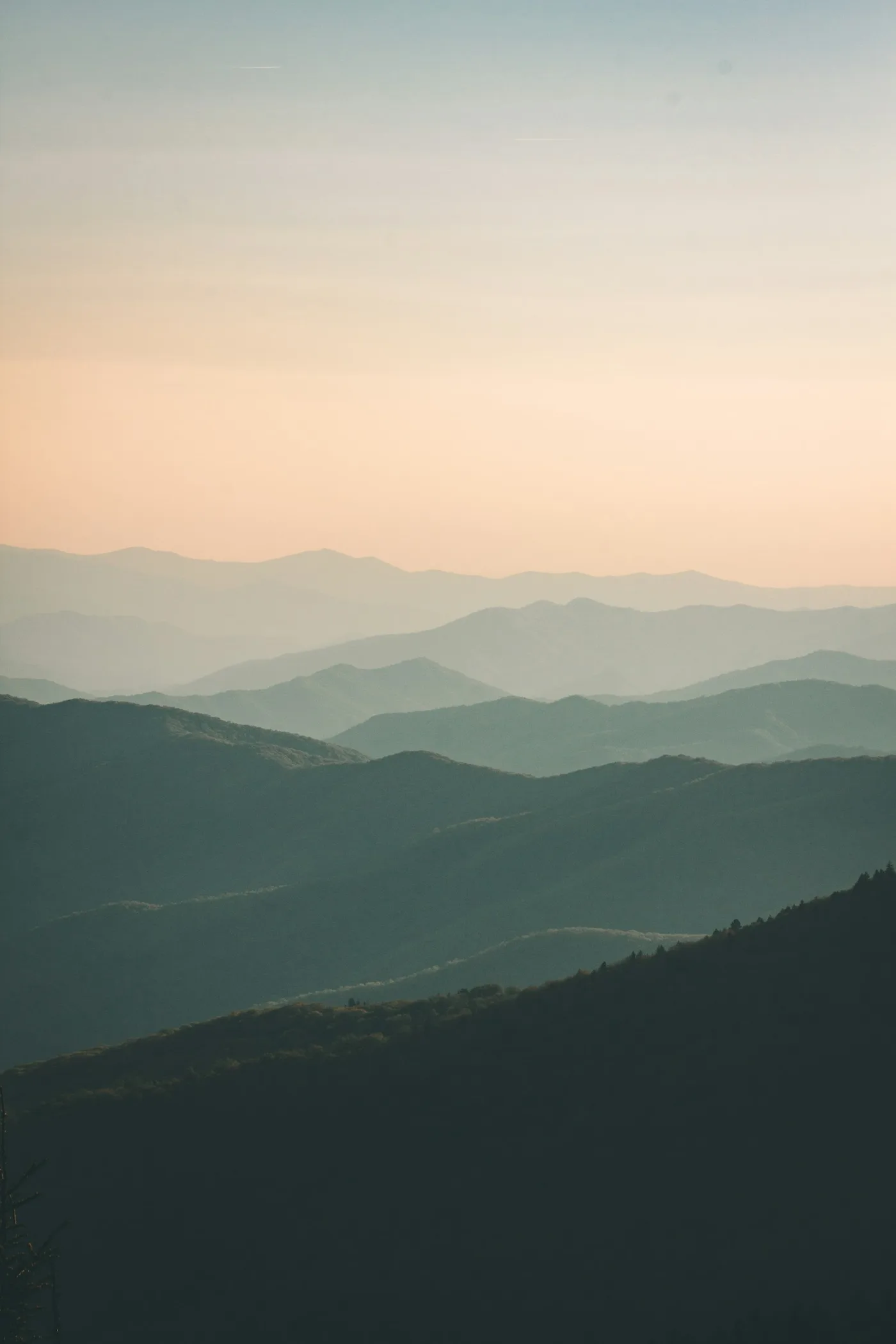
The final day belongs to the karst. The Yingxi Fenglin corridor, running roughly between Jiulong and Huanghua, is a chain of limestone towers rising out of rice fields and small villages, threaded by lanes that are perfect for slow cycling or a driver-assisted hop between viewpoints. Early morning is the prize: mist settles in the gaps between the peaks and the light is soft and even. By mid-morning the tour buses arrive at the main viewpoints, so plan your best hours before then and keep the middle of the day for villages, tea stops and lunch.
Budget your return carefully. The villages are a fair distance from Yingde West Station, and you do not want to be hunting for a ride as the light goes. Either pre-arrange a driver for the full day, or plan to be back in Yingde town with a comfortable margin before an evening train — and consider a third night if the mist is good and you would rather not leave. This is a landscape that rewards lingering over logistics, and the difference between a rushed day and a memorable one is often just one hour of buffer.
Weather, Access and Travelling Respectfully
Spring here is a photographer's season and a planner's headache. From March to May the hills are green, the rivers full and the mist generous, but rain is frequent, limestone paths turn slick, and river-based activities can be cancelled at short notice. October to December is the more forgiving window: dry air, clear peaks and cool mornings, with the tea hills still holding colour. Summer brings heat, humidity and the rafting crowds, while late summer also carries typhoon risk, which can disrupt rail services across the province. Whatever the forecast, build one flexible day into the itinerary.
Accessibility varies sharply across this route. High-speed stations generally have lifts and step-free platforms, but cave interiors involve stairs, wet floors and low ceilings, and karst viewpoints almost always mean climbing. Anyone with limited mobility should treat the tea terraces and river cruises as the accessible highlights and confirm cave conditions directly before committing. Culturally, remember that parts of this region are home to Yao and Hakka communities with their own customs; ask before photographing people or interiors, dress modestly in villages, and carry a little cash for small vendors who may not take cards. English is uncommon outside hotels, so download offline maps and translation before you leave the city.
Further China Planning
For a wider route, compare this itinerary with China by high-speed train and China travel by month. Keep the order flexible when weather, reservations or transport conditions change.
Before departure, review the China entry guide and China travel safety guide. Confirm current opening hours, ticket rules and local transport through official channels.