Who Yuncheng Suits — and Who Should Look Elsewhere
Yuncheng suits travelers who like their history with room around it. It is a regional hub in southern Shanxi rather than a preserved old town, and its headline sites are spread out enough that a car, a hired driver or a well-planned taxi day does most of the work. If you are building a longer Shanxi loop, following Yellow River history, or simply enjoy temple architecture and regional cooking more than polished attractions, the city earns its place on the route.
Be honest about the fit before booking. Skip or shorten Yuncheng if you want a compact walkable centre, guaranteed lake colours, swimming, boat rides or a single ticket covering everything. It is also a poor match for travelers who need step-free access throughout, since courtyards, uneven paving and long outdoor stretches are part of the experience and facilities vary by site. With only one full day, choose either the salt lake or Jiezhou Guandi Temple rather than attempting both.
Arrival, Rail Stations and a Sensible Base
Check the station printed on your ticket and compare its location with your hotel before booking. High-speed and conventional services may use different arrival points; the airport is separate again. Treat arrival as a road transfer. There is no metro network to lean on here, so plan on a taxi or a pre-arranged car and confirm the journey locally.
Base yourself in the central urban area, where restaurants and evenings are easiest, then treat Jiezhou Town and the salt lake as out-and-back excursions. Three nights in one hotel beats relocating between sights. If Yongle Palace at Ruicheng is on your list, remember it sits in a different county and involves a substantial transfer: add a night rather than folding it into a city day. Ask your accommodation to write key addresses in Chinese; it makes short taxi rides far simpler.
Day 1: The Salt Lake, Read Within Current Access
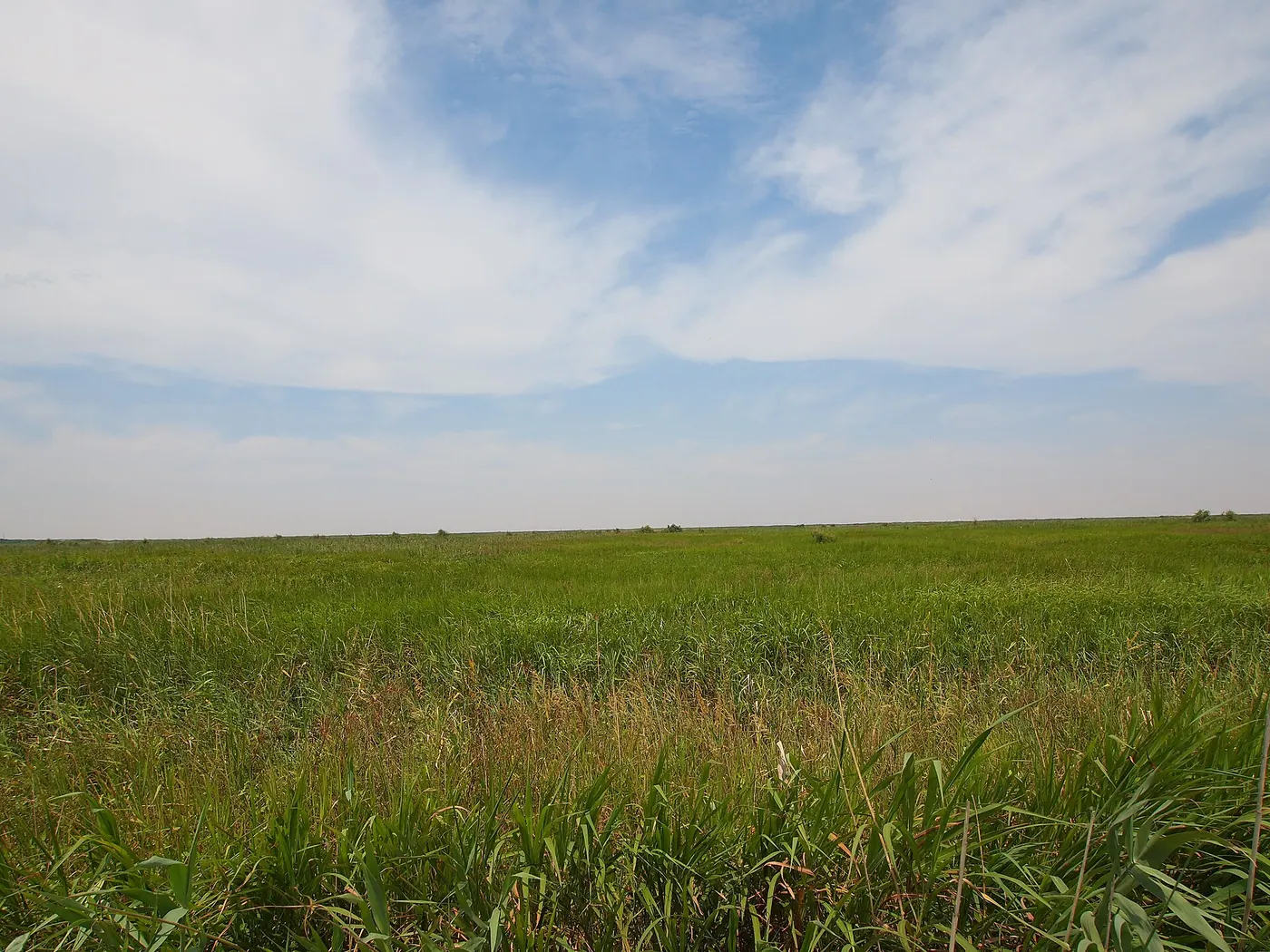
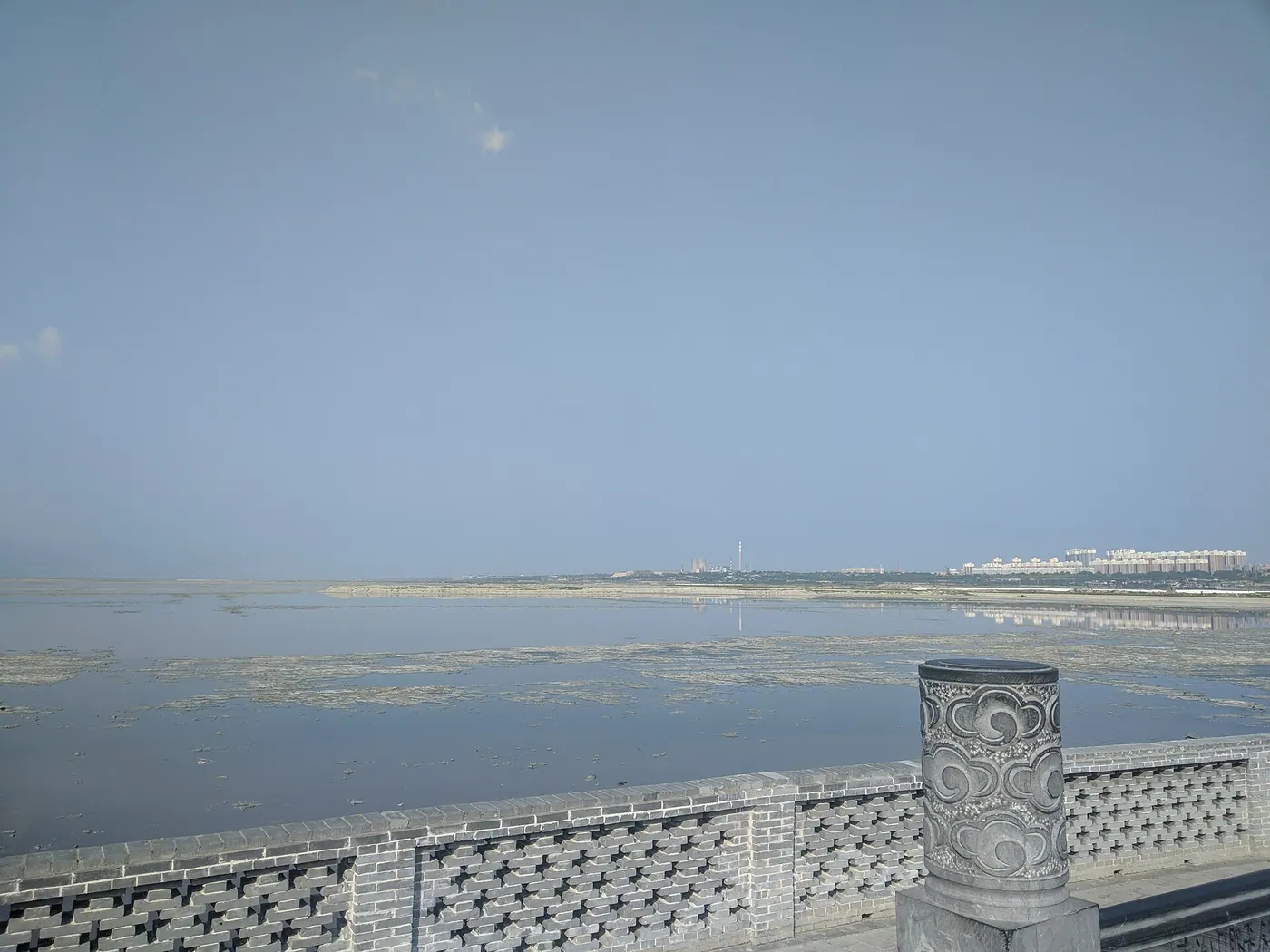
Give the salt lake half a day and time it for the light you want. Historically, this lake was worked for salt, and that industry shaped settlement, trade and local identity across the basin. Treat present-day access as separate from the salt lake's long history: confirm with the current site operator which viewing areas are open and whether facilities are operating. What you can actually visit changes with conservation management, so confirm current permitted access and viewing areas before you set out, and do not assume that older shoreline routes, paths or facilities are still open.
Colour is not a promise. The lake's appearance shifts with the angle of the light, algae, season, weather and management decisions, so a muted afternoon is not a failed excursion. Do not assume swimming is permitted; check current rules and treat the lake first as a managed landscape, not a resort. Bring sun and rain cover, because open ground offers little shade or shelter, and check toilets and your return transport before wandering far. Think of the visit as a landscape and a salt story rather than an attraction with rides and queues.
Along the way, keep official signage and local anecdotes separate. Residents may tell you about particular seasons or old working practices with real affection; those stories are worth hearing, but they are not the same as a verified current access rule. If a gate, path or viewpoint looks closed, it is closed.
Day 2: Jiezhou Guandi Temple and Its Three Meanings
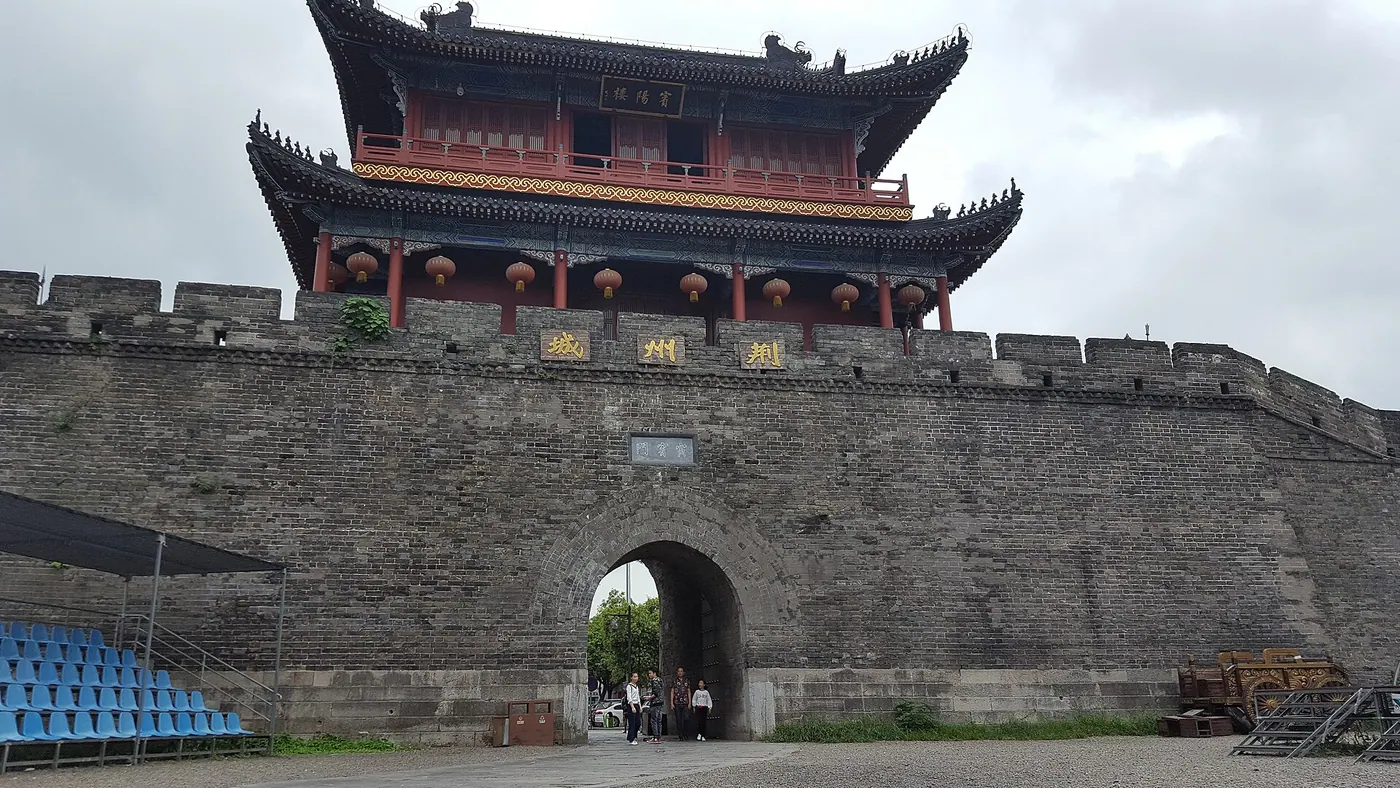
Jiezhou Guandi Temple sits in Jiezhou Town, outside the central city, and is the main heritage excursion of this trip. Budget road time in both directions rather than treating it as a walk-up city sight. Keep three things apart as you walk through: the historical Guan Yu, a general of the Three Kingdoms period; the fictional hero of the Three Kingdoms novel, whose exploits are vivid but literary; and Guandi, the deified figure worshipped widely across Chinese communities. The complex speaks most directly to the third while honouring the second.
Do not confuse this site with the Changping family temple, a distinct ancestral place associated with Guan Yu's family, and do not assume either is reachable on foot from downtown hotels. Inside, expect active worship: incense, offerings, bowing and quiet devotion. Behave as a respectful guest, keep voices low near altars and avoid photographing people mid-prayer. English signage is uneven, so a guide adds real value; without one, read a little beforehand and let the courtyards set your pace.
Day 3: City Courtyards, Wheat-Based Meals, or Both
Day three is deliberately flexible. Choose a city museum or an urban temple courtyard for a low-transfer morning, confirming opening days before you build a plan around one, then leave the afternoon for eating. Alternatively drop the sightseeing altogether and make it a food day. Yuncheng's cooking is wheat-based and filling — noodles, steamed breads and vinegar used as seasoning rather than a novelty. Portions are generous, so order across the table and share instead of committing each person to one large dish.
Ask before you commit. Broths and soups may be beef- or pork-based, and some noodle shops are halal while others are not; one polite question settles it. Vinegar arrives both as a condiment and as a base flavour, sometimes sharper than visitors expect. If you avoid gluten, wheat noodles and steamed breads become limiting quickly, so research a couple of options in advance rather than hoping. Accept the cold dish or pickle offered alongside your noodles — it is usually what balances the meal.
Rain, Heat, Low-Walking Alternatives and Common Mistakes
Spring and autumn are the comfortable windows; summer heat and winter wind genuinely shape how much outdoor time is sensible. Neither is a reason to cancel, only to plan indoor time around the middle of the day. On a wet or very hot day, swap the lake and exposed temple courtyards for a museum and a long lunch. To reduce walking, pick one courtyard and one permitted salt-lake viewpoint that can be reached from a vehicle, then stay there rather than looping between sites, verifying access, toilets and pickup points first.
The most common planning mistakes are easy to avoid. Folding Yongle Palace at Ruicheng into a three-day city plan rarely works; assuming the lake will be pink, or that you can swim in it, sets up disappointment; treating Jiezhou Guandi Temple and Changping as one place muddles two different stories; and arriving at the wrong rail station costs an hour you will not get back. Book one base, leave slack each day, and re-verify current access, tickets and hours before you set off.
Further reading and onward planning
For background and current visitor notices, consult China's Ministry of Culture and Tourism: Yuncheng heritage destinations and Yuncheng Culture and Tourism Bureau and China's Ministry of Culture and Tourism: regional Yuncheng culture. This guide was prepared on November 5, 2026. Background pages do not establish current entry hours, reservations, transport or weather-related access; confirm those with the venue and your accommodation for your dates. Cover photograph: 运城盐湖.jpg by ysd1123, via Wikimedia Commons, licensed under CC BY-SA 4.0. This adapted photograph is shared under the same licence.
To extend the trip, compare Taiyuan and Shanxi food and Pingyao Ancient City. For railway planning, see China by high-speed train, and always match station names to the ticket you actually book.