Who Xichang Fits — and Who Should Rethink the Trip
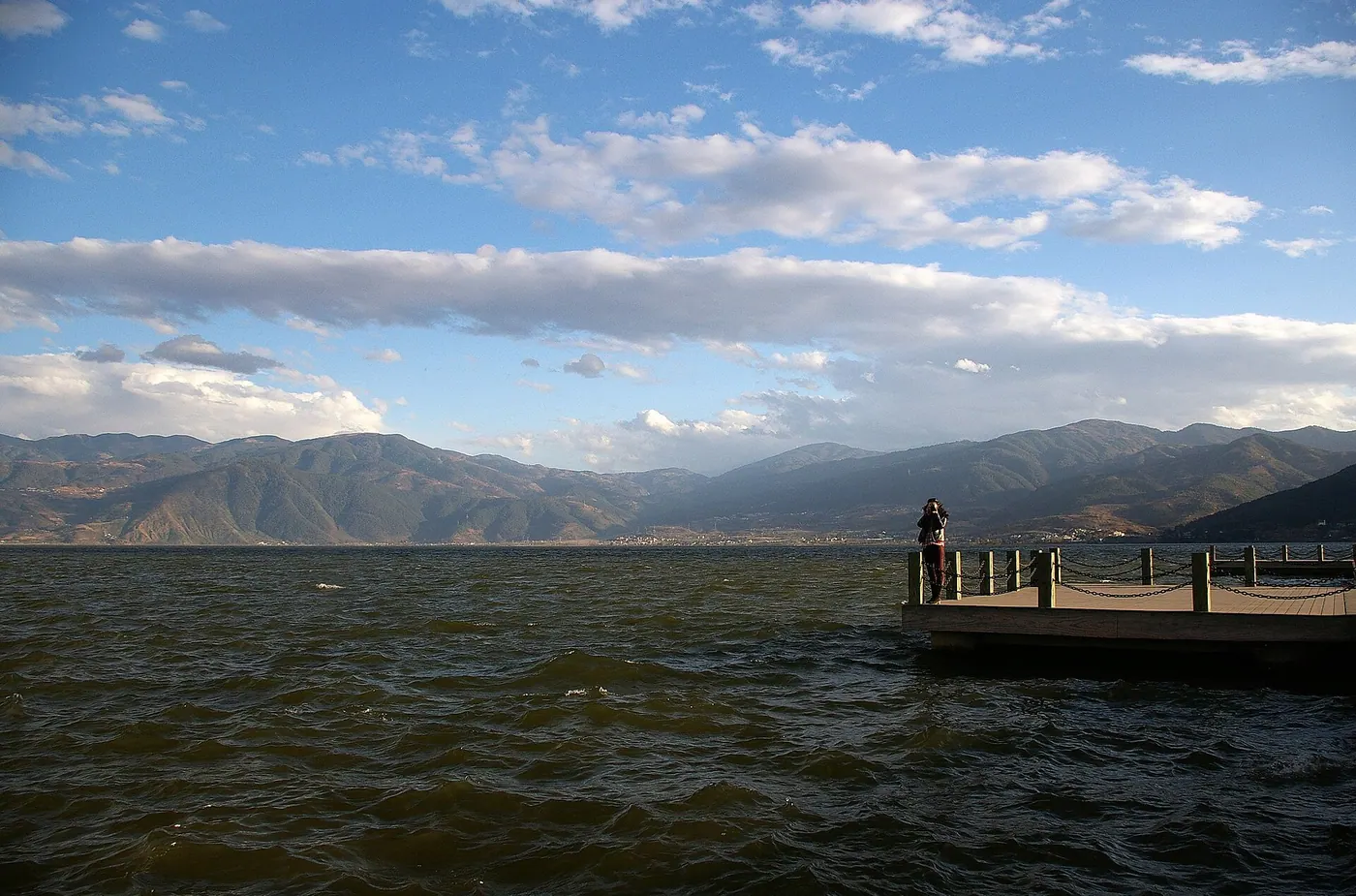
Xichang rewards travelers who treat a lake as somewhere to walk beside rather than somewhere to play on. The city sits on a plateau in Liangshan, Sichuan, with strong sun, quick weather changes and Qionghai at its edge. China's Ministry of Ecology and Environment describes the lake as a plateau water body and an important local drinking-water source, and documents restoration and protection work there; the National Forestry and Grassland Administration has highlighted wetland interpretation and visitor education. If signed paths, birds at a distance, market food and short hill walks sound like a good three days, the city fits.
Rethink the trip if your idea of a lake destination involves swimming, unrestricted boating or a resort strip. Qionghai is protected, and access to water, paths and any rental, shuttle or boat service should be checked locally rather than assumed. Travelers who need guaranteed step-free routes everywhere, or who want dense evening entertainment, may find Xichang quieter than expected. It is also a poor fit as a rushed add-on between two bigger stops: the light, the walking and the slow meals are the point, and compressing them removes most of the value.
Arriving, Choosing a Base, and Reading the Map Correctly
Check the exact station on your ticket before arranging a pickup or taxi, and verify the distance to your accommodation on a map instead of guessing. The airport is a separate journey again. Do not assume that station, airport and lakeshore sit next to each other; build in buffer time, especially on arrival day when you are tired and daylight is going. If you are arriving late, eat near your lodging rather than chasing a lakeside dinner.
Two bases work, with different trade-offs. A central-city base gives you easier food, evening options and transport links; a lakeside base gives you early light and short walks to the water. Choose the lake only after confirming meals, evening choices and how you will reach the rest of the city. Most travelers do best with a central first night and a single move toward the lake if they want sunrise, keeping the plan flexible enough to change base once rather than twice.
Day 1: Settle In, Then Meet the Lake on Foot
Use the first day for unglamorous work: arrive, check in, eat something plain and local, and settle into the highland sun and dry air. Then take one short signed lakeside path — twenty to forty minutes is plenty to feel the scale of Qionghai. Look for interpretation boards and read them; wetland education is part of how this area is managed, and signage tells you where walking is welcome and where zones are left for water and birds.
Keep the first evening close to your base. Notice what you see along the way: where the path is flat, where there are seats, where shade ends, where the wind picks up. That small reconnaissance makes the next two days easier, particularly if legs, children or heat are factors. Sunset can be beautiful here, but plateau light changes fast — carry a layer and a light source, and don't count on a specific viewpoint being clear or a particular facility being open when you arrive.
Day 2: One Wetland Sector, and Birds at a Distance
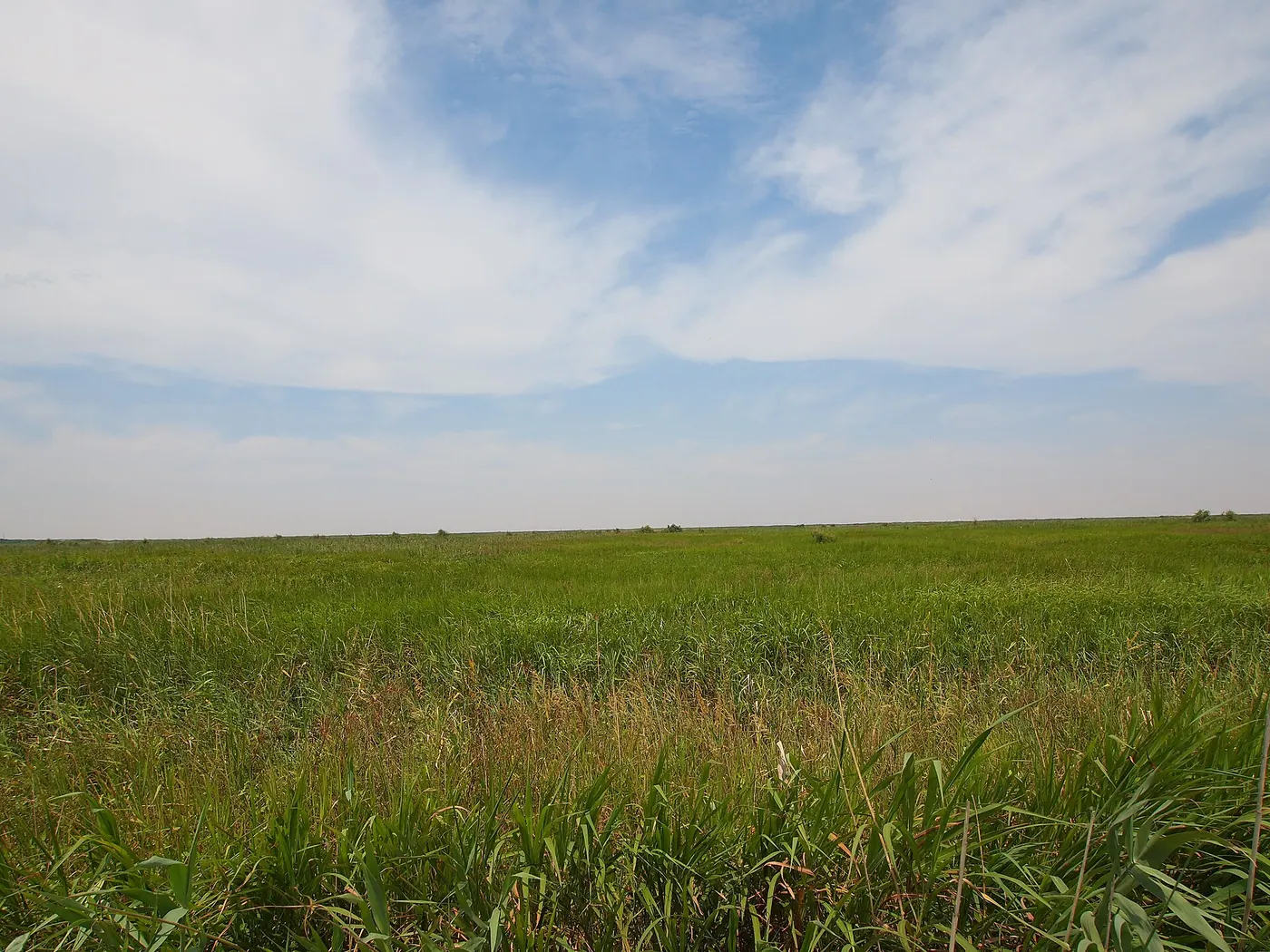
Resist the full loop. Qionghai's wetland areas are extensive, and trying to circle them in a single day usually produces a blur of road, wind and fatigue. Pick one sector, walk it slowly and stop often. Rental bikes, shuttles and boats are optional extras: use them only if they are currently operating and permitted, and confirm conditions on the day rather than relying on an old blog post. Because this is a protected lake, check specific permissions rather than assuming that public access includes contact with the water.
Birding here is a privilege of distance. Stay on marked paths, keep voices low, and avoid feeding birds, playing recordings, approaching nests or flying drones. Binoculars will do more for your day than a closer photograph. Species and numbers shift with season and water levels, so treat any sighting as a possibility rather than a promise. Local people know the lake's rhythms well — if someone tells you a section is closed or a path is flooded, believe them and reroute without argument.
Day 3: City Hills, Living Yi Culture, or a Quieter Plan
For the final day, choose between Lushan and a city cultural or museum option, and let weather, legs and confirmed access decide. Lushan gives you city hills and a different angle on the basin, but hill walking is still hill walking: check current access, watch for slick steps after rain, and turn around when you have had enough. If the morning is wet, grey or your knees are complaining, an indoor venue or a short flat wetland segment with seats is a better use of a few hours than a grudging climb. Do not assume every route is step-free — surfaces and temporary closures vary, so scout on day one or ask locally.
Liangshan's Yi culture is living, diverse and far from a single costume or a staged ritual, and it is not accurate to treat everyone in the prefecture as Yi. If a festival or ceremony is the reason for your trip, confirm dates, locations and visitor protocols directly and in advance, and accept that some events are not open to spectators. Ask before photographing people or private spaces, and treat hospitality as hospitality rather than performance. Curiosity expressed as simple questions usually opens more doors than assuming you already know the custom.
Eating Well, Packing Right, and Common Planning Mistakes
Xichang's table is highland Sichuan with local character. Rice, potatoes and buckwheat appear in several forms, and barbecue and Yi-style flavors — smoke, chilli, preserved and cured ingredients — are part of the repertoire. Styles vary between households, towns and restaurants, so treat any dish as one version rather than the definitive one. Portions can be generous and the spice genuinely hot; say what you can handle before ordering, and ask what is in a dish rather than after it arrives. If you have allergies or dietary limits, explain them plainly and early.
The mistakes that cost travelers time are predictable. Booking a ticket without noting the exact station, attempting the whole lakeshore in a day, assuming a boat, shuttle or exhibit is running, and packing for highland sun when afternoons can bring showers and wind — each of these reshuffles a short trip. Xichang's space-industry identity is interesting context, but do not build your itinerary around access to anything related without confirming it exists for visitors. And keep the last afternoon loose for packing and your transfer out.
Further reading and onward planning
For background and current visitor notices, consult China's Ministry of Ecology and Environment: Qionghai restoration and National Forestry and Grassland Administration: Qionghai wetlands. This guide was prepared on November 5, 2026. Background pages do not establish current entry hours, reservations, transport or weather-related access; confirm those with the venue and your accommodation for your dates. Cover photograph: 西昌邛海风光Xichang Qionghai Lake scenery - panoramio.jpg by 杨志强Zhiqiang, via Wikimedia Commons, licensed under CC BY-SA 3.0. This adapted photograph is shared under the same licence.
To extend the trip, compare Chengdu and Chongqing's city route. For railway planning, see China by high-speed train, and always match station names to the ticket you actually book.