Who Dongying Suits, and Who Should Choose Elsewhere
Dongying rewards travelers who prefer patient looking to ticking boxes. It suits birders who own binoculars and can enjoy a morning on which only a handful of species show, photographers comfortable with haze and long sightlines, and travelers curious about how a great river builds land, feeds wetlands and shapes a city's economy. The payoff is atmosphere rather than spectacle: reed beds, water channels, pumping infrastructure and enormous skies that make the flatness feel deliberate rather than empty.
Skip it if you want guaranteed wildlife moments, dense urban attractions or easy resort comforts. The estuary's habitats are protected, and visitors cannot roam freely through them; access is limited to designated public areas, and what is open can change. Nor is the town a beauty spot in any conventional sense, though its oil-field skyline and industrial infrastructure are the story, not an embarrassment. Anyone who dislikes long flat drives, wind or uncertainty about conditions will find three days long.
Travelers who are not birders can still justify a short stop here for the river-mouth geography and city life. Two days is enough to see how the delta works and to spend an afternoon in town. Three days only makes sense in the migration window, when being present for more mornings genuinely increases your chances of a good day.
Trains, Roads and the Case for Sleeping in Town
Most international travelers reach Dongying by rail from a larger Shandong hub, or by flying into the region and continuing overland; check current schedules yourself rather than trusting any guidebook, including this one. What matters for planning is not the timetable but the geography. The built-up city and the estuary's public observation areas are separated by long, straight roads through reclaimed and restored land, and a day spent driving between vague points is a day lost.
Base yourself in Dongying city, not at a remote wetland property. The city has the hotels, food and services, and it lets you start early without gambling on rural accommodation you have not verified. A car with driver, or a self-drive rental if you are comfortable with local road conditions, plus ideally a licensed local guide who understands current boundaries, is the realistic way to reach observation areas. Do not assume public transport serves them.
This is also a working oil city, and its layout reflects that: broad arteries, industrial edges, water systems threaded through new districts. Treat distances honestly. Getting out to the delta, spending time properly, and returning can consume most of a daylight window, which is why committing to one area per day beats chasing several.
Day One: A Working City Built on Silt
Devote the first day to the city itself. Walk or take short rides between its urban water systems, parkland and civic spaces, then spend time in a museum covering the delta's ecology, the river's shifting course or the oil industry that built modern Dongying. This grounds you in the place before you ask anything of the wildlife. You will also hear local stories about the river moving the coastline and new land appearing; they are vivid and worth listening to, but treat them as storytelling rather than data.
Food here is hearty northern Chinese cooking with a Bohai coast accent: seafood, river fish, freshwater crab in season, scallion-heavy dishes, pancakes and steamed breads. Ingredient cautions are practical rather than alarming. Ask what is in a dish if you avoid shellfish or peanuts, since sauces and cooking oils vary by kitchen; ask that freshwater fish be served hot and be careful with fine bones; and if raw or briefly cooked seafood is offered, make your own judgment about handling. Menus may not be in English, so a translation app and a few words of Mandarin help.
Day Two: The Estuary on Official Terms
Give the second day to a single officially designated public observation area. Official Shandong public-information guidance dated October 2026 points travelers toward public alternatives such as the Yellow River Estuary Eco-tourism Area and sites around the city's Swan Lake and urban water systems, while stressing that current closures and route notices must be checked. The nature reserve itself is protected land: observation from permitted places is not the same as access, and fences, signs and staff instructions define the boundary. Verify before you travel, and again on the morning.
Bring binoculars, and a scope if you have one, then use them from a distance. Stay on paths, keep voices low, and accept that the birds decide the day. Avoid playback, feeding, deliberately flushing birds, approaching nests and stepping into vegetation for a better angle. Drones are prohibited across most of the reserve's controlled airspace under a notice dated September 20, 2026 reported by official provincial channels, so leave yours at home. Do not publish sensitive nest locations or coordinates.
A licensed local guide is worth the expense less for identification than for boundaries, timing and knowing when to stop. If you are joining any organized outing, ask plainly whether it operates inside permitted public areas.
Day Three: Second Chances and Lower-Walking Plans
Keep the third day flexible. Check same-day notices and choose a second public site, or switch entirely to a museum, an urban wetland or a water-system walk if conditions or access have changed. This is also the day to leave a generous buffer before any onward train or flight, because the return drive from the delta's edges is long and traffic near town can surprise you. Packing up first and sightseeing second is the calmer order.
If weather turns bad, or walking is limited, the trip does not collapse. Haze, strong wind and rain are ordinary here and can close your window entirely; shift indoors to exhibits and city streets, or choose short paved loops near urban water. Do not assume boardwalks, viewing platforms, exhibits or accessible facilities are open or step-free on any given day. Ask locally, or accept a shorter, simpler plan, and keep the estuary for the next morning if your schedule allows.
What Usually Goes Wrong, and How to Avoid It
The most common mistake is treating the estuary as a guaranteed show. Tide, wind, haze, water levels, road distances and simple bird movement mean sightings cannot be promised, and restoration work changes habitat year to year. Autumn and winter often draw migration through the delta, but what appears on your dates depends on conditions, not on your booking. Build slack into the itinerary, plan one area per day, and accept that a quiet morning is a normal result, not a failed one.
Other errors are logistical: booking a single night and expecting to reach the coast easily, relying on public transport to observation points, committing to a fixed multi-site itinerary before checking notices, or joining a guide who ignores boundaries. Travelers who treat the estuary as habitat first and attraction second tend to enjoy it more. Layers, waterproof shoes, wind protection and a spare battery for your binoculars matter more than a long lens, and patience matters most of all.
A Note on Sources and Changing Access
This guide draws on official Shandong publicity material from 2026 and national forestry information describing the estuary's wetland and conservation context. Those pages distinguish public viewing alternatives from protected reserve land and flag current access and no-drone restrictions. Notices change, sometimes quickly, and a route open last season may not be open now. Confirm locally before committing a day to any single site, and treat any specific spot named by another traveler as a lead to verify rather than a plan.
Editorially, the useful habit is simple: check, then re-check on the morning you intend to go, and hold a city-based fallback. That approach respects the habitat, keeps expectations honest and still leaves room for the moments that make the journey worthwhile, which usually arrive unannounced on a cold, bright, windy morning.
Further reading and onward planning
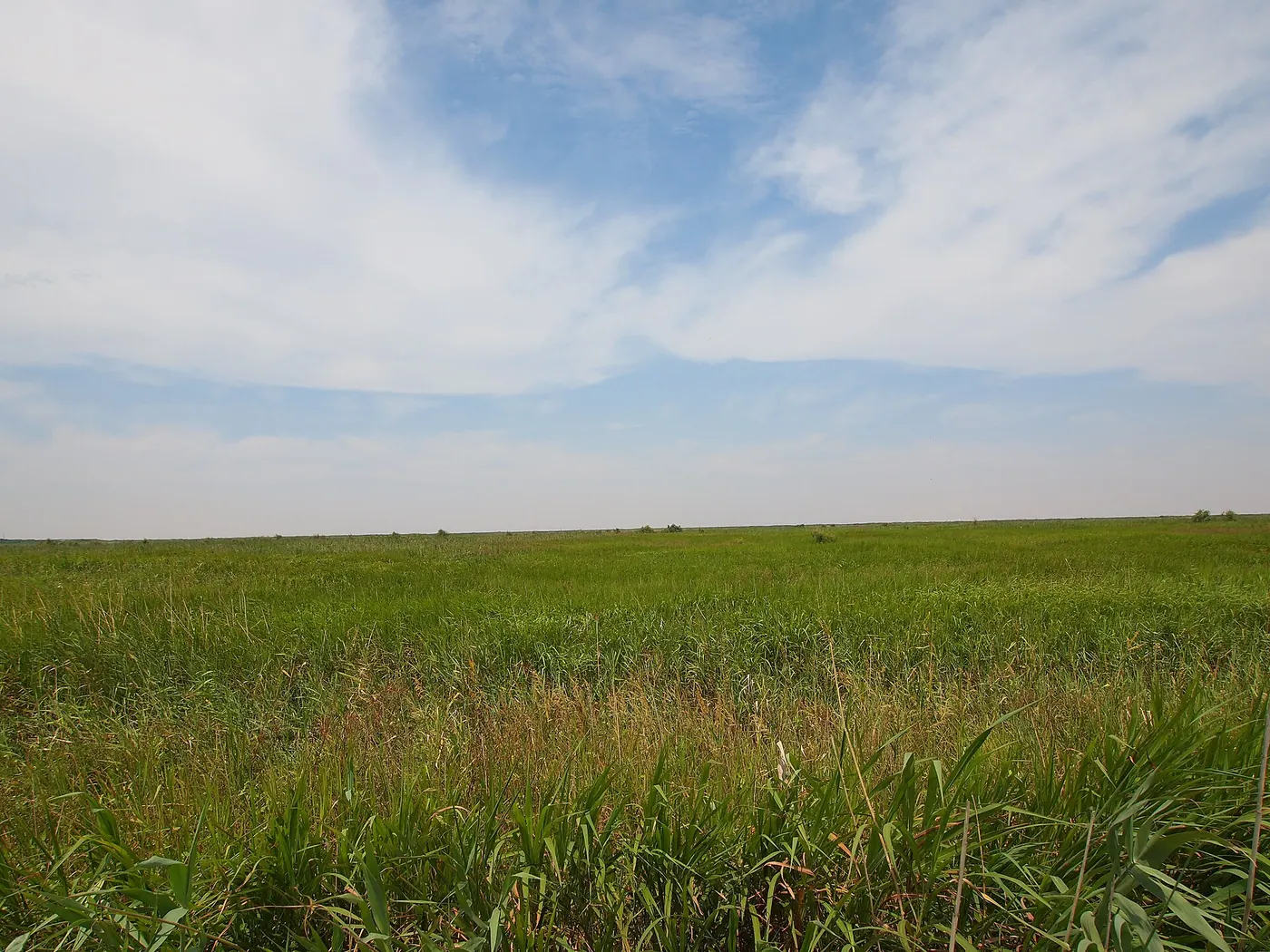
For background and current visitor notices, consult Shandong publicity portal: 2026 Yellow River estuary birding guidance and National Forestry and Grassland Administration: Yellow River estuary birding. This guide was prepared on November 5, 2026. Background pages do not establish current entry hours, reservations, transport or weather-related access; confirm those with the venue and your accommodation for your dates. Cover photograph: 芦苇连天 - Endless Wetland of Reeds - 2012.08 - panoramio.jpg by rheins, via Wikimedia Commons, licensed under CC BY 3.0.
To extend the trip, compare Yantai and Weihai's Shandong coast and Rizhao's coastal route. For railway planning, see China by high-speed train, and always match station names to the ticket you actually book.