Who Lianyungang Suits, and When to Go Somewhere Else
This is a good trip for travellers who want two different kinds of walking in one short break: a stair-heavy granite mountain and a windswept island shoreline, both reached from a single rail hub. Families with older children, hikers who prefer built paths to wilderness, and anyone tracing a route along Jiangsu's coast will find the rhythm rewarding. The city is spread out, so it favours people who plan transport rather than improvise it on the day.
Choose another destination if you have only one full day, because Huaguo Mountain and Lian Island each want their own. Skip it too if what you want is a compact old town you can wander without a plan, or a beach where reliably warm, clear water is the entire point — this coast is seasonal and weather-led rather than tropical. Travellers who need everything within a few minutes of the hotel lobby will find these distances more work than they want.
Arrival, Stations and the Base Decision
Lianyungang has more than one rail station, and the names matter. Lianyungang (连云港) and Lianyungang East (连云港东) are not the same place, and neither is automatically correct for your hotel. Before booking, match the ticket to your chosen base and check the transfer rather than assuming a short taxi ride. If you arrive late or leave early, treat the station-to-base leg as a real piece of the itinerary, not something you will sort out later.
There are two sensible bases. Staying in the urban core puts you closer to the main rail station, food and an easy arrival evening, but adds distance to the water. Staying in the Lianyun area near the coast shortens the Lian Island day but can complicate an early train. For a trip built around one mountain and one island, the coastal base rewards early starts, while the city base suits late arrivals and tight departures. Decide, then book once.
Day 1: Arrive, Settle, and Let the Forecast Set the Order
Day one is an arrival day, and it should stay one. If your train lands in the afternoon, keep the plan small: check in, walk the immediate streets, buy water and snacks, and confirm tomorrow's transport. A tight onward train and a full mountain day do not belong on the same date — a full mountain visit needs time; a shorter visit is possible only by selecting a limited route. If you arrive early, an easy waterfront stroll is enough to reset.
Use the evening to fix the order of days two and three. Read the forecast: settled, dry weather favours Huaguo Mountain, since wet steps can be slippery; wind, fog and storm alerts change what is sensible on the coast, and rain can cancel water activities. Swap the days if the forecast argues for it. Then check, rather than assume, whether shuttles or cable options are running and how much ground they actually cover.
Day 2: Huaguo Mountain on Its Own Terms
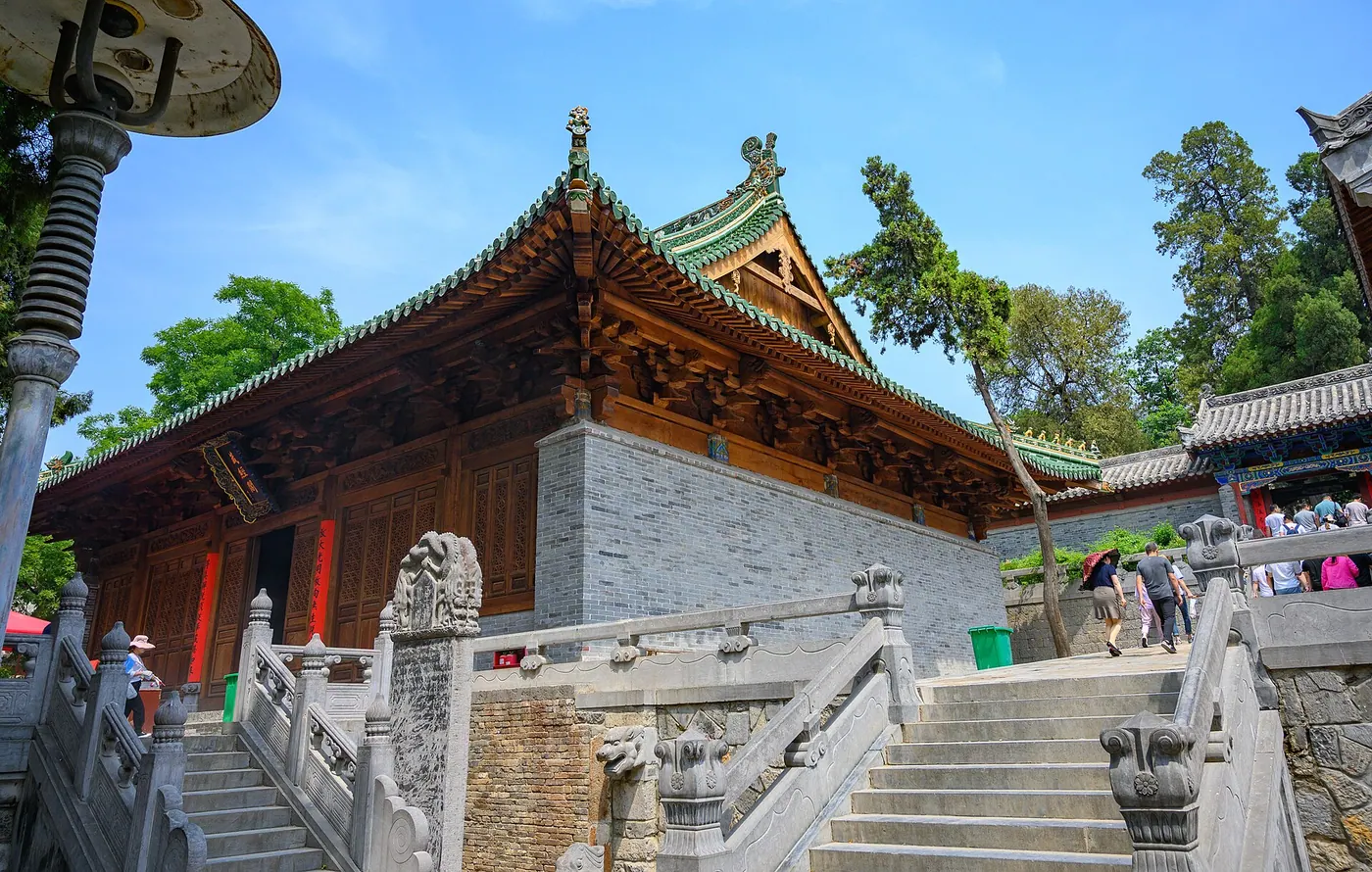
Huaguoshan (花果山) is the mountain most visitors come for, and its reputation rests on a literary and cultural association with Journey to the West rather than on any historical record of a Monkey King. That association is layered onto the landscape through names, structures and carvings, and it gives the walk a narrative thread. Underneath the stories, this is a granite scenic area with genuine stairs, genuine distance and its own logistics, and it deserves a proper plan.
Go early and give it the day. Build in transport to the entrance, then treat the walking itself as the main event rather than the gap between viewpoints. Shuttle buses and cable options, where they are operating, can shorten sections, but they never remove every step, and the paths between them still climb. Set a turnaround time before you start, carry more water than feels necessary, and accept that weather can close or alter routes.
Day 3: Lian Island's Coast, Then the Rails
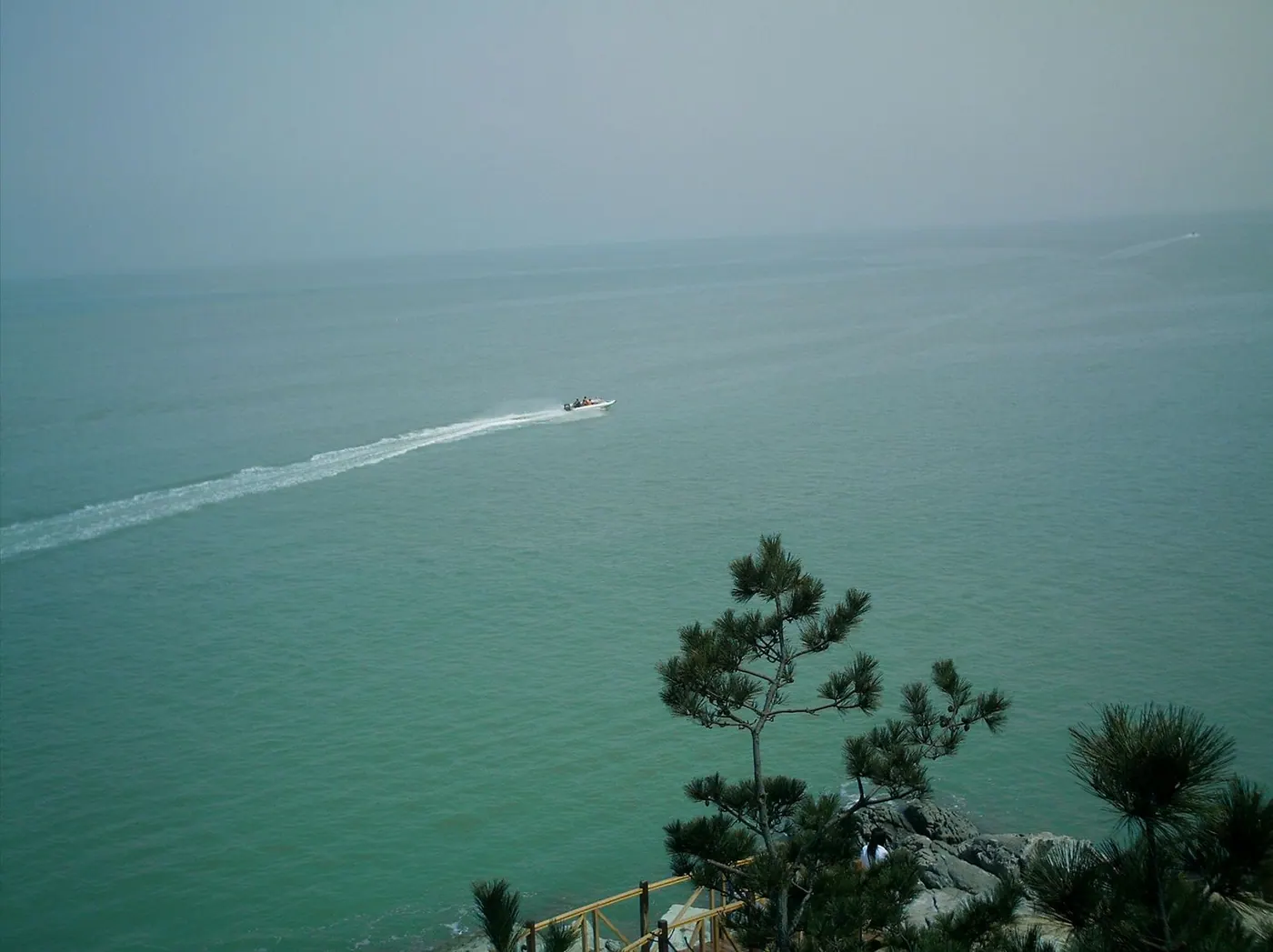
Lian Island (连岛) is the coastal half of the trip: an island destination connected to the mainland, with beach areas and shoreline paths. Manage expectations before you arrive. The water is not reliably clear and warm, swimming belongs to supervised areas during authorised operation, and the operating season is a local question rather than a fixed date in any guide. Use open, designated shoreline paths. Wet rocks and seawalls are not route shortcuts or places for tide exploration.
Pace day three around your departure. If you leave the same day, decide your cut-off time before you set out and count the transfer back to the station as part of the plan rather than a margin you will find later. Coastal food is often sold by weight here, so confirm the unit, the price and how it will be prepared before you agree to it. Ask plainly, keep the order modest, and adjust afterwards rather than overcommitting up front.
Plan B Days and the Mistakes That Cost You Most
Build a lower-effort alternative before you need one. If the mountain is fogged in, choose an indoor stop or a short, locally permitted city walk. During a coastal wind or storm warning, stay away from exposed waterfront sections and follow local closures. Travellers with limited mobility should favour coastal segments over mountain stairs and check surfaces on arrival, because a paved promenade is not the same as a seawall path or rock. Nobody can promise a route is accessible.
The costliest mistakes here are structural rather than financial. The first is treating an arrival or departure day as a full sightseeing day. The second is booking a base that fights the itinerary, or turning up at the wrong station because the two names looked interchangeable. The third is assuming a shuttle or cable erases the climbing, or that the sea will be swimmable because the calendar says summer. The fourth is leaving no weather buffer in a three-day plan.
Background and onward planning
Background references and visitor-information channels: Background: Mount Huaguo and Background: Lian Island. This itinerary was prepared on November 4, 2026. Background pages and government portals are not live opening or ticket notices. Confirm current entry, exhibitions, local transport and weather-related access with the venue and your accommodation for your travel dates.
To extend the route, compare Qingdao's city and mountain route. For rail booking details, see travelling China by high-speed train; check the exact station name on every ticket before arranging a transfer.
Cover photograph: 连岛的海.JPG by 赵文博, via Wikimedia Commons, licensed under CC BY-SA 3.0. Resized and converted to WebP. This adapted photograph is shared under the same licence.