Who Lanzhou Suits, and When to Choose Somewhere Else
Lanzhou suits travellers who like a city that works rather than performs. Its appeal is the combination of a working river city, regional archaeology and everyday noodle culture. These are rewarding stops between rail journeys, even without a dense historic core. It is a good fit for food-led travellers, museum people, and anyone building a Hexi corridor route who wants one honest city before the desert stops. It also rewards slow walkers who prefer riverfront evenings to monument queues. It is a weaker fit if you are chasing a compact, reconstructed old town or a short list of classical sights within a few blocks.
Be honest about what you are choosing. Lanzhou is long, dry and exposed, and its best moments are ordinary ones: a bridge at dusk, a bowl of noodles at breakfast, a museum hall that explains where the Silk Road actually went. If your trip is very short, or you mainly need a bed between trains, treat the city as a single evening rather than three days. If long walks and steps are difficult, plan around the river and the museum and skip the hill. Choose elsewhere if guaranteed sunshine or a warm winter is the reason you are travelling.
Arrival, Rail Stations and the Shape of the City
The three arrival points most relevant to this route are Lanzhou station, Lanzhou West and Zhongchuan airport; they are not interchangeable. Lanzhou station sits in the central city; Lanzhou West handles high-speed services and is the more natural springboard for the Hexi corridor and for Xining; Zhongchuan airport lies well outside the city and is reached by its own rail link and road options. Treat the airport leg as a separate planning task with its own buffer, especially on departure day. Confirm which station your ticket names before you book a hotel, and leave a generous margin between a museum morning and an onward train.
The city follows the Yellow River in a narrow ribbon, so east-west distances are larger in practice than they look on a map. A base within walking distance of the central riverfront near Zhongshan Bridge keeps Day One and Day Three largely on foot and keeps the bridge outings simple; the museum still needs a separate cross-town transfer. Arrive, drop your bags, and resist the urge to see everything on the first afternoon. A short riverfront walk and an early noodle dinner will tell you more about Lanzhou than a rushed circuit of districts.
Days One and Two: Bridge at Dusk, Bowl at Breakfast, Museum if Reserved
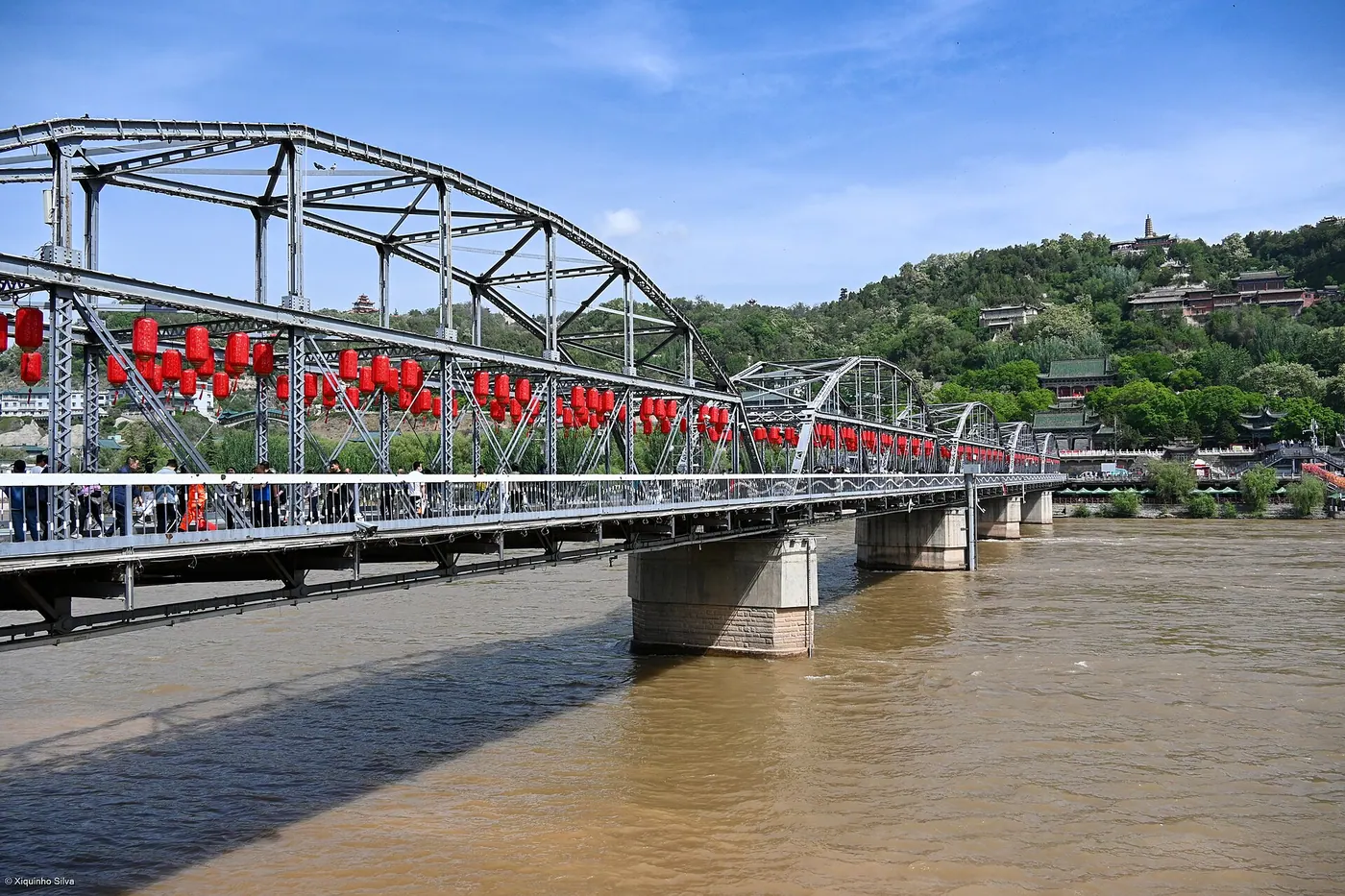
Day One is deliberately small. Settle in, then walk the riverfront toward Zhongshan Bridge in the late afternoon, when the light softens and the current is easy to watch. The bridge is a pedestrian crossing that links viewpoints on both banks, and crossing it on foot is the point: look back at the city, then back at the hills. Eat an early dinner of beef noodles, ask for less chilli if you are unsure, and return to the water after dark. The dry air makes the first afternoon feel longer than it is, so stop while you still have energy.
Day Two belongs to the Gansu Provincial Museum, provided you have secured a reservation. Entry arrangements, reservation channels and exhibition schedules change, so check the official source shortly before you travel rather than trusting a guide written years ago. The displays give the Silk Road in Gansu a geography and a timeline, which makes every later stop along the Hexi corridor easier to read. The bronze galloping horse is associated with the institution, but exhibitions rotate and objects travel; never build the day around seeing one item. Afterward, stay in that part of town: a long lunch, a short walk, an early return.
Day Three: Baitashan, a Longer Riverfront and the Rail Buffer
Day Three opens with Baitashan, the hilltop park above the north bank, reached from the bridge side. The climb involves steps and uneven ground, so go only if your fitness and the weather allow, and go in the morning when temperatures may be gentler; visibility still depends on weather and air conditions. Carry water. Skip it entirely in rain, snow, ice or a dust-laden wind, and do not treat the park as an accessible viewpoint. The reward is a plain, legible view of a city pressed between hills and water, which is exactly the picture the rest of your trip will keep explaining.
Then take a longer section of riverfront rather than a longer list of sights. Choose one direction, walk until you feel like stopping, sit, and watch the river do its work. Save the last hours for practicalities: collect bags, confirm your station, and leave a margin that feels excessive. If you only have two days, cut this hill day rather than compressing the first two. The riverside evening, the noodles and the museum are the parts worth protecting, and the onward rail leg will be easier for the breathing room.
Ordering Noodles, and What to Do in Dry Sun or Wind
Beef noodles reward a little ordering vocabulary. Noodle width is the main choice, running from very thin strands through medium cuts to flat and broad ribbons; say the width you want, then adjust chilli oil and coriander to taste. The broth is usually meat-based, and a standard bowl may hold only a little beef, with extra beef ordered as a separate portion, so ask if protein matters to you. Vegetarian travellers should question the broth and the chilli oil directly rather than assume. Ignore lists of so-called best shops; a busy counter at breakfast is a reasonable signal.
Weather shapes the plan more than any single attraction. Lanzhou is dry and sunny, and wind funnels along the valley, while long stretches of riverfront offer little shade or shelter, so carry water, a hat and a light layer for cool evenings. Do not count on autumn for guaranteed clear skies. When the wind picks up, dust blows, rain sets in or your legs are tired, swap the long walk for the museum if reserved, a short look from the bridge, and a warm indoor stop over a slow lunch. That is a good day, not a compromised one.
Costly Planning Mistakes, and How to Avoid Them
The most expensive mistake is treating Lanzhou as a platform rather than a place: arriving late, leaving early, and remembering only the station concourse. The second is assuming the three arrival points are interchangeable and booking a tight sequence between the airport, a museum slot and a westward train. The third is planning a day that hops from bridge to museum to hill without allowing for the city's ribbon shape. Check reservation requirements before committing to a museum morning, and never promise yourself the galloping horse on a specific date.
Two smaller errors cost real time. Scheduling the hill before an early departure leaves too little room for a slow start or a delayed transfer, and forgetting a warm layer makes riverfront evenings shorter than they should be. Do not improvise river activities on the bank; conditions and operators are not something to guess at, and the water deserves respect. Finally, if you are continuing into the Hexi corridor toward Zhangye, Jiayuguan or Dunhuang, give Lanzhou one clear evening before that leg rather than a rushed platform change.
Background and onward planning
Background references and visitor-information channels: Gansu Provincial Museum official website and Background: Lanzhou. This itinerary was prepared on November 4, 2026. Background pages and government portals are not live opening or ticket notices. Confirm current entry, exhibitions, local transport and weather-related access with the venue and your accommodation for your travel dates.
To extend the route, compare the Xi'an-to-Dunhuang rail route. For rail booking details, see travelling China by high-speed train; check the exact station name on every ticket before arranging a transfer.
Cover photograph: Zhongshan Bridge, Lanzhou (53724585497).jpg by xiquinhosilva, via Wikimedia Commons, licensed under CC BY 2.0. Resized and converted to WebP.