Who Langzhong Suits — and Who Might Skip It
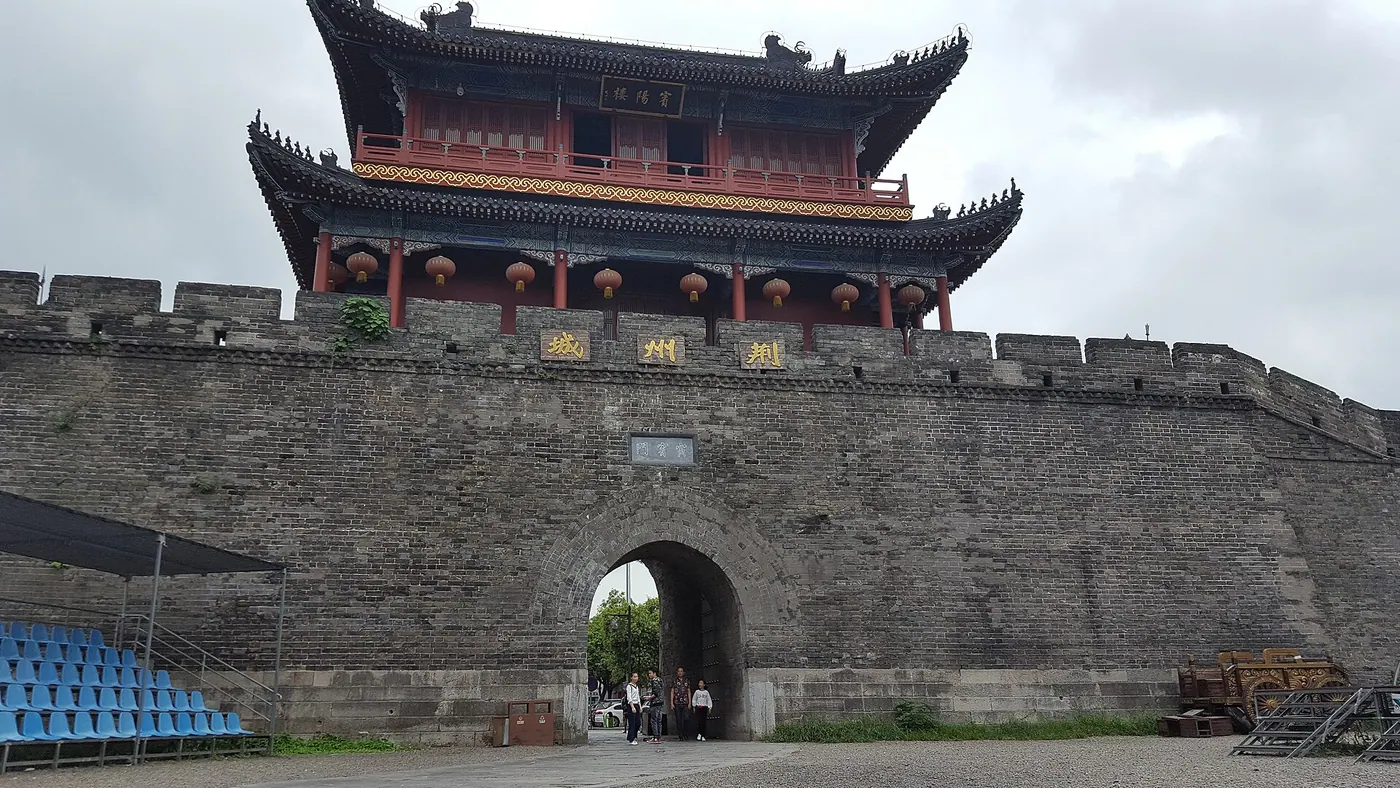
Langzhong rewards the traveler who likes to walk without a checklist. The old quarter's timber shopfronts, grey-brick courtyards and narrow lanes sit beside the Jialing River, and the pleasure is cumulative rather than monumental: a doorway here, a breakfast stall there, a stretch of wall where the town meets the water. Two nights and two full days is the right shape. You get one unhurried day in the lanes, one for a temple or hillside view, and enough slack to sit down when the stone starts to feel steep.
Skip Langzhong if you want a compact sightseeing tick-list or a fully flat, step-free promenade. The lanes are uneven in places, some historic houses have their own access and opening rules, and English signage is thinner than in China's headline destinations. Travelers who need guaranteed accessible facilities should confirm specifics with their accommodation rather than assume. Holiday weekends bring domestic crowds, and the summer months can be hot and wet. Come for atmosphere and food, not for a checklist of monuments.
Arriving, Choosing a Base, and Your First Afternoon
Nanchong is the regional anchor, and the municipal government's own description places Langzhong on the Jialing River within a wider heritage landscape. Trains are the usual approach for independent travelers, but services and station assignments change; confirm current trains, and which station they use, with China Railway before you book accommodation. The region's official visitor portal is a sensible starting point for transport context. Don't build your first evening around a tight arrival — leave an hour or two of slack instead.
Where you sleep shapes the trip. Staying inside the pedestrianized old quarter puts lanes and breakfast on your doorstep, but old buildings mean stairs, thin walls and limited vehicle access, which matters with a large suitcase or a late arrival. A guesthouse just outside the pedestrian zone can be easier for taxis and luggage while keeping you a short walk from the gates. Ask directly about stairs, noise and where a car can actually stop, then choose the base that fits your bags rather than the photographs.
Once you have dropped your bags, walk a short loop to get your bearings and save the deep exploration for a full day. This is also the moment to look at the attraction pass question calmly: a bundled ticket can be good value, but only if the sites currently included match what you actually plan to visit. Some individual historic houses have separate access arrangements and their own opening rules, so ask at the visitor point before committing rather than assuming everything is covered.
Day Two: One Heritage Cluster, One River View, Then Rest
Keep the first full day to one cluster rather than a route across the whole town. Choose a group of lanes and one temple or shrine within the historic core, walk it slowly, and stop when you have had enough. Local tradition links the Han Huanhou Shrine with the Three Kingdoms general Zhang Fei, and that story is told with real enthusiasm in Langzhong; treat it as local tradition rather than settled history, and read the on-site panels for the current presentation. Fengshui claims about the town's layout belong in the same category — atmosphere, not evidence.
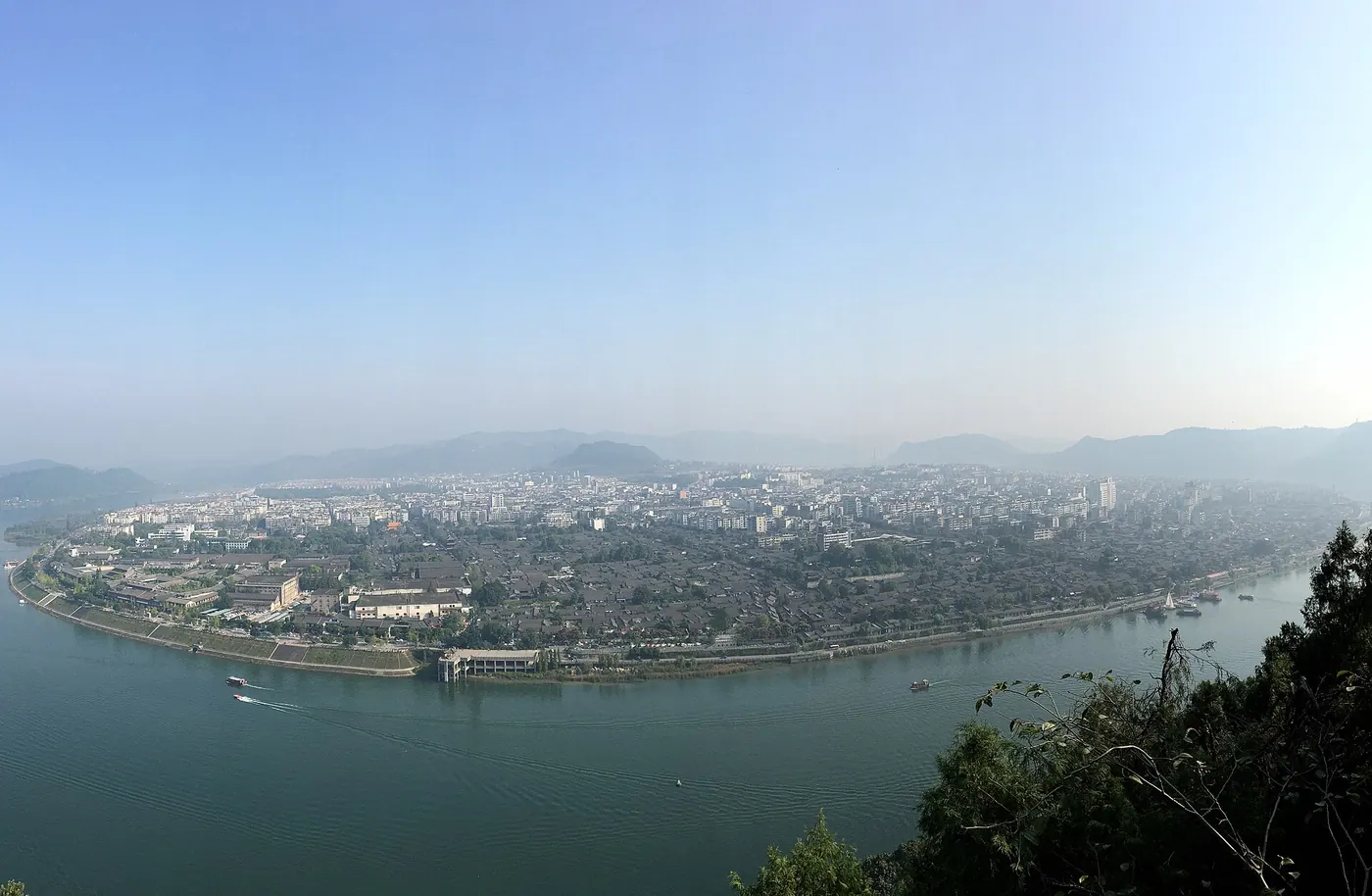
Save the river for the softer end of the day. The Jialing's bend gives Langzhong its shape, and a riverfront walk or a seat with a view is a better use of a late afternoon than another set of doorways. Rest properly in the middle of the day, especially in warmer months. If rain sets in, swap the walking loop for a covered teahouse and a short stretch of lane, or take a car to a viewpoint instead of climbing to one.
Day Three: Courtyards, Hillside Views and a Buffered Exit
Use the last day for whatever you skipped by choice: a courtyard temple, a small museum-style house, or a hillside view over the rooftops and the water. Morning is kinder for climbing and for photographs. Then stop sightseeing well before your train. The station sits outside the old quarter, traffic near the gates can be slow, and a generous buffer converts a stressful exit into a calm one. Leave shopping for the final lane rather than the final ten minutes, and confirm your departure time again the night before.
If steps are a problem, or the weather turns, build a lower-walking version of the day: one courtyard, a teahouse, a short riverside stretch, and a taxi to a viewpoint rather than a climb. Ask your host which lanes are gentlest — gate areas and some streets involve stairs, and the old town is not uniformly flat. Don't assume ramps, lifts or accessible toilets exist at heritage sites; ask, then adjust the plan rather than the expectation.
Breakfasts, Zhangfei Beef and Honest Vegetarian Planning
Breakfast is where Langzhong quietly wins. Expect northern Sichuan staples — noodles in chili oil, rice porridge, steamed buns, pickles and small plates — served fast and eaten early, often near the lanes rather than on a main road. Beef appears in several forms, including the cured, spiced beef sold locally under Zhang Fei's name; it is a food tradition and a souvenir, not a history lesson. If you avoid beef or chili, say so before ordering, ask what the broth and chili oil are made with, and check whether utensils and boards are shared.
Vegetarian eating is possible but needs planning. Broths, lard and meat-based seasonings turn up in dishes that look vegetable-only, and English menus are uncommon outside larger restaurants. Carry a written request in Chinese, ask about cross-contamination directly, and treat street stalls as conversations rather than transactions. Small noodle shops and breakfast stalls are often the easiest places to eat simply, while bigger restaurants may be more flexible about substitutions. Keep a backup option in mind and stay flexible about what a dish actually contains.
Wet Stone Lanes, Crowded Weekends and Common Planning Mistakes
Wet weather changes the old quarter. Stone lanes and steps become slick, so grip matters more than style, and a light rain jacket beats an umbrella in narrow passages. Summer is hot and humid with a real chance of heavy rain, while spring and autumn are generally more comfortable for walking. Riverfront weather can shift quickly, and holiday weekends fill the main lanes. Put the indoor half of your day in the middle hours, and keep the lanes for early morning and late afternoon when the light is better and the pace is slower.
The most common mistakes here are structural rather than incidental. Treating the trip as three full sightseeing days is more than this town needs; two full days plus an arrival afternoon works better. Buying a bundled attraction pass before checking current inclusions and whether they suit your interests is another. So is booking deep inside the lanes with heavy luggage, or constructing a district-to-district itinerary that spends the day in transit. Choose fewer stops, walk shorter loops, and never cut your departure buffer to fit in one more courtyard.
Further reading and onward planning
For background and current visitor notices, consult Nanchong Municipal Government: Langzhong Ancient City and Nanchong Municipal Government visitor portal. This guide was prepared on November 5, 2026. Background pages do not establish current entry hours, reservations, transport or weather-related access; confirm those with the venue and your accommodation for your dates. Cover photograph: Langzhong Ancient Town.jpg by Panzer VI-II, via Wikimedia Commons, licensed under CC BY-SA 4.0. This adapted photograph is shared under the same licence.
To extend the trip, compare Chengdu and Chongqing's city route and Hanzhong's Han-history route. For railway planning, see China by high-speed train, and always match station names to the ticket you actually book.