Choose the route shape before choosing every attraction
A first China itinerary becomes much easier when you decide what the trip is really about. History and imperial landmarks point toward Beijing and Xi'an; food and relaxed neighborhood life point toward Chengdu, Guangzhou, or Shanghai; landscapes may call for Guilin and Yangshuo, Zhangjiajie, Yunnan, or Huangshan. Trying to include every famous city usually creates long transfer days and a trip remembered mainly through railway stations. Pick one main theme, one contrasting city, and a route that works from the airport where you arrive to the airport where you leave.
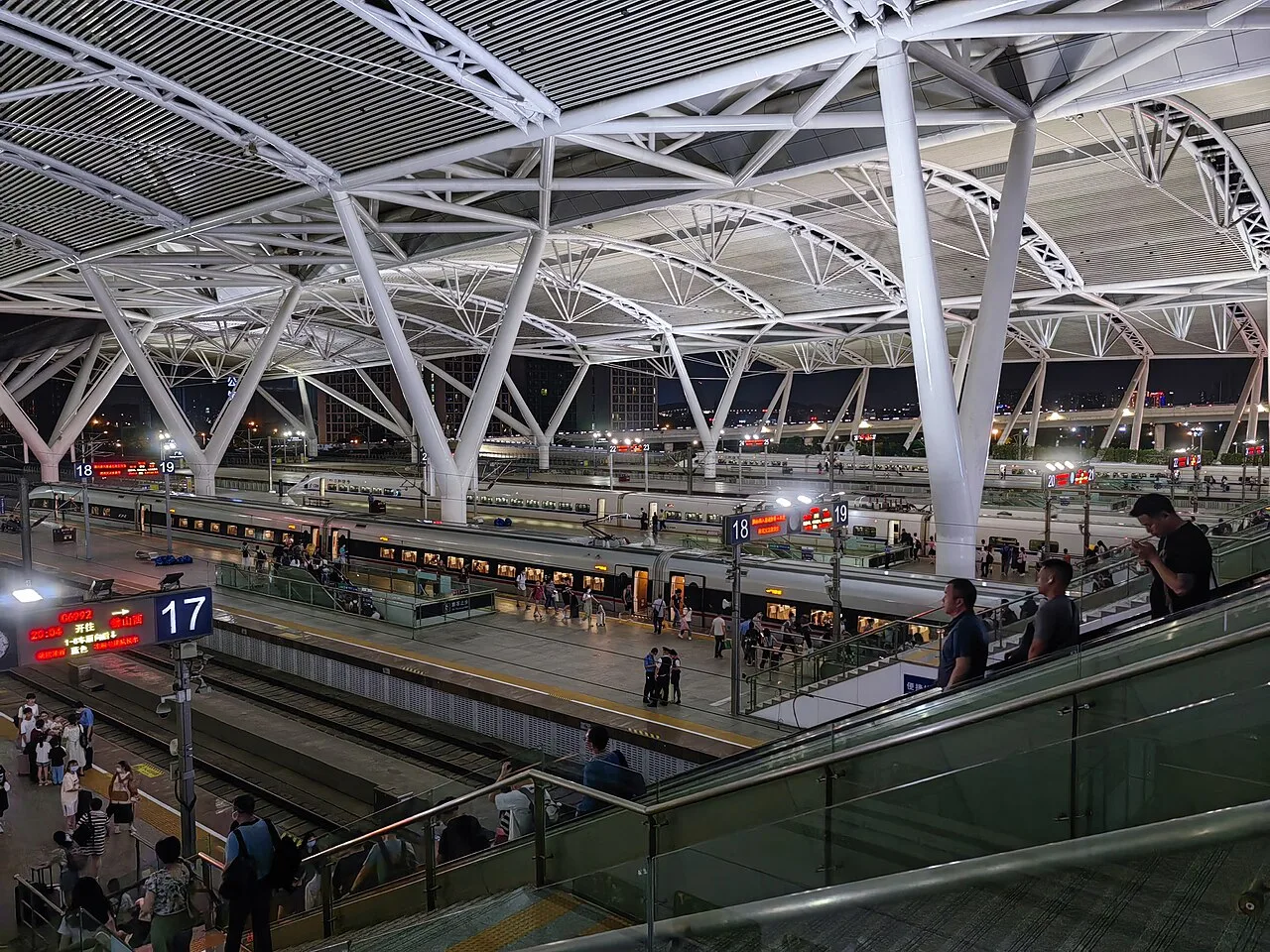
Use nights rather than city names as the basic planning unit. Two nights usually gives you one arrival period and one full sightseeing day, while three or four nights creates room for a slower neighborhood, a food experience, or a weather change. The China high-speed train guide explains why station choice and security time matter, and the China travel budget guide helps compare a route with several short train rides against one with a domestic flight.
A practical 7-day China itinerary
For seven days, choose two cities and make one of them your arrival or departure city. The classic history route is Beijing for four nights and Xi'an for two nights, with the final night placed according to your flight. Beijing gives you the Forbidden City area, the Great Wall, hutong neighborhoods, temples, and a broad choice of indoor alternatives. Xi'an adds the Terracotta Warriors, the city wall, Muslim Quarter food, and a different regional history without requiring another flight.
A softer east-coast version is Shanghai for four nights, followed by Hangzhou or Suzhou for two nights. This route keeps transfers short and balances a major city with gardens, tea, canals, or lakeside walks. Travelers who care most about food can choose Chengdu for three nights and Shanghai for three nights, but they should check flight timing and avoid treating Chengdu as a quick overnight stop. Our Shanghai first-time itinerary, Beijing itinerary, and Hangzhou guide provide the detailed day plans behind these combinations.
A balanced 10-day route: Beijing, Xi'an, Chengdu, and Shanghai
Ten days is long enough for four strong bases if you accept that each city needs a different pace. A workable outline is Beijing for three nights, Xi'an for two, Chengdu for two, and Shanghai for two, with the remaining night used where your international flight makes the departure easiest. This route moves from northern imperial history to the Silk Road legacy, Sichuan food and pandas, and a modern east-coast finish. It is ambitious, so book the long train segments early and avoid placing a mountain day or a late-night food tour immediately before a departure.
The route can be made calmer by dropping Chengdu or Xi'an and adding the spare nights to Beijing and Shanghai. If pandas and Sichuan food are essential, keep Chengdu and shorten the number of Beijing ticketed sights rather than rushing through all four cities. If the Terracotta Warriors are a priority, give Xi'an a full day plus a second evening. The China for first-time visitors 10-day guide gives a broader version of this route, while the city guides help you adjust it for your interests and energy.
A comfortable 14-day route with room to breathe
Fourteen days allow the classic Beijing-Xi'an-Chengdu-Shanghai sequence to feel like a trip rather than a checklist. A comfortable version gives Beijing four nights, Xi'an two, Chengdu three, Shanghai four, and one flexible night for the city that best matches your international flight. Add one day trip only after the core cities are secure. Beijing can use the extra time for the Summer Palace, a less rushed Great Wall plan, or a museum morning; Shanghai can use it for a food neighborhood, a riverfront evening, or a short Hangzhou or Suzhou visit.
Another 14-day option follows one region more deeply: Shanghai, Suzhou, Hangzhou, Huangshan, and Guangzhou or Shenzhen. This reduces climate and transport changes while giving you gardens, tea country, mountain scenery, and southern food culture. A landscape extension such as Guilin and Yangshuo can replace Huangshan, but it should be treated as a regional pair with its own transfer time. Our autumn alternatives guide compares several places that work well when you want to move beyond the most repeated city circuit.
How to connect the major cities efficiently
High-speed rail is usually the most comfortable choice between Beijing and Xi'an, Xi'an and Chengdu, or Shanghai and Hangzhou. The journey itself can be part of the experience, but the station may be far from the historic center, so calculate hotel-to-station time on both ends. For very long distances, compare a flight with a train by looking at door-to-door time, airport transfers, baggage rules, and the risk of a late arrival. A cheap flight is less useful if it removes a half day and forces an expensive airport hotel.
Keep the route moving in one broad direction when possible. Beijing to Xi'an to Chengdu to Shanghai is easier to understand and usually less tiring than jumping north, south, and east. If your international tickets are open-jaw, arrive in Beijing and leave from Shanghai; if they are round-trip to one airport, add the return transfer as a real itinerary day. Save every station name, hotel address, and attraction confirmation in Chinese as well as English before a travel day.
Match each city to the right number of nights
Beijing deserves at least three full days for a first visit because its main sights are spread out and many require timed entry. Xi'an works well with two nights when the Terracotta Warriors are a priority, although a third night makes the food and old-city experience much more relaxed. Chengdu is best with three nights if you want pandas, teahouses, Sichuan food, and a slower city day; two nights is possible only when you accept a focused plan. Shanghai needs three or four nights for neighborhoods, museums, skyline views, and a possible nearby water-town or Hangzhou day.
Do not count an arrival day as a full sightseeing day when it includes immigration, a long airport transfer, hotel check-in, and a train. Jet lag can also make a packed first morning unrealistic. Put the most important ticketed attraction after one recovery night where possible, then place flexible markets, parks, or food walks around it. Our China attraction ticket guide covers the reservations that need a passport and the details that can derail a tight schedule.
Build routes around seasons and holiday pressure
Spring and autumn are often comfortable for a multi-city route, but China is too large for one nationwide weather forecast. Beijing can have cool mornings while Chengdu is damp, Shanghai is changeable, and a mountain extension is much colder after sunset. Summer may favor northern or highland stops but bring heat and storms elsewhere; winter can make Beijing clear and atmospheric while reducing daylight for outdoor scenery. Check local forecasts for every stop instead of packing for the first city only.
Major holidays change the practical shape of a route. During the October holiday, railway stations, popular attractions, and hotel districts can be crowded even when a destination is normally easy. Our China October holiday guide explains how to compare dates, while the China travel safety guide covers the documents, payment backups, and everyday habits that make busy travel days easier.
Book in the order that protects your route
First confirm international arrival and departure cities, then check the long-distance train or flight connections between the main bases. After that, reserve hotels that clearly accept foreign guests and are close to a metro station or practical transfer point. Only then should you buy dated attraction tickets and add optional day trips. This order prevents a famous attraction from forcing you into an awkward hotel or an expensive cross-country detour.
Keep at least one flexible block every three or four days. It can absorb rain, jet lag, a delayed train, a sold-out ticket, or the simple discovery that you want another evening in a neighborhood. The China hotel booking guide explains foreign-guest registration and address checks. For connectivity and ride-hailing, review the China SIM and eSIM guide before departure so a route change does not depend on finding a shop after arrival.
Common itinerary mistakes to avoid
The most common mistake is treating a map as a timetable. A city that looks close may involve a distant railway station, a large airport, security checks, and a long hotel transfer. The second is booking too many one-night stays. One night rarely gives you meaningful time in a place after transport, and it increases the chance that a small delay affects the next three reservations. Two nights is a useful minimum for a major city; three is often the point at which the trip starts to feel human.
Another mistake is filling every day with headline attractions. Keep a neighborhood walk, a food market, a public park, or a museum as a satisfying backup. Ask whether an attraction needs a timed reservation, whether the route includes stairs or long exposed walks, and whether the final entry gate is different from the location shown on a map. A realistic itinerary leaves you enough energy to notice the city between the landmarks.
A final route-planning checklist
Before paying for non-refundable reservations, write the route in a simple table: date, city, hotel, arrival station or airport, one anchor activity, and a backup activity. Check that every hotel address is available in Chinese, that your passport name matches transport bookings, and that you have a second payment method. Read the cancellation rules for trains, hotels, and attraction tickets, then add a buffer for local transfers and weather changes.
Finally, ask whether the route gives you the trip you want. A seven-day plan with two cities can be richer than a seven-city list. A 14-day plan can support a private guide, a cooking class, or a slower day that never appears in a search result. If you want help fitting cities, food, mobility needs, or family preferences together, a local planning or guiding service can turn this framework into a route with realistic timing and support on the ground.
Cover photo source
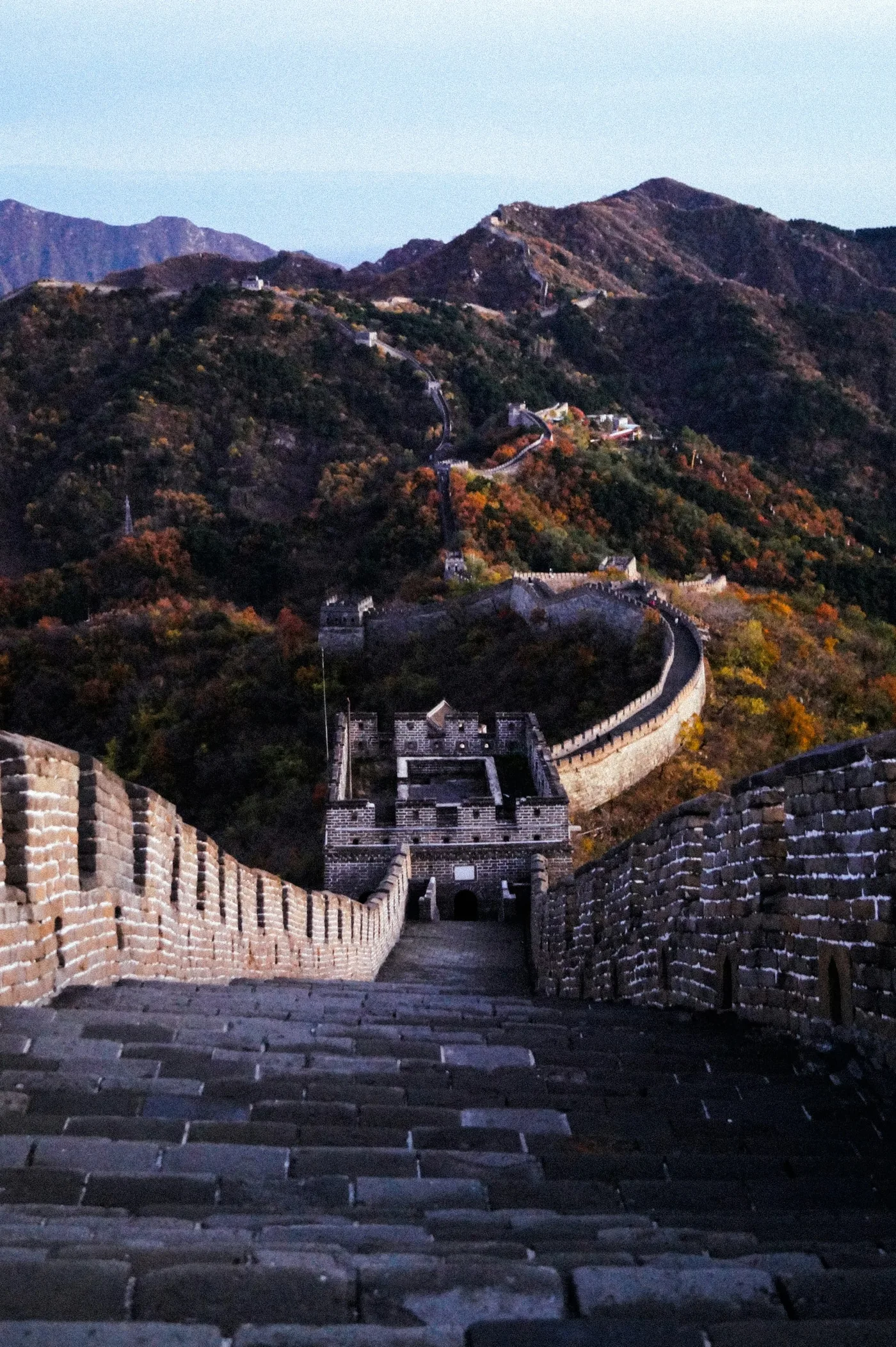
Cover photo: A view of the Great Wall of China via Unsplash. The image is scaled and converted to WebP for responsive display.