How to use this list during the autumn travel peak
The October holiday period can make a normally manageable attraction, railway station, or hotel district feel much busier. Exact public-holiday dates and adjusted working days vary by year, so check the current official calendar before fixing flights. Our China October holiday guide explains how to compare shoulder days, reserve high-demand transport, and leave room for changing queues and weather.
A quieter alternative works best when you choose the right scale. No famous Chinese destination is guaranteed to be calm during a national travel rush, and a scenic village can become crowded at the same time as a major city. Look for a destination where you can walk, eat, visit a museum, or take a short local train even if the headline viewpoint is busy. Book a central base, plan one anchor activity per day, and treat the list below as a set of building blocks rather than a race through seven provinces.
1. Suzhou: gardens, canals, and an easy Shanghai contrast
Suzhou is a strong choice for travelers who want classical gardens and water-town atmosphere without adding a complicated domestic flight. The city is close to Shanghai by high-speed rail, yet its garden lanes, canals, silk traditions, and slower breakfast rhythm create a clear contrast with a megacity. Autumn is generally comfortable for walking, although rain and temperature changes are possible, so check the forecast before committing to a full outdoor day.
Base yourself near a metro station in the old city, then pair one garden with Pingjiang Road or a quieter canal neighborhood rather than stacking several ticketed gardens. Visit early, leave time for a long lunch, and use the afternoon for Suzhou Museum or a tea house. If you want a half-day outside the center, compare official transport times for Tongli or another water town and go on a weekday when possible. Suzhou suits first-time visitors who want culture, photography, and gentle walking; it is less ideal for travelers who need dramatic mountain scenery every day.
2. Quanzhou: maritime history, temples, and everyday Fujian life
Quanzhou rewards travelers who prefer living history to a single monumental sight. Its maritime-trade heritage appears through temples, old streets, small museums, family businesses, and different religious traditions in a compact urban area. Autumn can still be warm and humid in Fujian, with rain possible, so schedule the most exposed walking for the morning and keep a museum, café, or food stop as a midday reset.
Use Quanzhou Railway Station or the city airport as your arrival reference, then verify the final taxi or bus connection to your hotel. A practical two-day plan could combine Kaiyuan Temple and the historic lanes on day one, followed by the Maritime Museum, Qingjing Mosque area, or a nearby coastal stop on day two. Quanzhou is a good fit for repeat China visitors, architecture and food travelers, and anyone comfortable exploring without a landmark checklist. It is quieter in feel because the experience is distributed across ordinary streets, but individual temples and popular food stalls can still be busy during the holiday.
3. Guilin and Yangshuo: karst scenery with a flexible base
Guilin and Yangshuo offer the classic limestone landscape many visitors associate with southern China, but the region can be enjoyed without joining the most compressed tour route. Guilin is useful for rail connections, museums, lakes, and a first night of recovery; Yangshuo gives you riverside scenery, cycling, village roads, and access to dramatic karst hills. Autumn conditions vary, and mist or rain can make the landscape atmospheric while reducing visibility, so avoid building the entire visit around one perfect panorama.
For a three-night stay, sleep in Guilin on arrival, transfer to Yangshuo after checking current rail and road options, and keep one day for a short Li River or Yulong River experience that matches the weather. Choose a guide, boat, or bike route with clear pricing and pickup details, and be cautious of unofficial touts at transport hubs. This pairing suits photographers, couples, and active travelers who enjoy scenery more than dense city sightseeing. Families and visitors with limited mobility should ask about steps, boat boarding, cycling surfaces, and road transfers before booking.
4. Kunming: mild weather, markets, and a comfortable Yunnan gateway
Kunming is often called a spring city because its climate is comparatively mild, which makes it a useful autumn base when northern destinations turn cool. The city combines lakeside parks, flower and produce markets, Yunnan restaurants, museums, and a broad range of onward transport. It may not deliver one instantly recognizable landmark, but that is precisely its strength during a crowded season: you can fill a day with local life instead of waiting for one gate or viewpoint.
Stay near a practical metro line or central neighborhood, then spend the first day around Green Lake, a market, and one museum or food street. Use a second day for the Western Hills or the Stone Forest only after checking official opening information, weather, and the complete door-to-door transfer. Kunming suits travelers who value food, everyday urban scenes, and a slower acclimatization before heading deeper into Yunnan. It also works well for a longer trip, but high-altitude or mountain extensions need a separate weather and transport check rather than an assumption that all of Yunnan feels the same.
5. Dali: lake views, old-town walks, and a softer pace
Dali is a good autumn alternative for travelers who want mountains and a lake but do not need a tightly scheduled sightseeing circuit. The old town provides cafés, local food, and easy evening walks, while Erhai Lake and the Cangshan range create a larger landscape around the base. Conditions can change quickly around the mountains; bright sun, wind, rain, and cooler evenings can all occur in one visit, so pack layers and do not treat a cloud-covered summit as a failed day.
Arrive through Dali Railway Station or the local airport, then confirm the road time to your accommodation before choosing a hotel inside or outside the old town. A relaxed three-day outline could use day one for the old town and nearby villages, day two for a weather-appropriate Erhai loop, and day three for a short cable-car or hiking plan only if current conditions and your fitness make it sensible. Dali suits independent travelers, couples, and people who want time to read, eat, or work remotely. It is a poor match for a one-night stop squeezed between long transfers because its appeal depends on leaving space.
6. Qingdao: coastal walks, beer culture, and northern autumn air
Qingdao gives a China itinerary a coastal change of texture: German-era streets, red-roofed neighborhoods, sea promenades, seafood, and a recognizable local beer tradition. Autumn often brings clearer, cooler walking weather than the humid summer, though strong wind and short rain events are possible. The city can still attract holiday visitors, but its sights are spread along a long waterfront and through several neighborhoods, giving you more ways to change the plan when one promenade is crowded.
Base yourself near the old town, a metro station, or a district that makes your departure route simple. Spend one morning on the historic hill streets and a museum, then use the afternoon for the waterfront and a seafood meal; reserve a second day for Laoshan only after checking weather, trail conditions, and the transport connection. Qingdao fits food travelers, architecture fans, and visitors who enjoy a city that feels different from inland China. If you have allergies, confirm seafood ingredients and cross-contact clearly, and keep a translation note ready for restaurants.
7. Huangshan and nearby villages: mountain color with a realistic plan
Huangshan is not a secret destination, but it can replace a more congested mountain headline when you plan around access and stamina. The mountain itself is famous for granite peaks, pine trees, and changing light, while nearby Hongcun and Xidi offer historic village architecture. Autumn color and clear views are never guaranteed on a specific day. Fog, rain, wind, and trail restrictions can change the experience, so check the official scenic-area notice before leaving your hotel.
Use Huangshan North Railway Station as the planning anchor, then confirm the bus or taxi time to Tangkou or your chosen village. A sensible route gives the mountain at least one full day, keeps the night before the climb nearby, and avoids an immediate long-distance departure afterward. Cable cars and main trails still involve queues and steep steps, so bring proper shoes, water, layers, and a backup lowland plan. Huangshan is best for active travelers and landscape lovers; it is not the right choice for anyone who wants a completely flat, spontaneous city break.
How to connect two or three of these destinations
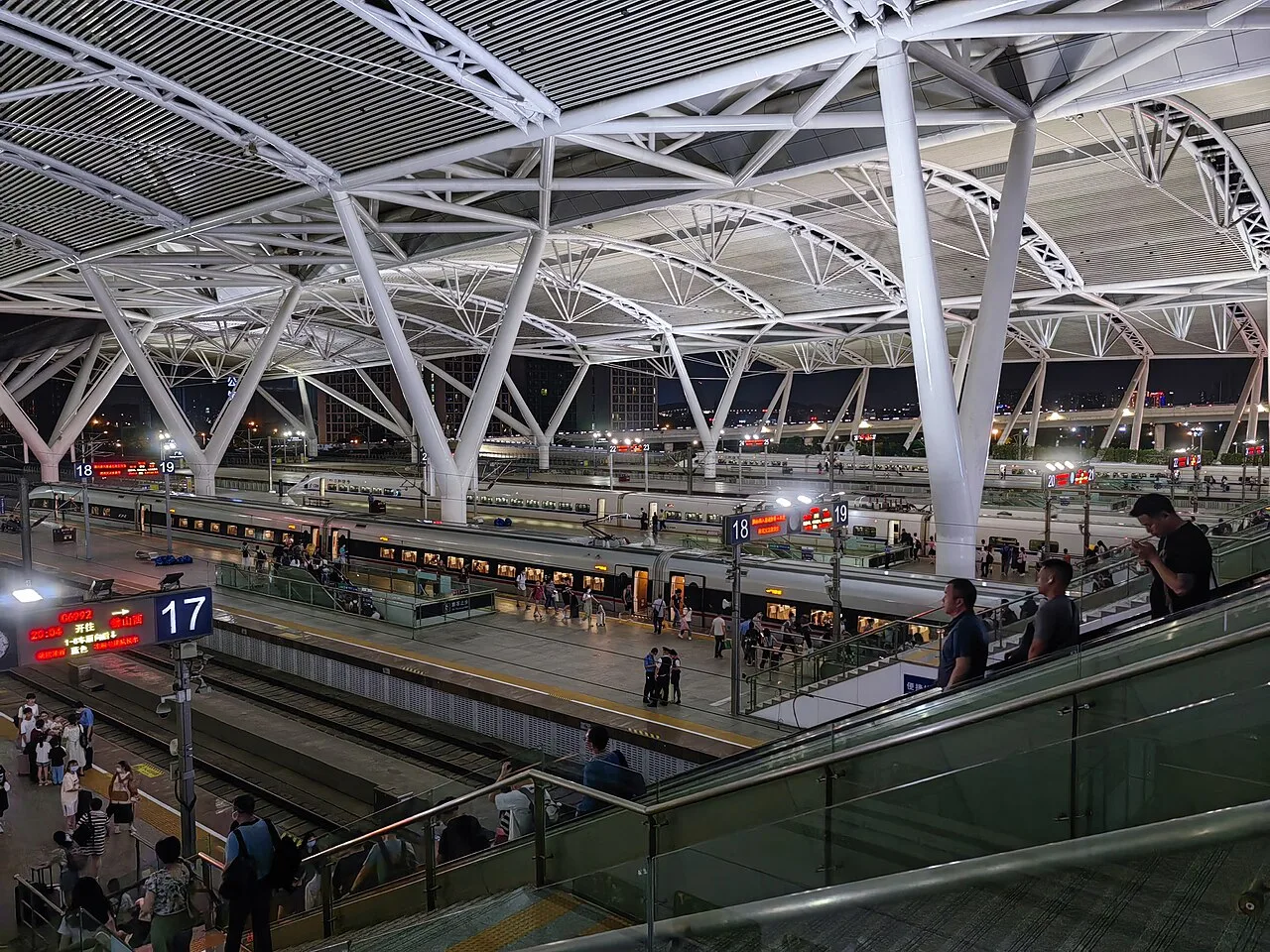
The easiest autumn route usually has one regional theme. Suzhou and Qingdao can be paired with major east-coast cities if your flights already use Shanghai or Beijing, while Kunming and Dali form a natural Yunnan sequence. Guilin and Yangshuo should be treated as one landscape region, and Quanzhou works well as a focused Fujian stop rather than a rushed add-on to every southern city. Check the exact railway station, road transfer, and service frequency before buying a chain of tickets. Our China high-speed train guide covers station names, passport details, and the transfer buffer that maps often hide.
For a seven-day trip, choose one pair and keep the rest for another visit: Suzhou plus Shanghai, Kunming plus Dali, or Guilin plus Yangshuo are all coherent. For ten to twelve days, add one city with a different atmosphere, such as Qingdao after an inland route or Quanzhou after a Fujian coast arrival. Avoid changing hotels every night. The China hotel booking guide explains how to confirm foreign-guest check-in, addresses, luggage storage, and early departures before paying.
Budget for the whole route rather than comparing only room prices. Mountain transfers, attraction reservations, cable cars, taxis, and a spare weather day can change the total more than a small difference in nightly rates. Use our China travel budget guide to set a daily range, then keep a contingency for a replacement train or a last-minute indoor activity. For any garden, museum, mountain, or boat that uses dated entry, read the current rules in our China attraction ticket guide before making a non-refundable plan.
Autumn packing and crowd-smart habits
Autumn is not one national weather pattern. Northern coastal air can feel crisp, southern cities can remain warm, and mountain temperatures can drop quickly after sunset. Pack light layers, comfortable shoes with grip, sun protection, a compact umbrella, and any medication you need. Save hotel addresses, station names, attraction confirmations, and allergy phrases in both English and Chinese before a busy travel day. A backup payment method is sensible; our China payment guide explains how to prepare more than one option.
Reserve only the experiences that truly need a time slot, then leave open blocks for neighborhoods, markets, tea, or a long lunch. Start popular outdoor visits early, move indoors during the busiest or hottest hours, and recheck the forecast and official notices each morning. A destination feels quieter when you are not trying to do its most famous activity at the same time as everyone else. The goal is a trip with room to notice autumn light, local meals, and ordinary streets, not a contest to prove that you avoided every queue.
Cover photo credit
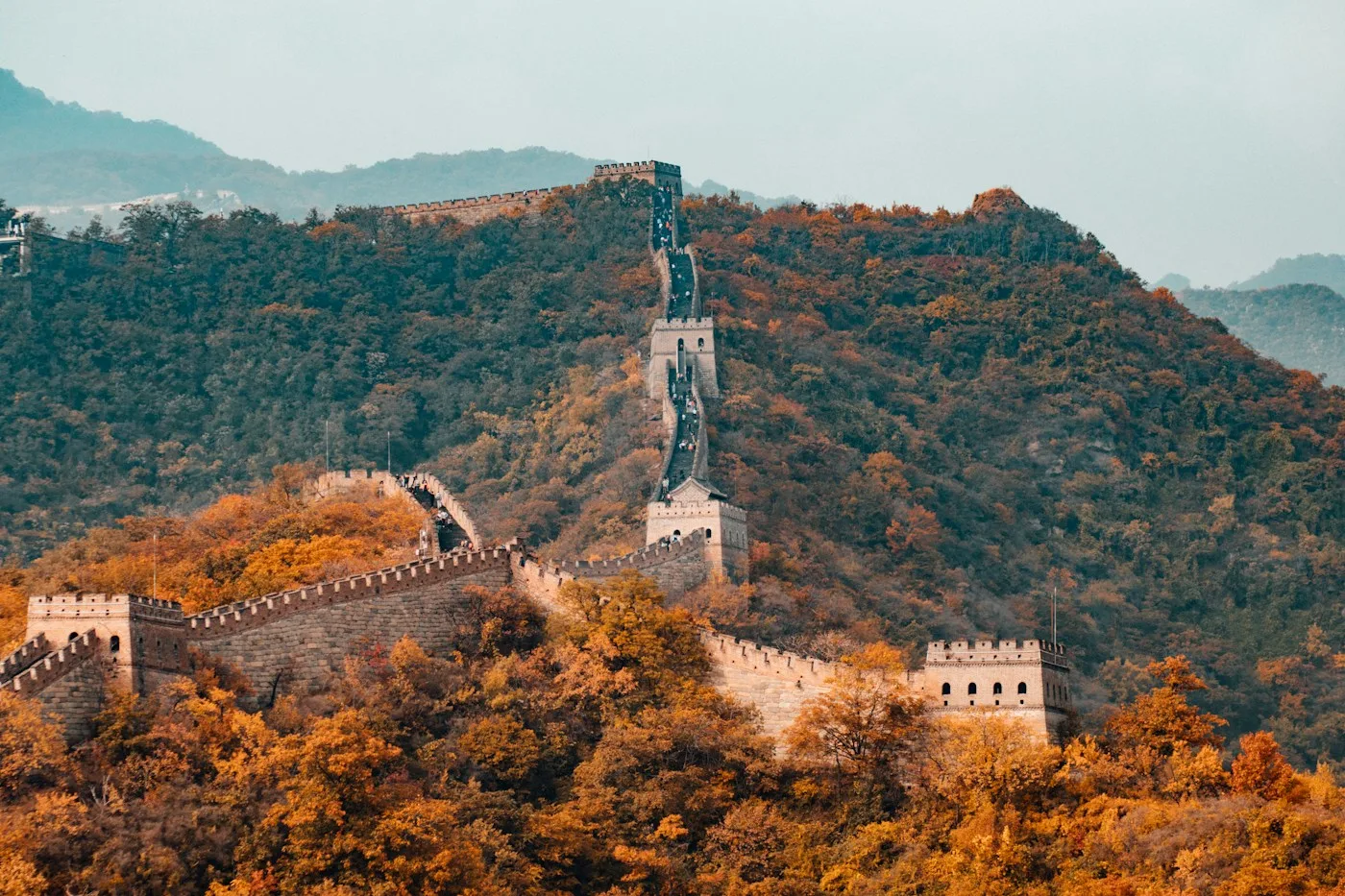
Cover photo: Autumn landscape in Xitai Mountain of Xiaowutai Mountain by Sun Jiao (Interaccoonale), via Wikimedia Commons, licensed under CC BY-SA 4.0. The image is scaled from the original and converted from JPEG to WebP for responsive display; this adapted version is shared under the same license.