Is Changshu the Right Jiangnan Stop for You?
Think of Changshu as a Jiangnan city rather than a Jiangnan attraction. Suzhou rewards travelers who want densely packed classical gardens and a museum quarter; Nanxun and Wuzhen reward those who want canal-lane scenery and a compact historic core. Changshu is looser. Its identity comes from Yushan's wooded slopes, the Shanghu lake and wetland area west of town, small gardens tucked into the old center, and food built on river and lake ingredients. Official tourism material presents Yushan and Shanghu as parts of one resort cluster, alongside gardens and the old city, but the sites themselves are distinct and separately visited.
This is a good fit if you have already seen Suzhou or the water towns and want somewhere quieter, greener and more lived-in, or if you enjoy a hill walk followed by a lakeside afternoon. It suits travelers who are comfortable using taxis or local buses between clusters and who like planning around what is actually open. Skip it if your trip is short and you want headline sights within walking distance, if stairs and uneven stone are a problem, or if you expect a canal town's continuous photogenic streets. Changshu's pleasures are spread out.
Arrival, Rail Stations and Choosing a Base
Changshu has its own rail station, served by regional trains; confirm the exact station name, the service and the origin that fit your route before booking, since not every train from Shanghai, Suzhou or Nanjing stops where you might expect. Changshu is a county-level city administered by Suzhou, not a neighborhood of Suzhou's city center, so do not plan to step off a Suzhou metro train and walk into town. On arrival, expect a taxi or ride-hailing transfer to your hotel, and verify the pickup point inside the station.
For two nights, base yourself once, in or near the old center, where gardens, market streets and evening restaurants sit within a walk or a short ride, and where taxis to both Yushan and Shanghu are easy to find. A lakeside hotel only makes sense if you intend to spend most of your time at Shanghu. Confirm that your booking accepts international guests, and ask your hotel to write the Chinese names of your key destinations, which helps with drivers and signage.
Day One: Old Center, Small Gardens and Market Streets
Use your first afternoon for the old center at an easy pace. Pick one or two small classical gardens rather than trying to see everything; Zeng Garden and Yan Garden are the kind of compact, unhurried places that suit a two-day trip, though you should check current opening status before building a day around any single site. The pagoda park near the center makes a gentle add-on. Keep the walking short and leave room for a tea stop. This is a day for orientation, not mileage.
In the late afternoon, follow the market streets rather than a checklist. Buy a few snacks, look at what is in season, and notice how the city works when it is not performing for visitors. The Qing court scholar-official Weng Tonghe is the local historical figure you are most likely to meet on signage; his residence is a modest stop rather than a headline, so treat it as an optional half hour if it happens to be open. Eat dinner near your hotel and sleep early for Yushan.
Day Two: One Yushan Ridge, Then Shanghu as a Separate Trip
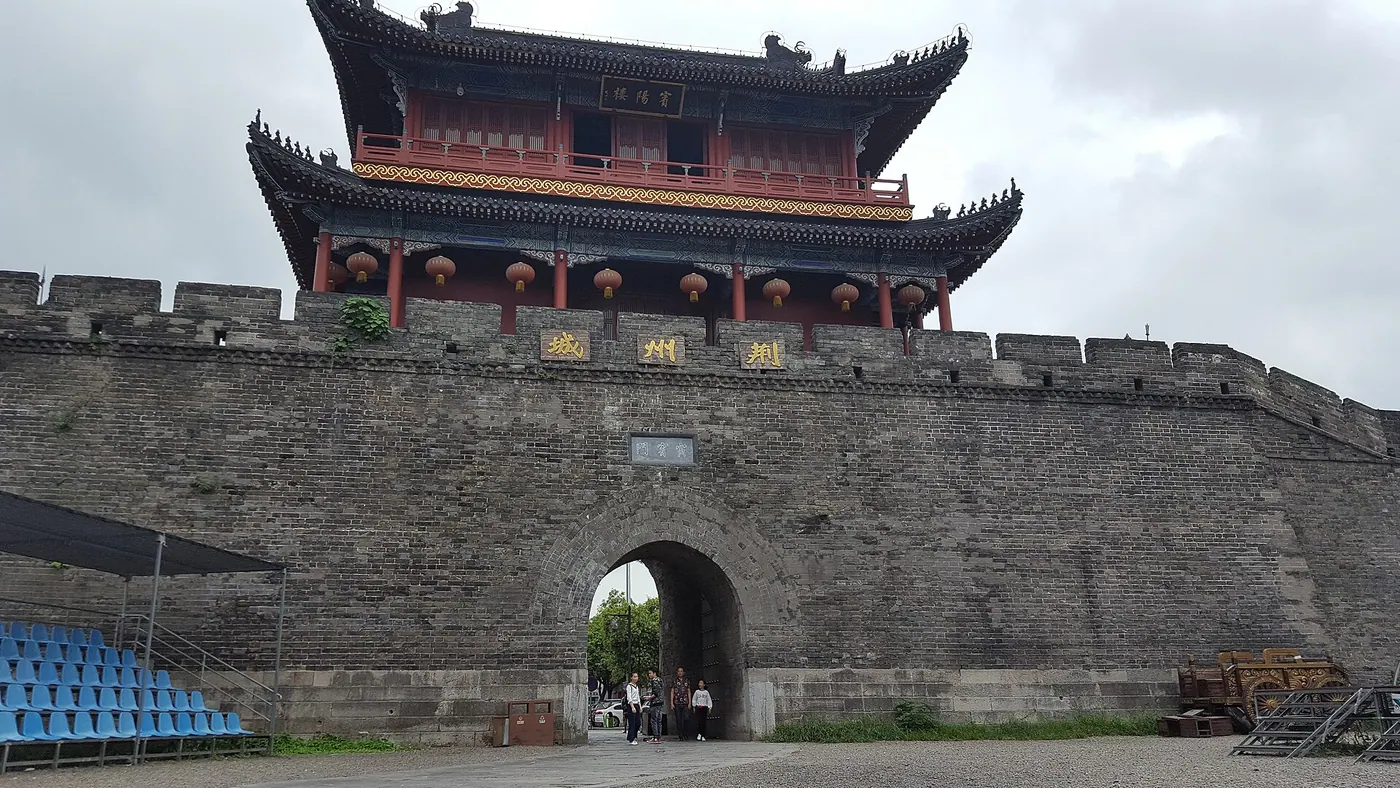
Give Yushan a morning, and give it one section. The hill is wooded and steep in places, with temple buildings, a rebuilt stretch of old wall and forest paths among its draws; stairs and uneven stone are part of the experience, so wear shoes with grip and skip the climb in rain. Choose either a temple-focused route or the wall-and-forest route rather than trying to link everything. Do not assume a continuous, easy footpath connects the whole scenic district: the official framing is a cluster of separate spots, and you will backtrack.
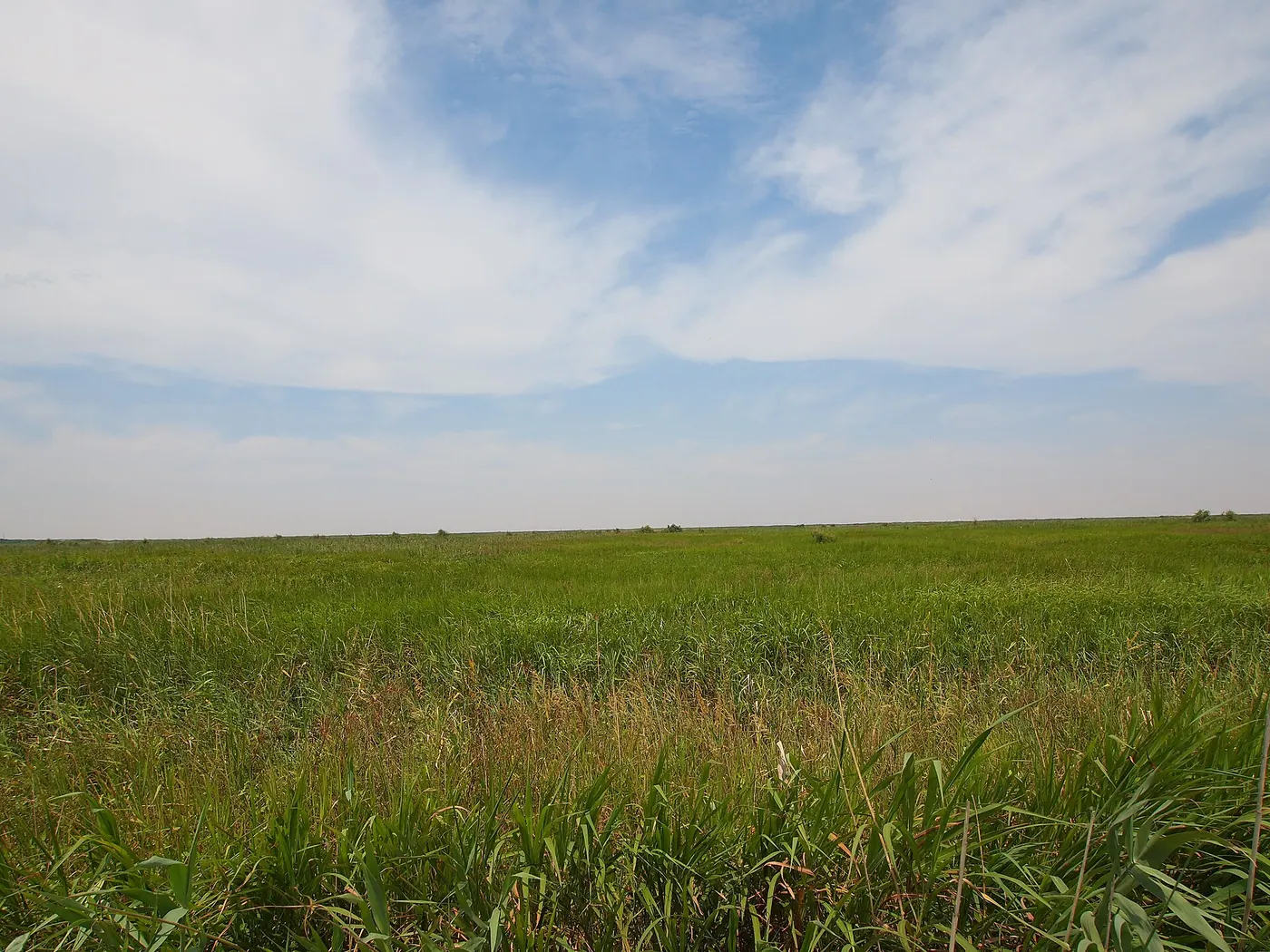
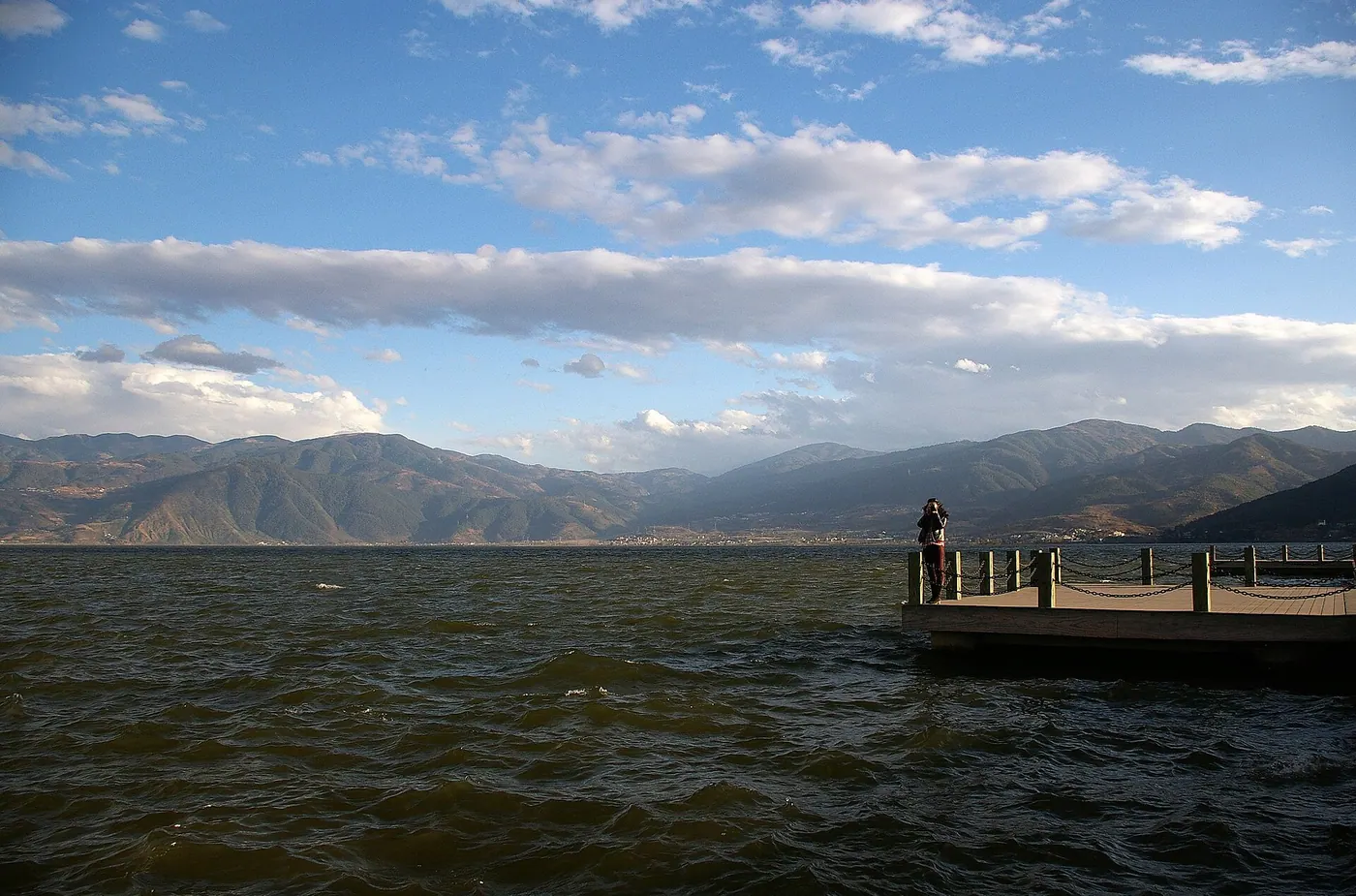
After lunch, change scenery completely and take a taxi or local bus to Shanghu, west of the city. Think of it as a separate trip, not a continuation of the hill. The area is built around water, reed beds and wetland edges, with flat promenades that suit slow walking and late-afternoon light. Check the current entrance arrangements and any ticket or reservation requirements before you go, since lake parks can change access seasonally. Return to town for dinner rather than squeezing in another stop.
Rain Plans, Low-Walking Alternatives and the Optional Third Day
Rain does not ruin Changshu, but it reorders it. Wet stone on Yushan is genuinely slippery, so move the hill to another morning or drop it, and put a museum, a tea house, one small garden and a covered market into the same afternoon instead. Shanghu holds up in grey weather if you have a waterproof layer and do not mind a shorter walk. Keep the plan flexible enough to swap days: the hill wants dry hours, the lake does not.
Low-walking travelers can still fill two days comfortably. Pair a flat lake viewpoint at Shanghu with one compact garden and a long lunch, and skip the climb entirely; a taxi between the two keeps the day short and calm. If you have a third morning, either return to the old center slowly or consider Shajiabang, a separate transfer with a marsh-and-heritage theme rather than a hill or lake extension. Verify its current operation before committing. Otherwise, continue onward: two full days already cover the essentials.
Eating Well in Changshu, and the Planning Mistakes to Avoid
Changshu eats like Jiangsu: freshwater fish and shrimp, river crab in autumn, bamboo shoots, greens, braised dishes and gentle, slightly sweet seasoning in the Huaiyang manner. Menus shift with the season, and the best meals are often simple plates of whatever is fresh that week. Ask whether fish is farmed or wild rather than assuming a lake-caught story, and check for bones in whole fish and for heat levels if you are sensitive to spice. Order one shared fish, one vegetable and one braised dish to read the kitchen's style.
Most planning mistakes here come from treating the destination as smaller than it is. Yushan and Shanghu are not one walkable park, and the move between them needs a vehicle or a bus, not a stroll. Changshu is not reached on Suzhou's urban metro, and it does not pair comfortably with a full Suzhou garden day. Spring flowers and autumn foliage peak on their own schedule, so leave slack. Above all, confirm opening status and transport in the week you travel, and be willing to let one plan go.
Further reading and onward planning
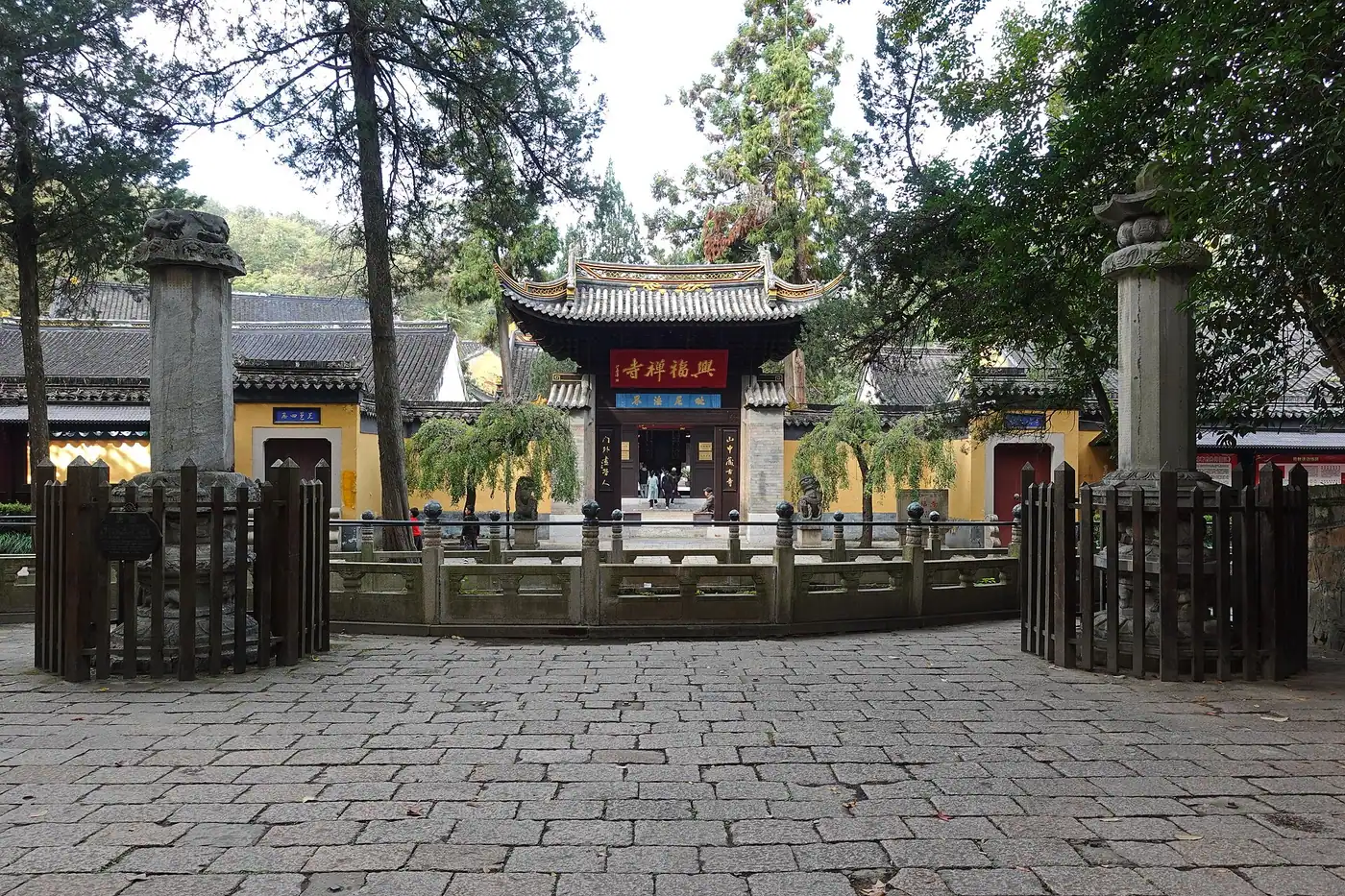
For background and current visitor notices, consult Suzhou Municipal Government: Yushan-Shanghu Tourist Resort and Suzhou Municipal Government: Shanghu Town. This guide was prepared on November 5, 2026. Background pages do not establish current entry hours, reservations, transport or weather-related access; confirm those with the venue and your accommodation for your dates. Cover photograph: Xingfu Temple in Changshu 20241110.jpg by 颐园居, via Wikimedia Commons, licensed under CC BY-SA 4.0. This adapted photograph is shared under the same licence.
To extend the trip, compare Suzhou's three-day garden route and Wuxi and Lake Tai. For railway planning, see China by high-speed train, and always match station names to the ticket you actually book.