Who Baoji Suits, and When to Choose Elsewhere
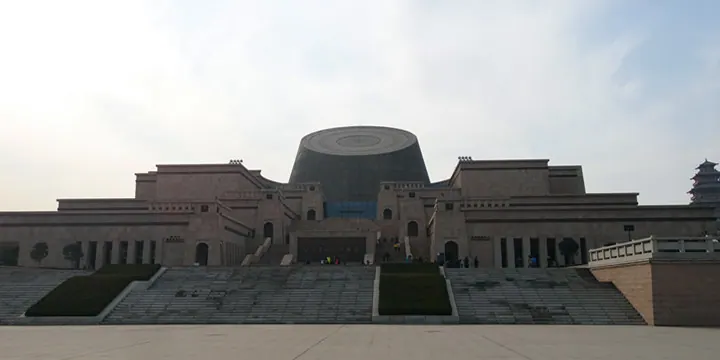
Baoji rewards travelers who would rather spend two hours with a dozen bronze vessels than tick off a skyline. The city's core appeal is the Baoji Bronze Ware Museum on Shigushan, where ritual vessels and their inscriptions open a window on how power, ancestry and banqueting were organized in early China. If your interest runs to metalwork, inscriptions and the slow reading of objects, three days here feels generous rather than padded. Couples and solo travelers who like a river at dusk and a good bowl of noodles will settle in quickly.
Choose elsewhere if your image of Shaanxi is a dense run of dynastic monuments: Xi'an does that better and with far more English-language support. With only one spare day, choose the museum rather than this full itinerary. If mountain scenery is your main aim, plan Taibai Mountain as a separate trip with its own logistics and weather considerations. And if museums leave you cold, be honest about it. The city's strongest card is a gallery, not a spectacle.
Arrival, Two Stations and the Right Base
Baoji has two stations that are easy to confuse when booking. Baoji South handles high-speed services; Baoji serves conventional rail. They are different buildings in different parts of the city, so read the station printed on your ticket rather than the city name, and check current services before you fix a plan around a particular train. Whichever you use, treat the arrival day as logistics only. A hotel in the central city, within reasonable reach of the river and the museum road, makes the next two mornings simple.
Famen Temple is often where people mis-book. It sits in Fufeng county, well outside central Baoji, so a hotel chosen for the excursion usually leaves you far from the museum and the food you came for. Base in the city, then travel out on the day you have set aside. Local buses and taxis cover the short hops and the distances are modest; what matters is leaving slack around check-in, and asking your hotel how long the museum run takes at the hour you intend to go.
Day 1: River Air, Noodles and an Easy First Evening
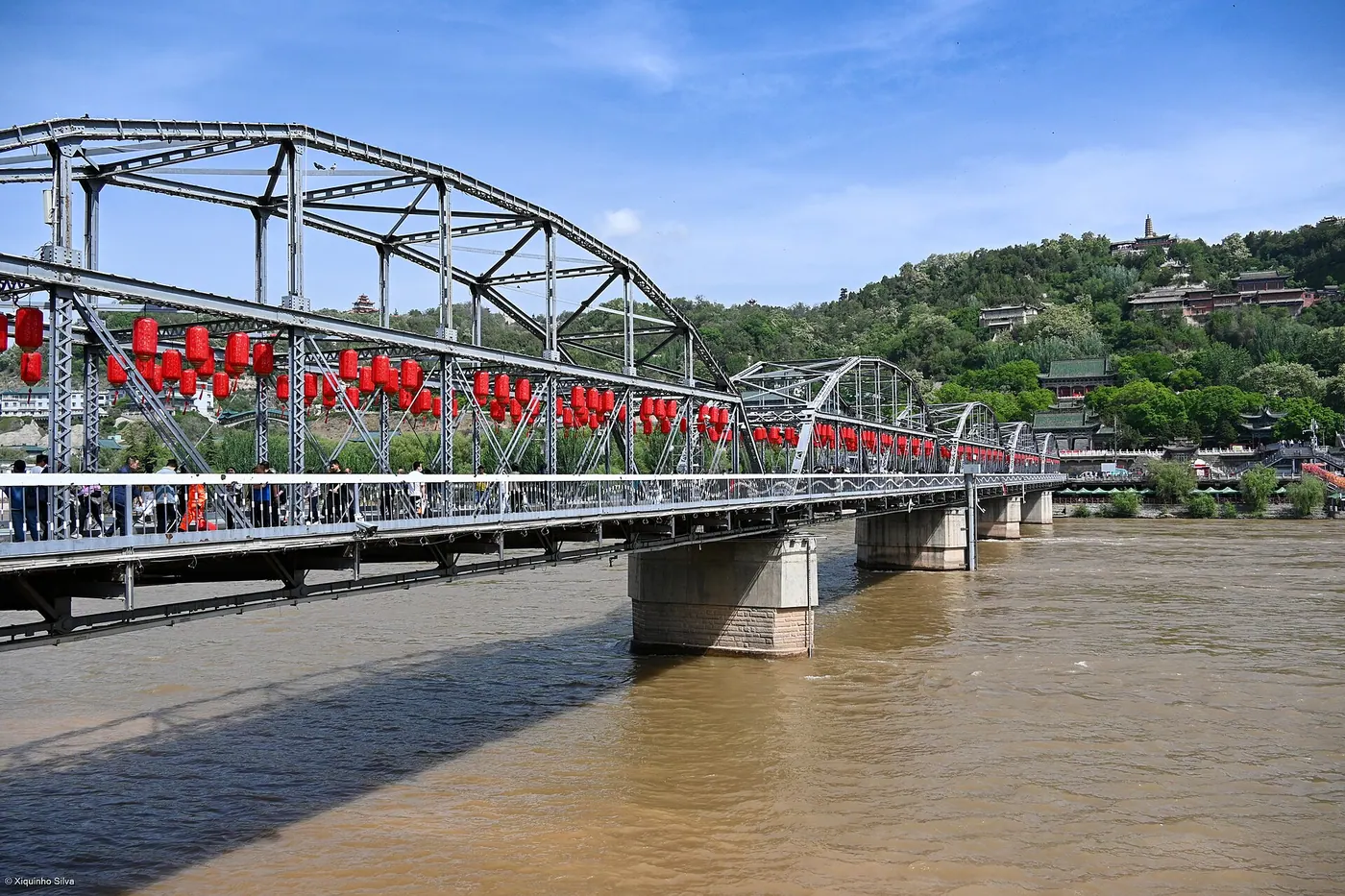
After arrival, keep the afternoon deliberately light. An open section of the Wei River promenade gives you a flexible walking option, and it is the best way to feel the city's scale before you meet its bronzes. Walk a stretch that suits your energy, sit down where the light softens, and stop when you have had enough — this is a leg-stretcher, not a route march. If rain sets in, trade the walk for an early dinner and keep the river for a clearer evening.
Dinner is where Baoji starts making sense. Saozi noodles, in the Qishan style, come in small bowls with a sour, warming broth, and ganmianpi — cold steamed noodle sheets dressed with chilli oil — is the dish most locals mention first. Order one of each between two people and see how you go, since portions and heat vary by kitchen. If chilli is a concern, say so at the start of the order, and ask whether broths are meat-based before assuming a vegetable dish is vegetarian.
Day 2: Reading the Bronzes at Shigushan
Give the Baoji Bronze Ware Museum a proper half-day, ideally a morning when attention is fresh. Confirm opening days and any reservation requirement before you travel, because these change, and build in a buffer so you are not sprinting at a closed door. Inside, resist the urge to sweep every case. Choose a handful of vessels and stay with them: what a gui or a ding was used for, who commissioned it, what the inscription records, and why bronze mattered socially as much as materially.
Displays rotate and objects go out on loan, so treat any particular piece as a hope rather than a promise; the depth of the collection is the reliable pleasure. If stairs and slopes are difficult, ask at the entrance about the easiest way through and consider a shorter segment of the Shigushan park instead of the full circuit. If English interpretation matters to you, check the current labels and services and arrange help in advance — a guide, or a translated list of key pieces you have prepared — rather than counting on an English audio guide being available.
Day 3: Famen Temple, Chosen on Purpose
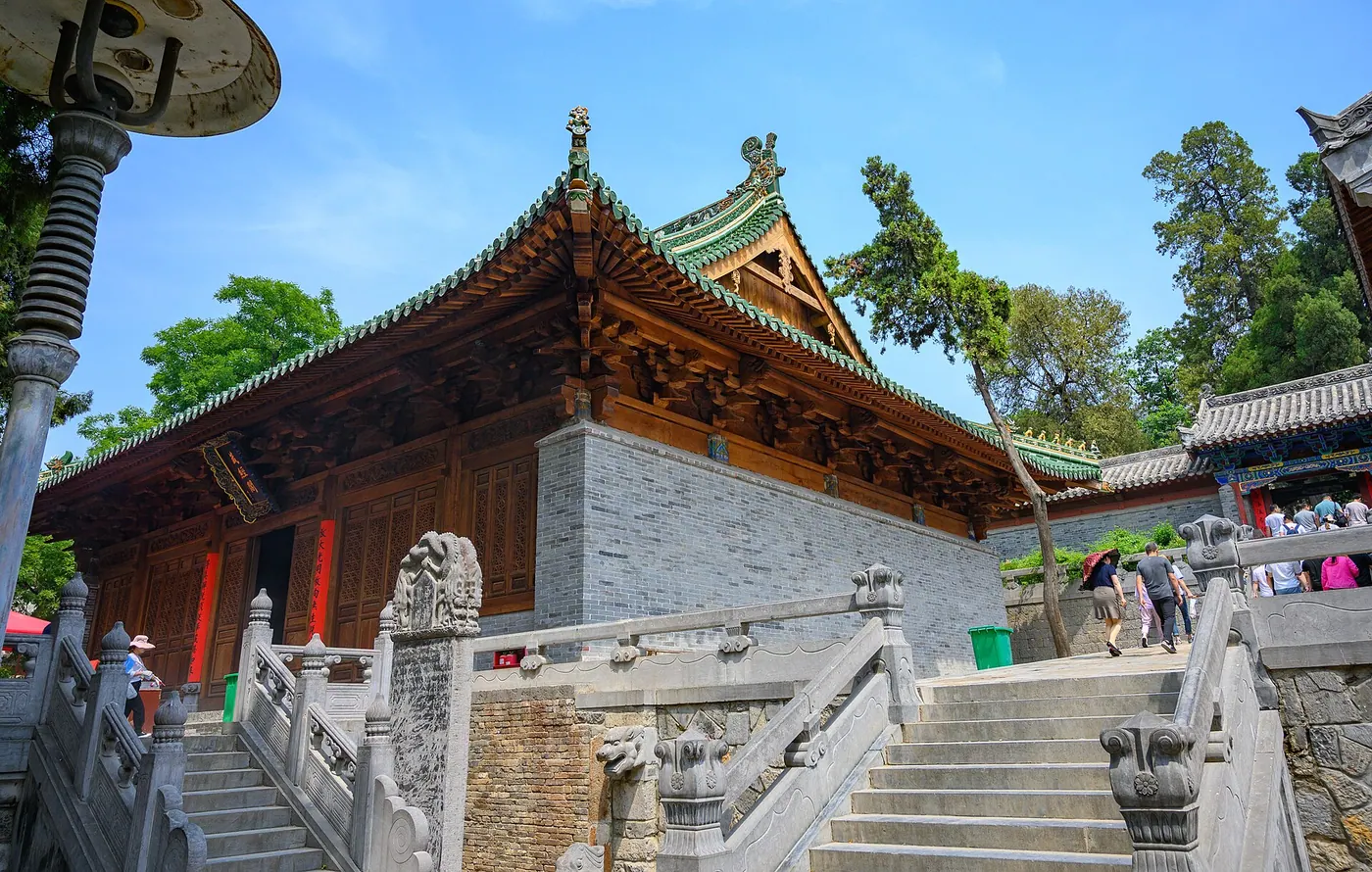
Famen Temple, in Fufeng county, is a genuine excursion rather than something you tack onto a museum morning. It carries a long Buddhist history, and the modern visitor complex built around it has a distinctly different character: one is a place of worship and archaeological memory, the other is an organized approach with ticketing, walking and crowds. Confirm before you go which areas are open and what your ticket actually covers, then decide whether you are visiting for the temple, the archaeology, or both.
Behave as a guest in working religious spaces: keep your voice low in halls, dress with some care, avoid flash photography where it is prohibited, and ask before photographing anyone. If your outbound train leaves early on Day 3, move Famen to another day or drop it and keep the final morning in the city. Squeezing the excursion into a tight window produces the thing this route is designed to avoid — a day spent watching the clock.
Rain, Stairs and the Mistakes That Cost a Day
Wet weather in Baoji does not ruin the plan; it simplifies it. Swap the river walk for a longer museum visit, a second coffee or a leisurely noodle lunch, and keep the outdoor segment for a break in the rain. For lower-walking days, choose a flat stretch of riverside promenade rather than the Shigushan slopes, take taxis for the short hops, and ask where seating and lifts are available before deciding how much of the museum to cover. Two hours of attentive looking beats five hours on your feet.
The expensive mistakes are mostly about geography and ambition. Booking the wrong Baoji station, imagining Famen Temple sits beside the museum, or folding Taibai Mountain into a three-day city route each costs half a day or more. A day trip to Baoji from Xi'an can focus on the museum if trains and entry arrangements align. It will not reproduce this full city-and-Famen itinerary. Check reservation and opening details in the week you travel, and leave one afternoon unplanned as insurance.
Background and onward planning
Background references and visitor-information channels: Background: Baoji Bronzeware Museum and Background: Famen Temple and Shaanxi government tourism portal. This itinerary was prepared on November 4, 2026. Background pages and government portals are not live opening or ticket notices. Confirm current entry, exhibitions, local transport and weather-related access with the venue and your accommodation for your travel dates.
To extend the route, compare a practical Xi'an itinerary. For rail booking details, see travelling China by high-speed train; check the exact station name on every ticket before arranging a transfer.
Cover photograph: Baoji Bronze Ware Museum.jpg by Baomi, via Wikimedia Commons, licensed under CC BY-SA 4.0. Resized and converted to WebP. This adapted photograph is shared under the same licence.