Choose the winter you actually want
Start with the desired experience. If you want snow and ice as the main event, look at Harbin and other northern or northeastern options, then check the current festival dates, ticket system, operating hours, and transport. If you want famous history without summer heat, Beijing and Xi'an can be rewarding in cold, clear weather, but many outdoor sites are exposed and daylight is shorter. If you want a gentler city break, consider Chengdu, Shanghai, Hangzhou, Fujian, Guangdong, or Yunnan while remembering that mild does not mean hot.
China's winter holiday calendar can create demand spikes. Lunar New Year travel is especially important for trains, hotels, restaurants, and family visits. Check the current official dates before booking, then reserve high-demand transport and the first hotel early. The China travel planning timeline gives a useful order for entry rules, flights, hotels, trains, attractions, payment, internet, and medicine.
Harbin and the northeast: a specialist snow itinerary
Harbin suits travelers who want a deliberate snow-and-ice trip rather than a normal city break with a chance of flurries. The attraction schedule, temperature, wind, and transport can change through the season, so check the official festival and scenic-area information for the year you travel. Central hotels make cold evenings easier, while a remote accommodation may look attractive online but add difficult transfers and limited indoor alternatives.
Plan shorter outdoor sessions with warm indoor stops. Use insulated boots with grip, protect exposed skin, and keep a charged phone inside a warm pocket because batteries lose capacity in severe cold. Confirm how you will return after an evening event and leave a buffer before any flight or onward train. If ice conditions, road closures, or visibility change, a museum, food street, or historic neighborhood is a good replacement rather than a reason to take an unsafe route.
Beijing and Xi'an: history in crisp air
Winter can make Beijing's courtyards, hutongs, museums, and imperial architecture feel spacious, but the Great Wall is a serious outdoor day. Wind, ice, steep steps, and limited daylight matter more than a sunny photograph. Choose a section with a realistic transport plan, check official opening and cable-car information, and bring water, layers, gloves, and shoes with grip. Keep an indoor Beijing day ready in case the wall is unsafe or visibility is poor.
Xi'an works well for a winter history route built around the city wall, museums, food, and the Terracotta Warriors. The archaeological site is large and can feel cold, so schedule it earlier in the day and keep an extra layer accessible. The Xi'an first-time visitors guide covers a practical sequence. In both cities, use the China attraction ticket guide to check passport-linked reservations and seasonal hours.
Chengdu, Shanghai, and Hangzhou: city winter without a ski trip
Chengdu is a strong choice when you want winter food, teahouses, neighborhoods, pandas, and museums rather than deep snow. The city can be damp and cool, especially indoors where heating varies, so pack layers and allow time to warm up. A panda visit still requires an early start and current reservation information. Build around one major outing each day and leave room for a hot meal or a long teahouse stop.
Shanghai and Hangzhou offer an east-coast winter combination with gardens, waterfronts, museums, markets, and high-speed rail connections. Cold rain can make a lake or old-town walk feel much harder than the temperature suggests. Carry a waterproof layer and choose a hotel near a metro station. The Hangzhou guide and Shanghai first-time itinerary help you balance outdoor landmarks with indoor alternatives.
Yunnan, Fujian, Guangdong, and Guangxi: milder alternatives
Travelers who dislike severe cold can consider Kunming, Dali, parts of Fujian, Guangzhou, or Guangxi. Yunnan's lower-elevation cities may have bright days and cool evenings, while mountain areas can be much colder and roads can change with weather. Guangzhou offers food and urban culture with a lighter winter wardrobe, but rain and humidity are still possible. Fujian can combine temples, coastal history, and food in a route that does not require snow equipment.
Do not label every southern destination warm. Pack a fleece or light insulated layer, comfortable waterproof shoes, and a compact rain shell. Check hotel heating, indoor temperature, and late-night transport when booking. In Guangxi, mist or rain can reduce karst visibility, so keep a village, museum, food, or market option ready. A milder route is successful when it matches your tolerance for damp weather, not when it promises summer.
Winter packing: layers, grip, power, and medicine
For northern winter, use a moisture-wicking base layer, an insulating mid-layer, a windproof outer layer, warm socks, gloves, a hat that covers the ears, and shoes with traction. Add hand warmers only according to their instructions and airline rules. A thin layer system is easier when moving between a cold street, a heated train, and a warm restaurant. Southern routes need fewer heavy items but still benefit from a fleece, rain shell, scarf, and shoes that dry quickly.
Carry prescribed medicines in original packaging, lip balm, moisturizer, sunscreen, and any inhaler or allergy treatment you use. Cold can reduce phone battery life, so keep a power bank and charging cable accessible. The China packing list covers documents, footwear, payments, connectivity, and weather-adaptable luggage. Store spare socks, medicine, and a phone charger in your carry-on in case checked baggage is delayed.
Transport, daylight, and seasonal operating changes
Winter travel needs more buffer than a summer map suggests. Snow, freezing rain, fog, wind, and road conditions can affect flights, buses, mountain cable cars, ferries, and scenic-area shuttles. High-speed rail is practical, but stations can be large and a delay matters if you have an international connection. The China high-speed train guide explains exact station names, security, luggage, and timing. Check the provider's notice on travel day rather than relying on an old screenshot.
Shorter daylight changes the order of a good itinerary. Put an exposed wall, mountain, or lake walk in the middle of the day, reserve museums and food districts for late afternoon, and confirm the last cable car or local bus before starting. Ask attractions about winter hours, entrance gates, heating, and closures. Keep one low-risk neighborhood day after a demanding snow or mountain outing; tired travelers make poorer decisions on icy steps and unfamiliar roads.
Payments, internet, hotels, and health in the cold
Set up two payment methods before leaving home and carry a modest cash backup. Gloves make phone-based payment slower, and cold can cause a device to shut down at the worst moment. The China payment guide covers wallet verification, cards, cash, and backup habits. Choose hotels that accept foreign passports, can register you, and provide a clear Chinese address for a taxi or ride-hailing driver.
A reliable data plan, offline map, translation pack, and saved hotel and station addresses are essential when weather makes you want to get indoors quickly. The China SIM and eSIM guide explains practical setup. Cold, dry air can aggravate asthma, skin conditions, and respiratory symptoms; damp southern weather can feel colder indoors than outside. Carry insurance details and seek medical help for severe breathing trouble, chest pain, confusion, or worsening symptoms rather than trying to push through a booked activity.
Cover photo note
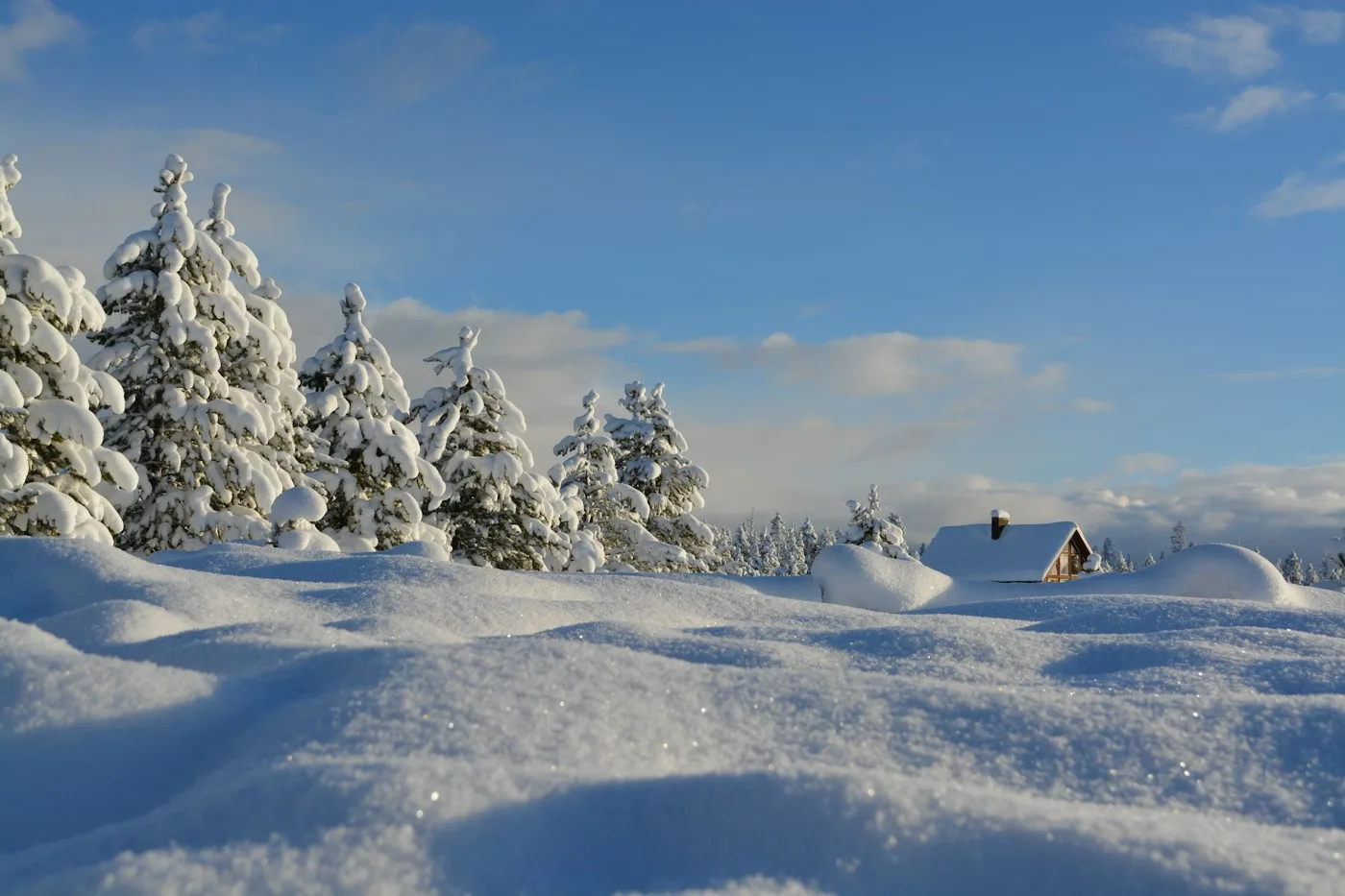
Cover photo: Snow-covered winter landscape, used under the Unsplash License. It is an editorial winter image and is not presented as a photograph of a specific Chinese ski area or city.