Start with the documents you cannot replace
Put your passport in a secure, accessible place rather than burying it in the bottom of a suitcase. Add any visa, entry approval, onward booking, insurance certificate, and reservation details that apply to your trip. Requirements depend on your nationality, route, and current policy, so check official sources and your airline before you pack. Keep the original documents protected from rain, and carry a simple paper copy for a day when you do not want to take every original item out.
Create a protected digital folder with the photo page of your passport, insurance contact, emergency contacts, hotel addresses in Chinese, and important booking references. A screenshot or offline note is useful when a station, hotel, or driver cannot read an English map label. Do not leave the only copy in checked luggage, and do not upload passport images to an open shared album. Our China travel safety guide explains how to build a small emergency folder before departure.
Keep a pen in your personal item for forms, a card with your hotel name and address in Chinese, and a small envelope for receipts or printed confirmations. These are inexpensive but useful when your phone battery is low or you need to hand information to a driver. Use the same spelling of your name across bookings and forms, and check every date before you leave home. A few minutes of document organization saves much more time when a trip starts after a long flight.
Build a light day bag for long sightseeing days
Your day bag should hold the items you may need between breakfast and the last train home: passport or required identification, phone, power bank, water, tissues, hand sanitizer, medication, sunglasses, and a light layer. Choose a bag that closes securely and is comfortable when you walk through a museum, a market, and a station in the same day. A small foldable tote can carry snacks or a layer without turning the main bag into a heavy backpack.
Pack tissues and wet wipes because public toilets, restaurants, and outdoor viewpoints do not all provide the same supplies. A reusable bottle is useful if your accommodation provides safe drinking water or you refill from a verified source; otherwise buy sealed water. Keep a few small bags for wet umbrellas, rubbish, or shoes after a rainy walk. A compact microfiber cloth helps with glasses, a camera lens, or a phone screen after a humid afternoon.
Do not fill the day bag with the contents of your suitcase. Leave room to move, especially on a crowded metro or a high-speed train platform. If you are visiting a major attraction, check its current bag, tripod, food, and photography rules before the day begins. The China cultural etiquette guide has useful context for carrying yourself respectfully at temples and heritage sites.
Prepare your phone, power, and offline backup
Bring the charging cable that fits your phone, a compact wall charger, and a power bank that you can identify easily. Charge everything before a long arrival or train day, and keep one cable in your personal item rather than checking every charger. Airline and rail rules for batteries and spare power banks can change, so check the current instructions from your carrier and keep the power bank where their rules require it. Avoid packing a loose, unlabelled battery that you cannot identify at screening.
Save hotel addresses, booking references, key train details, translation phrases, and an offline map before leaving reliable Wi-Fi. Also write down the phone number for your insurer, home carrier, and a trusted contact. The China SIM and eSIM guide covers the connectivity choices; packing-wise, the important point is to keep essential information available even when a signal or app fails. A second charging cable is worthwhile for longer family trips or multi-city itineraries.
Carry an adapter that matches the outlets on your route, but do not assume every hotel room has enough sockets beside the bed. A small multi-port charger can reduce cable clutter for two travelers. Use a surge-protected or reputable charger, and replace damaged cables before departure. If you bring a camera, e-reader, laptop, or hair tool, list its charger on a written checklist so it does not stay in a hotel room after checkout.
Pack medicines with clear labels and a backup plan
Bring regular prescription medicines in their original packaging, with enough for the journey plus a modest buffer for delays. Add a prescription or doctor's letter that names the active ingredient and dosage, especially if a medicine has a controlled status in your home country. Check current entry requirements with an official Chinese source, your airline, and a qualified medical professional before departure; rules can vary by medicine and quantity. Do not decant tablets into an unlabelled pouch.
Include a short medical note with allergies, important conditions, emergency contact details, and the generic names of medicines. A small first-aid kit can contain plasters, blister care, oral rehydration salts, pain relief that you already use safely, and any personal items recommended by your clinician. Pack prescription medicine in your cabin bag so temperature, delays, and lost luggage do not separate you from it. Bring the contact details for your insurer rather than trying to diagnose a serious problem from a travel checklist.
Consider the needs of your own route: motion-sickness support for winding roads, sun protection for exposed viewpoints, insect protection in warm or rural areas, and a light scarf or mask if dust bothers you. These are personal comfort choices, not a universal medical prescription. If you have severe allergies or dietary restrictions, bring a translated card and a safe first meal, then ask a doctor or pharmacist about the products you plan to carry.
Use layers for China's wide range of weather
China spans several climate zones, and even one itinerary can move from a cool northern morning to a warm southern afternoon. Check the forecast for each city rather than relying on a single national average. A breathable base layer, a light mid-layer, and a packable rain shell cover more situations than one heavy coat. Choose fabrics that dry reasonably quickly when laundry takes longer than planned, and pack one comfortable outfit that works for a restaurant or an evening performance.
A spring or autumn trip usually benefits from flexible layers: long trousers, light shirts, a cardigan or fleece, and a waterproof outer layer. Northern cities can feel cold in the morning while indoor heating or sunshine changes the afternoon. Summer visitors should prioritize breathable clothing, sun protection, a hat, and rain coverage for sudden showers. Humid destinations may justify a second quick-dry top, but do not bring a separate outfit for every possible temperature.
Winter packing depends on the north-south split and the amount of outdoor time. For Beijing, Xi'an, or mountain areas, bring a warm insulating layer, gloves, a hat, and shoes that remain comfortable on cold stone or icy paths. In milder southern cities, a medium jacket and layers may be more practical than a bulky expedition coat. Leave space for a layer you can buy locally if the actual forecast differs from the long-range prediction.
Choose shoes for real streets, stations, and sites
Pack one pair of broken-in walking shoes with reliable grip. A China trip can combine polished pavement, wet market floors, stone steps, long station corridors, and uneven historic lanes in a single day. Comfort matters more than making every outfit look different. If you need a second pair, choose a light option that dries quickly and can work for casual dinners or hotel mornings.
Sandals can be useful in hot weather if they are secure and comfortable over distance, but they are not ideal for every temple stairway, mountain path, or rainy street. Bring socks that suit your shoes and a small blister kit rather than waiting until your feet hurt. Break in new shoes at home and test your full day bag before the flight. A pair of thin hotel slippers can be convenient, but many hotels provide basic footwear, so check first if luggage space is tight.
Dress for temples, museums, and heritage visits
There is no single outfit rule for every Chinese temple or museum, but modest, comfortable clothing is a considerate default. Bring a light layer that covers shoulders or legs if you prefer extra flexibility, especially when moving between outdoor courtyards and indoor halls. Follow the site's signs and staff instructions about shoes, photography, restricted rooms, and worship areas. The practical goal is to stay comfortable while giving the place and the people using it the attention they deserve.
Choose shoes that can handle steps and that you can remove or put back on without a struggle if a site requests it. A scarf or overshirt can provide sun protection and an easy extra layer without taking much room. Avoid packing clothing that needs constant ironing or special care when your itinerary includes several hotel changes. A simple neutral outfit also works well for memorial halls, historic residences, and a nicer meal after sightseeing.
Keep luggage manageable on high-speed rail
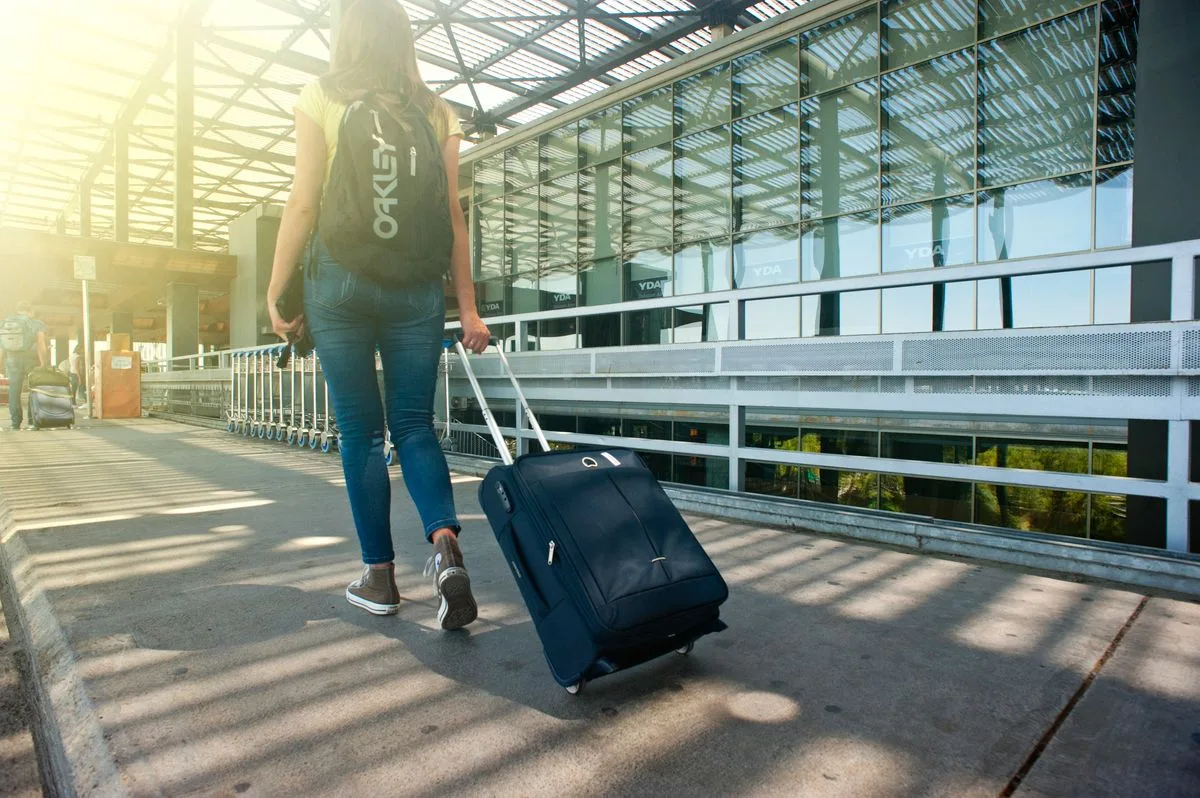
A small suitcase or soft-sided bag is easier to lift through station entrances, security checks, escalators, and crowded corridors. Before booking a multi-city route, consider whether you can move your luggage without assistance and whether each hotel is close to a station or has a useful lift. Large bags may be accepted on a train but still be awkward when you need to find a rack, climb stairs, or stand in a busy platform area.
Keep your passport, ticket details, medication, valuables, and one change of clothes in your personal item. Use packing cubes or simple pouches to keep chargers and toiletries from disappearing into the main case. Attach a discreet contact card inside the luggage and use a distinctive but secure strap or tag so you can recognize it quickly. Our China high-speed train guide explains station timing and boarding preparation; a lighter bag makes those steps much less stressful.
Plan for children, older travelers, and shared rooms
Families should split essential items between adults instead of giving one person every passport, medicine, and charger. Pack a familiar snack, refillable cup, spare clothes, wipes, and a small activity for long waits, but keep the child's day bag light enough to carry when tired. A stroller can be useful in a park or airport and awkward on stairs or in crowded heritage lanes, so check each day's surface and exit route before you commit to it.
Older travelers and anyone with mobility needs should prioritize supportive shoes, prescribed equipment, medication, and clothing that can be layered without complicated fasteners. A compact seat cushion, walking pole, or travel stool may be useful for a specific route, but only if the traveler already knows how to use it. Share a printed hotel card and an emergency contact with each person in the group, and agree on a meeting point before entering a large station or attraction.
Leave room by skipping the common overpacking traps
Do not pack a separate gadget for every possible inconvenience. One good charger, a phone with offline information, and a small backup battery usually cover more situations than a full electronics pouch. Avoid bringing full-size toiletries when travel containers or hotel supplies are enough for your route, and do not fill the case before you know what you may buy. Laundry service, a sink, and a repeat outfit can make a one-week bag work for much longer.
Skip items that are difficult to explain, fragile, or restricted by your airline or destination. Check current airline guidance for batteries, liquids, tools, food, and sports equipment, and confirm any special item with the carrier rather than relying on a generic packing list. Do not pack unlabelled medicines, counterfeit goods, or expensive valuables that you do not need. A lighter, clearly organized bag is easier to inspect, store, and protect throughout a multi-city trip.
A final packing check before the airport
The night before departure, check four groups: documents, health, power, and first-day clothing. Put your passport, phone, wallet, medication, charger, a layer, and a change of clothes in the personal item that stays with you. Weigh the checked bag, photograph its contents for your own reference, and leave a little room so you can repack without forcing the zip after the first hotel stop.
Read the weather for your arrival city and the first major destination, then make one last adjustment instead of packing for every theoretical condition. Confirm the hotel address in Chinese, your arrival transfer plan, and where you will get water or a first meal. A thoughtful China packing list does not predict every detail; it keeps the essentials reachable, the clothing adaptable, and the traveler free to enjoy the places between the transfers.